
Some cities are visited for architecture, some for food, some for scenery. Ayodhya is visited for something harder to define. People arrive for darshan, history, faith, curiosity, or simply because they feel they should come once. Yet once they enter the city, many realize that Ayodhya Tourist Places are not limited to one temple. The experience is spread across ghats, old shrines, sacred streets, evening lamps on the river, and moments of stillness between crowded checkpoints. That is why a thoughtful travel plan matters. If you only rush to one landmark and leave, you miss the city itself.
Table of Contents
Toggle📊 Quick Overview – Ayodhya Tourist Places
| Detail | Information |
| City | Ayodhya, Uttar Pradesh |
| Main Attraction | Shri Ram Janmabhoomi Mandir |
| Ideal Trip Duration | 1 Day / 2 Days |
| Best Season | October to March |
| Travel Type | Pilgrimage / Family / Cultural |
| Nearest Station | Ayodhya Dham Junction |
| Nearest Airport | Maharishi Valmiki International Airport |
Why Ayodhya Tourist Places Feel Different
Many spiritual cities feel busy from the moment you enter. Ayodhya feels active too, but there is also an underlying calmness. Even when crowds gather, movement often feels patient rather than chaotic.
Another difference is how close many major places to visit in Ayodhya are to each other. You can cover temples, ghats, and markets in a compact route if timed properly. However, security checks, festival rush, and walking zones can add time, so planning still matters.
Shri Ram Janmabhoomi Mandir – The Center of Most Journeys
For many travelers, this is the emotional anchor of the trip.
- Main darshan point in the city
- Strong security arrangements
- Better to visit early morning
- Comfortable clothing and minimal belongings help entry
Even people who come mainly out of curiosity often describe the atmosphere as more moving than expected.
Hanuman Garhi – A Temple with Constant Energy
Among all Ayodhya sightseeing places, Hanuman Garhi feels especially alive.
- Located on an elevated point
- Steps required to reach temple
- Strong devotional crowd flow
- Best visited after Ram Mandir or in late afternoon
The climb is manageable for most visitors, but slower pacing helps elders.
Kanak Bhawan – Graceful and Often Underestimated
Many travelers focus only on headline attractions and almost miss Kanak Bhawan. That would be a mistake.
- Associated with Lord Ram and Mata Sita
- Beautiful inner courtyards
- Softer crowd atmosphere than larger sites
- Good place to pause and slow down
It often becomes a favorite unexpectedly.
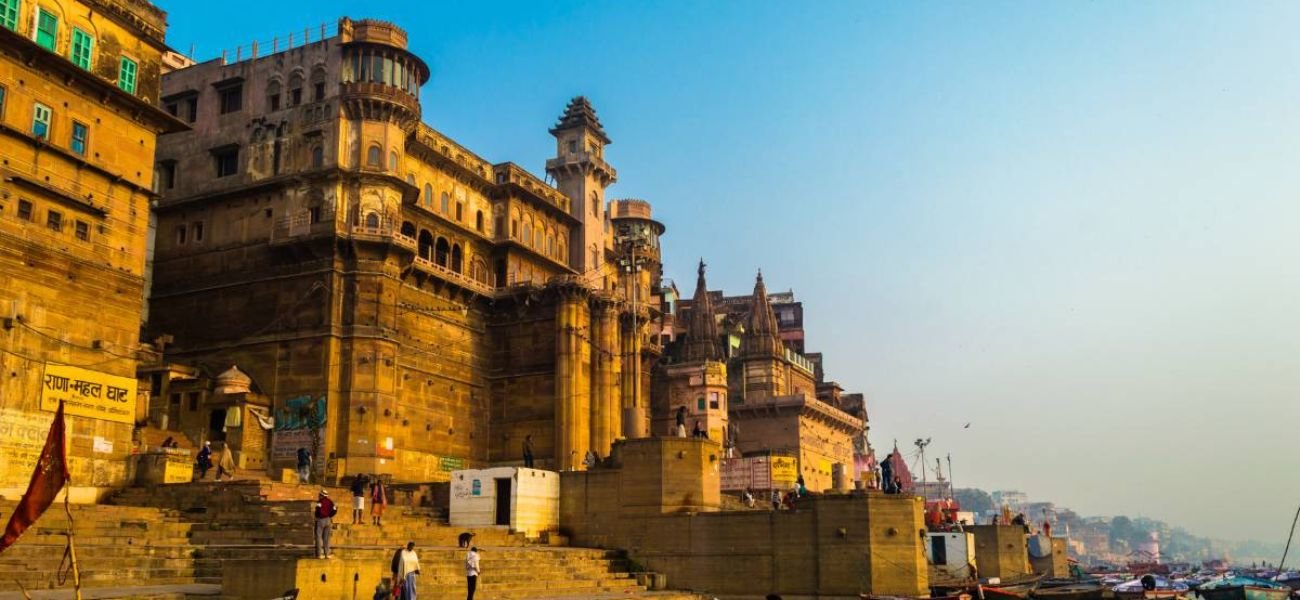
Ram Ki Paidi & Saryu River Ghats
If temples show one side of Ayodhya, the riverfront shows another.
- Broad stepped ghats along Saryu River
- Ideal for sunrise and evening visits
- Strong spiritual atmosphere without hurry
- Popular for Saryu Aarti
Many visitors remember sitting here quietly more than any formal sightseeing stop.
📍 Main Ayodhya Tourist Places List 2026
| Place | Time Needed | Best Visit Time |
| Ram Janmabhoomi Mandir | 1–2 hrs | Early Morning |
| Hanuman Garhi | 45 mins | Morning / Evening |
| Kanak Bhawan | 30–45 mins | Midday |
| Ram Ki Paidi | 1 hr | Sunset |
| Saryu Ghat Aarti | 1 hr | Evening |
| Dashrath Mahal | 30 mins | Afternoon |
Dashrath Mahal – Often Missed, Worth Visiting
Located in the old city area, Dashrath Mahal adds cultural texture to your trip.
- Colorful architecture
- Strong devotional activity
- Good stop while exploring market lanes
This is one of those Ayodhya famous tourist attractions that feels more alive than grand.
Suggested 1-Day Ayodhya Sightseeing Route
If you have limited time, sequence matters.
Morning
- Ram Janmabhoomi Mandir
- Hanuman Garhi
Afternoon
- Lunch / rest
- Kanak Bhawan
- Dashrath Mahal
Evening
- Ram Ki Paidi
- Saryu Aarti
This route reduces backtracking and helps manage energy.
Suggested 2-Day Travel Plan
For a calmer trip:
Day 1
Main temples + local market walk
Day 2
Slow riverfront morning, smaller temples, relaxed departures
Two days usually feel more meaningful than one rushed day.
Best Time to Visit Ayodhya Tourist Places
| Month | Experience |
| October – March | Pleasant weather |
| April – June | Warm afternoons |
| July – September | Humid / Rain possible |
| Ram Navami Period | High devotional crowd |
Winter months are usually best for families and senior travelers.
Crowd Behavior & Real Observations
This is where expectations help.
- Early mornings are smoother for darshan
- Weekends bring heavier queues
- Festival dates require patience
- Evening ghats fill steadily before aarti
Ayodhya is increasingly organized, but crowd timing still changes the entire day.
Food & Market Areas Near Tourist Zones
A city trip feels incomplete without local movement beyond temples.
- Traditional sweets and snacks in market lanes
- Prasad counters near temple routes
- Tea stalls near walking zones
Simple local food often feels better than searching for elaborate meals during a packed day.
A Small Detail Most Visitors Miss
People often arrive with a checklist mindset. Then somewhere near the riverfront or in a quieter temple courtyard, they stop checking time. That shift usually marks the moment the trip becomes real.
Planning Support Partner
Exploring Ayodhya Tourist Places can look straightforward until darshan queues, walking routes, local transfers, and sightseeing timing need to fit into one smooth plan. This is where Ayodhya Varanasi Tourism becomes practically helpful. Instead of handling each part separately, the support helps align temple visits, local sightseeing flow, and stay options so the trip feels calmer, better organized, and focused on the experience rather than avoidable confusion.
How to Reach Ayodhya
🚗 By Car
- Lucknow to Ayodhya approx 135 Km
- Good road connectivity
🚆 By Train
- Ayodhya Dham Junction well connected
- Frequent arrivals from major cities
✈️ By Air
- Maharishi Valmiki International Airport serves the city
- Convenient for faster access
Who Should Visit Ayodhya in 2026
- Families seeking spiritual travel
- Solo pilgrims
- History and culture travelers
- older citizens with planned itineraries
- Weekend travelers from nearby cities
A Thought That Stays After the Visit
Most people think they came to see temples. Later, they realize they also came to experience patience, rhythm, and a city built around remembrance.
Conclusion
The best Ayodhya Tourist Places are not only landmarks on a map. They are moments spread across shrines, steps by the river, old lanes, chants in the distance, and pauses you did not plan for. When visited with the right pace, Ayodhya feels less like a destination to complete and more like a place that continues quietly after you leave.
FAQs – Ayodhya Tourist Places
The top Ayodhya Tourist Places include Shri Ram Janmabhoomi Mandir, Hanuman Garhi, Kanak Bhawan, Ram Ki Paidi, Saryu Ghat, and Dashrath Mahal.
A 1-day trip can cover the main temples, while 2 days are ideal to explore Ayodhya Tourist Places comfortably with riverfront visits and local sightseeing.
The best time to visit places to visit in Ayodhya is between October and March, when the weather is pleasant for temple visits and walking tours.
The most famous among Ayodhya sightseeing places is Shri Ram Janmabhoomi Mandir, which attracts devotees from across India.
Most major Ayodhya Tourist Places such as temples and ghats have free entry, although donations and paid services may be optional.
Early morning is usually the best time for darshan, as queues are often shorter and the environment feels calmer.
Yes, major Ayodhya famous tourist attractions can be covered in one day with proper planning, though a 2-day trip feels more relaxed.
Saryu Ghat / Ram Ki Paidi is approximately 2 to 3 km from the main Ram Mandir area, depending on the route taken.
Yes, Ayodhya Tourist Places are highly suitable for families, with spiritual sites, organized travel routes, and growing visitor facilities.
While visiting Ayodhya Tourist Places, plan darshan timing early, carry light belongings, wear comfortable footwear, and keep buffer time for queues and walking distances.