
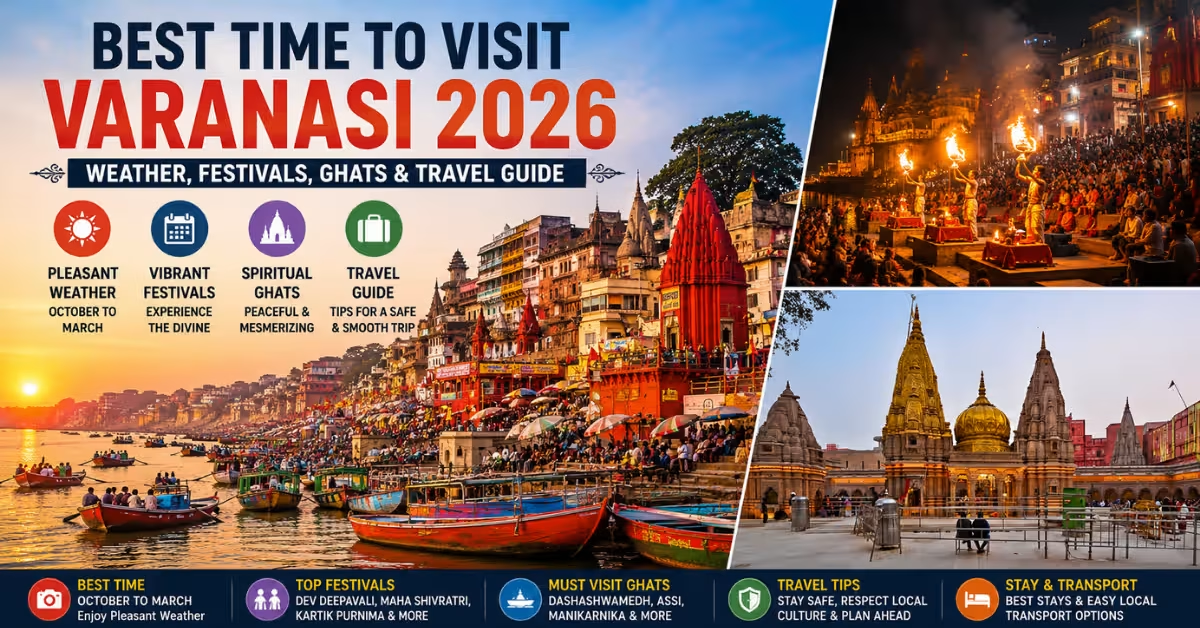
The best time to visit Varanasi is October to March – cool temperatures (8-25°C), all ghats accessible, Ganga Aarti at 6:00-7:00 PM and Dev Deepawali in November. Kashi Vishwanath is least crowded in February, October and early November weekday mornings. Avoid Sawan month Mondays (July-August) – 6-hour temple queues. Ganga Aarti timing: 7:00-7:45 PM (summer/spring), 6:00-6:45 PM (winter). Experience My India arranges Varanasi tours year-round from ₹3,000 per person. WhatsApp +91-7302265809. See our Ayodhya Varanasi Tour Package or message WhatsApp +91 7302265809.
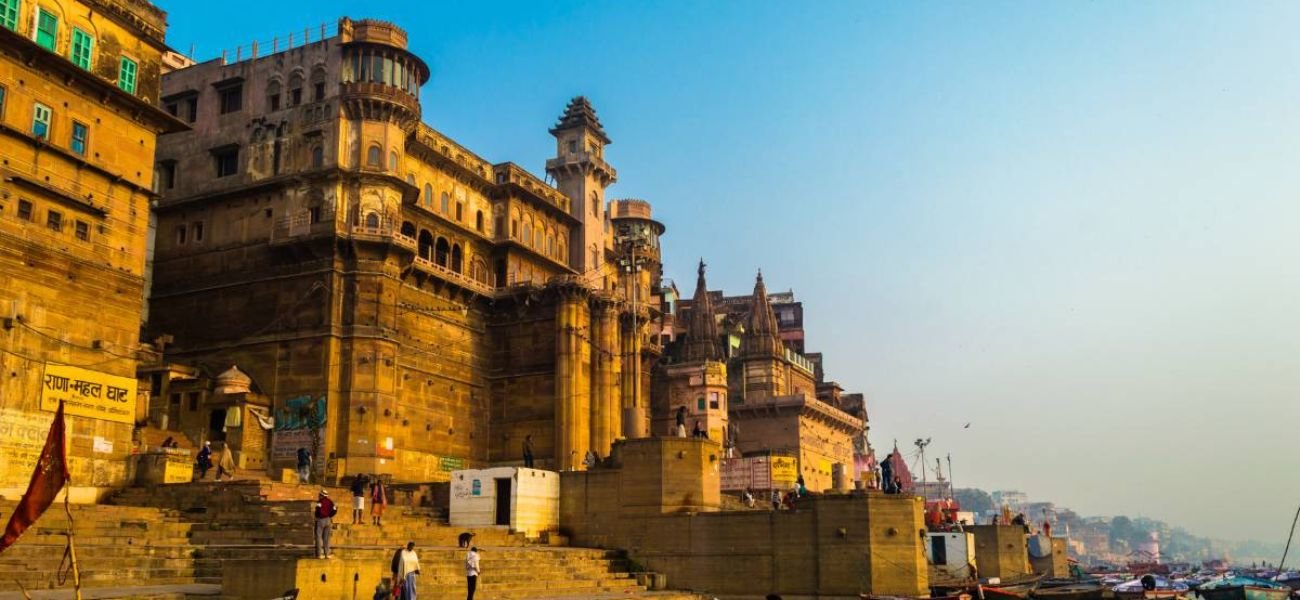
Varanasi – Kashi, Banaras – has no bad time to visit in the absolute sense. The Ganga flows every month, the ghats are alive every morning and Kashi Vishwanath is open before sunrise every single day of the year. But there is a very clear difference between visiting in October (cool, low crowds, golden riverside light) and visiting in May (45°C, barefoot ghat stones that burn, manageable only before 8 AM).
I am Gurudutt, born and raised in Braj Bhoomi and the founder of Experience My India. Since 2018, I have guided 50,000+ pilgrims through Varanasi in every month and every season – including Sawan Mondays when the Kashi Vishwanath queue stretches for hours and February mornings when you have the ghats almost to yourself. This guide gives you the honest month-by-month answer.
Best Time to Visit Varanasi – Quick Answer
Best overall: October to March Best for first-time visitors: November, February, October Best for festivals: November (Dev Deepawali), March (Holi), August (Nag Panchami / Sawan) Best for budget travel: July-September (monsoon – lowest hotel rates) Worst for sightseeing: May-June (extreme heat) Worst for Kashi Vishwanath darshan: Sawan Mondays (July-August – 4-6 hour queues)
Month-by-Month Guide – Weather, Crowds and Ganga Aarti Timings
| Month | Avg Temp (Day) | Avg Temp (Night) | Crowd Level | Ganga Aarti Time | Verdict |
| January | 18-20°C | 7-9°C | Moderate | 6:00-6:45 PM | ✅ Very good – cool, misty mornings |
| February | 22-24°C | 10-12°C | Low | 6:00-6:45 PM | ✅ Best month – fewest crowds, pleasant |
| March | 28-32°C | 15-17°C | Moderate | 6:15-7:00 PM | ✅ Good – Holi festival, warming up |
| April | 35-38°C | 20-22°C | Low-Moderate | 7:00-7:30 PM | ⚠️ Hot – 6 AM only window for sightseeing |
| May | 40-44°C | 25-28°C | Low | 7:30-7:45 PM | ❌ Extreme heat – avoid midday completely |
| June | 40-43°C | 27-30°C | Low | 7:30-7:45 PM | ❌ Hottest month – pre-monsoon |
| July | 30-33°C | 25-27°C | Low | 7:00-7:30 PM | ⚠️ Monsoon – lower ghats flood; avoid Sawan Mondays |
| August | 29-32°C | 24-26°C | Low (except Sawan Mon) | 7:00-7:30 PM | ⚠️ Sawan Mondays extremely crowded at KV Temple |
| September | 30-33°C | 23-25°C | Low | 6:30-7:00 PM | ⚠️ Monsoon ending – improving conditions |
| October | 28-30°C | 17-19°C | Moderate | 6:00-6:30 PM | ✅ Excellent – post-monsoon freshness |
| November | 22-25°C | 12-14°C | High (Dev Deepawali week) | 6:00-6:15 PM | ✅ Best for Dev Deepawali – book 3 months ahead |
| December | 18-22°C | 8-10°C | Moderate | 5:45-6:00 PM | ✅ Very good – cool, manageable crowds |
Best Season to Visit Varanasi – Detailed Breakdown
Winter – October to February (Best Season Overall)
Winter is the undisputed best season for Varanasi. The temperature range of 8-25°C makes walking the ghats, doing the sunrise boat ride and standing at Dashashwamedh for the Ganga Aarti genuinely comfortable. All 84 ghats are accessible – no monsoon flooding, no summer heat.
October: The monsoon ends and the air clears. The Ganges is at its highest post-rain level – visually magnificent. October evenings are perfect for the ghat walk and Ganga Aarti. Crowds are moderate, hotel rates haven’t peaked yet.
November: The peak spiritual month. Dev Deepawali (Kartik Purnima) transforms Varanasi’s ghats into a sea of over 1 million lamps – the single most spectacular event in the Varanasi calendar. Book accommodation 3 months ahead for Dev Deepawali week. Non-festival November days are moderate crowd, excellent weather.
December: Cool, clear, atmospheric. The morning mist on the Ganges makes sunrise boat rides particularly striking. Moderate crowds except Christmas-New Year week when domestic travel peaks.
January-February: The quietest and most comfortable months for Varanasi sightseeing. February particularly is Experience My India’s internal recommendation for first-time visitors who want the full experience without peak crowds. Kashi Vishwanath queue on a February weekday morning: 45-60 minutes. Same temple on a November festival weekend: 3-4 hours.
Monsoon – July to September (Budget Option)
Varanasi during monsoon is a study in atmospheric contrasts – the Ganges turns grey-green and rises dramatically, the ghats partially flood and the city’s ancient stone architecture glistens in the rain. Hotel rates are 30-50% lower than peak season.
The honest assessment: Lower ghats including parts of Dashashwamedh and Assi Ghat are inaccessible when the Ganges floods. Boat rides are restricted or cancelled during heavy rain periods. The sunrise boat ride – Varanasi’s most iconic morning experience – is significantly less reliable in July-September.
Sawan month (July-August) specific warning: Kashi Vishwanath Temple during Sawan draws Kanwariyas from across North India – devotees traveling specifically to pour Ganga water on the Shivling. Sawan Monday queues at Kashi Vishwanath regularly reach 4-6 hours. This is not a deterrent to visiting Varanasi in this period – it is critical scheduling information. If your visit falls in Sawan, schedule Kashi Vishwanath for a non-Monday or plan for a 4:00 AM arrival.
Experience My India checks the Sawan calendar for every July-August booking. WhatsApp +91-7302265809.
Summer – April to June (Avoid Midday)
Summer in Varanasi is intense. April is manageable if sightseeing is confined to the 5:30-9:30 AM window. May and June, with temperatures of 40-45°C, make midday and afternoon sightseeing genuinely difficult.
If you must visit in summer: Book all temple visits for 6:00-9:00 AM. The Ganga Aarti in summer (7:30-7:45 PM) is actually more comfortable than the December version – the evening is warm but not oppressive. Barefoot ghat walking is not practical after 9 AM in May-June due to stone surface temperatures.
The advantage: Hotels in May-June are at their cheapest. Some pilgrims with inflexible travel windows find genuine value if they plan sightseeing around the 5:30-9:30 AM and 5:00-8:00 PM windows only.
Varanasi Festival Calendar – When to Visit for Festivals
| Festival | Month | Significance | Crowd Impact | Booking Lead Time |
| Makar Sankranti | January | Sacred bathing at Ganges – all ghats | Very high | 6 weeks ahead |
| Maha Shivratri | Feb/March | Kashi Vishwanath peak – largest annual gathering | Extremely high | 3 months ahead |
| Holi | March | Varanasi’s Holi is among India’s most vibrant | Very high | 2 months ahead |
| Ram Navami | March/April | Ayodhya primary – Varanasi secondary celebration | Moderate | 4 weeks ahead |
| Nag Panchami | July/Aug | Snake worship – Varanasi has significant tradition | Moderate | 2 weeks ahead |
| Sawan Mondays | July-August | Kashi Vishwanath peak – Kanwar Yatra | Very high | Critical timing warning |
| Dev Deepawali | November | 1 million+ lamps on the Ganges ghats | Extremely high | 3 months ahead |
| Kartik Purnima | November | Sacred bathing month concludes | Very high | 6 weeks ahead |
| Ganga Mahotsav | November | Cultural festival at the ghats | High | 4 weeks ahead |
| Christmas-New Year | Dec-Jan | Domestic travel peak | High | 6 weeks ahead |
Dev Deepawali – The Most Spectacular Festival in Varanasi
Dev Deepawali (Kartik Purnima) falls 15 days after Diwali – in November 2026, expected around November 22-23. This is the single most spectacular visual event in all of Varanasi – and one of the most spectacular in India.
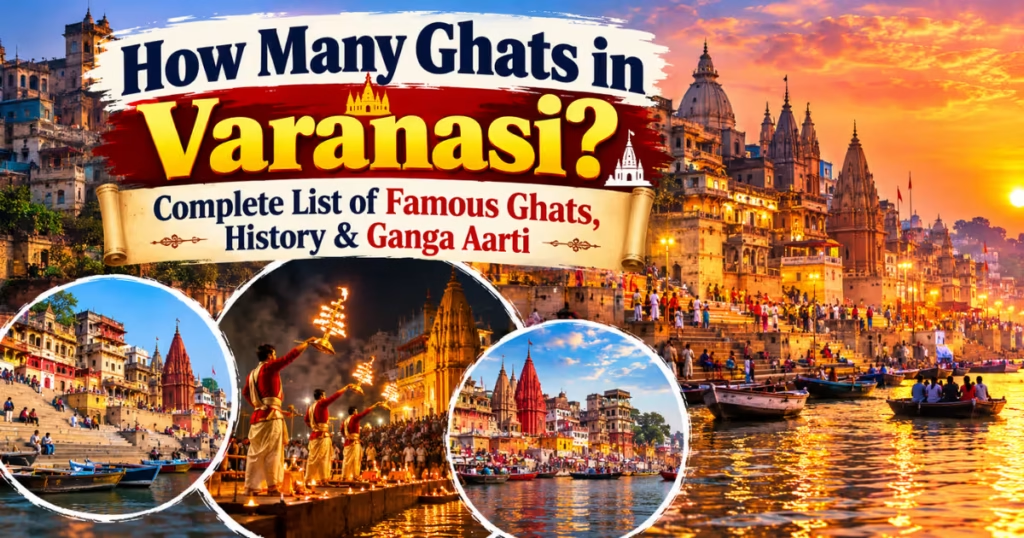
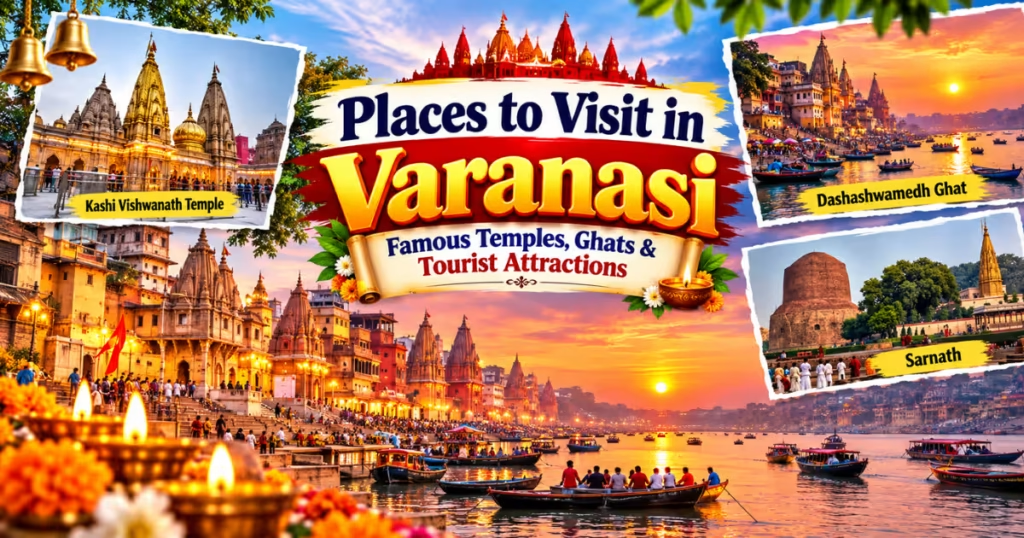
On this night, over one million earthen diyas are placed along the entire ghat sequence – from Assi Ghat to Rajghat – by priests and devotees. The Ganges reflects the lamps, the ghats glow from end to end and the atmosphere is unlike any other event in Varanasi’s festival calendar.
How Dev Deepawali differs from Ayodhya’s Deepotsav:
| Feature | Dev Deepawali (Varanasi) | Deepotsav (Ayodhya) |
| Location | All 84 Ganges ghats | Ram Ki Paidi Saryu ghat |
| Date | Kartik Purnima (15 days after Diwali) | Chhoti Diwali (eve of Diwali) |
| Scale | 1 million+ lamps | 25 lakh+ lamps |
| Character | Organic, ghat-by-ghat | State-organised event |
| Best view | Boat on the Ganges | Ghat steps / central position |
Planning for Dev Deepawali 2026:
- Book accommodation in Varanasi by August 2026 at the latest
- River-facing boat position for ghat viewing: arrange 3-4 hours before sunset
- Arrive in Varanasi 1-2 days before Dev Deepawali to attend Ganga Aarti first and understand ghat layout
Experience My India runs dedicated Dev Deepawali packages combining Varanasi ghats and, for those who want it, the Deepotsav at Ayodhya 15 days earlier. See: 3 Nights 4 Days Ayodhya Varanasi Tour Package and 5 Days Ayodhya Varanasi Tour Package. WhatsApp +91-7302265809.
Worst Time to Visit Varanasi – What to Avoid
| Worst Scenario | When | Why | What to Do Instead |
| Kashi Vishwanath 6-hour queue | Sawan Mondays (July-Aug) | Kanwar Yatra peak – thousands of devotees | Arrive 3:00-4:00 AM OR visit non-Monday |
| Barefoot ghat walking | May-June afternoons | Stone surfaces 45-55°C | Sightseeing only before 9 AM |
| Lower ghats flooded | August-September (heavy rain periods) | Ganges flood | Stay on upper ghats; boat rides may be suspended |
| Boat ride suspended | Heavy monsoon rain | Safety restrictions | Reschedule or do ghat walk only |
| Hotel rates 3-5x normal | Dev Deepawali / Maha Shivratri week | Peak festival | Book 3 months ahead or avoid that specific week |
Best Time to Visit Varanasi Temples – Kashi Vishwanath Crowd Guide
| When | Queue Time (Kashi Vishwanath) | Verdict |
| Weekday, Feb-Oct, 7:00-9:00 AM | 45-90 minutes | ✅ Best regular window |
| Weekday, Nov-Jan, 7:00-9:00 AM | 60-120 minutes | ✅ Manageable |
| Weekend morning (any month) | 2-3 hours | ⚠️ Plan extra time |
| Festival day (Maha Shivratri, Dev Deepawali) | 4-8 hours | ⚠️ Arrive 3:00-4:00 AM |
| Sawan Monday, 7:00-9:00 AM | 4-6 hours | ❌ Arrive before 4:00 AM or skip |
| Sawan Monday, after 10:00 AM | 6-8+ hours | ❌ Do not plan |
| Any day, 4:00-6:00 AM (Mangala Aarti window) | 15-30 minutes | ✅ Best possible – most atmospheric |
The Kaal Bhairav timing note: Kaal Bhairav Temple – which must be visited before Kashi Vishwanath by local tradition – has no significant queue on any day. Visit Kaal Bhairav first at 6:30 AM, then join the Kashi Vishwanath queue at 7:00 AM for the best weekday window.
Read the complete temple sequence guide: 30 Best Places to Visit in Kashi 2026
Ganga Aarti Timings by Season
The Ganga Aarti at Dashashwamedh Ghat takes place every single evening without exception – rain, festival or ordinary day. The timing shifts with sunset.
| Season | Months | Ganga Aarti Start Time | Duration |
| Winter | November-February | 6:00-6:15 PM | 45 minutes |
| Spring | March-April | 6:30-7:00 PM | 45 minutes |
| Summer | May-June | 7:30-7:45 PM | 45 minutes |
| Monsoon | July-September | 7:00-7:30 PM | 45 minutes |
| Post-monsoon | October | 6:00-6:30 PM | 45 minutes |
Critical reminder: The Ganga Aarti priests face the river. From the ghat steps, you see their backs. From a boat on the Ganges, you face the ceremony directly. This is the single most important Varanasi planning decision – pre-book a river-facing boat position at least 45 minutes before the aarti starts. Experience My India arranges this for all tour groups. WhatsApp +91-7302265809.
Best Time for Varanasi and Ayodhya Together
For pilgrims combining both cities in one trip, the optimal timing depends on which festival experience they prioritise.
| Priority | Best Month | What You Get |
| Both festivals in one trip | Late October-November | Deepotsav Ayodhya (Chhoti Diwali) + Dev Deepawali Varanasi (Kartik Purnima) – 15 days apart |
| Comfortable sightseeing both cities | February | Lowest crowds at both Kashi Vishwanath and Ram Mandir – excellent weather |
| Ram Navami + Varanasi | March-April | Ram Navami at Ayodhya + Varanasi spring season |
| Budget travel | July-September | Lowest hotel rates both cities – avoid Sawan Mondays at KV Temple |
The Kartik Month “Double Festival” window: Deepotsav at Ayodhya falls on Chhoti Diwali (eve of Diwali). Dev Deepawali in Varanasi falls exactly 15 days later on Kartik Purnima. A traveler who arrives in Ayodhya for Deepotsav and then moves to Varanasi will catch both lamp festivals – the two most spectacular ghat illumination events in North India – in a single 3-week window. This is Experience My India’s most booked November package combination.
See: 5 Days Ayodhya Varanasi Tour Package and 3 Nights 4 Days Ayodhya Varanasi Tour Package. WhatsApp +91-7302265809.
Ground Truth – What Nobody Tells You About the Best Time to Visit Varanasi
1. February is statistically the best month for Varanasi – and almost no travel guide highlights it. October and November get all the attention because of Dev Deepawali. But February – post all major festivals, moderate weather, short queue at Kashi Vishwanath – delivers the complete Varanasi experience with the least friction. Experience My India rates February as the single best month for first-time pilgrim visitors.
2. Dev Deepawali (November) and Deepotsav Ayodhya (October/November) are the same Kartik month – most people don’t realise they can attend both. Deepotsav at Ayodhya is on Chhoti Diwali. Dev Deepawali in Varanasi is 15 days later. A single November trip covers both – the two most spectacular lamp festivals in North India. Experience My India books this combination specifically as a November package.
3. Sawan Mondays are the single worst time for Kashi Vishwanath darshan – not Maha Shivratri. Most travel content warns about Maha Shivratri crowding. But Sawan Mondays, occurring every week across the entire Sawan month (July-August), produce consistent 4-6 hour queues at Kashi Vishwanath. Maha Shivratri is one day per year. Sawan Mondays are 4-5 consecutive Mondays. Experience My India always checks Sawan dates for July-August bookings.
4. The Ganga Aarti in December at 5:45 PM finishes in darkness – which makes it more atmospheric, not less. Some travelers are surprised that winter Ganga Aarti starts before 6 PM. The result is that the aarti unfolds as the last light leaves the sky – the lamps on the water are more visible, the atmosphere is more luminous. December and January are actually among the most photographically rewarding months for Ganga Aarti.
5. October gives you Varanasi at its most physically beautiful – but this is not widely known. Post-monsoon October has the Ganges at near-maximum level (greenish, wide, full), the air cleaned by months of rain, fresh light on the ghats and temperatures that have just turned comfortable. The visual contrast between the white ghats and the green-grey river in October is at its most striking. Experience My India considers October mornings on the boat the most beautiful river experience in the Varanasi year.
Frequently Asked Questions – Best Time to Visit Varanasi
February is the least crowded month at Kashi Vishwanath and Varanasi’s main ghats. Post all major festivals (Maha Shivratri falls in late February/March but February itself is quiet), pre-Holi and with temperatures at their most comfortable (22-24°C day, 10-12°C night), February delivers the complete Varanasi experience with the shortest Kashi Vishwanath queues of the year – typically 45-60 minutes on weekday mornings. October and early November (before Dev Deepawali week) are also relatively uncrowded with excellent weather. Experience My India rates February as the top month for first-time pilgrims. WhatsApp +91-7302265809.
Two days (1 night) gives a meaningful but compact Varanasi experience. Day 1 covers Kaal Bhairav Temple, Kashi Vishwanath (morning queue), old city walk and Ganga Aarti by boat (evening). Day 2 covers sunrise boat ride and Sarnath (11 km, 2.5-3 hours). This is Experience My India’s 1 Night 2 Days Varanasi Tour Package – it works but leaves no room for Assi Ghat morning, BHU, Ramnagar Fort or a second Kashi Vishwanath visit. Three days is more comfortable. WhatsApp +91-7302265809.
Ganga Aarti at Dashashwamedh Ghat varies by season. Winter (November-February): approximately 6:00-6:15 PM. Spring (March-April): 6:30-7:00 PM. Summer (May-June): 7:30-7:45 PM. Monsoon (July-September): 7:00-7:30 PM. Post-monsoon October: 6:00-6:30 PM. The aarti lasts approximately 45 minutes. Always watch from a boat on the Ganges – from the ghat steps you see the backs of the priests. Experience My India pre-arranges river-facing boat positions for all Varanasi groups. WhatsApp +91-7302265809.
Four days (3 nights) gives a genuinely complete Varanasi experience – two Kashi Vishwanath morning visits (catching different aarti windows), two Ganga Aarti viewings from the boat, full Sarnath with the museum, Assi Ghat Subah-e-Banaras morning, Ramnagar Fort, BHU campus and multiple ghat walks at different times of day. Experience My India’s 2 Nights 3 Days Varanasi Tour Package covers the essentials in 3 nights; a 4th day adds the quieter cultural sites. WhatsApp +91-7302265809.
For first-time tourists: February (fewest crowds, best weather, all sites accessible). For festival experience: November (Dev Deepawali – most spectacular lamp festival on the Ganges). For spiritual pilgrimage: October to March generally, with October being particularly beautiful post-monsoon. For budget travel: July-September (lowest hotel rates – accept monsoon limitations on lower ghats). Experience My India recommends November for the double-festival Deepotsav Ayodhya + Dev Deepawali combination. WhatsApp +91-7302265809.
Yes – with strict timing. In April-June, Varanasi is extreme heat (40-45°C midday). All temple visits and ghat walking must be completed between 5:30-9:30 AM and 5:00-8:00 PM. The sunrise boat ride (5:00-6:30 AM) remains excellent in summer. Ganga Aarti in summer (7:30-7:45 PM) is warm but manageable. Barefoot ghat walking is not practical after 9 AM. Hotel rates are at their cheapest. Experience My India plans summer visits with morning-heavy itineraries. WhatsApp +91-7302265809.
Dev Deepawali (Kartik Purnima) is the most spectacular festival in Varanasi – falling 15 days after Diwali (November 2026: approximately November 22-23). On this night, over 1 million earthen diyas are placed along all 84 Ganges ghats by priests and devotees. The entire riverfront glows from Assi Ghat to Rajghat. It is best experienced from a boat on the Ganges. Book accommodation 3 months ahead – hotels near the ghats sell out completely. Experience My India arranges Dev Deepawali packages including 5 Days Ayodhya Varanasi Tour Package. WhatsApp +91-7302265809.
Two specific scenarios to avoid or plan around: (1) Sawan month Mondays (July-August) when Kashi Vishwanath queues reach 4-6 hours – visit on non-Monday or arrive before 4:00 AM. (2) May-June midday and afternoon – 40-45°C temperatures make outdoor sightseeing impractical between 10 AM-5 PM. Additionally, during major festivals like Maha Shivratri and Dev Deepawali, book 3 months ahead or crowd levels make unplanned visits very difficult. Experience My India advises on all dates. WhatsApp +91-7302265809.
Recommended products
-
1 Night 2 Days Varanasi Tour Package
Original price was: ₹7,000.00.₹6,000.00Current price is: ₹6,000.00. -
2 Night 3 Days Ayodhya Varanasi Tour Package
Original price was: ₹9,000.00.₹8,000.00Current price is: ₹8,000.00. -
2 Nights 3 Days Varanasi Tour Package
Original price was: ₹11,000.00.₹9,500.00Current price is: ₹9,500.00. -
5 Days Ayodhya Varanasi Tour Package


🙏 Ready to Plan Your Varanasi Visit at the Right Time?
WhatsApp Experience My India and receive a complete Varanasi itinerary within 30 minutes – season-specific timing, Ganga Aarti boat position, Kashi Vishwanath queue strategy and hotel near ghats all arranged.
WhatsApp +91-7302265809 – Book Now
Jai Shri Ram 🙏