
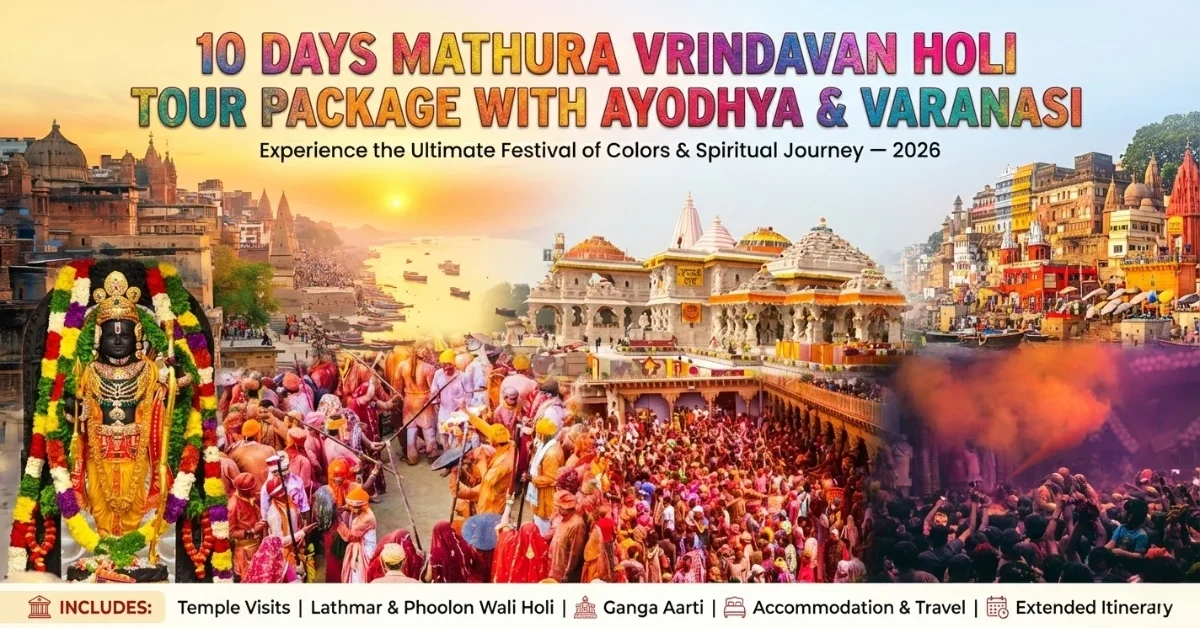
Holi does not arrive suddenly in Mathura or Vrindavan. It slowly settles in. A few extra people on the streets. Temple bells ringing longer than usual. Colours being sold at corners days before anyone actually plays. A 10 Days Mathura Vrindavan Holi Tour Package with Ayodhya & Varanasi follows this slow build. It does not jump from one highlight to another. It stays, waits, and lets Holi happen in its own time.
This journey is not loud every day. Some days are playful, some tiring, some unexpectedly quiet. And that is exactly how Holi in Braj is meant to be lived.
Table of Contents
ToggleMathura Vrindavan Holi Tour Package – A Journey That Moves With Braj
A proper 10 Days Mathura Vrindavan Holi Tour Package understands that Holi here is not one event. It is many days, many villages, many moods. Barsana feels different from Nandgaon. Vrindavan carries a different energy than Mathura. And Gokul has its own softness.
This is why a Mathura Vrindavan Holi Tour with Ayodhya Varanasi feels complete. After days of colour and crowds, the calm rhythm of Ayodhya and the deep stillness of Varanasi help everything settle inside you.
Braj Holi Tour Package – Following the Old Rhythm
Braj follows a rhythm older than calendars. Each place celebrates Holi on its own day, in its own way. A Braj Holi Tour Package respects this order instead of rushing through it.
Below is how these days naturally unfold.
Barsana Laddu Holi – 25 February 2026, Wednesday
The first real taste of Holi comes at Sriji Temple in Barsana. By morning, the climb itself feels festive. When Laddu Holi begins, laddus fall from above, hands stretch up instinctively, and people laugh without knowing why. It is crowded, yes, but also gentle. No pushing. No hurry. Just shared joy.
Barsana Lathmar Holi Tour Package – 26 February 2026, Thursday
This is the day most people imagine when they think of Braj Holi. The Barsana Lathmar Holi Tour Package takes you to the main Holi ground, where tradition takes over completely. It looks chaotic from the outside, but inside it is organised by belief and habit. Everyone knows their place. The noise, the colour, the teasing, all of it follows a pattern that has existed for generations.
Nandgaon Holi – 27 February 2026, Friday
Nandgaon feels more contained. At Nand Bhawan, the energy is high but grounded. Songs echo through the courtyard. Colours fly, but devotion stays at the centre. It feels less like a spectacle and more like a village celebration where everyone belongs.
Phoolon Ki Holi Vrindavan Tour – 28 February 2026, Saturday
The Phoolon Ki Holi Vrindavan Tour at Banke Bihari Temple lasts only a short while, but it leaves a deep impression. Flowers fall instead of colour. The crowd sways quietly. For a few minutes, time slows down. Later the same day, Mathura celebrates Holi at Krishna Janmabhoomi Temple, where the feeling turns more reflective than playful.
Gokul Holi – 1 March 2026, Sunday
Gokul does not rush Holi. At Raman Reti and nearby ghats, families gather, children run freely, and colours feel almost secondary. The Yamuna flows beside everything, unchanged. This day often feels like a pause, which many travellers do not realise they need.
Mathura Vrindavan Local Sightseeing – 2 March 2026, Monday
After several intense days, this quieter day matters. Temples, small lanes, local ashrams, and river walks fill the hours. It gives the body time to recover and the mind time to process the experience of the Mathura Vrindavan Ayodhya Varanasi Tour.
Holika Dahan – 3 March 2026, Tuesday
As evening arrives, bonfires light up streets and courtyards. Holika Dahan is not loud. People stand quietly, offer prayers, and watch the flames. It feels symbolic and deeply personal, especially after days of celebration.
Dhulandi (Main Color Holi) – 4 March 2026, Wednesday
This is the most familiar image of Holi. Colours everywhere. Music spilling onto streets. Laughter mixed with exhaustion. In Braj, even this chaos has a natural ending. By evening, towns begin to slow down again, almost as if Holi gently steps aside.
Ayodhya Ram Mandir Varanasi Tour – Slowing Down After Holi
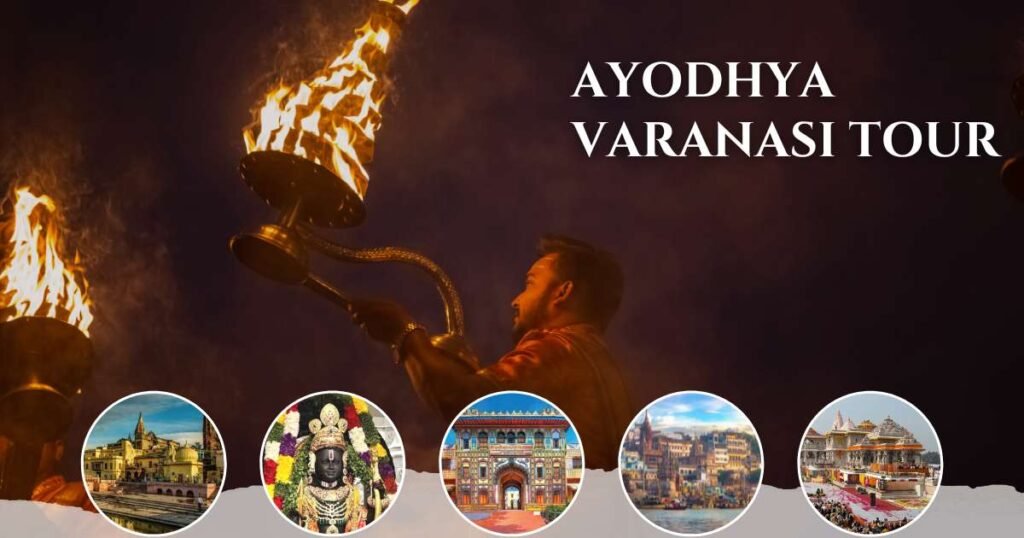
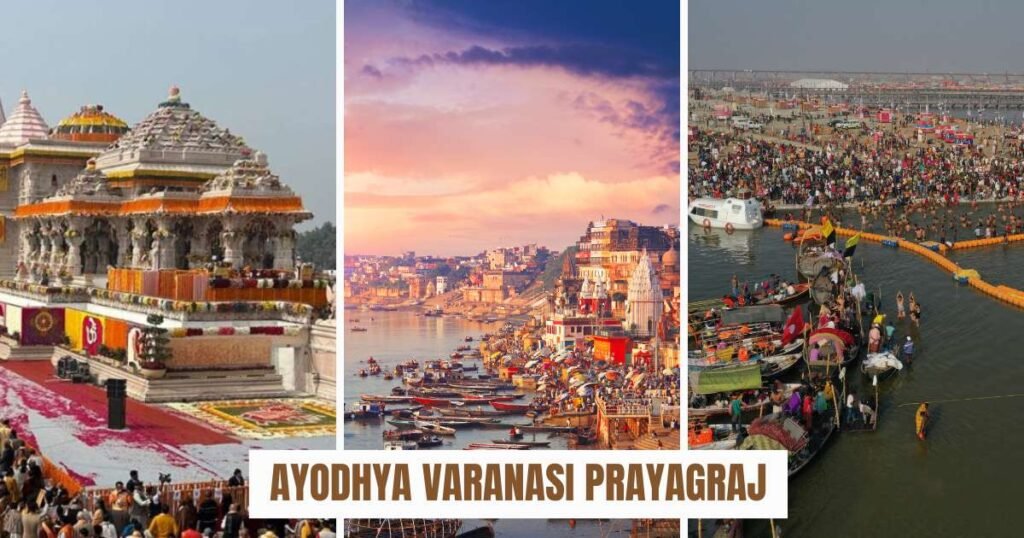
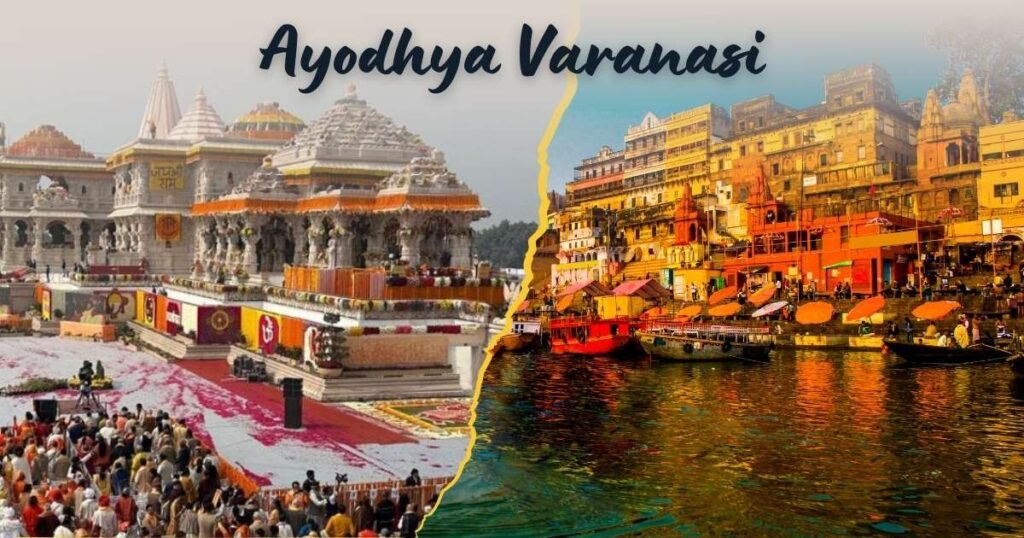
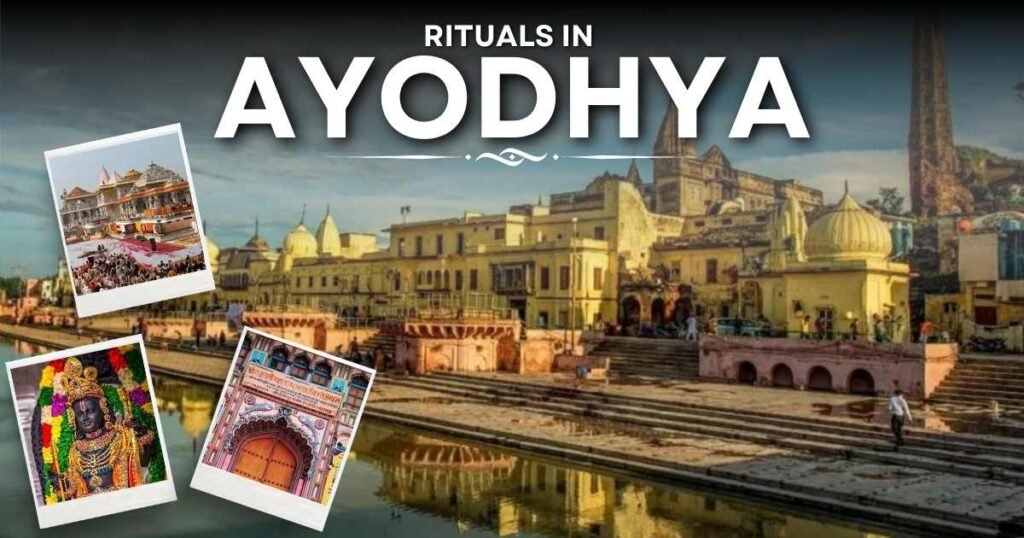
Leaving Braj changes the pace immediately. The Ayodhya Ram Mandir Varanasi Tour feels calmer by design. Ayodhya carries a steady devotional rhythm. Temple visits feel orderly, grounded, and quiet.
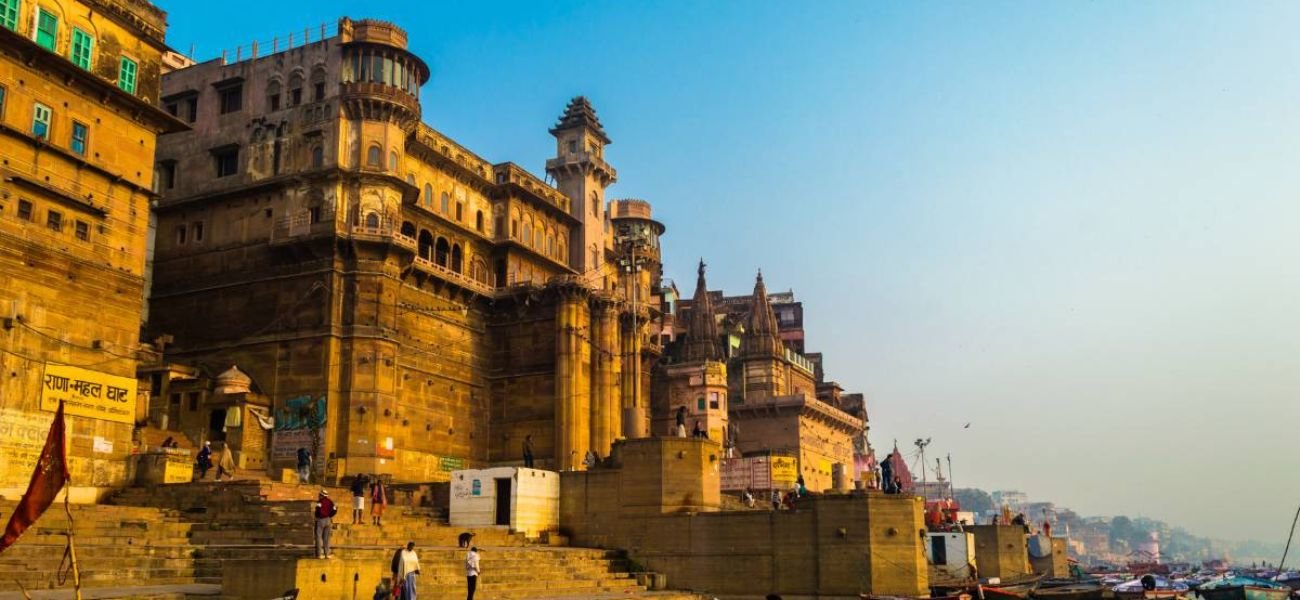
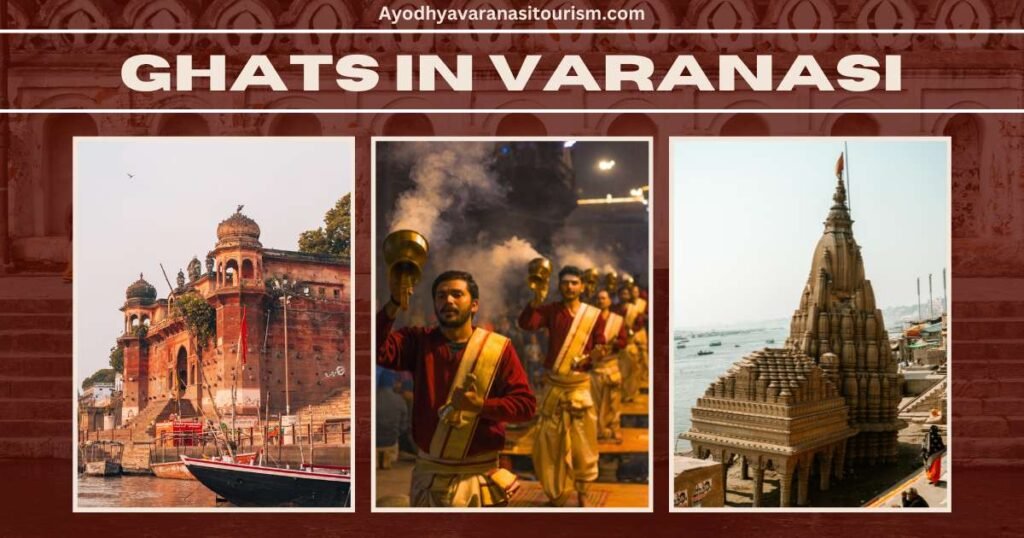
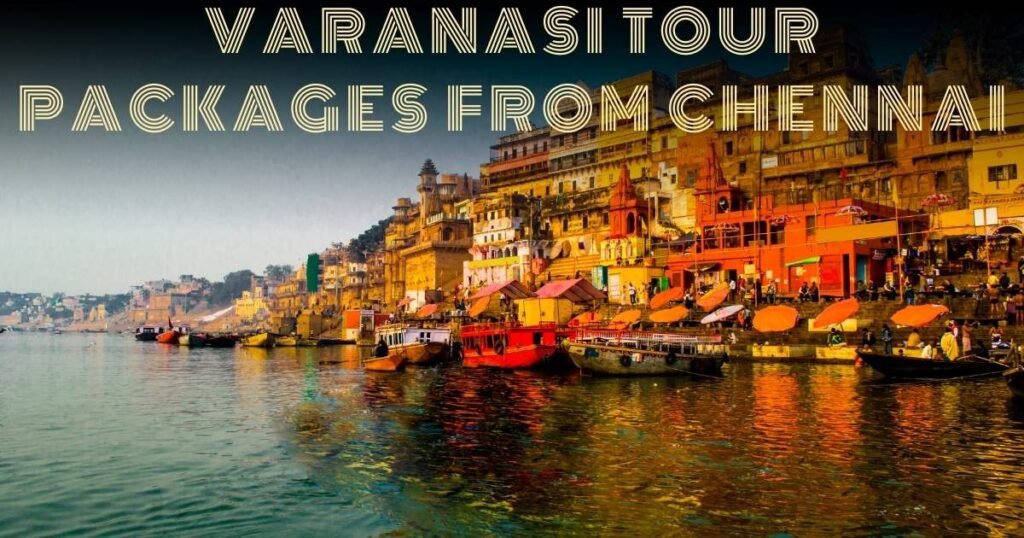
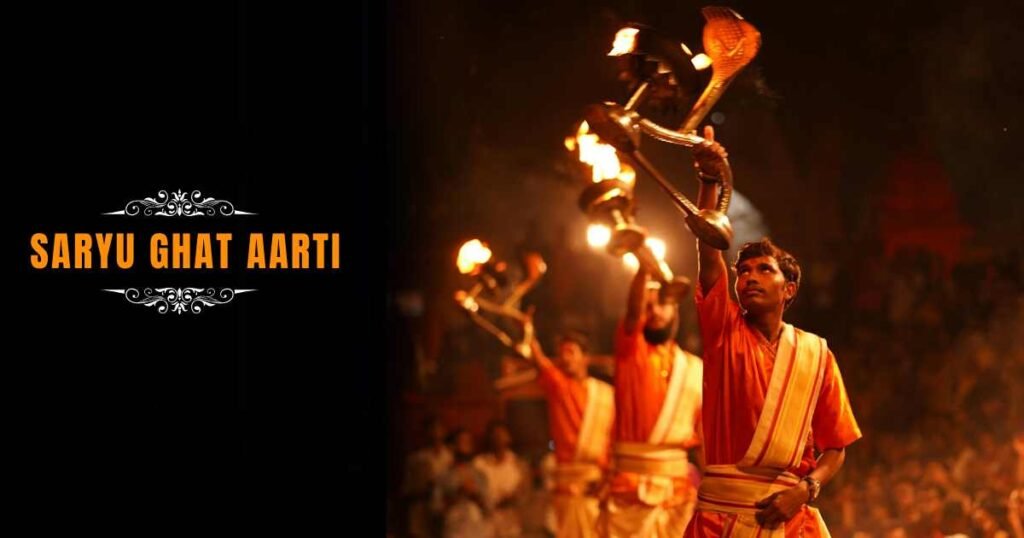
Varanasi follows with depth rather than colour. The Varanasi Ganga Aarti with Holi Tour becomes a soft closing moment. Lamps float on the river. Bells ring. The crowd stands still. Many travellers say this evening stays with them long after the journey ends.
Quiet planning support from Ayodhya Varanasi Tourism often helps travellers move through these intense days without feeling rushed, especially during peak Holi celebrations.
Holi Festival Tour Mathura Vrindavan – Practical Notes That Matter
A Holi Festival Tour Mathura Vrindavan requires patience. Early mornings are common. Crowds are unavoidable. Simple clothes, protected belongings, and an open mindset make the experience smoother. Staying close to celebration areas reduces daily travel stress.
Mathura Vrindavan Ayodhya Varanasi Tour – Who This Journey Is For
This journey suits travellers who want to feel Holi, not just see it. Families, solo travellers, and spiritual seekers often find their own rhythm here. The pace remains steady, with space to rest and observe.
Support from Ayodhya Varanasi Tourism quietly helps align festival days, temple visits, and travel logistics so the journey feels balanced rather than overwhelming.
Why These Ten Days Stay With You
A 10 Days Mathura Vrindavan Holi Tour Package with Ayodhya & Varanasi is not about collecting destinations. It is about staying long enough for places to leave a mark. Holi here is playful one day, exhausting the next, and deeply quiet after that.
When the colours finally fade, what remains is not just memory. It is a slower way of seeing places, and a deeper respect for why Braj celebrates Holi the way it does, year after year.
FAQs – 10 Days Mathura Vrindavan Holi Tour Package with Ayodhya & Varanasi
- What is included in the 10 Days Mathura Vrindavan Holi Tour Package with Ayodhya & Varanasi?
The package covers major Braj Holi celebrations, local sightseeing in Mathura and Vrindavan, festival days like Barsana, Nandgaon, Gokul, Holika Dahan, Dhulandi, along with visits to Ayodhya Ram Mandir and the evening Ganga Aarti in Varanasi. - Is this tour suitable for first-time Holi travellers?
Yes. The journey is paced slowly, with rest days and local guidance, making it comfortable even for those experiencing Holi in Braj for the first time. - Which Holi events are the main highlights of this tour?
Barsana Laddu Holi, Barsana Lathmar Holi, Nandgaon Holi, Phoolon Ki Holi in Vrindavan, Gokul Holi, Holika Dahan, and Dhulandi are all part of the experience. - Will Phoolon Ki Holi at Banke Bihari Temple be crowded?
Yes, it is one of the most crowded moments of the festival, but it is also brief and very controlled. Proper timing and patience make the experience smoother. - What kind of clothing should be worn during the Holi celebrations?
Simple cotton clothes, preferably old or light-coloured, are best. Footwear should be comfortable and washable, and valuables should be kept minimal. - Is the tour safe for families and senior travellers?
The tour is generally safe, especially when celebrations are attended with local coordination. Seniors can skip high-energy events and enjoy calmer days like Gokul, Ayodhya, and Varanasi. - How physically demanding is this Holi Festival Tour Mathura Vrindavan?
Some days involve walking and standing for long hours, especially in Barsana and Vrindavan. Other days are relaxed, balancing the overall journey. - What makes the Ayodhya and Varanasi part important in this tour?
After the intensity of Holi, Ayodhya and Varanasi offer calm, devotion, and reflection, giving emotional balance to the full journey. - Are accommodations close to Holi celebration areas?
Yes, stays are usually planned near major celebration zones to reduce travel time and avoid unnecessary fatigue during festival days. - Why choose this tour with Ayodhya Varanasi Tourism?
The experience benefits from thoughtful planning that aligns festival timings, temple visits, and travel days so the journey feels steady rather than overwhelming.