
There’s usually a quiet pause before people ask about money in Varanasi.
Not because they don’t care, but because the question feels awkward. Putting a cost to a city like Kashi can feel almost disrespectful. And yet, on the ground, unclear budgeting is one of the biggest reasons trips here feel rushed, tiring, or emotionally unsatisfying.
I’ve seen this again and again. The faith is strong. The intention is genuine. But when travellers don’t understand the real Varanasi trip cost, small decisions start creating pressure. Where to stay. When to move. Whether to rest or push through. Slowly, the city begins to feel heavy instead of grounding.
This guide is written the way I usually explain Varanasi costs to someone sitting beside me on the ghat steps in the early morning. No sales talk. No inflated numbers. Just what actually matters, what doesn’t, and how to spend in a way that protects the experience rather than controls it.
Table of Contents
ToggleVaranasi Trip Cost – A Realistic Starting Point
The first thing to accept is simple: Varanasi does not reward spending blindly.
You can visit the city on a very small budget or a fairly comfortable one, and still have a deeply meaningful experience. What changes is not devotion or access, but fatigue, confusion, and mental space.
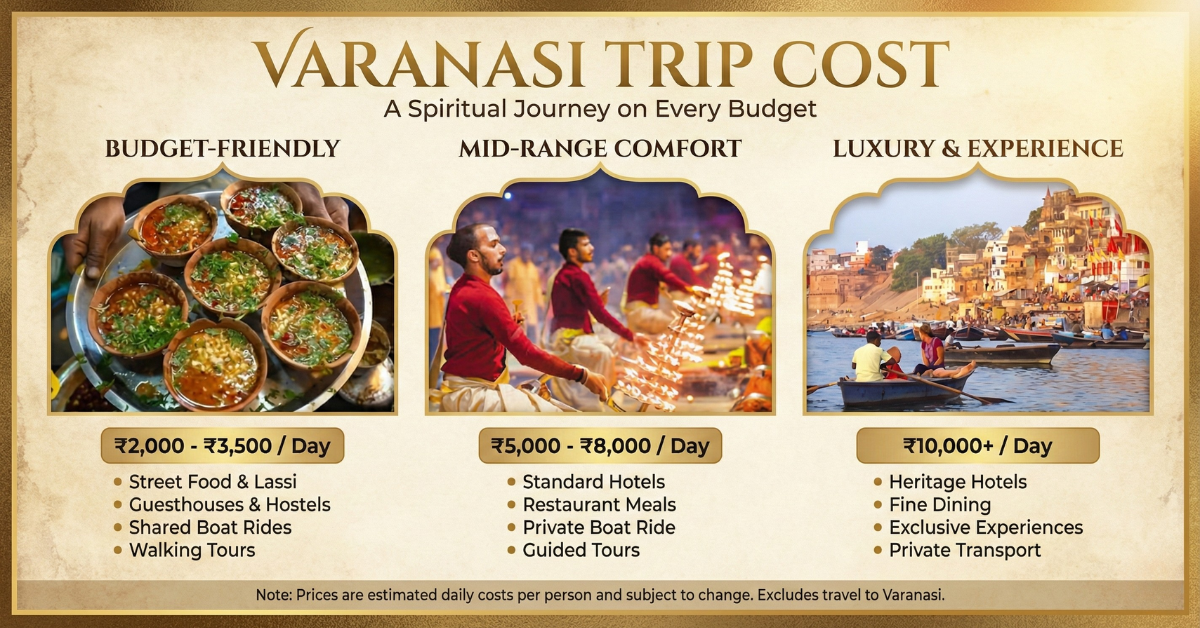
For most travellers, a realistic Varanasi trip cost for 3 days looks like this:
- Budget-focused trip: ₹8,000 – ₹12,000 per person
- Comfortable, well-paced trip: ₹15,000 – ₹20,000 per person
- Premium comfort with minimal strain: ₹25,000 – ₹35,000 per person
These figures usually include stay, food, local movement, boat rides, and temple-related expenses. Long-distance travel to Varanasi is additional and varies by city.
The important part is not choosing the cheapest option. It’s choosing the option that allows you to slow down without stress.
Understanding Varanasi Before You Calculate Expenses
Varanasi is not a city where money can remove all inconvenience.
Queues remain. Lanes stay narrow. Rituals follow their own time.
Where spending does help is in three very specific ways:
- reducing unnecessary physical exhaustion
- avoiding poorly timed movement
- creating space for rest when the city becomes overwhelming
Once you see costs through this lens, budgeting becomes clearer and calmer.
Travel Cost to Reach Varanasi
By Train
For most Indian travellers, trains remain the most practical choice.
- Sleeper to AC fares usually range from ₹600 to ₹2,500 one way
- Night trains save hotel cost and daytime energy
- Early morning arrivals fit temple timings naturally
Train travel keeps the overall Varanasi trip cost controlled, but only if tickets are booked well in advance, especially during festival months.
By Air
Flights reduce travel fatigue but raise the budget.
- Return airfare generally falls between ₹6,000 and ₹12,000
- Airport is around 45 minutes from the city
Flying makes sense when time is limited. It doesn’t improve the spiritual experience, but it does protect energy levels.
By Road
Long-distance road travel rarely works well for Varanasi. It adds tiredness without reducing expenses and often disrupts temple schedules.
Accommodation Cost in Varanasi
Where you sleep matters more here than people expect.
Budget Hotels and Dharamshalas
- ₹800 – ₹1,500 per night
- Simple, functional, often close to temples
- Crowded surroundings, basic comfort
These suit pilgrims who are used to simplicity and don’t mind noise or early mornings.
Mid-Range Hotels (Most Balanced Choice)
- ₹2,000 – ₹4,000 per night
- Cleaner rooms, better sleep, vehicle access
- Ideal for families and senior travellers
For most people, this range offers the best balance between cost and calm.
Premium Hotels
- ₹6,000 – ₹10,000 per night
- Quieter locations, more comfort
- Less fatigue, not more spirituality
Higher spending here buys rest, not deeper experiences.
Food Cost During a Varanasi Trip
Food in Varanasi is uncomplicated and affordable.
- Daily food expense usually stays between ₹300 and ₹700 per person
- Vegetarian meals are easy to find
- Heavy eating before darshan often causes discomfort
Experienced travellers eat lightly here. It keeps the body cooperative during long walks and queues.
Local Transport and Movement Costs
This is where planning quietly saves money and energy.
- E-rickshaws and autos: ₹50 – ₹200 per ride
- Full-day local cab: ₹2,000 – ₹3,000
- Walking is unavoidable in the old city
Trying to save small amounts here often leads to confusion and extra walking. Reliable local transport reduces exhaustion more than it increases cost.
Temple-Related Expenses
Most major temples in Varanasi do not charge entry fees.
Small expenses include:
- Shoe counters: ₹10 – ₹30
- Prasad and offerings: ₹50 – ₹300
- Optional rituals with priests: variable
There is no requirement to spend more for meaningful darshan. Simple offerings are completely acceptable.
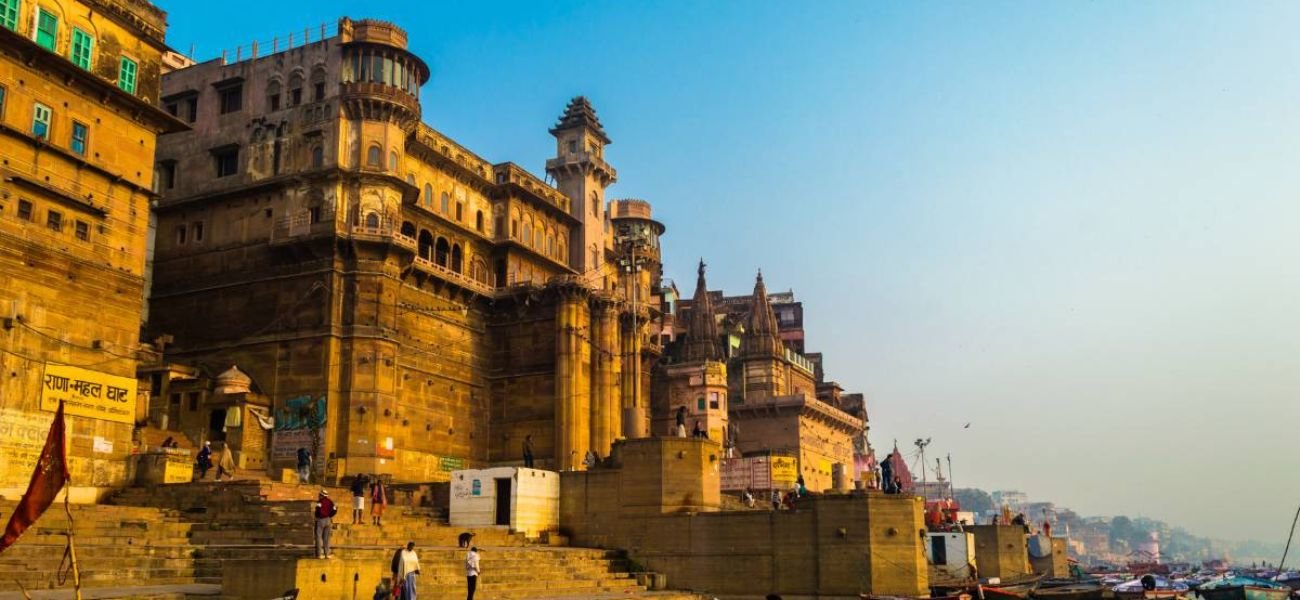
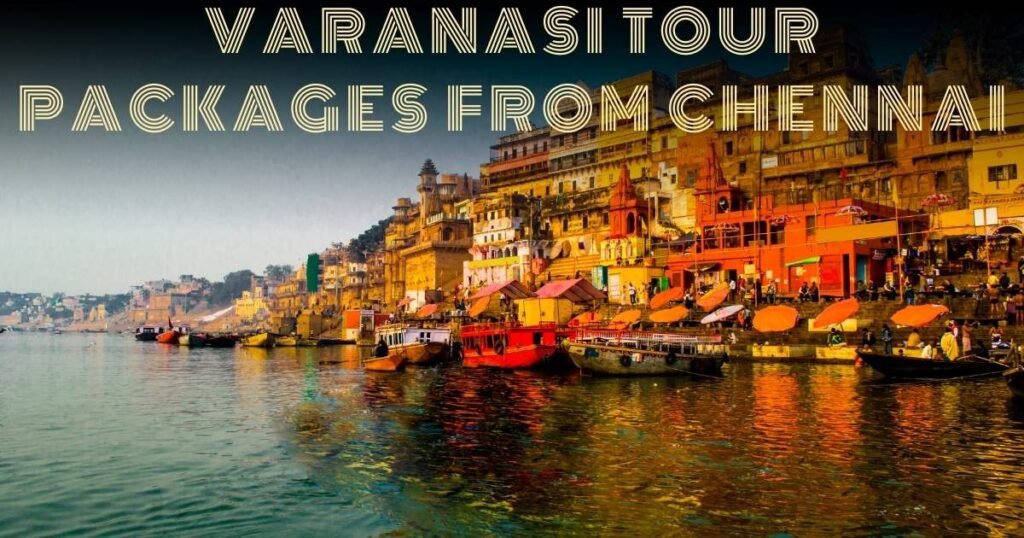
Boat Ride and Ghat Experience Cost
- Shared sunrise boat ride: ₹150 – ₹300 per person
- Private boat: ₹1,000 – ₹2,000
Rowboats cost more but offer silence. Motorboats are cheaper but noisy. The choice affects mood more than budget.
How Festivals Change Varanasi Trip Cost
During major events like Mahashivratri or Dev Deepawali:
- Hotel prices rise by 20–40%
- Transport becomes harder to arrange
- Overall costs increase, but so does intensity
Festivals add emotional depth but demand patience, advance planning, and slightly higher budgets.
Realistic Total Varanasi Trip Cost for 3 Days
For a calm, properly paced experience, most travellers spend:
₹15,000 – ₹20,000 per person (excluding flights)
This usually includes:
- mid-range accommodation
- local transport
- food
- boat ride
- temple visits
This range keeps the journey settled rather than rushed.
Planning Support Partner
Many people believe controlling the Varanasi trip cost is about cutting expenses. In reality, it’s about cutting friction.
Knowing when spending a little more saves hours of standing. Knowing when extra spending changes nothing at all. That understanding comes only from on-ground experience.
As a planning support partner, Ayodhya Varanasi Tourism focuses on realistic pacing, transparent budgeting, and decisions that protect the spiritual flow instead of disturbing it. The aim is not luxury, but clarity.
Planning Support Partner
Many travellers underestimate how emotionally tiring this circuit can be. Managing temple timings, crowd surges, and intercity transfers on your own often distracts from the spiritual purpose.
As a planning support partner, Ayodhya Varanasi Tourism helps travellers move through this yatra calmly. Not by overloading schedules, but by understanding when to pause, when to move, and when to simply wait. That quiet planning makes the journey feel complete rather than exhausting.
Contact Ayodhya Varanasi Tourism Today:
Call Us: +91 7300620809
WhatsApp Us: +91 7300620809
Visit Our Website: Ayodhya Varanasi Tourism
Email: ayodhyavaranasitourism@gmail.com
FAQs – Varanasi Trip Cost
Most travellers spend between ₹15,000 and ₹20,000 per person, excluding flights. This allows comfortable stay, local transport, and proper rest.
Yes. A simple trip can be managed within ₹8,000–₹10,000 by choosing basic accommodation and train travel.
Costs rise during major festivals due to demand, mainly for hotels and transport. Temple entry remains free.
Not really. Timing matters far more than money. Early mornings are calmer regardless of budget.
₹300–₹700 per day is sufficient for clean, local vegetarian meals.
Not compulsory, but a sunrise boat ride adds perspective and calm to the experience.
Sometimes, but comfort is often better slightly away from the ghats, especially for families.
No. Most travellers prefer self-paced darshan with basic planning guidance.
Yes. Shared rooms and transport lower per-person expenses.
Saving money but exhausting yourself. Fatigue is the most expensive mistake in Varanasi.
Conclusion
Understanding the Varanasi trip cost is not about minimising expenses. It’s about protecting the experience. When your budget supports rest, timing, and calm movement, Kashi responds differently.
Spend where it reduces strain. Save where it doesn’t matter.
Varanasi has never demanded extravagance. It asks only for balance.
When cost stops creating anxiety, the city stops feeling overwhelming. And that’s usually when people realise they’ve arrived, not just physically, but inwardly as well.