
If you’ve ever tried planning a trip between Varanasi and Ayodhya, one thing becomes clear very quickly. Different websites show different distances, different train timings, and honestly, it gets confusing after a point. Some people say it’s an easy same-day journey, while others make it sound like a full travel day. The reality sits somewhere in between and it mostly depends on how you travel.
The good thing is that this route has become much smoother now compared to a few years ago. Better highways, improved rail connectivity, and increasing pilgrimage travel after the opening developments around Shri Ram Janmabhoomi Temple have made the entire stretch more active and easier to navigate. Still, there are small details most travelers miss, especially first-time visitors coming for a spiritual trip instead of a regular holiday.
Table of Contents
ToggleOverview: Varanasi to Ayodhya Distance
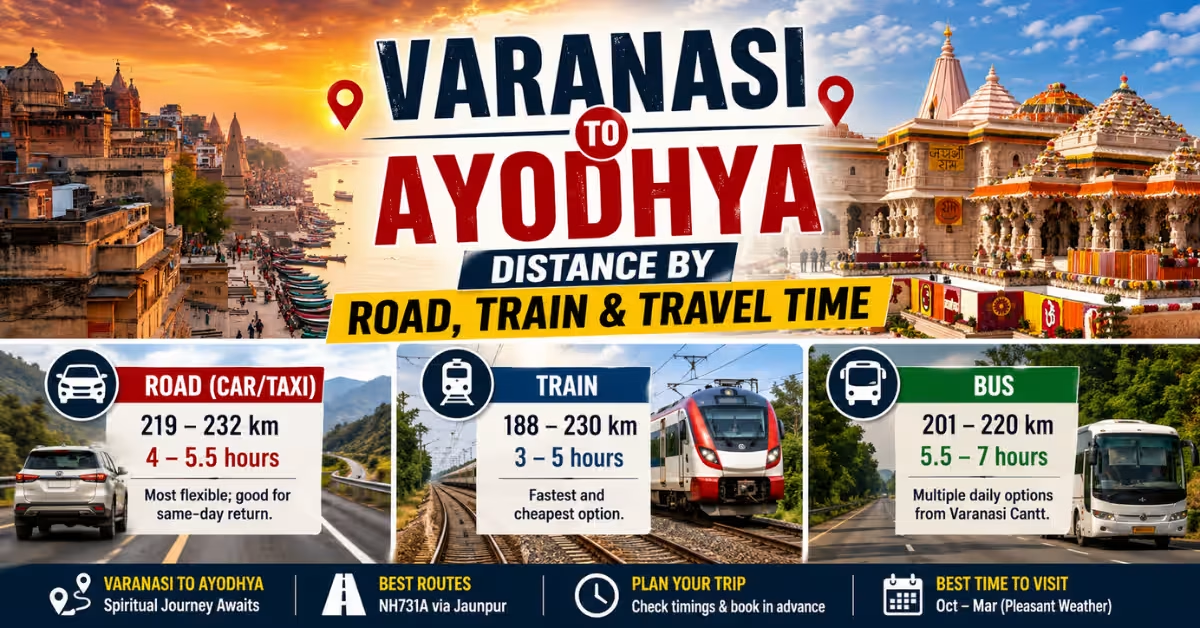
| Mode of Transport | Distance (Approx.) | Travel Time | Best For |
| Road (Car/Taxi) | 219–232 km | 4–5.5 Hours | Flexible sightseeing |
| Train | 188–230 km | 3–5 Hours | Fastest and budget-friendly |
| Bus | 201–220 km | 5.5–7 Hours | Affordable travel |
| Flight + Road | Not practical directly | Longer overall | Not recommended |
The actual Varanasi to Ayodhya Distance changes slightly depending on:
- Road route selected
- Railway track alignment
- Pickup location inside Varanasi
- Final destination area in Ayodhya
For example, reaching near Ayodhya Dham Railway Station takes less time compared to going deep inside the temple corridor during heavy crowd days.
What Most Travelers Don’t Realize About This Route
On maps, the journey looks pretty simple. Just around 200 km. But this is one of those North Indian spiritual routes where timing matters more than distance.
Leaving Varanasi after 8:30 AM on weekends or festival days can easily add an extra hour because city traffic near Cantt, Lahartara and highway exits becomes packed with buses and local vehicles. During months like October, November, December and around festivals such as Ram Navami or Diwali, crowd movement increases heavily.
At the same time, an early morning departure changes the whole experience. Roads feel calmer, dhabas are less crowded, and you actually enjoy the drive instead of calculating arrival delays every 20 minutes.
That’s something regular travelers quietly learn after doing this route once.
Varanasi to Ayodhya Road Trip Distance
The average Varanasi to Ayodhya Road Trip Distance falls between 219 km and 232 km, depending on the route you choose.
Common Road Routes
| Route | Approx Distance | Estimated Time |
| Varanasi – Jaunpur – Sultanpur – Ayodhya | 220 km | 5 Hours |
| Varanasi – Prayagraj Highway Link Route | 230 km | 5.5 Hours |
| Via NH731 & Purvanchal Connectivity Roads | 219 km | 4.5–5 Hours |
Most taxi drivers and tour operators prefer the Jaunpur–Sultanpur route because:
- Roads are comparatively smoother
- Better food stops available
- Fuel stations are frequent
- Less confusing diversions
Still, road conditions can suddenly slow down near small town crossings. Local market areas around Sultanpur sometimes become bottlenecks during evening hours.
Road Journey Feels Different During Early Morning Travel
This part usually doesn’t get discussed enough.
If you leave around 4:30 AM to 5:30 AM, the road journey feels surprisingly peaceful. You cross the outer edges of Varanasi before heavy movement starts, and by sunrise, you’re already cruising through open highway stretches.
But afternoon departures are another story entirely.
Heat during May and June, combined with bus traffic and local market congestion, can make the same route feel much longer than it actually is. Familyes traveling with older passengers often underestimate this.
So if someone asks for the Best Route from Varanasi to Ayodhya by Road & Rail, the honest answer is not only about roads or trains. Timing matters equally.
Best Route from Varanasi to Ayodhya by Road & Rail
Choosing the Best Route from Varanasi to Ayodhya by Road & Rail depends on what kind of traveler you are.
Choose Road Travel If:
- You want flexibility
- You plan temple stops on the way
- Traveling with family or older members
- You prefer private comfort
- Same-day return is planned
Choose Train Travel If:
- Budget matters
- You want faster travel
- Solo or couple travel
- Avoiding highway fatigue
- Visiting during festival rush
Interestingly, many experienced pilgrims now combine both. They travel by train one way and return by road. It sounds unnecessary initially, but after spending hours in temple queues, avoiding a tiring return drive actually feels sensible.
Ayodhya to Varanasi Travel Time by Train
Train connectivity between Varanasi and Ayodhya has improved significantly in recent years.
The average Ayodhya to Varanasi Travel Time by Train ranges between:
- 3 Hours
- 5 Hours
depending on:
- Train category
- Number of halts
- Route priority
- Festival crowd pressure
Popular Railway Stations
| City | Main Stations |
| Varanasi | Varanasi Junction (BSB), Banaras Station, Pt. Deen Dayal Upadhyay Junction |
| Ayodhya | Ayodhya Dham Junction, Ayodhya Cantt |
Why Train Travel Is Preferred
- Lowest travel cost
- Predictable timing
- Avoids highway delays
- Easier during monsoon season
- Good option for older citizens
Still, there’s one thing people usually don’t notice until the journey day itself. Even if the train reaches on time, local movement near Ayodhya Dham Station can become slow during peak pilgrimage hours. Sometimes auto-rickshaw waiting lines become longer than expected.
That’s why reaching early morning is often smarter than afternoon arrival.
Bus Travel Between Varanasi and Ayodhya
Bus services are available daily from:
- Varanasi Cantt
- Private bus operators
- Nearby highway boarding points
Bus Travel Overview
| Bus Type | Approx Fare | Time Taken |
| Non-AC Bus | ₹350–₹600 | 6–7 Hours |
| AC Sleeper | ₹700–₹1200 | 5.5–6.5 Hours |
| Private Volvo | ₹1000+ | 5–6 Hours |
Bus journeys work well for budget travelers, although overnight buses sometimes arrive late because of highway diversions or local stops.
Honestly, unless budget is the main priority, most families prefer train or private cab travel on this route.
Crowd Reality Near Ayodhya That Travelers Often Underestimate
After the temple developments, Ayodhya has changed rapidly. Crowd movement is now much larger than many old travel blogs still mention.
Weekends especially feel different.
Areas near:
- Ram Path
- Hanuman Garhi
- Shri Ram Janmabhoomi Temple
- Ayodhya Dham Railway Station
can remain crowded from morning onward.
The interesting thing is that the city becomes calmer again after late evening aarti timings. That’s when many travelers finally feel the spiritual side of Ayodhya instead of only managing queues and barricades.
Best Time to Travel from Varanasi to Ayodhya
| Month | Travel Experience |
| October – February | Best weather and comfortable road travel |
| March – April | Moderate heat, festival crowd increases |
| May – June | Very hot daytime travel |
| July – September | Monsoon delays possible |
Ideal Departure Timing
- Road: Before 6 AM
- Train: Early morning trains preferred
- Bus: Overnight buses save daytime hours
Winter mornings can get foggy around December and January, though. Road visibility occasionally slows highway movement.
Main Information Travelers Usually Search First
Approx Fuel Cost by Car
| Vehicle Type | Estimated Fuel Expense |
| Hatchback | ₹1400–₹1900 |
| Sedan | ₹1800–₹2500 |
| SUV | ₹2500–₹4000 |
Toll Charges
Approximate toll expense:
- ₹250–₹500
depending on vehicle category and selected route.
Same-Day Return Possible?
Yes, but only if:
- Departure is early morning
- Temple visit is planned efficiently
- Crowd level is moderate
Otherwise, staying overnight in Ayodhya feels much less tiring.
Planning Support Partner
Travel planning between Varanasi and Ayodhya looks easy on paper, but small mistakes usually create unnecessary delays. Hotel location, darshan timing, station selection, and even which side of the city you enter from can affect the entire day. That’s why many travelers now prefer taking guidance from experienced local planners like Ayodhya Varanasi Tourism, especially for family trips, temple circuits, same-day journeys and customized spiritual tours where timing and comfort matter more than simply covering distance.
Contact Ayodhya Varanasi Tourism Today:
Call Us: +91 7300620809
WhatsApp Us: +91 7300620809
Visit Our Website: Ayodhya Varanasi Tourism
Email: ayodhyavaranasitourism@gmail.com
How to Reach Ayodhya from Varanasi
By Car or Taxi
- Most flexible option
- Ideal for families
- Direct temple access possible
- Good for multiple stopovers
By Train
- Cheapest and fastest
- Multiple daily trains available
- Suitable for solo travelers and couples
By Air
There is no practical direct air route between Varanasi and Ayodhya because the distance is relatively short. Road or train travel remains more convenient.
Nearest airports:
- Lal Bahadur Shastri International Airport, Varanasi
- Maharishi Valmiki International Airport, Ayodhya
Small Things That Actually Improve the Journey
A few practical habits quietly make this trip smoother:
- Carry light snacks during road travel
- Avoid reaching Ayodhya during afternoon peak crowd
- Keep digital and printed ID proof
- Wear comfortable footwear for temple walking
- Pre-book hotels near main temple zones during weekends
And honestly, don’t rush the experience too much.
People often try covering everything quickly because the Varanasi to Ayodhya Distance doesn’t seem very large on paper. But spiritually, both cities feel emotionally heavy in very different ways. One moves slowly around ancient ghats and silence, while the other feels charged with devotion and movement almost every hour of the day.
That contrast stays with many travelers much longer than the actual road journey itself.
FAQs for – Varanasi to Ayodhya Distance
The average Varanasi to Ayodhya Distance by road is around 219 km to 232 km, depending on the route you choose and your final drop location inside Ayodhya.
Travel time usually ranges between 4 to 5.5 hours by road and 3 to 5 hours by train. However, festival crowds and highway traffic can increase the total journey time.
Train travel is generally considered the fastest and most economical option. Several trains between Varanasi Junction and Ayodhya Dham Junction complete the journey in nearly 3-4 hours.
Yes, a same-day trip is possible if you leave early in the morning. Most travelers prefer starting before 6 AM to avoid traffic and get enough time for temple darshan.
The most commonly used route via Jaunpur and Sultanpur covers nearly 220 km and is considered smoother compared to some alternate routes.
Ayodhya Dham Junction is usually more convenient for travelers visiting Shri Ram Janmabhoomi Temple, Hanuman Garhi and nearby religious sites.
Private taxi charges generally start from around ₹4500 and can go beyond ₹9000, depending on the vehicle type, season and return plan.
The best time is between October and February because the weather stays pleasant for both road journeys and temple visits. Summer afternoons can feel exhausting, especially during heavy crowd days.
In many cases, yes. Train travel feels less tiring for older citizens, especially during peak summer months. Still, travelers who want flexible temple stops often prefer private cab journeys.
Most experienced travelers recommend reaching before 9 AM. After that, crowd movement near Ram Path and the main temple area usually becomes much heavier, particularly on weekends and festival dates.