
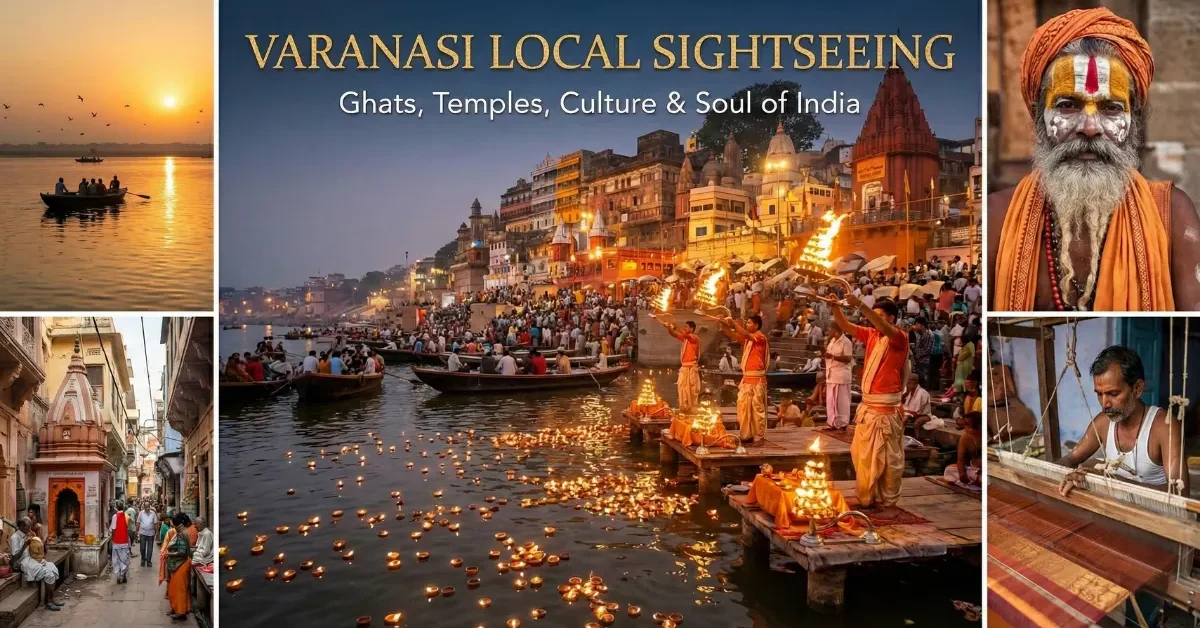
There are cities you visit, and then there are cities you slowly enter. Varanasi Local Sightseeing feels less like ticking off places and more like spending a day inside a living rhythm. Mornings arrive with temple bells and soft light on the Ganga. Afternoons move through lanes where time feels paused. Evenings gather everyone back at the river.
This is not a city you rush. A local sightseeing day works best when you accept that plans will bend slightly. Aarti may start late. A lane may be blocked. A conversation with a boatman may last longer than expected. That is exactly how Banaras introduces itself.
Table of Contents
ToggleVaranasi City Sightseeing Tour – How the Day Naturally Unfolds
A Varanasi City Sightseeing Tour usually begins early. Dawn matters here. The ghats look completely different before the crowds arrive. Boat rides at sunrise are calm, almost meditative, and they quietly prepare you for everything that follows.
By late morning, the city becomes busier. This is when temple visits, walking tours, and heritage spots fit best. Afternoon slows down, and evenings bring everyone back to the river again.
If you are planning with locals or through Ayodhya Varanasi Tourism, the day is paced to let the city breathe rather than compress everything into hours.
Kashi Local Sightseeing – Temples That Shape the City
Kashi Local Sightseeing is inseparable from temples. They are not isolated monuments here. They are part of daily life.
The spiritual center remains Kashi Vishwanath Temple. Darshan here often involves queues, security checks, and waiting, but the atmosphere stays grounded. Nearby, smaller temples appear at every turn, each with its own rhythm and regular devotees.
A Varanasi Temple Tour usually includes:
- Kashi Vishwanath Temple
- Annapurna Temple
- Sankat Mochan Hanuman Temple
- Kalbhairav Temple
The experience changes based on timing. Early morning and late evening visits feel calmer than midday.
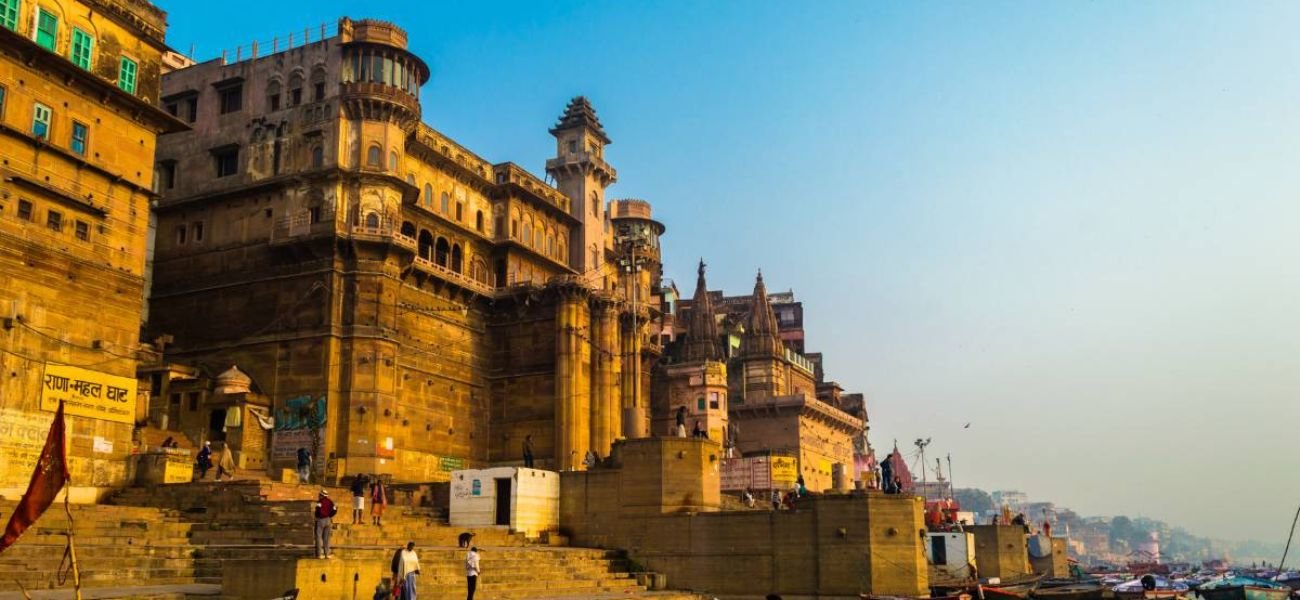
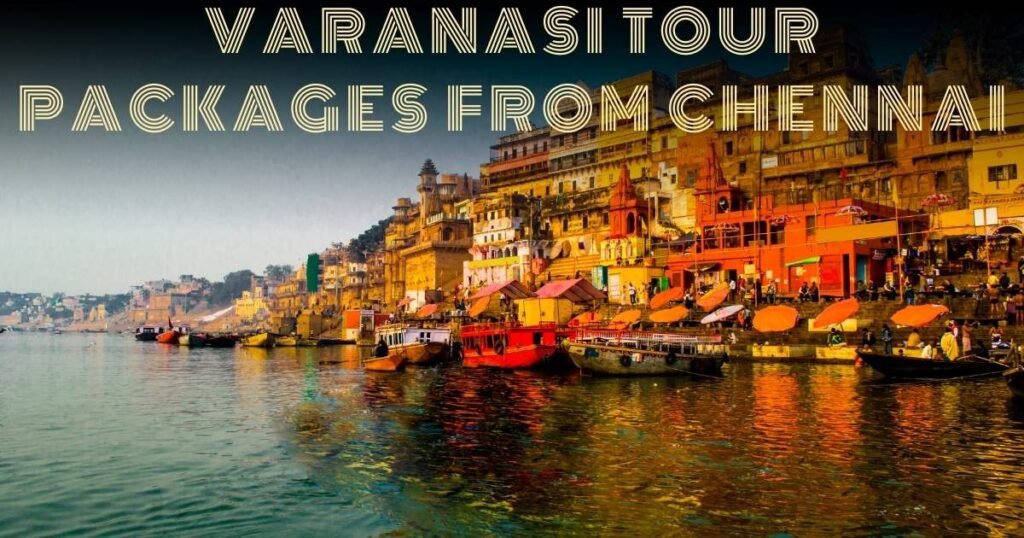
Varanasi Ghat Sightseeing – The City Facing the River
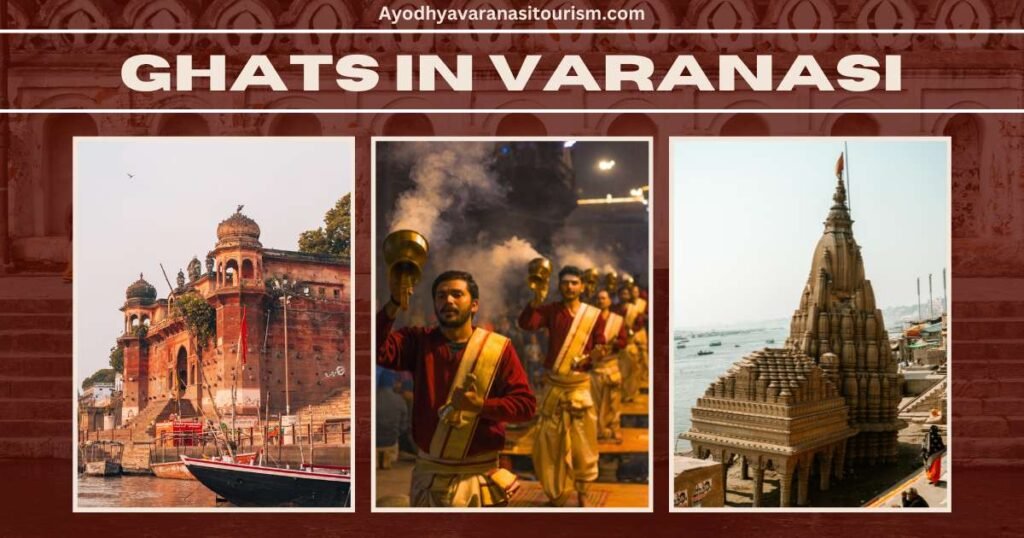
No part of Varanasi Ghat Sightseeing feels staged. Each ghat has a function and a mood.
Dashashwamedh Ghat stays active all day. Priests, pilgrims, photographers, and vendors share the space naturally. Assi Ghat feels younger, quieter in the mornings, and relaxed in the evenings. Manikarnika Ghat reminds visitors that life and death coexist openly in Kashi.
Walking along the ghats teaches you more than guidebooks. Sit for a while. Watch rituals unfold without trying to understand everything.
Ganga Aarti Sightseeing Varanasi – Evening That Pulls Everyone Together
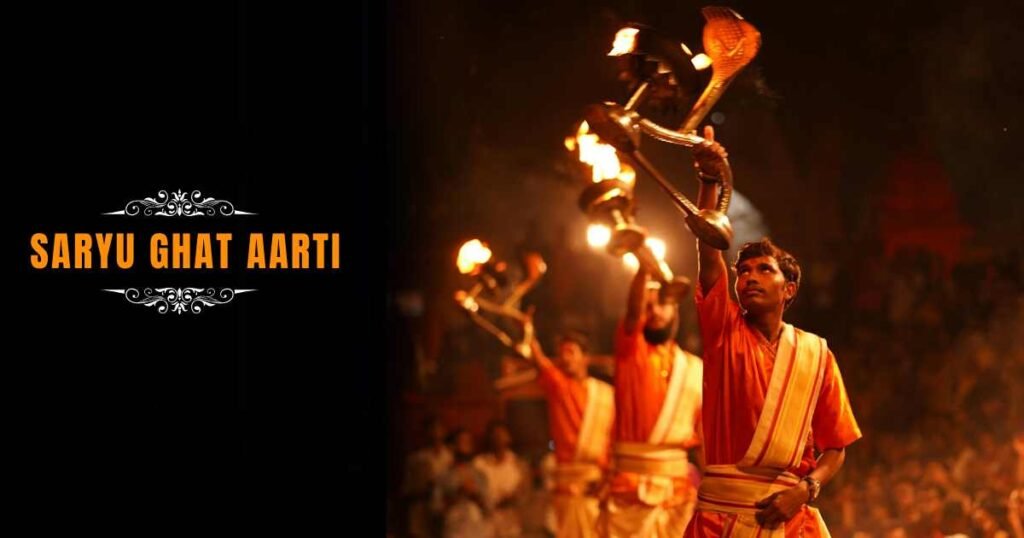
Ganga Aarti Sightseeing Varanasi is not about spectacle alone. It is about participation. Thousands gather, locals and visitors together, all facing the river.
The aarti at Dashashwamedh Ghat is the most attended. Lamps rise, conch shells sound, and the river reflects fire and chants. Watching from the ghat or from a boat offers different perspectives, both meaningful.
Arriving early helps. Space fills quickly, especially during festivals or weekends.
Banaras Local Tour – Streets, Lanes, and Small Discoveries
A Banaras Local Tour works best on foot. The lanes near Vishwanath Gali, Thatheri Bazaar, and Godowlia reveal daily life more than landmarks.
You may pass silk shops, sweet sellers, flower vendors, and tiny shrines sharing walls with homes. This is where the city feels most honest.
Street food becomes part of sightseeing here. Simple things like kachori-sabzi, tamatar chaat, and lassi are pauses, not distractions.
Varanasi One Day Sightseeing – What Actually Fits Comfortably
A realistic Varanasi One Day Sightseeing plan includes:
- Sunrise boat ride and ghats
- Temple visits till late morning
- Sarnath in the afternoon
- Evening Ganga Aarti
Trying to add more often leads to fatigue. Varanasi rewards slower movement.
With local planning support from Ayodhya Varanasi Tourism, routes are adjusted based on traffic, crowds, and temple timings rather than fixed schedules.
Sarnath Local Sightseeing – Quiet Contrast to the City
After the intensity of the ghats, Sarnath Local Sightseeing feels open and calm. Located a short drive away, Sarnath offers space to walk, reflect, and slow down.
Key spots include:
- Dhamek Stupa
- Mulagandha Kuti Vihar
- Archaeological Museum
Sarnath works well in the afternoon when the main city feels crowded and warm.
Varanasi Temple Tour – Practical Tips That Help
A smooth Varanasi Temple Tour depends on preparation:
- Dress modestly
- Keep belongings minimal
- Follow local instructions patiently
- Avoid peak hours if possible
VIP darshan options exist but availability changes. Local guidance makes a difference.
Why Local Guidance Matters in Varanasi
Varanasi does not work on fixed rules. Roads close suddenly. Processions appear without notice. Temple timings shift.
That is why many travelers rely on Ayodhya Varanasi Tourism for local sightseeing. The value is not speed, but judgment. Knowing when to wait and when to move keeps the experience balanced.
Varanasi Local Sightseeing – A Day That Stays With You
At the end of the day, Varanasi Local Sightseeing leaves you with fragments rather than summaries. A chant heard from a boat. A priest smiling mid-ritual. A quiet moment on stone steps beside the river.
This is not a city you finish. It is a city you carry with you, long after the last aarti lamp fades into the Ganga.
FAQs –Varanasi Local Sightseeing
1. What is included in Varanasi Local Sightseeing?
Varanasi Local Sightseeing usually covers major ghats, important temples, a short city walk through old lanes, evening Ganga Aarti, and a visit to Sarnath. The exact flow depends on time, crowds, and temple access.
2. Is one day enough for Varanasi Local Sightseeing?
One day is enough to experience the essence if planned well. A sunrise boat ride, temples till noon, Sarnath in the afternoon, and Ganga Aarti in the evening make a balanced one-day plan.
3. What is the best time to start a Varanasi City Sightseeing Tour?
Early morning is ideal. Starting around sunrise helps avoid crowds at ghats and gives a calmer experience at temples before the city becomes busy.
4. Are temple darshan queues very long in Varanasi?
Yes, especially at major temples. Waiting time depends on the day, season, and festival dates. Early morning and late evening usually have shorter queues.
5. How much walking is involved in a Banaras Local Tour?
Quite a bit. Many old city lanes are not accessible by vehicles. Comfortable footwear is important, as walking is part of the real Banaras experience.
6. Is Sarnath included in Varanasi One Day Sightseeing?
Yes, Sarnath is commonly included. It is usually visited in the afternoon when the main city feels crowded and warm, offering a quieter contrast.
7. What is the best way to watch Ganga Aarti Sightseeing Varanasi?
You can watch from the ghat steps or from a boat. Ghat viewing feels more immersive, while boat viewing offers a wider visual perspective. Arriving early is recommended.
8. What should I wear during Varanasi Temple Tour and ghat visits?
Modest, comfortable clothing is best. Light cotton clothes work well, especially in summer. Shoes need to be removed at temples, so easy footwear helps.
9. Is Varanasi Local Sightseeing suitable for elderly travelers?
Yes, with a relaxed pace. Some walking and steps at ghats are unavoidable, but routes can be adjusted to keep it comfortable.
10. Why is local planning important for Kashi Local Sightseeing?
Varanasi changes by the hour. Traffic diversions, temple timings, and crowd patterns shift daily. Local planning helps avoid stress and keeps the day smooth and meaningful.