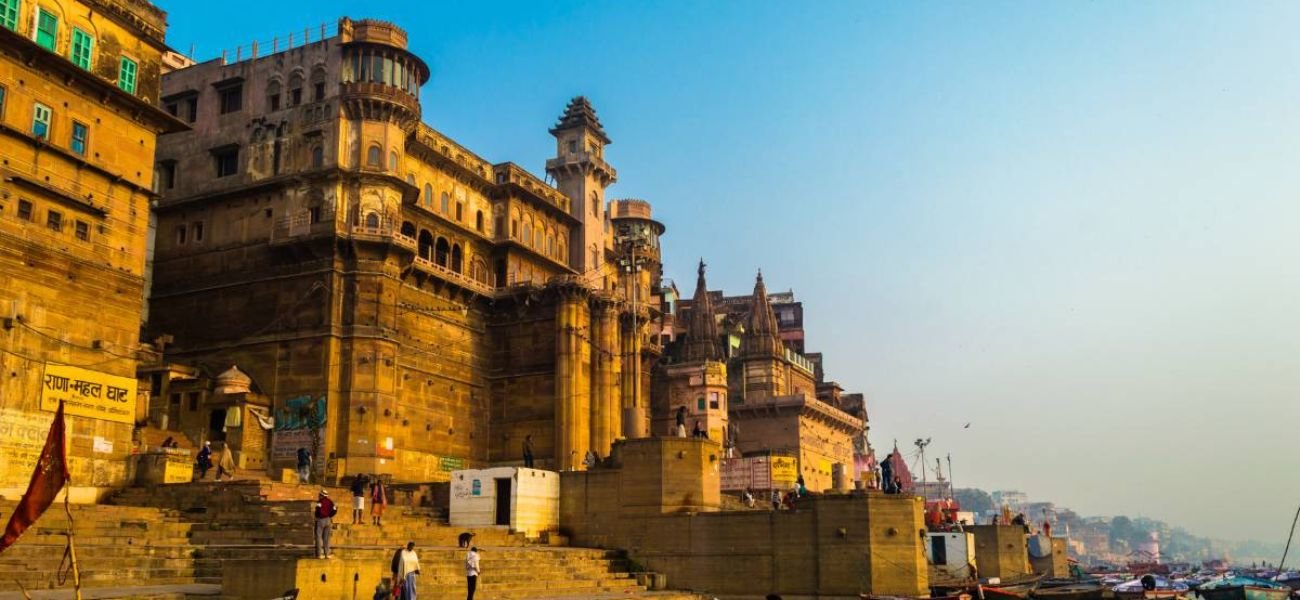


There’s a moment most people have when planning Ayodhya for the first time. You open Google, search for places to visit in Ayodhya, and suddenly there are dozens of names, temple timings, river ghats, and walking routes. It looks simple on the surface. In reality, it’s not.
Ayodhya doesn’t work like a checklist city. You can’t rush it. You can’t just hop from one temple to another and feel done. The experience depends on timing, pacing, and knowing which places deserve quiet attention and which can be visited briefly.
This guide walks through the top places to visit in Ayodhya, with realistic timings, crowd patterns, and small on-ground insights that actually help. Not theory. Not hype. Just what works.
About Ayodhya – More Than a City, Less Than a Crowd
Ayodhya doesn’t feel like a tourist city. It feels lived-in. Even now, with wider roads and improved facilities, the pace remains slow. Bells ring, not horns. People wait. Lines move patiently.
In my experience, travellers who enjoy Ayodhya most are the ones who stop trying to “cover everything.” Instead, they focus on a few meaningful places and allow time between visits. That’s when the city opens up.
Top 10 Places to Visit in Ayodhya (With Realistic Timings)
1. Shri Ram Janmabhoomi
This is the emotional core of Ayodhya. Everything else circles around it.
- Morning darshan: 6:30 AM – 11:30 AM
- Evening darshan: 2:00 PM – 7:00 PM
- Security checks: Mandatory and time-consuming
Darshan itself is brief, but the waiting becomes part of the experience. Surprisingly, early morning visits feel calmer despite the crowds.
Local Guide Tip: Phones are not allowed inside. Carry minimal items and arrive at least 45 minutes early.
Read More
Shri Ram Janmabhoomi, Ayodhya: Timings, History & VIP Darshan
Book Sugam/VIP Darshan and Aarti – Ayodhya Shri Ram Janmbhoomi 2026
2. Hanuman Garhi
A steep climb, but spiritually grounding.
- Opening time: 5:00 AM
- Closing time: 10:00 PM
Traditionally, pilgrims visit Hanuman Garhi before Ram Janmabhoomi. The energy here is strong, protective, almost reassuring.
I’ve found late afternoon visits easier, especially for senior travellers.
Read More
Hanuman Garhi Timing: Plan Your Visit to this Sacred Shrine
3. Kanak Bhawan
Quiet. Intimate. Often overlooked.
- Morning: 8:00 AM – 12:00 PM
- Evening: 4:30 PM – 9:00 PM
This temple feels personal rather than grand. The idols of Ram and Sita are beautifully adorned, and crowds remain manageable.
Honestly, this is where many people pause longer than planned.
Read More
Kanak Bhawan Timing: A Guide for Devotees
4. Saryu Ghat
Not a temple. Still essential.
- Open: All day
- Aarti time: Around sunset, 6:30 PM – 7:00 PM
The riverfront gives Ayodhya breathing space. Evening aarti here isn’t loud or dramatic. It’s gentle. Reflective.
Local Guide Tip: Sit for a while instead of clicking photos. That’s when the calm settles in.
Read More
Saryu Ghat Aarti Time – A Magical Evening in Ayodhya
5. Nageshwarnath Temple
Linked closely to Ram’s son, Kush.
- Morning: 6:00 AM – 12:00 PM
- Evening: 4:00 PM – 9:00 PM
Crowds are lighter here, even during peak season. It’s a good stop between larger temples.
Read More
Nageshwarnath Temple: Detailed Timings and Travel Guide
6. Dashrath Mahal
The palace of King Dashrath, Ram’s father.
- Opening hours: 8:00 AM – 12:00 PM | 4:00 PM – 9:00 PM
This place feels more narrative than ritualistic. Stories matter here. Children listen closely. Adults slow down.
Read More
Dashrath Mahal: Timings and Visitor Guide
7. Guptar Ghat
Less visited. More peaceful.
- Best time: Early morning or evening
- Open: All day
Guptar Ghat is believed to be the place where Lord Ram took Jal Samadhi. There’s silence here that feels intentional.
If your schedule allows, this is worth the detour.
8. Ramkatha Museum
For context, not devotion.
- Timings: 10:00 AM – 5:00 PM
- Closed: Mondays
This museum helps connect the dots between mythology, history, and art. It balances the emotional intensity of temple visits.
9. Tulsi Smarak Bhawan
Dedicated to Goswami Tulsidas.
- Morning: 10:00 AM – 1:00 PM
- Evening: 2:00 PM – 6:00 PM
Occasionally hosts Ramkatha recitations and cultural programs. Check schedules locally.
10. Mani Parbat
A quieter viewpoint with spiritual relevance.
- Best time: Early morning
- Open: Daytime hours
Climbing here takes effort, but the panoramic view gives perspective. Ayodhya looks softer from above.

Temple Timetable Snapshot (Quick Reference)
- Ram Janmabhoomi: 6:30 AM – 11:30 AM | 2:00 PM – 7:00 PM
- Hanuman Garhi: 5:00 AM – 10:00 PM
- Kanak Bhawan: 8:00 AM – 12:00 PM | 4:30 PM – 9:00 PM
- Nageshwarnath Temple: 6:00 AM – 12:00 PM | 4:00 PM – 9:00 PM
Timings may vary slightly during festivals.
Best Time to Visit Ayodhya
- October to March: Ideal weather, manageable crowds
- April to June: Hot, but doable with early starts
- Monsoon: Fewer tourists, unpredictable movement
Festivals like Ram Navami bring energy but also extreme crowds. Plan carefully.
How to Reach Ayodhya
By Air
- Ayodhya Maharishi Valmiki Airport
- Direct flights from Delhi and select cities
By Train
- Ayodhya Junction and Ayodhya Cantt
- Well-connected with Lucknow, Varanasi, Delhi
And By Road
- From Lucknow: ~135 km More Details
- From Varanasi: ~200 km More Details
Roads are smooth, but city traffic slows movement.
Why Ayodhya Varanasi Tourism Fits This Journey Well
Ayodhya trips fail when planning ignores timing. Darshan queues don’t follow clockwork. Roads slow down without warning. Temples close briefly during rituals.
Ayodhya Varanasi Tourism works best as a planning support partner rather than a schedule enforcer. The focus stays on pacing, realistic movement, and knowing where patience matters more than speed. That approach suits Ayodhya, where rushing often leads to frustration.
FAQs – Places to Visit in Ayodhya with Temple Timings
The most important places to visit in Ayodhya include Shri Ram Janmabhoomi, Hanuman Garhi, Kanak Bhawan, Saryu Ghat, and Dashrath Mahal. These sites cover both spiritual and historical aspects of the city. Most travellers comfortably explore them over one full day with proper timing.
Shri Ram Janmabhoomi Temple usually opens from 6:30 AM to 11:30 AM and again from 2:00 PM to 7:00 PM. Entry involves security checks, so reaching early is always better. Morning darshan feels calmer compared to evening hours.
Hanuman Garhi remains open from 5:00 AM to 10:00 PM throughout the day. Early morning visits are ideal if you want fewer crowds and a peaceful atmosphere. Evening hours are livelier but can get crowded, especially on weekends.
Kanak Bhawan is open from 8:00 AM to 12:00 PM in the morning and 4:30 PM to 9:00 PM in the evening. It’s one of the calmer temples in Ayodhya. Many visitors prefer late afternoon when the rush is lower.
Saryu Ghat is open all day, but the evening aarti usually happens around 6:30 PM to 7:00 PM, depending on sunset. Morning visits are quiet, while evenings feel more devotional. The ghat is ideal for slow, reflective time.
Nageshwarnath Temple generally opens from 6:00 AM to 12:00 PM and reopens in the evening from 4:00 PM to 9:00 PM. It is less crowded than major temples. This makes it suitable for relaxed darshan.
Dashrath Mahal is usually open from 8:00 AM to 12:00 PM and 4:00 PM to 9:00 PM. Visitors typically spend 30–45 minutes here. The palace is close to Ram Janmabhoomi, so it fits easily into the same route.
Guptar Ghat remains open throughout the day without fixed entry timings. Early morning and evening are the best times to visit. The place stays quieter than Saryu Ghat and feels more meditative.
The best time to visit Ayodhya is from October to March, when the weather stays pleasant. Temple visits are easier during these months. Summers can be very hot, while festivals bring heavy crowds.
Yes, most major places to visit in Ayodhya can be covered in one well-planned day. Starting early helps align with temple timings. However, if you prefer a slower pace, keeping two days is more comfortable.
Conclusion
Ayodhya doesn’t reward speed. It rewards attention.
When you understand which places to visit in Ayodhya, when to go, and where to pause, the city feels complete rather than overwhelming. You may not see everything. That’s fine. What stays with you is the stillness between temples, the silence at the ghats, and the slow rhythm of devotion that Ayodhya refuses to hurry.
Contact Ayodhya Varanasi Tourism Today:
Call Us: +91 7300620809
WhatsApp Us: +91 7300620809
Visit Our Website: Ayodhya Varanasi Tourism
Email: ayodhyavaranasitourism@gmail.com
Ayodhya Varanasi Tourism is a Unit of Experience My India
Experience My India trip advisor review – Click Here
Plan lightly. Walk patiently. Let the city meet you halfway.