
Some nights don’t pass like other nights.
They stay with you.
Maha Shivratri in Kashi is one of those nights. You don’t just witness it. You carry it home in your body—tired legs, dry throat, and a strange calm that doesn’t leave quickly.
When people talk about Maha Shivratri 2026 in Varanasi, they often focus on dates and puja timings. That part matters, of course. But if you’re coming to Kashi only with a checklist in hand, you’ll miss what actually makes this night sacred.
Let me explain it the way it unfolds on the ground, not the way it’s usually written.
Why Maha Shivratri Feels Heavier in Kashi
Kashi doesn’t prepare for Shiva.
Kashi exists because of Shiva.
According to belief, Lord Shiva resides here as Vishwanath—the one who watches everything, including time itself. On Maha Shivratri, that presence feels closer. Streets stay awake. Bells don’t stop. People move with purpose, not urgency.
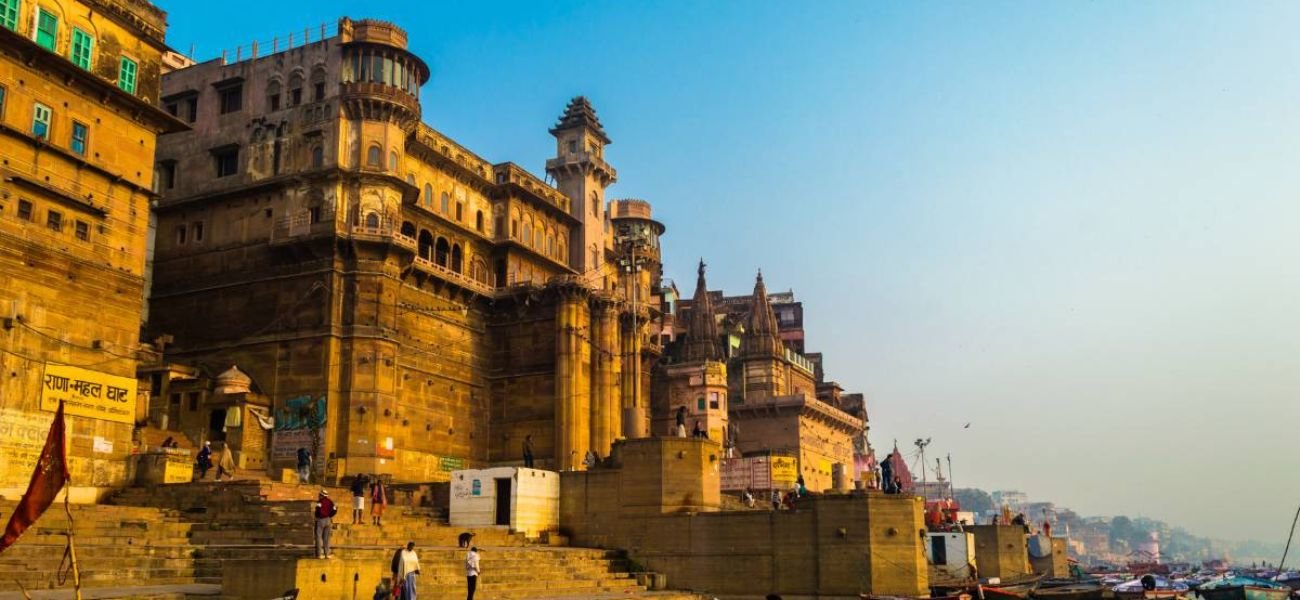
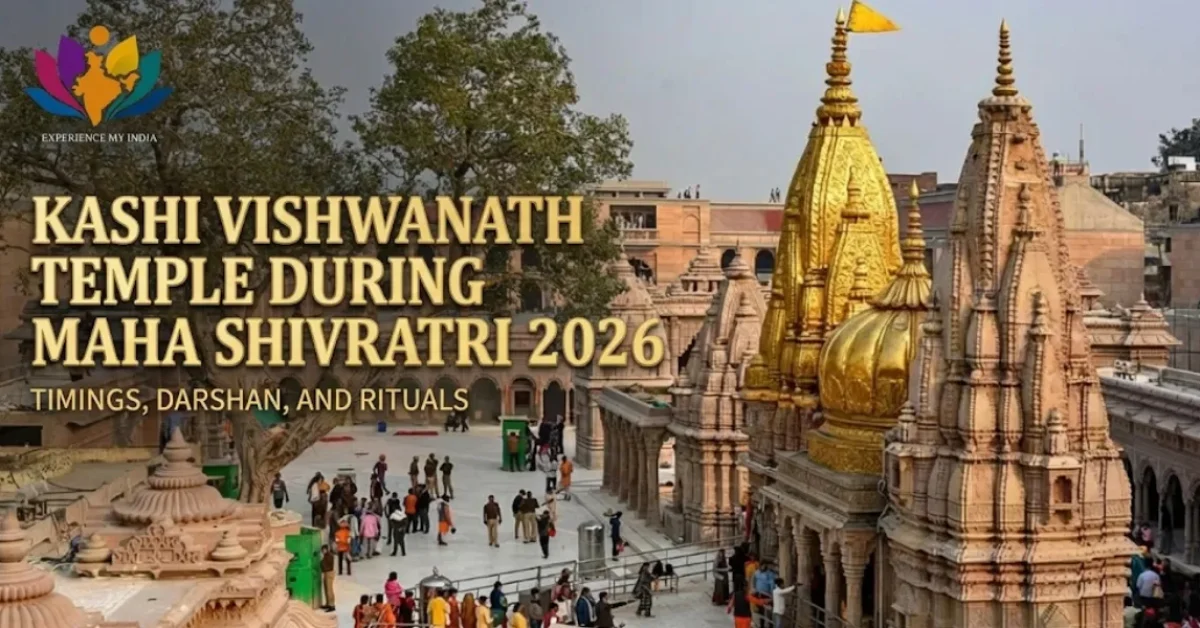
At the centre of it all stands Kashi Vishwanath Temple, not shining, not dramatic—just steady. During Maha Shivratri, the temple doesn’t feel like a monument. It feels like a heartbeat.
That’s why Maha Shivratri 2026 Kashi Vishwanath Temple celebrations are not about decoration or performance. They are about endurance, awareness, and waiting without complaint.
Maha Shivratri 2026 Date and Tithi (Clear and Simple)
Let’s get the essential details right first.
- Maha Shivratri Date: Sunday, February 15, 2026
Chaturdashi Tithi
- Begins: February 15, 2026, at 05:04 PM
- Ends: February 16, 2026, at 05:34 PM
This entire period is sacred for Shiva worship, but the night hours hold deeper meaning.
In Kashi, night worship isn’t symbolic. It’s practical. It’s physical. It asks you to stay awake, even when your body wants rest.
Nishita Kaal Puja – The Quiet Core of the Night
There’s one window during Maha Shivratri when everything slows down.
Nishita Kaal Puja Timings (2026)
- From: February 15, 2026 – 12:09 AM
- To: February 16, 2026 – 01:01 AM
This hour feels different. The crowds don’t thin, but they soften. Voices lower. People stop checking time. Many devotees say this is when they feel closest to Shiva—not because something dramatic happens, but because nothing does.
This is the emotional centre of Maha Shivratri 2026 rituals in Varanasi.
Understanding the Four Prahar Pujas in Kashi
Maha Shivratri night is divided into four Prahars. In Kashi, these aren’t theoretical divisions. They shape how the night breathes.
First Prahar Puja
06:11 PM – 09:23 PM (February 15)
Evening settles in. The ghats fill slowly. Abhishek begins in temples across the city. This is when people arrive—some prepared, some curious, some unsure why they came at all.
Second Prahar Puja
09:23 PM – 12:35 AM (February 16)
The city is fully awake now. Chanting becomes constant. Many devotees begin to feel hunger, fatigue, and cold. This is where commitment quietly begins.
Third Prahar Puja
12:35 AM – 03:47 AM (February 16)
This is the hardest phase. Sleep presses in. Knees ache. People sit on temple floors, eyes closed, whispering Shiva’s name. This prahar strips worship down to intention.
Fourth Prahar Puja
03:47 AM – 06:59 AM (February 16)
Morning approaches. The sky lightens. Devotees look exhausted, but peaceful. This prahar feels like release. Like letting go after holding something tightly all night.
Together, these four prahars define Varanasi Shivratri darshan and rituals 2026 far more than any single ceremony.
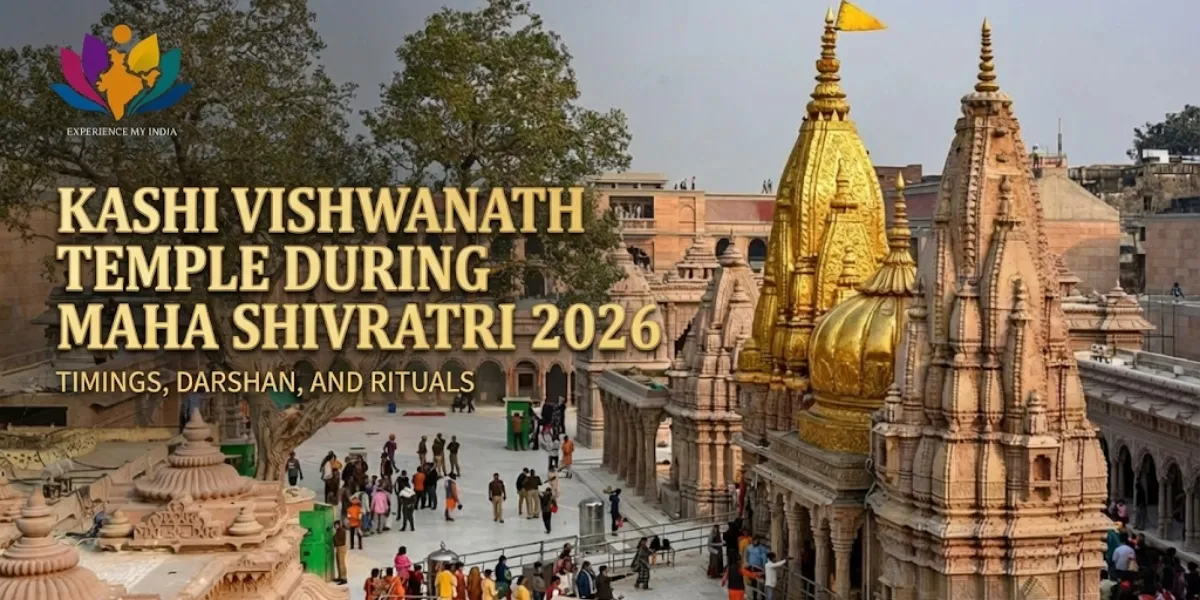
Darshan at Kashi Vishwanath Temple on Maha Shivratri
Darshan on this night is slow. Purposefully so.
Queues stretch for hours. Security checks are strict. Movement is controlled. And strangely, people accept it. Complaints fade quickly here. Waiting becomes part of worship.
Some devotees rely on quiet logistical support from experienced local organisers like Ayodhya Varanasi Tourism, especially older citizens and first-time visitors who find Kashi’s lanes overwhelming. It’s not announced. It’s not flashy. And it’s simply help when needed.
What Devotees Actually Do on Maha Shivratri in Varanasi
Beyond darshan, the night follows a lived rhythm:
- Observing fast, based on personal capacity
- Offering water, milk, honey, and bel patra
- Chanting quietly or continuously
- Sitting on ghats instead of rushing
- Staying awake, even when tired
Many people come with plans. Most leave having abandoned them.
What Most Visitors Don’t Notice About This Night
Here’s something you won’t find in guides.
During Maha Shivratri, Varanasi doesn’t feel chaotic at night. It feels organised in an invisible way. Tea stalls operate softly. Sadhus sit in groups, talking quietly. Shopkeepers don’t shout.
The city behaves like it knows what the night is for.
That’s why Maha Shivratri 2026 in Varanasi stays with people long after they leave.
Practical Advice That Actually Helps
- Arrive in Varanasi at least one day early
- Carry minimal belongings; security is strict
- Wear comfortable clothing suitable for long waits
- Drink water even if fasting
- Accept that delays are not disruptions
These small choices shape the experience more than any itinerary.
Places to Spend Time Away from the Main Crowd
Sometimes stepping aside deepens the experience.
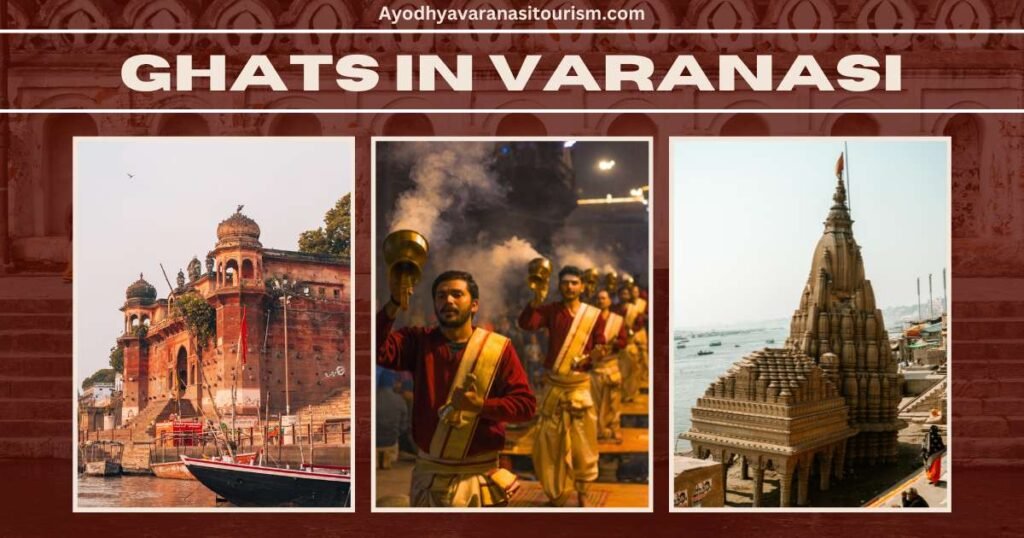
- Dashashwamedh Ghat (late-night stillness)
- Assi Ghat (early morning calm)
- Inner lanes near the corridor (constant chanting)
You don’t need to be everywhere. You just need to be present.
FAQs
1. When is Maha Shivratri 2026 in Varanasi?
Sunday, February 15, 2026.
2. What is Nishita Kaal timing?
12:09 AM to 01:01 AM.
3. Will Kashi Vishwanath Temple be crowded?
Yes, extremely.
4. Are special darshan arrangements available?
Yes, with proper planning.
5. Is fasting compulsory?
No, it depends on personal choice.
6. Can older devotees attend?
Yes, with support and pacing.
7. Are all four prahars important?
Yes, each carries significance.
8. Is it safe to stay out all night?
Yes, with basic awareness.
9. What items are restricted in the temple?
Phones, bags, electronics.
10. Is experiencing Shivratri in Kashi worth it once?
For many, it becomes more than once.
Maha Shivratri in Kashi doesn’t end with sunrise.
It settles quietly, somewhere behind your ribs. And long after February passes, the memory of that night—bells, waiting, and unwavering faith—keeps returning, asking nothing, explaining nothing, simply reminding you why Maha Shivratri 2026 in Varanasi is not just a date, but a moment lived fully awake.