

People don’t usually plan Varanasi the way they plan other cities.
They don’t say, “Let’s see this attraction, then that one.”
They say, “I want to go to Kashi.”
And that one sentence already carries a lot of weight.
When someone asks How to Reach Varanasi, what they’re really asking is how to reach a place that feels older than maps, louder than silence, and somehow deeply personal even before you arrive. The journey here matters. Not just logistically, but emotionally. Because the way you arrive in Varanasi shapes how the city receives you.
This guide walks you through routes, transport, timing, and practical details—but also the small things people usually don’t say out loud.
Where Varanasi Is (And Why It’s Always Been Reachable)
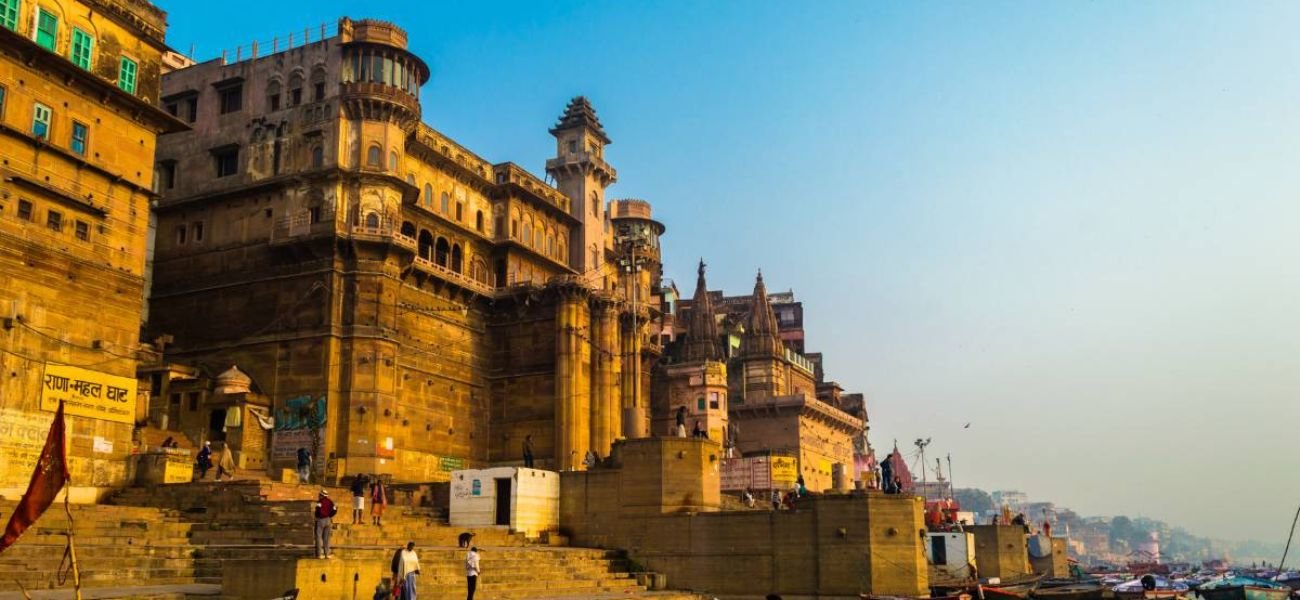
Varanasi sits in eastern Uttar Pradesh, along the banks of the Ganga. For centuries, people reached it by foot, by boat, by bullock cart, and later by train. The city grew because people kept coming—not because it was easy, but because it felt necessary.
Today, Best ways to reach Varanasi are far more comfortable. Flights land close. Trains run through the heart of the city. Roads connect it to every direction. But the spirit of arrival hasn’t changed much. You still feel that moment when the city announces itself—not with a skyline, but with sound.
A Short Look at Varanasi’s History Before Choosing Routes
Kashi is believed to be one of the oldest continuously inhabited cities in the world. Long before modern states and borders, this place existed as a spiritual axis. That’s why reaching Varanasi has never been about convenience alone.
Pilgrims came knowing the road would be long. Today, the road is smoother, but the intention remains.
Understanding this history helps you plan Varanasi travel by train, road, and air with the right mindset. You’re not just arriving somewhere. You’re entering a living tradition.
Reaching Varanasi by Air – The Fastest Way In
For travelers coming from far-off cities, flying is often the easiest option.
Nearest Airport
- Lal Bahadur Shastri International Airport (VNS) – about 25 km from the city center
The airport is well connected to:
- Delhi
- Mumbai
- Bengaluru
- Kolkata
- Hyderabad
Once you land, the city slowly takes over. The drive from the airport moves from open roads into crowded streets, and that transition feels symbolic.
Taxis, prepaid cabs, and hotel transfers are readily available. Travelers booking through Ayodhya Varanasi Tourism often prefer pre-arranged airport pickups, simply to avoid the initial confusion of routes and traffic.
How to Reach Varanasi by Train – The Most Traditional Way
If there is one way to truly feel the approach to Varanasi, it’s by train.
Major Railway Stations
- Varanasi Junction (BSB)
- Kashi (BSBS)
- Pt. Deen Dayal Upadhyaya Junction (DDU)
Varanasi Junction sits closest to the old city. Kashi station is newer and less chaotic. DDU is a major junction for long-distance trains.
Trains connect Varanasi to almost every major Indian city. Many pilgrims prefer overnight trains because they wake up close to the ghats.
This is why, when people talk about Varanasi transportation guide, trains always come with a sense of familiarity. You arrive slowly. Gradually. Ready.
Reaching Varanasi by Road – When the Journey Unfolds Gradually
Road travel to Varanasi is not about speed. It’s about context.
Approximate Road Distances
- Delhi to Varanasi: ~820 km
- Lucknow to Varanasi: ~320 km
- Prayagraj to Varanasi: ~120 km
National highways connect Varanasi efficiently, but the final stretch always narrows. Traffic thickens. Life appears on the road.
This is often where first-time visitors realize that How to Reach Varanasi isn’t just about reaching a destination. It’s about adjusting expectations.
Many travelers prefer road journeys arranged through Ayodhya Varanasi Tourism, especially when combining Varanasi with Ayodhya or Prayagraj, because the route planning accounts for real-world conditions, not just distances.
Local Transport in Varanasi – Learning to Let Go
Once you’re inside Varanasi, rules change.
- Auto-rickshaws
- Cycle rickshaws
- E-rickshaws
- Taxis (limited inside old city)
The old city doesn’t allow large vehicles. Walking becomes essential. Boats become shortcuts.
This is where people either get frustrated—or surrender.
Those who surrender enjoy the city more.
Best Time to Visit Varanasi (And Why Timing Changes Everything)
Varanasi is always alive, but not always gentle.
Best Months
- October to March – cool mornings, manageable crowds
Summers
- Extremely hot, but spiritually intense
Monsoon
- Beautiful ghats, unpredictable river levels
Festivals & Celebrations
- Dev Deepawali
- Maha Shivratri
- Kartik Purnima
During festivals, routes get crowded and timings change. Planning your arrival with Ayodhya Varanasi Tourism helps align travel with darshan and aarti schedules, especially during peak days.
Best Places in Varanasi (Once You’ve Reached)
Reaching Varanasi is only the beginning.
Key places include:
- Kashi Vishwanath Temple
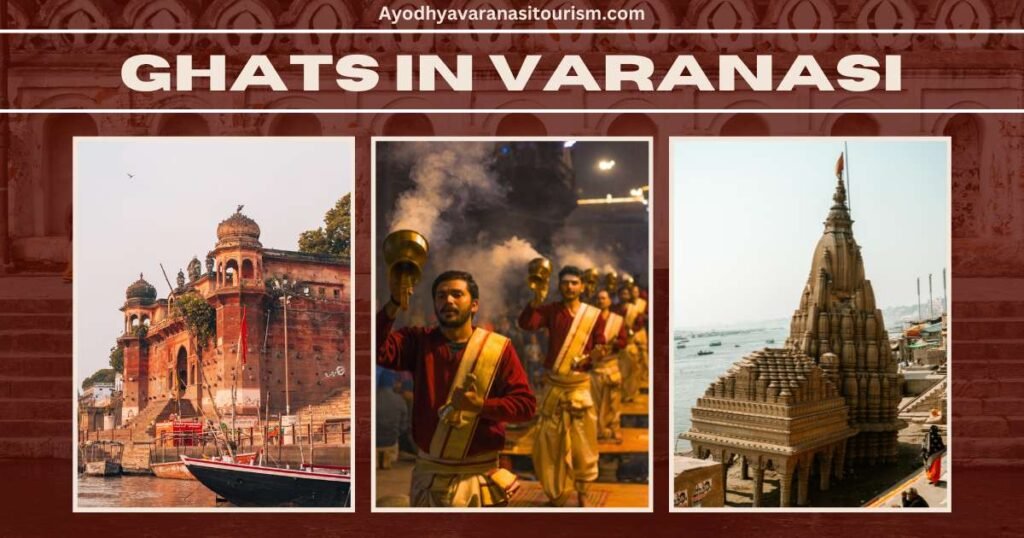
- Dashashwamedh Ghat
- Assi Ghat
- Manikarnika Ghat
- Sarnath
Each place has its own rhythm. Trying to rush them breaks something subtle.
Best Routes for a Meaningful Varanasi Trip
Many travelers don’t visit Varanasi alone. They combine it with:
- Ayodhya
- Prayagraj
- Vindhyachal
These routes make spiritual and geographical sense. That’s why structured journeys planned through Ayodhya Varanasi Tourism feel natural instead of forced.
The route itself becomes part of the pilgrimage.
Celebrations That Change How You Reach the City
On normal days, reaching Varanasi is straightforward.
On festival days, it becomes a test of patience.
Road diversions, crowd control, and security checks affect travel time significantly. Knowing when to arrive—and when not to—matters more than speed.
This is why seasoned travelers check calendars before asking Best ways to reach Varanasi.
Booking Your Varanasi Trip With Ayodhya Varanasi Tourism
Varanasi doesn’t reward rigid planning. It rewards thoughtful planning.
When you book with Ayodhya Varanasi Tourism, the benefit isn’t luxury. It’s alignment—arrival times that respect temple schedules, routes that respect the city’s flow, and pacing that respects the traveler.
Sometimes, the best journeys are the ones where nothing feels rushed.
10 Informative FAQs
1. Which is the nearest airport to Varanasi?
Lal Bahadur Shastri International Airport, about 25 km away.
2. What is the best railway station to reach Varanasi?
Varanasi Junction or Kashi station, depending on your train.
3. Is road travel to Varanasi comfortable?
Yes, though final city entry can be slow.
4. What is the best season to visit Varanasi?
October to March is most comfortable.
5. Are autos allowed near ghats?
Only till certain points; walking is necessary.
6. Can Varanasi be combined with Ayodhya?
Yes, very commonly.
7. How early should I arrive for Ganga Aarti?
At least one hour before the ceremony.
8. Is Varanasi crowded during festivals?
Extremely, especially during Dev Deepawali.
9. Are boats available throughout the year?
Mostly yes, subject to river conditions.
10. Why choose Ayodhya Varanasi Tourism?
Because local understanding matters more than navigation here.
Varanasi doesn’t ask you to arrive quickly.
It asks you to arrive ready.
And once you do, the question of How to Reach Varanasi quietly fades—because the city stops being a destination and starts feeling like a presence you’ve finally caught up with.