

The best time to visit Varanasi is November to February – temperatures stay between 5°C and 25°C, the Ganga Aarti is atmospheric in the cool evening air and major festivals like Dev Deepawali (November 24, 2026) fall within this window. Avoid April to June (38-46°C). Monsoon (July-September) is the budget season with fewer crowds. Experience My India arranges Varanasi tours year-round from ₹2,999 per person. WhatsApp +91-7302265809. See our Ayodhya Varanasi Tour Package or message WhatsApp +91 7302265809.
The best time to visit Varanasi is not a single month – it is a combination of season, day of week and time of day. Varanasi’s Kashi Vishwanath Temple has its most manageable queue on a Tuesday morning in December. The same temple on a Monday during Shravan month (August) has an 8-hour general queue. The Ganga Aarti at Dashashwamedh Ghat is best experienced from a boat and the boat position matters more in winter (when fog creates a different atmosphere) than in summer. Getting the season right is the first decision; what you do within that season is the second.
I am Gurudutt, founder of Experience My India, guiding pilgrims through Varanasi since 2018. Our team has arranged 50,000+ Varanasi visits across every month and every crowd condition. This guide gives you the verified 2026 numbers – temperature ranges, festival dates, crowd levels and booking lead times – so you can choose the right window for your specific trip.
Book Your Sugam Darshan and Rudrabhishek at Kashi Vishwanath
Varanasi Weather by Month – Complete 2026 Table
| Month | Season | Min Temp | Max Temp | Humidity | Crowd Level | Verdict |
| January | Winter | 5°C | 18°C | Low | Moderate | Excellent |
| February | Winter | 8°C | 22°C | Low | Moderate | Excellent |
| March | Spring | 14°C | 30°C | Low | Moderate | Good |
| April | Summer begins | 20°C | 38°C | Low | Low | Avoid midday |
| May | Summer | 26°C | 43°C | Low | Very Low | Only early morning |
| June | Summer | 28°C | 44°C | Increasing | Very Low | Only early morning |
| July | Monsoon | 26°C | 34°C | Very High | Low | Budget option |
| August | Monsoon | 25°C | 32°C | Very High | High (Shravan) | Avoid if possible |
| September | Monsoon | 24°C | 32°C | High | Low | Workable |
| October | Post-monsoon | 18°C | 30°C | Moderate | Moderate | Good |
| November | Winter start | 12°C | 25°C | Low | High (festivals) | Very Good |
| December | Winter | 7°C | 20°C | Low | Moderate | Excellent |
For complete darshan timings across every Varanasi temple and season, visit our Kashi Vishwanath Temple Varanasi guide which is updated monthly.
Winter (November to February) – The Best Season
November to February is the undisputed best time to visit Varanasi. Temperatures range from 5°C at night in January to 25°C on warm February afternoons – comfortable for walking the ghats, navigating temple lanes and sitting through the full 45-60 minute Ganga Aarti at Dashashwamedh Ghat.
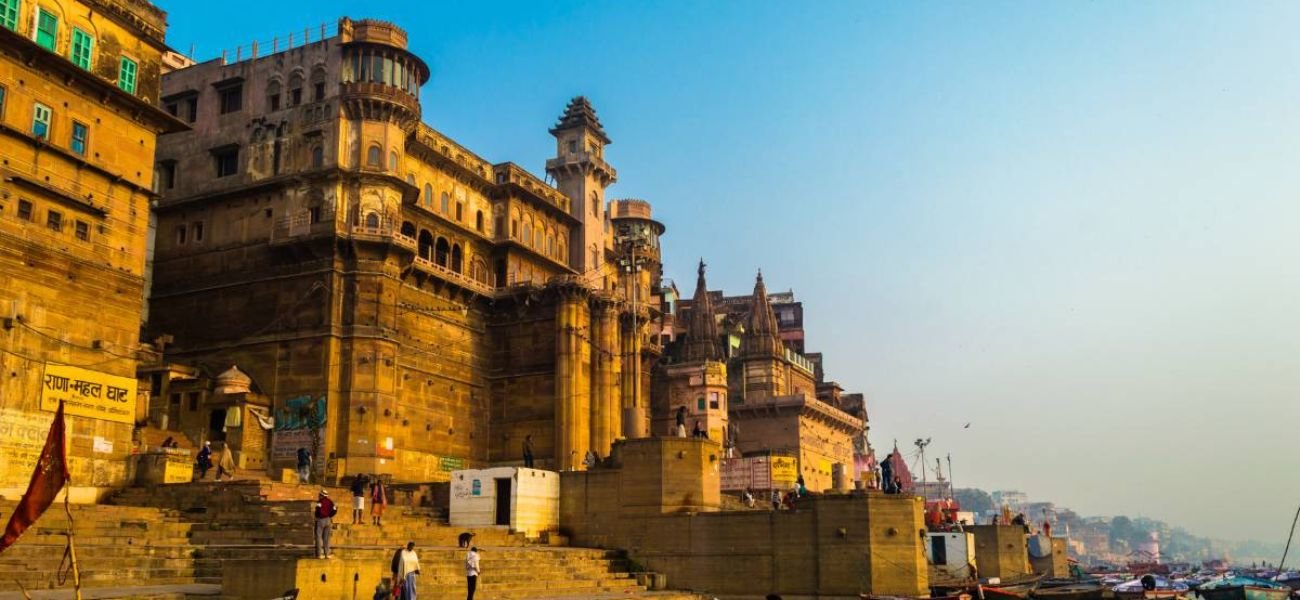
The sunrise boat ride on the Ganga, usually the most visually striking experience in Varanasi, reaches its atmospheric peak in winter. Morning mist rises from the river between 5:30 AM and 7:00 AM from November to January, creating the distinctive ghat silhouette that appears in most Varanasi photographs. By March this effect is greatly reduced.
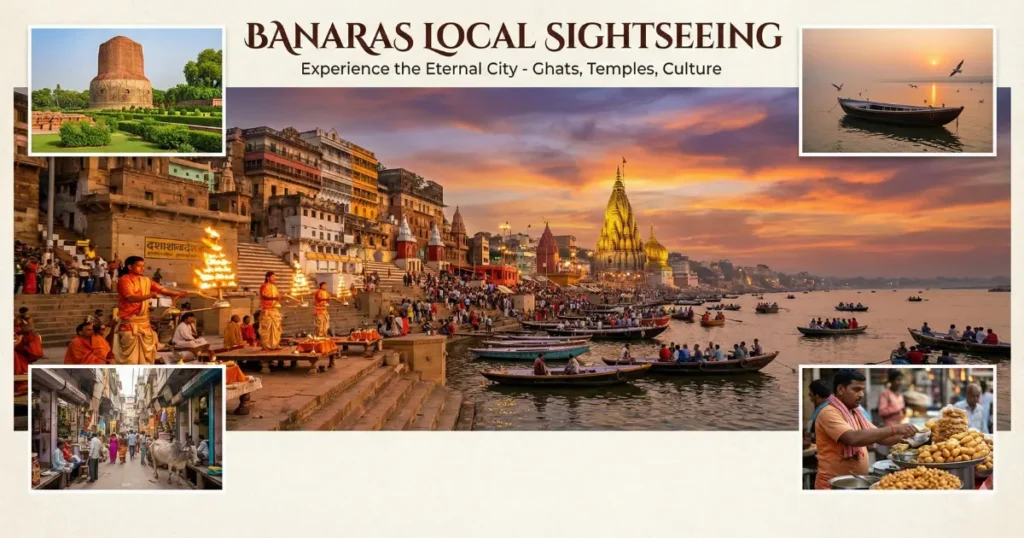
Dev Deepawali on November 24, 2026 is the single most visually spectacular evening in Varanasi’s calendar – all 84 ghats lit simultaneously with earthen lamps, a crowd of lakhs on the riverfront and the full moon reflected across the Ganga alongside floating diyas. If you visit Varanasi only once, planning around this date gives you the city at its most concentrated.
December and January are also the most comfortable months for day trips to Sarnath (10-13 km) – the Buddhist pilgrimage site where Buddha gave his first sermon. The 2 to 3 hour Sarnath visit is pleasant in winter without any heat constraint.
Book early for winter: hotel availability near the ghats in November (especially around Dev Deepawali) and in December fills 4 to 6 weeks ahead. Our Same Day Varanasi Tour Package and 1 Night 2 Days Varanasi Tour Package are available year-round but winter slots confirm fastest – WhatsApp +91-7302265809 to check current availability.
Spring (March to April) – Good for Holi and Shivaratri
March brings the transition out of winter – temperatures rise from around 20°C to 35°C by mid-April and the river mist disappears. This is the Holi and Maha Shivaratri season.
Maha Shivaratri at Kashi Vishwanath is one of Varanasi’s most significant events – tens of thousands of pilgrims queue for darshan of the Jyotirlinga. In 2027 this falls in February; in 2026 it has already passed. If your visit includes Maha Shivaratri, book accommodation 6 weeks ahead and accept that the Sugam Darshan (₹250 at shrikashivishwanath.org) is the only manageable darshan option on that specific day.
Holi in Varanasi is notably different from Holi in most North Indian cities – the city adds Rang Bhari Ekadashi, a special pre-Holi celebration at Kashi Vishwanath where Lord Shiva is traditionally worshipped before the colour festival begins. March through early April gives you pleasant sightseeing weather with manageable crowds.
Our 2 Nights 3 Days Varanasi Tour Package is the recommended option for a spring visit – it covers the Ganga Aarti, Kashi Vishwanath, Sarnath and the ghats at a comfortable pace. Call +91-7302265809 to book.
Summer (May to June) – When to Avoid and When to Go
May and June are Varanasi at its most extreme – temperatures reach 43-46°C by afternoon and the humidity is low which means direct heat exposure is genuinely dangerous outside the 5:30-9:00 AM and 6:00-8:00 PM windows.
Despite this, summer has specific advantages. Crowds at all major temples drop significantly. The Kashi Vishwanath general queue on a May Tuesday morning might be 30 to 45 minutes – a fraction of what the same visit takes in November or during Shravan. Hotels near the ghats offer 20-30% discounts.
If you must visit in summer – or if this is your only available window – the practical approach is: Ganga sunrise boat at 5:00 AM, Kashi Vishwanath darshan by 7:30 AM, all major temples done by 10:00 AM, hotel rest until 4:30 PM, Ganga Aarti boat at 6:30 PM. This schedule gives you the complete Varanasi temple circuit without any outdoor midday exposure.
Our Same Day Varanasi Tour Package in summer is time-shifted to start at 5:00 AM rather than the standard 6:00 AM. WhatsApp +91-7302265809 to confirm the summer schedule for your date.
Monsoon (July to September) – Budget Season
July to September brings Varanasi’s monsoon – temperatures drop to a comfortable 25-34°C, the Ganga swells visibly and rainfall ranges from moderate to heavy depending on the year. This is the lowest-demand and lowest-price season for Varanasi tourism.
The practical impact on your visit: lower ghat steps are partially or fully submerged in August, which reduces the boat ride scope and makes the concrete steps slippery. Temple visits are completely unaffected – Kashi Vishwanath, Sankat Mochan and Durga Temple all operate normally through monsoon.
August is also Shravan month – Lord Shiva’s most sacred month – which creates a significant contradiction: this is simultaneously the lowest tourist season and the highest local pilgrim season for Kashi Vishwanath darshan. The Kashi Vishwanath general queue in Shravan can exceed 8 hours on Mondays. Sugam Darshan (₹250) is not optional in Shravan – it is essential.
Janmashtami (August 25-26 in 2026) brings large celebrations to Varanasi’s Krishna temples and the ghats. If Janmashtami is the draw, book 3 months ahead.
Our 3 Days Varanasi Tour Package from Bangalore includes monsoon-season scheduling with adjusted ghat visits. Budget travelers visiting in July, September or October will find this our most cost-efficient package – WhatsApp +91-7302265809.
Varanasi Festival Calendar 2026
| Festival | Date 2026 | What Happens |
| Maha Shivaratri | February 2026 (passed) | All-night Kashi Vishwanath darshan; 8+ hr queues |
| Rang Bhari Ekadashi | March 2026 (passed) | Pre-Holi Shiva celebration at Kashi Vishwanath |
| Holi | March 2026 (passed) | Colour festival + Banaras street Holi |
| Ram Navami | March 26, 2026 | Surya Tilak at Ram Mandir Ayodhya; smaller celebration in Varanasi |
| Buddha Purnima | May 12, 2026 | Special celebrations at Sarnath; Buddhist pilgrims from across Asia |
| Janmashtami | August 25-26, 2026 | Krishna birthday; large celebrations in Varanasi’s Krishna temples |
| Shravan Month | July-August 2026 | Shiva’s sacred month; peak Kashi Vishwanath pilgrim season |
| Navratri | October 2026 | Nine nights of Durga worship; large crowds at Durga Temple |
| Diwali | November 8, 2026 | Ghat lamps; Lakshmi Puja |
| Dev Deepawali | November 24, 2026 | All 84 ghats lit; the most spectacular evening in Varanasi’s calendar |
| Ganga Mahotsav | November 20-24, 2026 | Classical music and cultural performances on the ghats |
For combining Varanasi festivals with an Ayodhya pilgrimage, our 5 Days Varanasi Ayodhya Prayagraj Tour Package covers the full UP sacred circuit and can be timed around any of these events. WhatsApp +91-7302265809 to check festival availability.
Best Time for Ganga Aarti in Varanasi
The Ganga Aarti at Dashashwamedh Ghat runs every evening of the year at approximately 7:00 PM. The experience changes significantly by season.
In winter (November to February), the Aarti crowd gathers in the cool air on the ghat steps and from boats on the river. The camphor smoke from the lamps hangs visibly in the cold air. By January, the fog that lifts off the Ganga after sunset creates a particularly atmospheric backdrop.
In summer, the Aarti is held in still-warm air – the evening provides relief from the day’s heat but the experience is less dramatically atmospheric than winter.
In monsoon, the Ganga’s swollen surface is closer to the ghat steps and the reflections of the Aarti lamps on the high water level are distinctive.
Arrive at Dashashwamedh Ghat by 6:30 PM in winter (6:15 PM for a boat position). The frontal view of the Aarti – facing the seven priests – is only from a boat on the river. The ghat steps give a side or rear angle. A pre-arranged Aarti boat costs ₹200-₹500. Our 3 Nights 4 Days Ayodhya Varanasi Tour Package includes the Ganga Aarti boat on both Varanasi evenings.
You can read more about Saryu Ghat Aarti timings for the Ayodhya half of your trip at Saryu Ghat Aarti Time and Rituals.
Best Time to Visit Varanasi with Family
For families with children and elderly members, October to February is the right window – specifically avoiding the peak festival dates of Dev Deepawali (November 24) and Diwali (November 8) unless the festival itself is the purpose of the trip, in which case book 6 weeks ahead.
The practical family considerations:
- Kashi Vishwanath Sugam Darshan (₹250/person at shrikashivishwanath.org) is essential for all age groups – no child or elderly person should face an 8-hour walk-in queue
- A boat ride is the most accessible form of Ganga experience for elderly visitors – no step climbing, no lane navigation
- Sarnath’s wide level paths are stroller and wheelchair-friendly
- December and January are the most comfortable for the full temple circuit
Our 2 Night 3 Days Ayodhya Varanasi Tour Package is designed specifically for families who want both cities covered without a rushed single-day plan. A 5 Days Ayodhya Varanasi Tour Package is the comfortable family option with a relaxed pace. Call +91-7302265809 for a family-specific plan.
Best Time to Visit Varanasi and Ayodhya Together
For the combined Varanasi and Ayodhya pilgrimage – which is the most common multi-city UP pilgrimage circuit – October to February covers both cities at their best. Both cities have outdoor temple circuits and evening aarti experiences that benefit from cool air.
The three-city circuit adding Prayagraj is most compelling in January (Makar Sankranti bathing at Triveni Sangam) or during Maha Kumbh (which has passed for 2025 – next is 2037). For 2026-2027, the winter season remains the standard recommendation.
If you are planning this circuit, you can check our Gorakhpur to Varanasi Distance guide if traveling from eastern UP or the Mathura to Varanasi Distance guide if combining with a Braj Bhoomi visit. For the complete three-city circuit from any origin, our Varanasi Ayodhya Tour Package with Prayagraj covers all three in 4 to 5 days.
For the most complete UP spiritual circuit – Varanasi, Ayodhya, Prayagraj, Naimisharanya and Lucknow – the 10 Days Complete Uttar Pradesh Spiritual Tour is available year-round. WhatsApp +91-7302265809 for seasonal recommendations on the full circuit.
Within-Day Timing – Morning vs Evening Varanasi
The best time to visit Varanasi within any given day varies by what you want to experience. The city operates in two completely different modes across the day.
The 5:00-9:00 AM window gives you Varanasi at its most devotionally concentrated: Kashi Vishwanath Mangala Aarti at 3:00-4:00 AM (ticketed), general darshan opening at 4:00 AM, the quietest Kashi Vishwanath queue of the day at 7:00-9:00 AM, the sunrise boat with the best light and fewest other boats and the morning rituals at Manikarnika Ghat visible from the river.
The 6:00-9:00 PM window gives you the evening Varanasi: the Ganga Aarti at Dashashwamedh at 7:00 PM, the Sankat Mochan evening bhajan at 7:00-8:00 PM and the lit ghats and temple spires seen from a return boat.
The 10:00 AM-4:30 PM midday window should be structured around indoor activities – Kashi Vishwanath closes 11:00 AM-12:30 PM; the afternoon heat in summer (May-June) makes outdoor sites genuinely taxing. Use this window for the Sarnath Museum (open until 5:00 PM), the BHU New Vishwanath Temple (shaded campus) or rest.
Our Same Day Varanasi Tour Package is timed around these exact within-day windows. Explore the full range of Ayodhya Varanasi Tour Packages to find the right duration for your visit.
Ground Truth – What Nobody Tells You
November is simultaneously the best month and the most expensive month for Varanasi. Dev Deepawali (November 24) is the most spectacular evening of the year, but hotels within 500 metres of the main ghats in this window are fully booked by September. If Dev Deepawali is the reason you are going to Varanasi, your booking conversation should be happening right now.
Shravan month (July-August) makes Mondays at Kashi Vishwanath genuinely unmanageable without the Sugam Darshan. The confluence of the most sacred month for Shiva worship and the most auspicious day of the week creates queue conditions that no amount of early arrival resolves without the ₹250 pre-booked pass.
February in Varanasi is consistently underrated. February days reach 22°C – warmer than January but still perfectly comfortable. February hotel rates are lower than November or December. The river mist is still partially present in early February mornings. Crowds are lighter than the festival season while the weather is still excellent. Experience My India recommends February as the single best month for a first-time Varanasi visit that prioritises the darshan experience over the festival atmosphere.
The Ganga Aarti happens every single evening – there is no “better day” within the week for the Aarti itself. What changes by day is the Kashi Vishwanath queue. Monday is the worst day for Kashi Vishwanath (Shiva’s day, 4-8 hour queues). Tuesday to Thursday morning is the best. Plan your Kashi Vishwanath darshan for a non-Monday if you have any schedule flexibility.
Frequently Asked Questions
May, June and September are consistently the least crowded months at Kashi Vishwanath Temple and across Varanasi’s ghats. Summer (May-June) sees very low tourist footfall due to the 40-46°C heat. September is post-monsoon with few festival crowds. The best combination of low crowds and comfortable weather is February – mild temperatures, no major festival peak and shorter temple queues than November or December.
Two days covers the core Varanasi experience comfortably – Day 1: Kashi Vishwanath (Sugam Darshan, ₹250 pre-booked), Kaal Bhairav, Sankat Mochan, Ganga Aarti boat. Day 2: sunrise boat, Sarnath, Durga Temple, BHU New Vishwanath Temple. Three days adds the ghats walk from Assi to Manikarnika and more time for each temple. One day is possible with a 5:30 AM start. Experience My India offers 1-day, 2-day and 3-day packages starting from ₹2,999 per person – call +91-7302265809.
The Ganga Aarti at Dashashwamedh Ghat is held every evening at approximately 7:00 PM, running for 45 to 60 minutes. The timing shifts slightly by season – in winter (December-January) it begins around 6:00-6:30 PM during Dev Deepawali events. Arrive at the ghat by 6:30 PM for a good position on the steps or by 6:15 PM to board a pre-arranged boat for the frontal view. Experience My India includes Ganga Aarti boats in every Varanasi package.
In Shaivite tradition, staying 9 days (Nav Ratra) or completing specific ritual cycles in Kashi is believed to accelerate spiritual liberation. Kashi is considered the city where Shiva whispers the Taraka Mantra into the ears of the dying, granting moksha. A 9-day stay allows for one complete pilgrimage of all 84 ghats, the 12 Jyotirlinga shrines within the city and the Pancha Koshi Parikrama (25 km outer circuit). For pilgrims planning an extended Kashi stay, call +91-7302265809 for a structured 9-day itinerary.
Wear modest, traditional clothing at all temples and ghats – cover shoulders and knees. Cotton kurta-pyjama for men and salwar kameez or saree for women are appropriate. Carry a warm layer for winter evenings (December-January temperatures drop to 5-8°C after sunset). In summer, light cotton with sun protection is essential. Comfortable walking shoes that slip on and off easily are practical for the frequent shoe-removal at temple entrances.
Yes – Varanasi is generally safe for solo female travelers. The main ghats and temple areas have consistent foot traffic and reasonable security presence. Practical precautions include avoiding isolated ghat areas after 9:00 PM, using pre-arranged transport rather than flagging autos at night and booking hotels near the main ghat belt rather than in less-connected areas. Experience My India’s guided tours include a licensed guide throughout and are suitable for all solo travelers including women.
Dev Deepawali – “the Diwali of the Gods” – falls on Kartik Purnima, the full moon of Kartik month. In 2026, this is November 24. All 84 ghats of Varanasi are simultaneously lit with earthen lamps, with the full moon reflected alongside the floating diyas on the Ganga. It is the single most visually spectacular event in Varanasi’s annual calendar and draws lakhs of visitors. Hotels within 1 km of the main ghats for November 24, 2026 must be booked by September at the latest – call +91-7302265809 immediately if this date is your target.
Yes – the three cities are within 120 to 200 km of each other and form the most complete UP pilgrimage circuit. Varanasi to Prayagraj is 120 km (2 hours by road). Prayagraj to Ayodhya is 160 km (3 hours). Varanasi to Ayodhya directly is 200 km (3.5-4.5 hours). Experience My India offers combined 3-day, 4-day and 5-day packages for all three cities. The best time for the combined circuit is October to March. Call +91-7302265809 for the right package for your travel dates.
Recommended products
-
1 Night 2 Days Varanasi Tour Package
Original price was: ₹7,000.00.₹6,000.00Current price is: ₹6,000.00. -
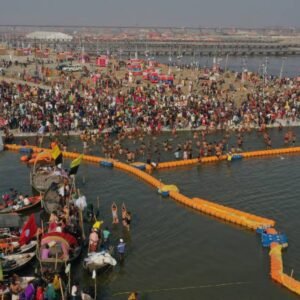
10 Days Complete Uttar Pradesh Spiritual Tour
-
2 Night 3 Days Ayodhya Varanasi Tour Package
Original price was: ₹9,000.00.₹8,000.00Current price is: ₹8,000.00. -
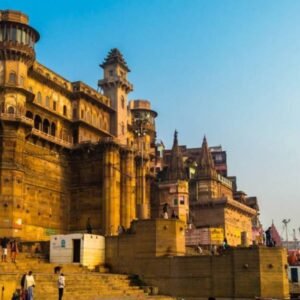
5 Days Ayodhya Varanasi Tour Package


Conclusion
The best time to visit Varanasi is November to February – Dev Deepawali on November 24, 2026 is the calendar peak, and December through February gives the most comfortable sightseeing conditions. If you must visit in summer, start by 5:30 AM. If you visit in Shravan (July-August), book your Kashi Vishwanath Sugam Darshan at ₹250 at shrikashivishwanath.org before anything else.
Experience My India has guided 50,000+ pilgrims through Varanasi across every season since 2018. Tours from ₹2,999 per person – private cab, guide, Ganga Aarti boat and Sugam Darshan co-ordination included.
WhatsApp +91-7302265809 – Book Now
Jai Shri Ram 🙏