

Ayodhya feels different early in the morning. Not dramatic, not grand. Just quietly awake. The streets are swept, temple bells ring without urgency, and people move as if they already know where they’re going. This Ayodhya Varanasi Temple Tour Itinerary is built around that pace. Not fast. Not packed. Just steady enough to let the places speak for themselves.
Ayodhya and Varanasi are often planned together on paper. On the ground, they feel like two separate conversations. One speaks of beginnings, duty, and restraint. The other talks about endings, surrender, and release. Moving between them slowly is what makes the journey meaningful.
Table of Contents
ToggleAyodhya Varanasi Pilgrimage Itinerary – Day 1: Arriving in Ayodhya
Most pilgrims reach Ayodhya early, and that’s exactly how it should be. Morning light softens the town. Darshan lines move better, and the atmosphere feels less charged.
The first halt in this Ayodhya Varanasi Pilgrimage Itinerary is Shri Ram Janmabhoomi. Reaching before the day builds up makes the process smoother. Security is structured, queues are patient, and inside, the space feels composed. People don’t linger, but no one rushes either.
After darshan, resist the urge to immediately move on. Walk a little. Sit if you feel like it. The lanes around the temple tell you more about Ayodhya than guideboards ever will. Flower sellers arranging marigolds, pilgrims resting against walls, sadhus watching the day unfold. Nothing demands attention, yet everything feels important.
Hanuman Garhi comes later. The steps are manageable if taken slowly. There’s no need to prove anything here. From the top, Ayodhya looks settled, not expansive. That view stays with many travelers longer than expected.
As evening approaches, head to Saryu Ghat. The aarti here doesn’t overwhelm. It settles you. This is a good end to the first day of the Ayodhya Varanasi Darshan Plan.
Guide tip: Ayodhya doesn’t reward rushing. The quieter you keep the day, the fuller it feels.
Ayodhya to Varanasi Temple Tour – Day 2: The Road Between
The drive from Ayodhya to Varanasi takes roughly five hours. Start early. Not for efficiency, but for ease. This stretch of the Ayodhya to Varanasi Temple Tour isn’t meant to be filled with stops and detours.
Many people try to squeeze too much into this day. The result is usually fatigue by the time they reach Varanasi. A direct journey works better. Arrive, check in, and let your body settle.
In the evening, step out towards Dashashwamedh Ghat. You don’t need to fight for the front row. Watching the Ganga Aarti from a little distance often feels calmer, more personal. You notice the chants, the rhythm, the faces in the crowd, rather than just the spectacle.
This day in the Ayodhya Varanasi Travel Itinerary is deliberately light. Varanasi asks for energy. Save it.
Varanasi Temple Tour Itinerary – Day 3: Kashi Before Sunrise
If there is one rule in Varanasi, it is this: wake up early. The city before sunrise feels inward, almost private.
The heart of the Ram Mandir to Kashi Vishwanath Tour lies in this morning. Reaching the Kashi Vishwanath Temple around 5 AM changes the experience completely. The process is orderly, the waiting feels purposeful, and darshan happens without distraction.
Afterward, don’t rush back. Walk through the surrounding lanes. Small temples appear without announcement. Annapurna Devi, Vishalakshi, and others sit quietly between shops and homes. These spaces are woven into daily life, not set apart from it.
By mid-morning, return to your hotel. Rest matters here. In the afternoon, Sankat Mochan or Tulsi Manas Mandir offers a gentler rhythm. Fewer crowds, more space to sit.
Guide tip: In Varanasi, space between plans is as important as the plans themselves.
Ayodhya Varanasi Spiritual Tour – Day 4: The City Beyond Temples
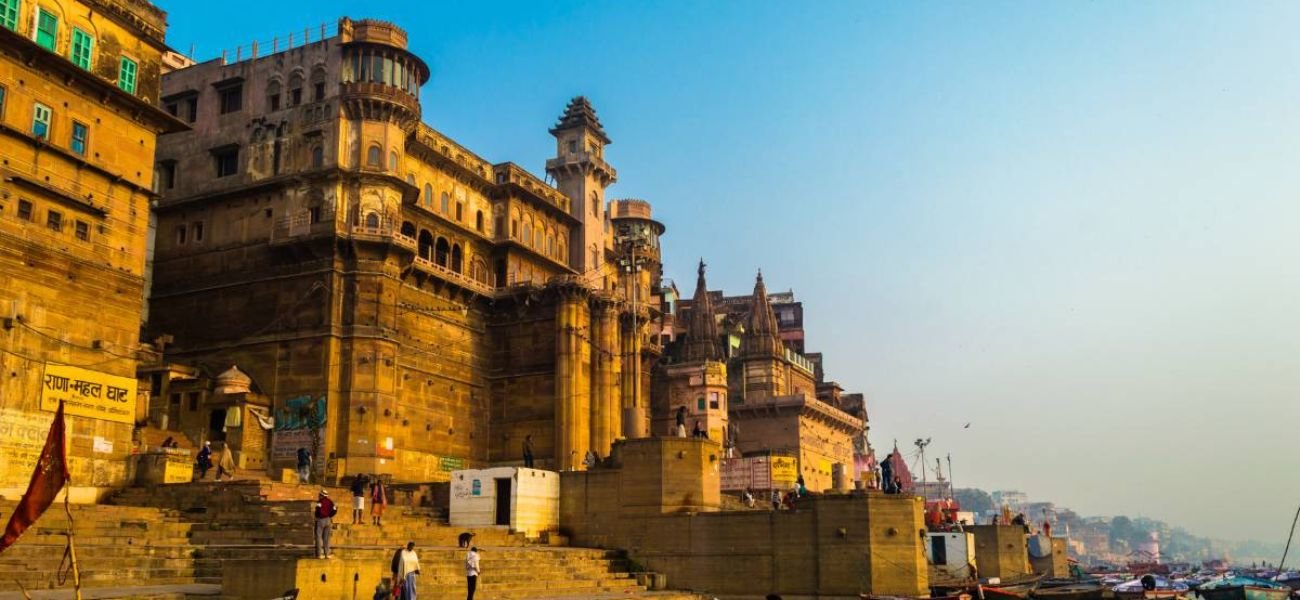
This day shifts the focus of the Ayodhya Varanasi Spiritual Tour. Begin on the river. A morning boat ride shows Varanasi as it really is. People bathing, praying, talking softly, going about routines older than memory.
Walk along Assi Ghat and Panchganga Ghat after. These ghats don’t perform for visitors. Life simply happens here. Watching quietly often feels more meaningful than participating.
Later, the Banaras Hindu University campus offers breathing space. The New Vishwanath Temple here feels open, both physically and emotionally. It balances the intensity of the old city.
As evening comes, many travelers skip another aarti. Sitting by the river, doing nothing in particular, often feels like enough.
Ayodhya Varanasi Darshan Plan – Crowd Reality and Timing
This Ayodhya Varanasi Darshan Plan works because it respects reality. Ayodhya fills up on weekends and major dates. Weekdays remain calmer.
Varanasi never truly empties, but early mornings always offer relief. Waiting is part of the pilgrimage. When accepted, it stops feeling like a delay and starts feeling like participation.
Guide tip: Travel light. Physically and mentally. Both cities respond better that way.
Ayodhya Varanasi Pilgrimage Itinerary – Best Season to Travel
October to March offers the most comfortable conditions for this Ayodhya Varanasi Pilgrimage Itinerary. Summers drain energy quickly. Monsoon humidity makes long walks harder.
Festival periods carry strong emotion but also dense crowds. If visiting during Ram Navami or Mahashivratri, extra days help keep the journey balanced.
Ayodhya Varanasi Travel Itinerary – Staying and Moving Smart
Staying close to temples saves more energy than people expect. In Ayodhya, being near Ram Mandir reduces daily effort. In Varanasi, ghatside stays allow flexibility.
Trains remain the most dependable link between the cities. Road travel works best with early starts and realistic expectations.
For travelers who prefer local coordination without rigid scheduling, Ayodhya Varanasi Tourism often supports journeys that stay human rather than mechanical.
Why This Ayodhya Varanasi Temple Tour Itinerary Feels Right
This Ayodhya Varanasi Temple Tour Itinerary isn’t ambitious. That’s its strength. It leaves room for tired afternoons, unplanned pauses, and moments that aren’t written down anywhere. Travelers who move slowly here often leave feeling quieter, not accomplished, and that difference matters.
Planning Support Partner
Some pilgrims want help without being guided by the hand at every step. Ayodhya Varanasi Tourism generally suits travelers who value clarity, timing, and calm execution over packed schedules.
Conclusion
An Ayodhya Varanasi Temple Tour Itinerary is less about connecting two cities and more about adjusting your pace between them. Ayodhya grounds you. Varanasi loosens your grip. When the journey is allowed to unfold naturally, you don’t return feeling you’ve completed something. You return feeling settled, and for most people, that is the quiet reason they came.
FAQs – Ayodhya Varanasi Temple Tour Itinerary
1. How many days are ideal for an Ayodhya Varanasi Temple Tour Itinerary?
Four to five days work best for most travelers. This allows time to settle into Ayodhya, travel without stress, and experience Varanasi beyond just temple darshan.
2. Is it better to start the journey from Ayodhya or Varanasi?
Starting from Ayodhya feels more natural for many pilgrims. Ayodhya sets a grounded tone, while Varanasi brings emotional depth toward the end of the journey.
3. What is the best time of day for Ram Mandir darshan in Ayodhya?
Early morning is ideal. Darshan lines move more smoothly, and the atmosphere feels calmer and more devotional before the town becomes busy.
4. How early should one visit Kashi Vishwanath Temple in Varanasi?
Reaching between 4:30 and 6:00 AM makes a noticeable difference. The experience feels less crowded and more focused during these hours.
5. Is this itinerary suitable for senior citizens?
Yes, if paced properly. Early starts, nearby hotels, fewer temple visits per day, and planned rest periods make the journey manageable for elderly travelers.
6. Can this itinerary be done with children?
It can, but flexibility is important. Children usually do better with shorter temple visits and time to rest, especially in Varanasi’s crowded areas.
7. Which months are most comfortable for this pilgrimage?
October to March offers pleasant weather for walking, temple visits, and ghat exploration. Summers can be tiring, and monsoon humidity can slow things down.
8. Is road travel between Ayodhya and Varanasi comfortable?
Yes, especially with an early start. The journey takes around five hours, and daytime travel is generally smooth and safe.
9. Are ghats as important as temples in Varanasi?
Very much so. Ghats help you understand Varanasi as a living city, not just a temple destination. Many travelers find these moments quietly powerful.
10. Should the itinerary be tightly planned or kept flexible?
A loose structure works best. Fixed darshan timings help, but leaving space for rest and unplanned pauses makes the journey feel more human and meaningful.