

There’s a moment most people don’t talk about when planning a spiritual trip. The desire is there. The faith is there. But the doubt quietly sits in the background. Will it feel rushed? Will it turn into temple-hopping instead of an inner journey? Or worse, will it feel like just another itinerary?
In my experience, the ayodhya varanasi prayagraj tour package works only when it’s paced gently. These are not places you conquer with checklists. They’re places you sit with. You wait. You walk slowly. And you allow silence to do some of the work.
Ayodhya gives you roots. Varanasi confronts you with truth. Prayagraj teaches surrender. When done in the right order, this journey doesn’t just move across geography. It moves inward. This guide is written to reflect that reality, not to sell an idea, but to explain how this spiritual yatra actually feels on the ground.
About the Ayodhya Varanasi Prayagraj Spiritual Circuit
This circuit has existed long before tour packages did.
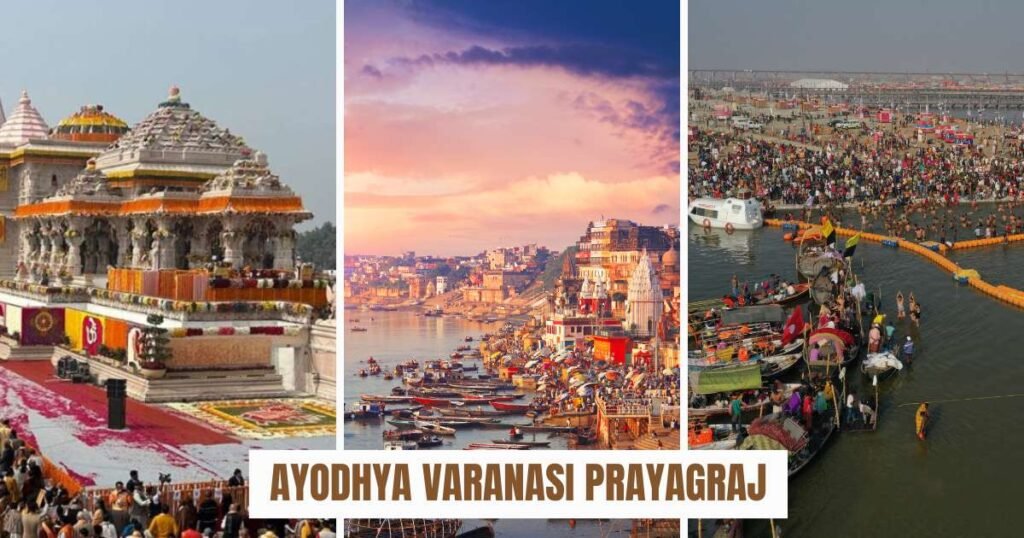
Ayodhya, the birthplace of Lord Rama, represents dharma and ideal living. Varanasi stands for moksha, the place where life and death walk side by side without fear. Prayagraj, where the Ganga, Yamuna, and the invisible Saraswati meet, is about letting go completely.
What surprises many first-time travellers is how different the energy feels in each city. Ayodhya is calm and orderly. Varanasi is intense and alive, sometimes overwhelming. Prayagraj feels open, expansive, almost quiet despite its scale.
Together, they create a complete spiritual rhythm. Not loud. Not dramatic. Just deeply human.
A Short Historical Thread That Connects All Three
These cities are not connected by highways alone. They’re connected by belief.
Ayodhya is mentioned in the Ramayana as the capital of King Dasharatha and the birthplace of Lord Rama. Varanasi appears repeatedly in ancient texts as Kashi, the city of Shiva, where liberation is believed to be guaranteed. Prayagraj, earlier known as Prayag, has been described as the king of all pilgrimage sites.
Surprisingly, even today, locals don’t talk about these places as destinations. They talk about them as phases of life. Birth. Existence. Release. That understanding changes how you experience the journey.
5-Day Itinerary for Ayodhya Varanasi Prayagraj Tour Package
This itinerary is designed to balance darshan, rest, and reflection. It’s not aggressive. And that’s intentional.

Day 1: Arrival in Ayodhya – The Beginning of the Yatra
- Arrival at Ayodhya Railway Station or Airport
- Hotel check-in and short rest
- Visit to Ram Janmabhoomi for darshan
- Walk to Hanuman Garhi in the evening
- Quiet time at nearby temple corridors
- Overnight stay in Ayodhya
Local Guide Tip: Visit Ram Janmabhoomi earlier in the evening. The crowd thins slightly, and the atmosphere feels more composed.
Day 2: Ayodhya Sightseeing and Spiritual Closure
- Morning visit to Kanak Bhawan
- Darshan at Nageshwarnath Temple
- Walk through old Ayodhya lanes
- Afternoon departure toward Varanasi
- Evening arrival and rest
- Overnight stay in Varanasi
Ayodhya doesn’t demand too much time, but it rewards patience. Rushing through it often leaves people unsettled.
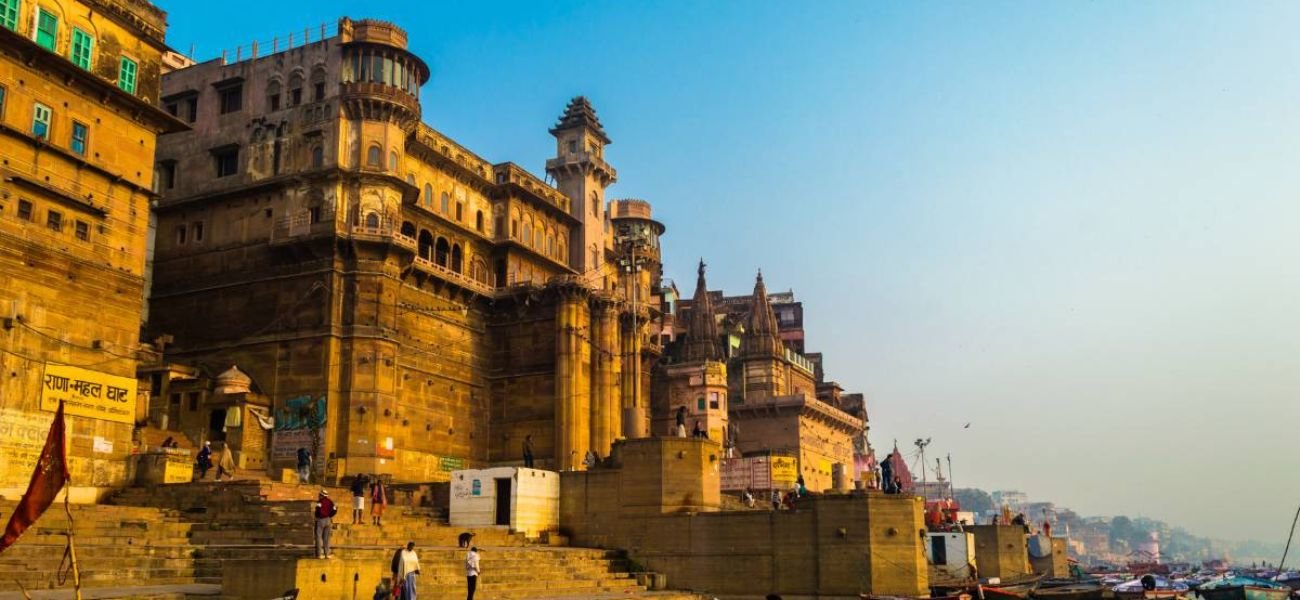
Day 3: Varanasi – Where Life and Moksha Meet
- Early morning Ganga snan
- Visit to Kashi Vishwanath Temple
- Darshan at Annapurna Temple
- Rest during afternoon heat
- Evening Ganga Aarti at Dashashwamedh Ghat
- Overnight stay in Varanasi
Varanasi is not gentle. It’s honest. The sounds, the crowds, the rituals. Everything happens together.
Local Guide Tip: Stand slightly away from the main steps during Ganga Aarti. You’ll hear the chants better and feel less suffocated.
Day 4: Varanasi Ghats and Travel to Prayagraj
- Morning boat ride on the Ganga
- Visit to Manikarnika Ghat (observational, respectful)
- Afternoon departure to Prayagraj
- Evening rest near Sangam area
- Overnight stay in Prayagraj
This day often feels heavy for some travellers. That’s normal. Varanasi has that effect.
Day 5: Prayagraj – Sangam Snan and Departure
- Early morning Sangam Snan
- Visit to Hanuman Mandir
- Walk around the Sangam area
- Time for quiet reflection
- Departure from Prayagraj
Prayagraj doesn’t ask you to do much. Just to be present.
Major Temples That Shape the Journey
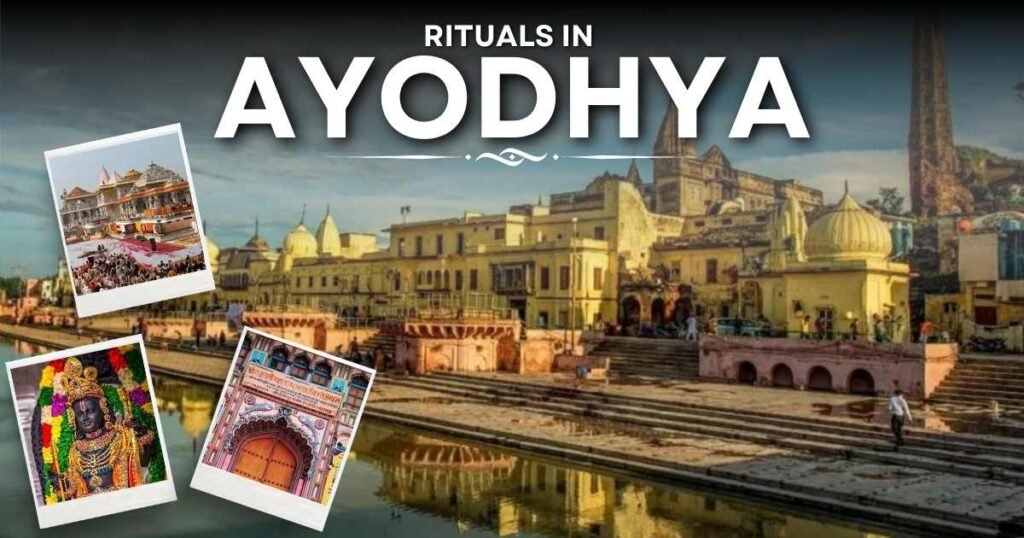
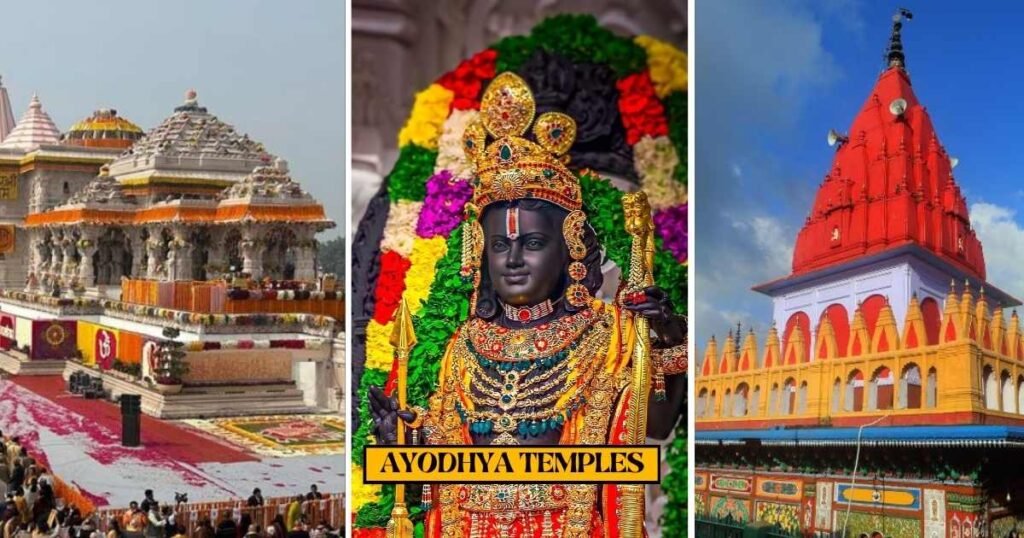
Ayodhya Temples
- Ram Janmabhoomi
- Hanuman Garhi
- Kanak Bhawan
Varanasi Temples
- Kashi Vishwanath
- Annapurna Temple
- Sankat Mochan Hanuman Temple
Prayagraj Temples
- Hanuman Mandir near Sangam
- Alopi Devi Temple
Each temple has a different crowd rhythm. Some are silent early morning. Others peak sharply during specific hours.
Ghats That Matter More Than Sightseeing
Varanasi Ghats
- Dashashwamedh Ghat for evening aarti
- Assi Ghat for calmer mornings
- Manikarnika Ghat for understanding life’s impermanence
Prayagraj Sangam
- Best visited early morning
- Less crowd, more clarity
- Ideal for older travellers with assistance
Festival Celebrations Worth Knowing About
- Ram Navami in Ayodhya brings massive crowds
- Mahashivratri in Varanasi changes temple timings
- Kumbh or Magh Mela in Prayagraj requires advance planning
Festivals add power, but also complexity.
Crowd Reality and Who Enjoys This Tour Most
- Crowd level: Medium to heavy, especially in Varanasi
- Best for: Pilgrims, older with support, spiritually inclined travellers
- Not ideal for: Fast-paced tourists or party travellers
Safety Tips Based on Ground Reality
- Keep temple IDs accessible
- Avoid carrying valuables during ghats visits
- Wear simple, modest clothing
- Stay hydrated even in winter
- Follow local police instructions during peak hours
Local Guide Tip: Keep footwear bags small and easy to carry. Losing shoes near temples is more common than people admit.
How to Reach Ayodhya Varanasi Prayagraj
By Air
- Ayodhya, Varanasi, and Prayagraj all have airports
- Best option for time-bound travellers
- Varanasi has the strongest connectivity
By Train
- Well-connected from all major Indian cities
- Ideal for pilgrims comfortable with longer journeys
- Night trains save daytime fatigue
And By Road
- Suitable only for regional travel
- Roads between cities are improving but slow during peak seasons
Planning Support Partner
Many travellers underestimate how emotionally tiring this circuit can be. Managing temple timings, crowd surges, and intercity transfers on your own often distracts from the spiritual purpose.
As a planning support partner, Ayodhya Varanasi Tourism helps travellers move through this yatra calmly. Not by overloading schedules, but by understanding when to pause, when to move, and when to simply wait. That quiet planning makes the journey feel complete rather than exhausting.
Contact Ayodhya Varanasi Tourism Today:
Call Us: +91 7300620809
WhatsApp Us: +91 7300620809
Visit Our Website: Ayodhya Varanasi Tourism
Email: ayodhyavaranasitourism@gmail.com
Ayodhya Varanasi Tourism is a Unit of Experience My India
Experience My India trip advisor review – Click Here
FAQs – Ayodhya Varanasi Prayagraj Tour
Yes, it works well for first-time visitors if the pace is balanced. Ayodhya, Varanasi, and Prayagraj can feel overwhelming, but a planned route makes the journey smooth and meaningful.
It involves some walking, temple queues, and early mornings. It’s manageable for most people, especially if breaks and nearby hotels are planned properly.
October to March is the most comfortable time. Summers can be exhausting, and monsoon months may slow down travel between cities.
Yes, with assisted transfers and early darshan timings. Avoid peak festival days if travelling with older family members.
Ram Mandir and Kashi Vishwanath get crowded daily, especially during festivals. Early morning visits usually feel calmer and more organised.
Yes, Sangam visits happen even outside Kumbh or Magh Mela. On non-festival days, the area is quieter and easier to explore.
Yes, staying closer reduces travel stress and helps with early darshan. Luxury isn’t required; cleanliness and location matter more
Yes, trains are commonly used. However, flights save time if you’re limited to five days.
Generally yes. These cities are used to pilgrims, but basic precautions near ghats and crowded lanes are always wise.
Patience and flexibility. Things may move slowly at times, but that’s part of the spiritual rhythm of this route
Conclusion
The ayodhya varanasi prayagraj tour package isn’t about seeing three cities. It’s about experiencing three states of the soul.
Ayodhya grounds you. Varanasi unsettles you. Prayagraj releases you.
If you allow the journey to unfold slowly, without trying to control every moment, it stays with you long after you return home. Not as memories of temples visited, but as something quieter. Something steadier. Something real.