
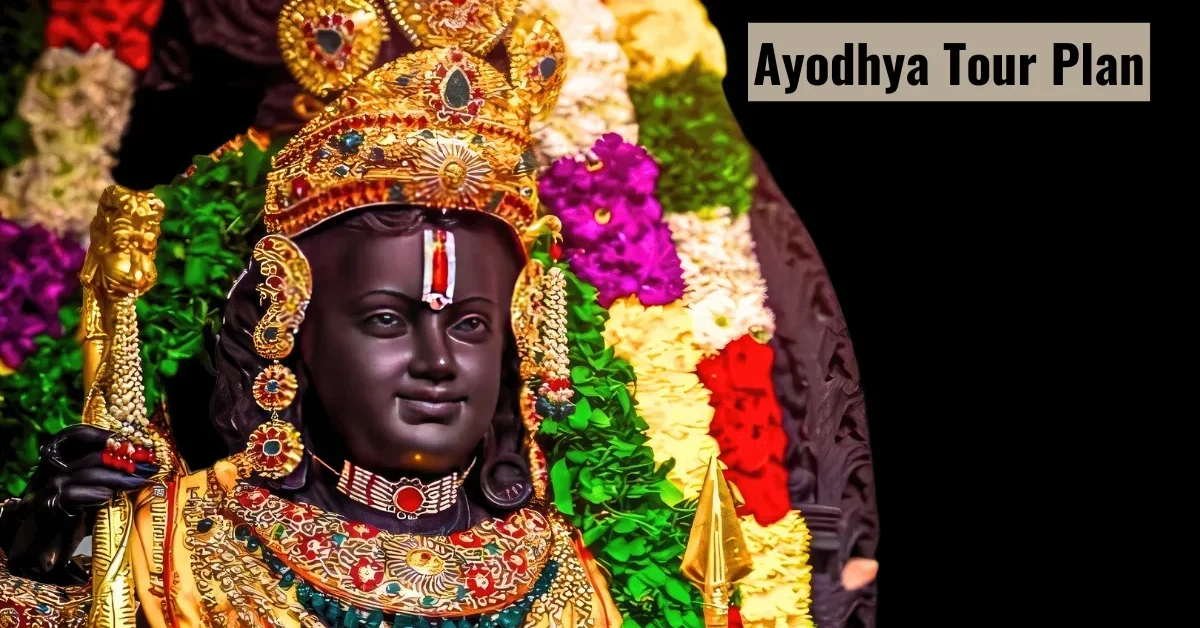
There are places that ask for your eyes, and then there are places that ask for your heart.
Ayodhya belongs to the second kind.
It is not only a city — it is remembrance itself.
The air moves differently here; it carries stories that have been told for thousands of years.
When the morning sun falls on the Saryu, and the sound of temple bells begins to echo through narrow lanes, it feels as though the Ramayana has never ended — it is still being lived, step by step, breath by breath.
To walk in Ayodhya is to walk through time.
Every ghat, every doorway, every lamp remembers something divine.
And through our Ayodhya Tour Plan, Ayodhya Varanasi Tourism takes you into that quiet world — where faith is not a ritual, but a way of being.
The City That Lives in Faith
Ayodhya does not reveal itself in a glance.
It unfolds slowly — like a temple door opening after the first aarti.
You don’t visit Ayodhya; you listen to it.
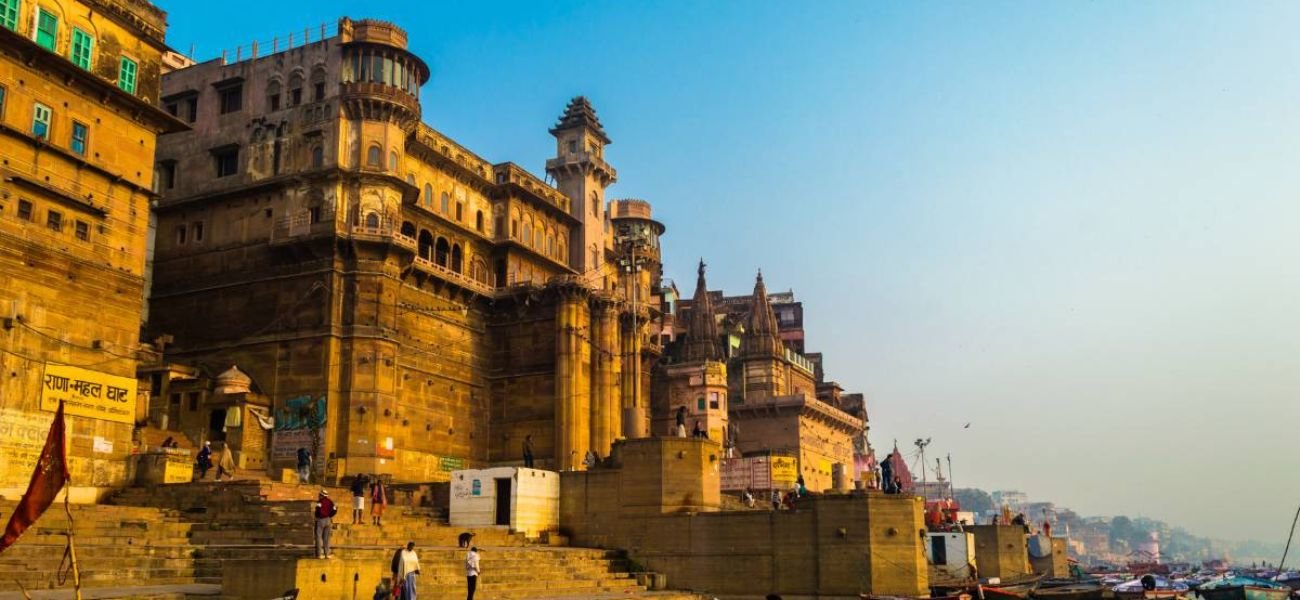
You stand on the ghats of Saryu, and you hear stories in the sound of water touching stone.
You walk through its lanes, and you feel devotion hiding in the scent of incense and flowers.
Our Ayodhya Tour Plan is made not for those who wish to tick places off a list, but for those who wish to feel — to sit under a temple tree, to watch diyas float away at dusk, and to understand why this city has never aged.
Ayodhya Travel Itinerary and Sightseeing Guide
We have kept this journey slow, because peace should never be hurried.
Each day carries its own meaning — like verses in an old epic.
Day 1 – Arrival and the First Light of Faith
You arrive in Ayodhya. The first thing you notice is silence — not emptiness, but peace.
After a short rest, you go to Shri Ram Janmabhoomi Temple, where faith feels almost alive.
When the evening aarti begins, the lamps rise like stars, and your heart feels quieter than it has in years.
Day 2 – Temples, Stories, and the River
Morning at Hanuman Garhi, where devotees chant Ram’s name as they climb the steps.
Then to Kanak Bhawan, a temple that looks like it was built out of sunlight.
You take a dip at Saryu Ghat, visit Dashrath Mahal, and end the day watching the sunset turn the river gold.
Day 3 – Ramayana’s Living Chapters
Travel to Guptar Ghat, where Lord Ram took Jal Samadhi, and to Bharat Kund, where his brother ruled in devotion.
You hear stories from priests — not as sermons, but as memories handed down like family tales.
Evening at Ram Ki Paidi, where thousands of diyas float on the Saryu, and for a moment, the world feels divine again.
Day 4 – Farewell, Not Goodbye
The final morning comes gently. You visit Treta Ke Thakur and Nageshwarnath Temple, offer your prayers, and then begin your journey home.
But as you leave, you realise — Ayodhya is not behind you. It is inside you now.
Best Places to Visit in Ayodhya for Pilgrims
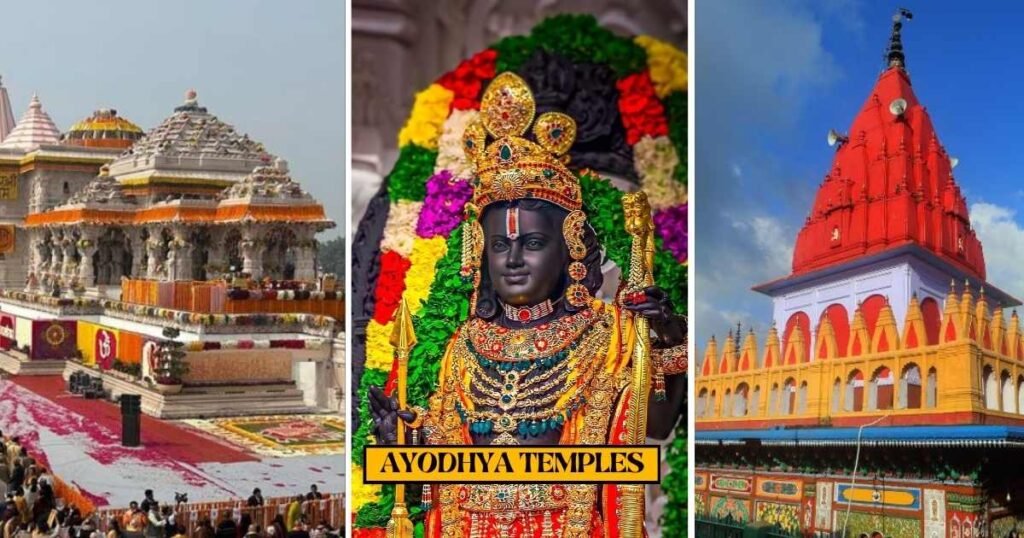
- Shri Ram Janmabhoomi Temple – The heart of Ayodhya, where devotion takes form.
- Hanuman Garhi – The guardian temple that watches over every devotee.
- Kanak Bhawan – Bright, golden, tender — a gift of love to Sita.
- Saryu Ghat – Where the river carries centuries of prayer.
- Dashrath Mahal – Where kings once ruled and love once waited.
- Treta Ke Thakur – The echo of ancient yajnas and sacred vows.
- Guptar Ghat – The place of Lord Ram’s quiet return to the divine.
Each place in this Ayodhya Tour Plan is not just a stop — it is a feeling.
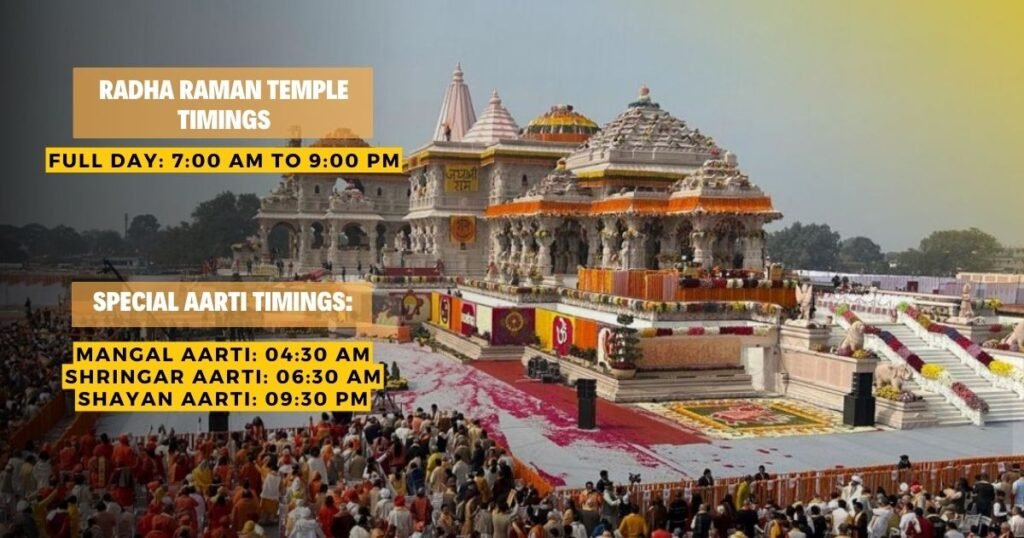
Ayodhya Temple Tour and Darshan Timings
- Ram Janmabhoomi Temple: 6 AM – 12 PM, 4 PM – 9 PM
- Hanuman Garhi: 5 AM – 10 PM
- Kanak Bhawan: 8 AM – 11 AM, 4 PM – 8 PM
- Saryu Aarti: Sunrise and Sunset
The temples follow time, but faith does not.
Even when the doors close, the sound of devotion remains — floating in the air like the smell of incense that never really fades.
When to Visit Ayodhya
Ayodhya does not belong to any season — but some months hold its charm more closely.
From October to March, the air is cool and kind; pilgrims walk freely through temples and ghats.
In August, during Janmashtami and Shravan, the city beats like a heart of devotion.
And during Deepotsav, millions of lamps turn the Saryu into a river of fire and faith — a sight one remembers in silence.
Whenever you come, Ayodhya will meet you halfway.
Why Choose Ayodhya Varanasi Tourism
Because we do not arrange tours — we guide journeys of the heart.
Our Ayodhya Tour Plan is shaped with patience, care, and respect for faith.
We choose calm stays, smooth routes, local experts who tell stories not from books, but from memory.
We walk beside you, not ahead of you.
When you travel with Ayodhya Varanasi Tourism, you travel with people who understand that devotion needs space, not schedules.
In the End
When you leave Ayodhya, you do not carry souvenirs.
You carry sound — the chant of “Ram Naam” that still echoes in your ears.
You carry sight — of countless diyas floating away into the night.
And you carry silence — the kind that doesn’t feel empty, but full.
Because Ayodhya does not end when you leave it; it begins when you remember it.
And when you travel through it with Ayodhya Varanasi Tourism, you don’t just see temples — you walk through a story that was written before you were born.
This is what an Ayodhya Tour Plan truly means — a journey that returns you not to a city, but to faith itself.
FAQs – Ayodhya Tour Plan
1. What makes Ayodhya special for travelers?
Its peace, its faith, and the way it turns every visitor into a pilgrim.
2. Which are the must-visit temples in Ayodhya?
Ram Janmabhoomi, Hanuman Garhi, Kanak Bhawan, Dashrath Mahal, Saryu Ghat, and Treta Ke Thakur.
3. What is the ideal duration of an Ayodhya trip?
Three to four days are perfect for a calm and complete darshan.
4. Is Ayodhya suitable for senior pilgrims?
Yes, we provide easy-paced travel with dedicated assistance.
5. Are darshan timings included in the plan?
Yes, the itinerary follows temple schedules and aarti hours.
6. What other destinations can be combined with Ayodhya?
You can add Varanasi, Prayagraj, or Chitrakoot for an extended pilgrimage.
7. Do you provide local guides?
Yes, local storytellers who know Ayodhya’s heart as much as its history.
8. What type of hotels do you offer?
Clean, peaceful accommodations close to main temples.
9. When is the best time to visit?
October to March, or during Deepotsav for the grandest experience.
10. Why choose Ayodhya Varanasi Tourism?
Because we walk with devotion, not deadlines — and we take you where faith lives quietly.