

Some sacred places announce themselves loudly. Bells ring without stopping. Crowds move in waves. Voices merge into chants that fill every inch of space.
And then there are places where devotion speaks softly.
Saryu Ghat in Ayodhya belongs to that quieter world.
Here, faith doesn’t ask you to participate immediately. It simply asks you to be present. Nothing demands attention. Nothing rushes you forward. Instead, everything waits—patiently—for you to notice.
When you first walk onto the banks of the Saryu River, there is no dramatic moment. No sudden silence. Life continues exactly as it was meant to. People stroll along the steps. Vendors arrange flowers without hurry. Children run ahead, laughing freely. The river flows on—steady, ancient, unconcerned with who has come to stand beside it.
But as evening approaches, something begins to change.
Not suddenly. Not loudly.
The air grows softer. Movements slow. Conversations lower on their own. And before you realize it, you are standing still—watching the Saryu Ghat Aarti unfold, feeling as though Ayodhya itself has paused to breathe.
About Ayodhya – A City That Holds Its Faith Gently
Ayodhya does not hurry anyone.
Even as the city grows and more pilgrims arrive each year, its core rhythm remains unchanged. Life here moves with memory—of Lord Ram, of exile and return, of patience, dignity, and quiet strength.
Temples do not compete for attention. Ghats do not try to outshine one another. Faith here feels grounded and unembellished, as if devotion doesn’t need display—only sincerity.
The Saryu River flows through the city like a living witness. Long before temples stood here, before stories were recorded, the river was already present. And even today, it carries the same calm forward, day after day.
About Saryu Ghat – Where Everyday Life Touches the Sacred
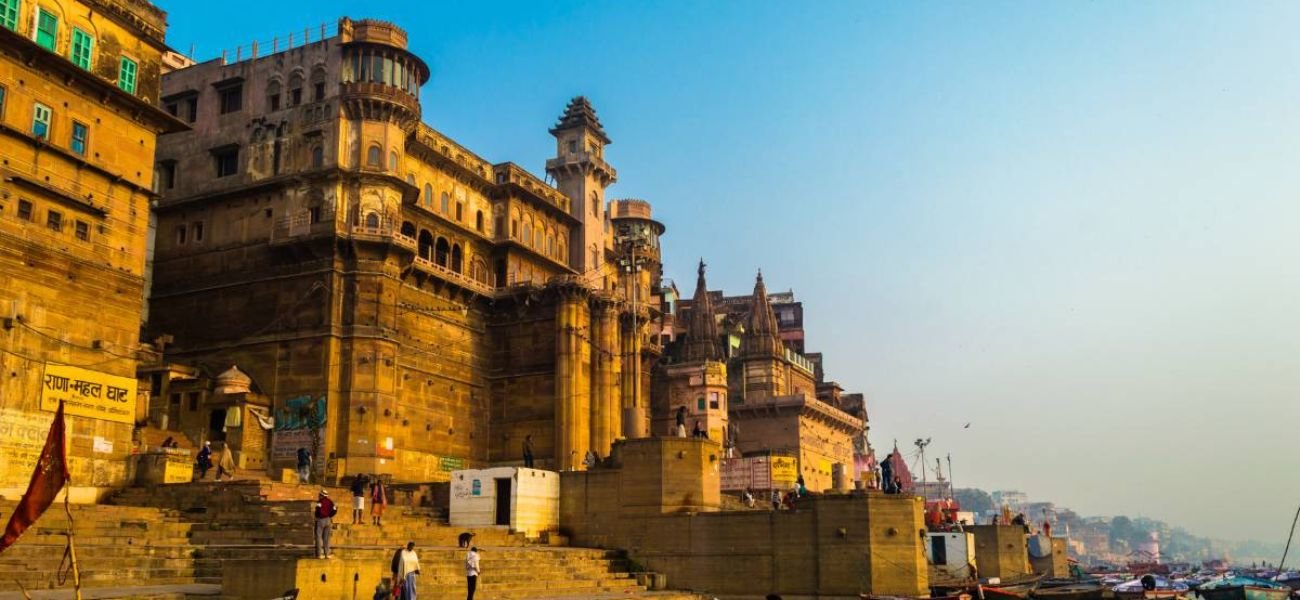
Saryu Ghat is not one single platform or staircase. It is a long, open stretch of riverbank that belongs equally to daily routine and spiritual reflection.
Mornings begin quietly. Locals step into the river for ritual baths. Saints sit facing the water, still and contemplative. Families arrive with simple offerings—flowers, lamps, prayers spoken softly.
There is no sharp division between ritual and routine here. Everything flows together, naturally.
As evening nears, preparations begin. Lamps are placed carefully. Priests move with calm intention. The sky changes colour, and the river mirrors it faithfully. The atmosphere softens, becoming more inward.
The Saryu river Aarti in Ayodhya is not meant to overwhelm your senses. It is meant to steady them.
Ayodhya Saryu Ghat Aarti Timings (Daily)
Knowing the timing helps—but the experience is never just about the clock.
Evening Saryu Ghat Aarti Time in Ayodhya
- Summer (March to October): 7:00 PM
- Winter (November to February): 6:00 PM
The Ayodhya Saryu river Aarti schedule follows sunset, so timings may shift slightly across seasons.
From experience:
Arriving about 30 minutes early allows you to witness the ghat settling into the evening. That quiet transition—when daylight fades and lamps are prepared—is as meaningful as the Aarti itself.
What the Saryu Aarti Feels Like
The Aarti does not begin with spectacle.
Chants rise gently—soft, steady, unhurried. Lamps are lifted together, casting a warm, grounded glow. The river reflects the flames without brilliance, only calm. Diyas are released into the water, each carrying something private—gratitude, remembrance, hope.
What stays with you is not the sight of the lamps.
It is the stillness they create.
People stop speaking without being asked. Phones slip into pockets. Children quieten naturally. For a few moments, everyone listens—to the river, to the chants, to themselves.
That is why many visitors feel the best time to attend Saryu Aarti in Ayodhya is not during festivals, but on an ordinary evening—when the river speaks in its softest voice.

Temples Near Saryu Ghat That Deepen the Experience
The Aarti feels richer when you understand the sacred landscape around it.
Ram Janmabhoomi Temple
The spiritual centre of Ayodhya. Visiting earlier in the day gives context and emotional grounding to the evening Aarti.
Temple Timings:
Morning: From 6:00 AM
Evening: Till around 9:00 PM (depending on crowd flow)
Hanuman Garhi
A short climb with a strong presence. Many devotees stop here before walking to Saryu Ghat.
Timings:
5:00 AM – 10:00 PM
Kanak Bhawan
Peaceful and intimate, devoted to Lord Ram and Sita.
Timings:
8:00 AM – 9:00 PM
These temples do not compete with the Aarti. They quietly prepare you for it.
Best Time to Visit Ayodhya & Saryu Ghat
October to March
The most comfortable season. Evenings are cool, and walking along the ghats feels effortless.
Festival Periods
Ram Navami, Diwali, and Kartik Purnima bring thousands of lamps and visitors. The Aarti becomes grander—but also more crowded.
Monsoon (July to September)
The river swells, and access becomes limited. The atmosphere is powerful, though less peaceful.
For reflection rather than spectacle, simple evenings often leave the strongest impression.
Rituals, Festivals & Celebrations at Saryu Ghat
Ram Navami
Ayodhya fills with devotion. The Aarti carries a celebratory energy while remaining respectful and composed.
Diwali
The city transforms into a sea of light. Diyas float endlessly on the river, creating a memory that stays with you long after.
Kartik Purnima
Highly auspicious for river worship. The Aarti feels slower, deeper, and more contemplative.
Even during large gatherings, the ritual retains its calm, grounded essence.
Nearby Places to Visit Around Saryu Ghat
If time allows, these places add depth to your journey:
- Guptar Ghat: Quiet and reflective
- Nageshwarnath Temple: Ancient and symbolic
- Tulsi Smarak Bhawan: Cultural and literary heritage
- Faizabad: Local markets and historical texture
Many travellers choose Saryu Ghat as the final stop of the day—to end in stillness.
How to Reach Ayodhya Saryu Ghat
By Car
Well-connected from Lucknow, Varanasi, and Prayagraj. Parking is available in designated zones; walking near the ghat is part of the experience.
By Train
Ayodhya Junction and Ayodhya Dham stations connect major cities. Autos and e-rickshaws are easily available.
By Air
Maharishi Valmiki International Airport, Ayodhya. A 30–40 minute drive brings you to Saryu Ghat.
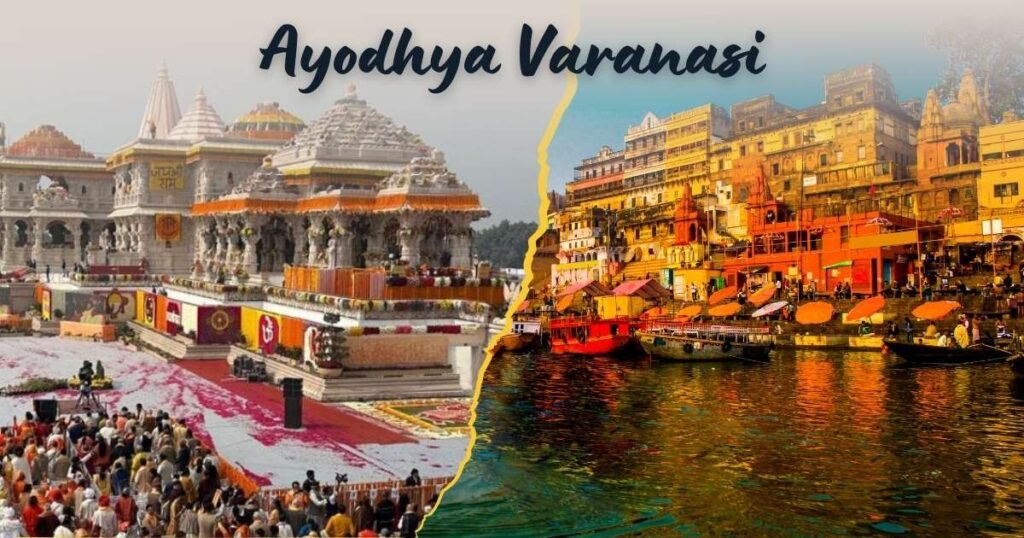
Many travellers prefer planning support from Ayodhya Varanasi Tourism to manage temple timings and ghat visits smoothly.
Simple Ways to Experience the Aarti Better
Arrive early and move slowly
Sit if you feel like sitting—there is no rule
Light a diya quietly, for yourself
Avoid flash photography
Stay a while after the Aarti ends—the silence matters
The lamps fade.
The river doesn’t.
FAQs – Ayodhya Saryu Ghat Aarti
1. What are the daily Ayodhya Saryu Ghat Aarti timings?
The Saryu Ghat Aarti is held every evening around sunset. In summer, it usually begins between 6:30 PM and 7:00 PM, while in winter it starts between 5:30 PM and 6:00 PM.
2. Is the Saryu Ghat Aarti performed every day in Ayodhya?
Yes, the Saryu Ghat Aarti takes place daily, except during extreme weather conditions or special administrative restrictions.
3. Where is Saryu Ghat located in Ayodhya?
Saryu Ghat is located along the banks of the Saryu River in Ayodhya, close to major temples such as Ram Janmabhoomi, Hanuman Garhi, and Kanak Bhawan.
4. What is the best time to attend Saryu Aarti in Ayodhya?
The best time to attend the Saryu Aarti is on a calm weekday evening between October and March, when the weather is pleasant and the atmosphere feels unhurried.
5. Is there any entry fee for Saryu Ghat Aarti?
No, there is no entry fee or ticket required. The Aarti is open to everyone.
6. How long does the Saryu Ghat Aarti ceremony last?
The Aarti usually lasts around 20 to 30 minutes, followed by a period when many visitors remain seated in quiet reflection.
7. Can older citizens and children attend the Saryu Ghat Aarti comfortably?
Yes, the ghat is suitable for all age groups. However, visitors should be cautious while walking on the steps, especially after sunset.
8. Are diyas and flowers available near Saryu Ghat?
Yes, small vendors near the ghat sell diyas, flowers, and simple offerings throughout the day and evening.
9. Is photography allowed during the Saryu Ghat Aarti?
Photography is generally allowed, but visitors are encouraged to avoid flash photography and excessive filming to preserve the peaceful atmosphere.
10. Which temples can be visited along with Saryu Ghat Aarti?
Ram Janmabhoomi Temple, Hanuman Garhi, Kanak Bhawan, and Nageshwarnath Temple are commonly visited before attending the evening Aarti.