

There are some places you don’t just visit, you slowly understand them as you move through them, and Ram Mandir Ayodhya UP feels exactly like that. At first, you think it’s just about darshan, timings, and reaching on time, but once you actually stand there, things shift a little. The security layers, the movement of devotees, the silence between chants, all of it creates a rhythm you don’t really expect before arriving. Many people plan this trip thinking it will be quick, but then they realize that the experience depends less on how fast you move and more on when and how you enter the temple. And that’s where most first-time visitors get confused, not because information is missing, but because the ground reality works differently than expected.
Quick Overview of Ram Mandir Ayodhya UP Darshan
| Details | Information |
| Location | Ayodhya, Uttar Pradesh |
| Main Temple | Shri Ram Janmabhoomi Mandir |
| Morning Darshan | 7:00 AM – 11:30 AM |
| Afternoon Break | 11:30 AM – 2:00 PM |
| Evening Darshan | 2:00 PM – 7:00 PM |
| Best Arrival Time | Before 6:30 AM |
| VIP Darshan | Free (Online Pass Required) |
Ram Mandir Ayodhya UP – What You Should Know Before You Go
Most people search for Ayodhya Ram Mandir darshan timings, but timing alone doesn’t give you the full picture. Because even if you reach exactly at 7:00 AM, you might still spend time navigating queues and security checks. So instead of just following the official timing, it helps to think in terms of flow.
Early morning feels calmer, not empty, but manageable. By 9:00 AM, the crowd starts building steadily, and by late morning, the waiting time increases without you realizing how quickly it happened. So while the temple opens at 7:00 AM, the smarter approach is reaching around 6:15 AM to 6:30 AM.
Complete Darshan & Aarti Timings (2026 Updated)
| Darshan / Aarti | Time |
| Mangala Aarti | 4:00 AM |
| Shringar Aarti | 6:00 AM – 6:30 AM |
| Morning Darshan | 7:00 AM – 11:30 AM |
| Temple Closed (Bhog) | 11:30 AM – 2:00 PM |
| Evening Darshan | 2:00 PM – 7:00 PM |
| Shayan Aarti | 10:00 PM |
There’s something most people don’t notice here. While darshan timings are fixed, the experience changes depending on which slot you choose. Morning darshan feels structured and calm, whereas evening darshan feels more energetic and crowded.

Sugam Darshan (VIP Pass) – What Actually Helps
Now this is where confusion usually happens. People assume VIP darshan means paid entry, but that’s not the case here.
- Sugam Darshan Pass: Free of cost
- Booking: Available 30 days in advance
- Platform: Official trust website or Ayodhya Varanasi Tourism
Having this pass doesn’t remove the experience, it simply reduces waiting time. However, even with a pass, security checks remain the same.
Temple Entry Rules & On-Ground Reality
This part often gets overlooked, but it matters more than people think.
- Mobile phones are not allowed inside
- Bags, electronics restricted
- Locker facilities available outside
- Walking distance required after main entry point
Because of these restrictions, even a simple visit takes time. So if you’re planning tightly, things can feel rushed.
Also, footwear stands are slightly away from the temple, so always keep extra time for that.
History & Significance – Why This Place Feels Different
When you stand inside Ram Mandir Ayodhya UP, it’s not just about the structure or the scale, it’s about what the place represents for millions of people. The temple is built at the believed birthplace of Lord Ram, and that belief carries a certain weight that you can actually feel in the environment.
Unlike other temples where you move quickly through darshan, here people pause more, even if it’s just for a few seconds. And that pause feels different.
Festivals That Change the Entire Experience
Timing your visit around festivals can completely change how the place feels.
- Ram Navami (March–April) – Peak celebration, very high crowd
- Diwali (October–November) – Entire Ayodhya lit up beautifully
- Makar Sankranti (January) – Moderate crowd, pleasant weather
However, while festivals look attractive, they also bring heavy crowd pressure. So if your goal is peaceful darshan, avoid peak festival days.
Nearby Places You Should Visit Alongside
Once you’re done with the main temple, there are a few places nearby that naturally fit into your route.
- Hanuman Garhi Temple – Around 1 km, slight climb but worth it
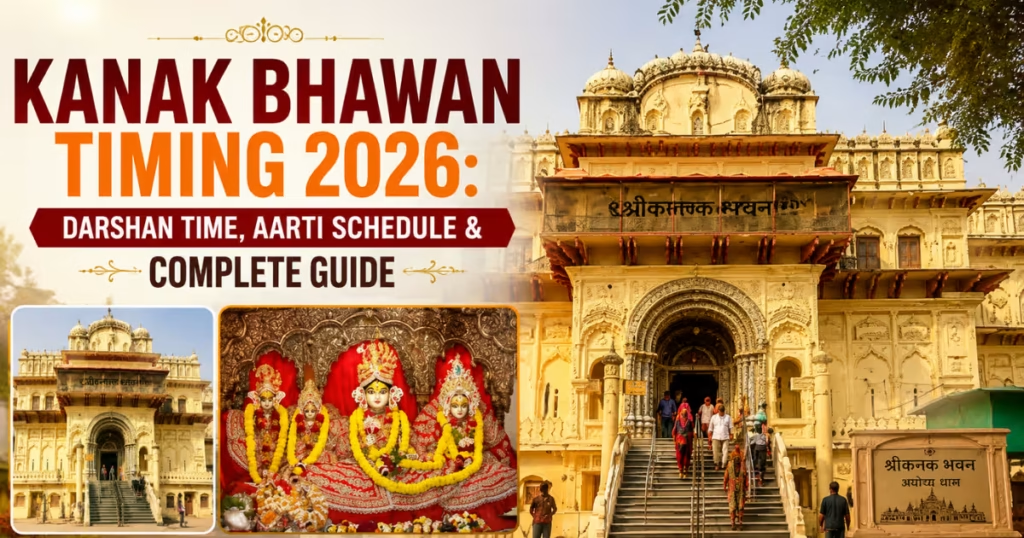
- Kanak Bhawan – Calm atmosphere, less crowded
- Saryu River Ghats – Best during sunset
These places aren’t far, but they change the overall experience because they allow you to slow down a bit.
Real Insight: What Most People Realize After Visiting
Here’s something that doesn’t come up in most Ram Mandir Ayodhya travel guide articles. The actual challenge isn’t reaching the temple or finding the timings, it’s managing your own pace. Because everything here moves in a flow, and if you try to rush, you’ll feel tired faster than expected.
So instead of trying to cover everything quickly, keep small pauses in between. Sit near the ghats, take a break after darshan, and let the experience settle a little.
Cost Breakdown for Your Trip
| Expense Type | Approx Cost |
| Local Transport | ₹100 – ₹300 |
| Food Per Day | ₹200 – ₹500 |
| Locker Charges | ₹50 – ₹100 |
| VIP Darshan | Free |
The trip itself is not expensive, but unplanned expenses can increase your budget slightly.
Planning Support Partner
Planning a visit to Ram Mandir Ayodhya UP looks simple until you start dealing with timing gaps, entry restrictions, and crowd movement. Things don’t always go exactly as planned, especially during peak hours. That’s where having a practical support option like Ayodhya Varanasi Tourism makes a difference. Instead of guessing the best time or route, you get a clearer plan that matches real on-ground conditions, which honestly reduces confusion and helps you focus more on the experience rather than logistics.
Contact Ayodhya Varanasi Tourism Today:
Call Us: +91 7300620809
WhatsApp Us: +91 7300620809
Visit Our Website: Ayodhya Varanasi Tourism
Email: ayodhyavaranasitourism@ayodhyavaranasitourismgmail-com
Ayodhya Varanasi Tourism is a Unit of Experience My India
Experience My India Trip Advisor Review
How to Reach Ram Mandir Ayodhya UP
🚗 By Car
- Lucknow to Ayodhya: 135 km (3–4 hours)
- Smooth highway connectivity
🚆 By Train
- Nearest Station: Ayodhya Dham Junction
- Well connected with major cities
✈️ By Air
- Nearest Airport: Maharishi Valmiki Airport Ayodhya
- Local transport required after landing
Conclusion
When you plan a visit to Ram Mandir Ayodhya UP, it usually starts with checking timings, routes, and entry rules, but somewhere during the journey, those details stop feeling important and what stays with you is the moment you actually stood there, even if just for a few seconds, without thinking about the next step or the next place, and maybe that’s what makes this visit different, because it’s not about how long you stayed or how much you covered, but about whether you allowed yourself that one quiet pause where everything else just slowed down naturally.
FAQs – about Ram Mandir Ayodhya UP
The Ram Mandir Ayodhya UP darshan timings are 7:00 AM – 11:30 AM in the morning and 2:00 PM – 7:00 PM in the evening, with a break in between for temple rituals.
Early morning around 6:30 AM arrival is considered the best time, as the crowd is more manageable and darshan feels less rushed.
No, entry for darshan at Ram Mandir Ayodhya UP is completely free, but optional donations can be made voluntarily.
Sugam Darshan passes are free and can be booked online up to 30 days in advance through the official trust website or authorized travel partners.
No, mobile phones and electronic items are not allowed inside the temple premises, and lockers are available outside for storage.
The main aartis include Mangala Aarti at 4:00 AM, Shringar Aarti at 6:00–6:30 AM, and Shayan Aarti at 10:00 PM.
Depending on the crowd, darshan can take anywhere between 30 minutes to 2 hours, especially during weekends and festivals.
The nearest station is Ayodhya Dham Junction, which is well connected to major cities across India.
You can visit Hanuman Garhi Temple, Kanak Bhawan, and the Saryu River Ghats, all located within a short distance.
Festivals like Ram Navami and Diwali offer a grand experience, but regular days provide a more peaceful and less crowded darshan.