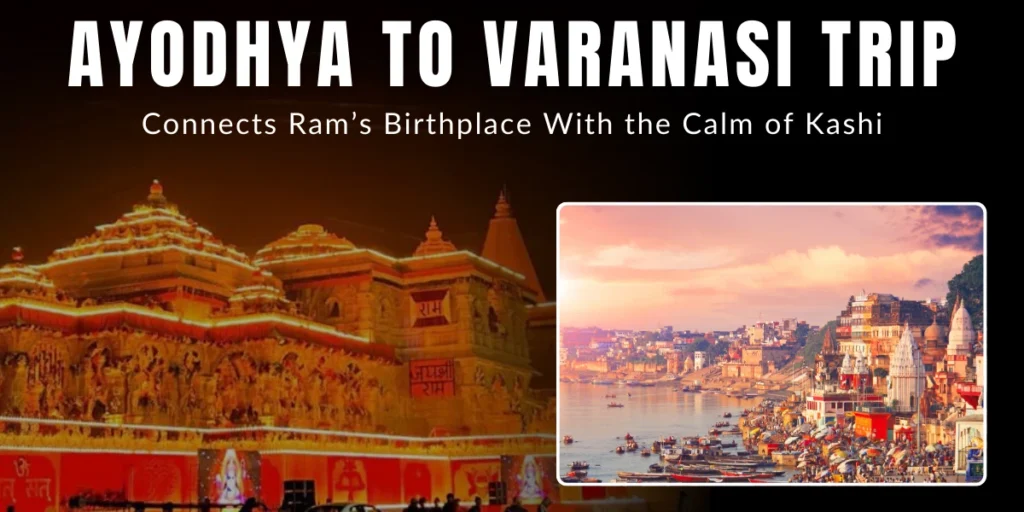


There’s a quiet misconception around five-day pilgrimages. That a little extra time automatically means depth. In reality, five days only work when the journey is allowed to breathe. Otherwise, it turns into exactly what most people are trying to avoid — rushed darshan, tired evenings, and a sense that something important slipped past unnoticed.
An Ayodhya Varanasi 5 Days tour itinerary isn’t about efficiency. It’s about rhythm. Ayodhya and Varanasi don’t ask for the same energy. One steadies you. The other unsettles you. When the order, pacing, and daily load are handled gently, five days feel enough. When they’re not, even seven feel incomplete.
This guide is written from repeated on-ground observation — how queues really move, when fatigue quietly sets in, and why certain hours feel heavier than others. It’s not meant to impress. It’s meant to help the journey feel right.
Table of Contents
ToggleUnderstanding the Ayodhya–Varanasi Flow Before Planning Anything
Ayodhya carries restraint. Even when it’s crowded, the movement feels regulated. Darshan happens within boundaries. Silence exists between steps.
Varanasi doesn’t offer that containment. It flows outward. Sound, smoke, chants, daily life, death rituals — everything exists together, without separation. You don’t structure Varanasi. You adapt to it.
That’s why this Ayodhya Varanasi 5 Days tour itinerary begins in Ayodhya. The grounding matters. Entering Varanasi without that mental settling often leads to exhaustion instead of reflection.
Day 1: Arrival in Ayodhya – Letting the Journey Begin Slowly
Most travellers reach Ayodhya by late morning or early afternoon. The instinct is to rush straight to the temple. That rarely helps.
After check-in, take time to rest. Long-distance travel drains more than people realise, especially when faith pulls the mind forward faster than the body can follow.
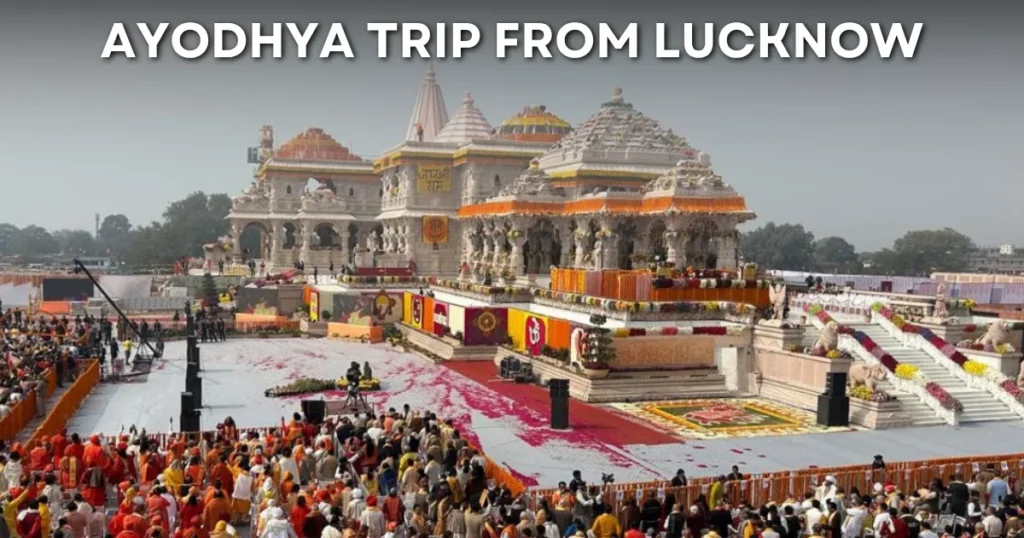
Late afternoon is ideal for Ram Janmabhoomi darshan. Entry is controlled and waiting is unavoidable, but the system is organised. The moment inside feels quieter than expected. Brief, but steady.
In the evening, walk toward Hanuman Garhi. The climb naturally slows everyone down. Many travellers notice that this visit emotionally balances the day.
Overnight stay in Ayodhya.
Local Guide Tip
Avoid carrying unnecessary items. Smaller belongings move faster through security and reduce stress.
Day 2: Ayodhya Darshan, Lanes, and the Saryu’s Calm
Begin the morning with Kanak Bhawan. This is where people tend to pause without planning to. The atmosphere invites lingering.
Follow with Nageshwarnath Temple, then spend time walking through old Ayodhya lanes. These walks matter more than ticking off temples. They show how devotion lives outside structured spaces.
After lunch, return to the hotel and rest. Ayodhya afternoons are not meant for activity. They are meant for slowing down.
Evening by the Saryu River brings a different kind of quiet. There’s no pressure to perform devotion here. Sitting is enough.
Overnight stay in Ayodhya.
Local Guide Tip
Ayodhya closes early in spirit, even if not officially. Finish movement before night sets in.
Day 3: Ayodhya to Varanasi – Transition Without Pressure
This is a travel day. Treat it like one.
Start early. Roads stretch longer during peak seasons, and delays are common. Carry water, light food, and patience.
On reaching Varanasi, check in and rest. The city demands energy, and arriving tired makes everything feel heavier.
In the evening, attend Ganga Aarti at Dashashwamedh Ghat. It will be crowded. Loud. Emotionally charged. Standing slightly away from the centre often gives better clarity than fighting for a front spot.
Overnight stay in Varanasi.
Local Guide Tip
Let the aarti be your only engagement for the evening. Varanasi settles slowly.
Day 4: Varanasi – Morning Truth, Afternoon Rest, Quiet Evening
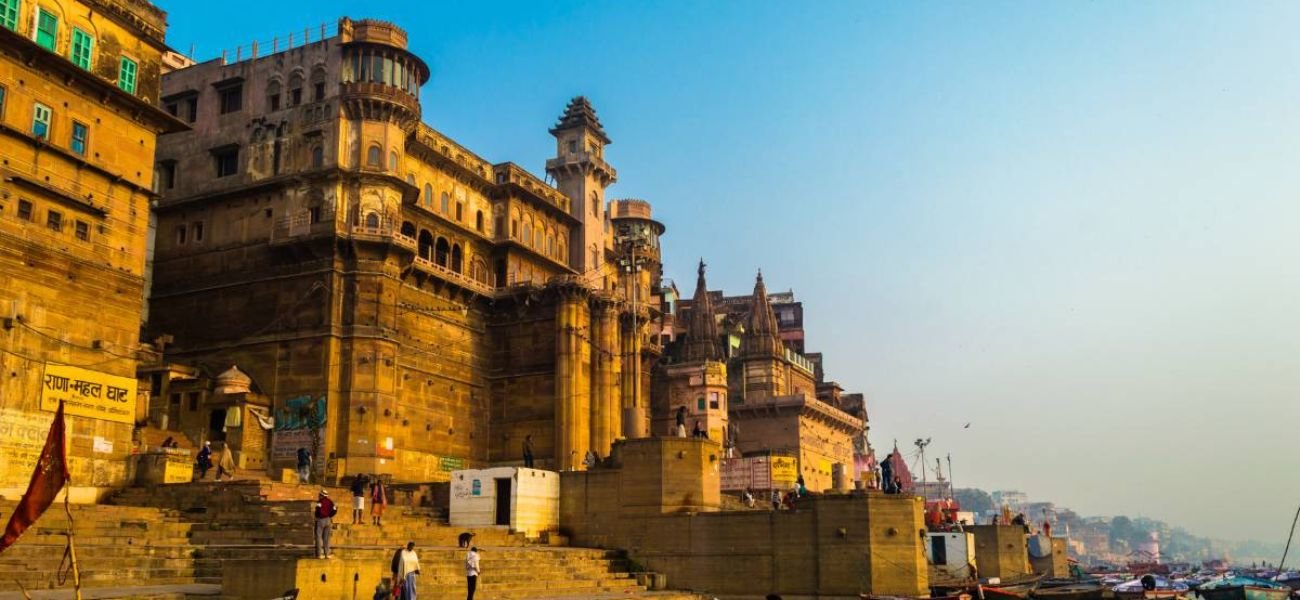
Begin before sunrise with a Ganga boat ride. Early hours reveal Varanasi without resistance. Rituals unfold naturally. The river feels open.
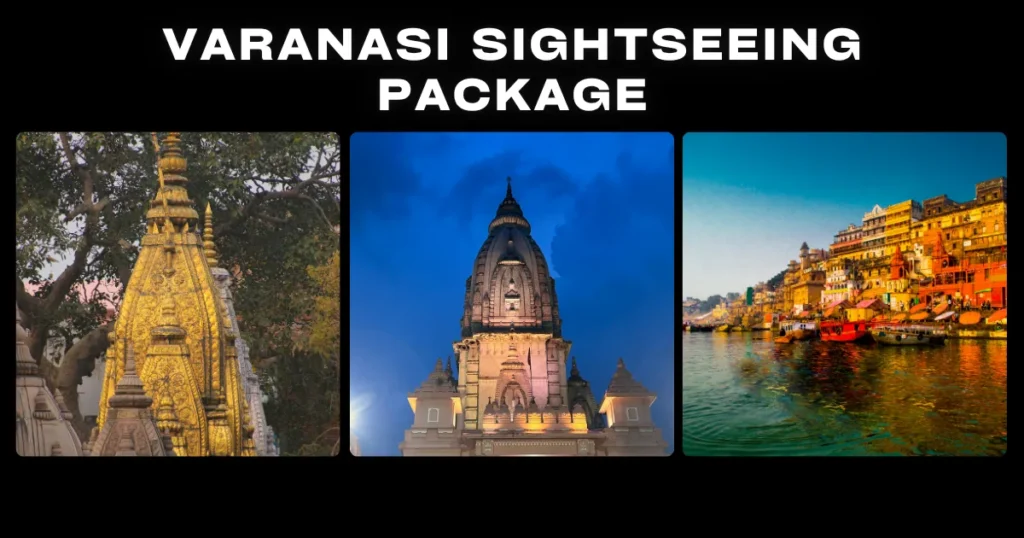
Afterward, proceed to Kashi Vishwanath Temple. Early entry reduces crowd pressure and keeps the experience manageable. Darshan is brief, but the impact lingers.
Visit Annapurna Temple later in the morning, then return for rest. Varanasi walking fatigue arrives quietly and accumulates.
The evening should remain light. A walk near Assi Ghat or sitting with tea along a quieter stretch often brings more reflection than another planned activity.
Overnight stay in Varanasi.
Local Guide Tip
Eat lightly on temple days. Physical comfort makes spiritual waiting easier.
Day 5: Sarnath and a Gentle Ending
Sarnath offers space. After days of intensity, that matters.
Visit the stupa area and museum at an unhurried pace. There’s no need to absorb everything intellectually. The stillness does its own work.
After lunch, prepare for departure according to your schedule. Ending the journey without rushing is important. This is where many trips quietly succeed or fail.
Crowd Reality and Who This Itinerary Suits Best
Crowds are part of both cities, especially in Varanasi. This itinerary suits:
• First-time pilgrims
• Senior travellers with support
• Families seeking depth over speed
• Solo travellers comfortable with silence
It’s not ideal for fast-paced sightseeing or those uncomfortable with waiting.
Planning Support Partner
Many travellers underestimate how emotionally tiring this circuit can be. Managing temple timings, crowd surges, and intercity transfers on your own often distracts from the spiritual purpose.
As a planning support partner, Ayodhya Varanasi Tourism helps travellers move through this yatra calmly. Not by overloading schedules, but by understanding when to pause, when to move, and when to simply wait. That quiet planning makes the journey feel complete rather than exhausting.
Contact Ayodhya Varanasi Tourism Today:
Call Us: +91 7300620809
WhatsApp Us: +91 7300620809
Visit Our Website: Ayodhya Varanasi Tourism
Email: ayodhyavaranasitourism@gmail.com
FAQs – Ayodhya Varanasi 5 Days Tour Itinerary
Yes, if paced properly. You won’t see everything, but you’ll feel settled rather than rushed.
Ayodhya first. It steadies the mind before entering Varanasi’s intensity.
Yes, with early starts, nearby hotels, and planned rest periods.
Crowds exist daily. Early mornings remain the calmest window.
Yes. Afternoons are intentionally lighter to prevent burnout.
Yes. It provides emotional balance after Varanasi.
Clean, accessible hotels near temple routes matter more than luxury.
Not avoided, but approached carefully. Planning support becomes essential.
Moderate. Walking and queues are involved, but nothing extreme if paced well.
Patience. These cities respond better when control is loosened.
Conclusion
An Ayodhya Varanasi 5 Days tour itinerary isn’t about how much you manage to do. It’s about how the journey leaves you feeling.
Ayodhya grounds you.
Varanasi confronts you.
When you allow both cities their own pace, five days don’t feel short. They feel sufficient. Quietly complete.