
If you’ve ever tried planning Maha Shivratri in Varanasi, you already know the confusion. Dates feel clear on paper, but temple timings shift with crowds. Night pujas stretch longer than expected. And the biggest question always lingers in the background. When exactly should you be there to feel the real Kashi Shivratri, not just watch it from the outside?
In my experience, Maha Shivratri 2026 in Varanasi isn’t about ticking off rituals. It’s about pacing yourself with the city. Kashi doesn’t rush. The ghats don’t announce schedules loudly. You follow the rhythm, often by watching locals, not signboards. When planned right, Shivratri here feels intense but grounding. When rushed, it can feel overwhelming.
This guide walks you through the actual flow of Maha Shivratri in Varanasi. Dates, timings, night rituals, and what the city feels like hour by hour. Not in a textbook way. In a lived, practical way.
About Maha Shivratri in Varanasi (Kashi)
Varanasi doesn’t treat Maha Shivratri as a single night. It treats it like a spiritual season.
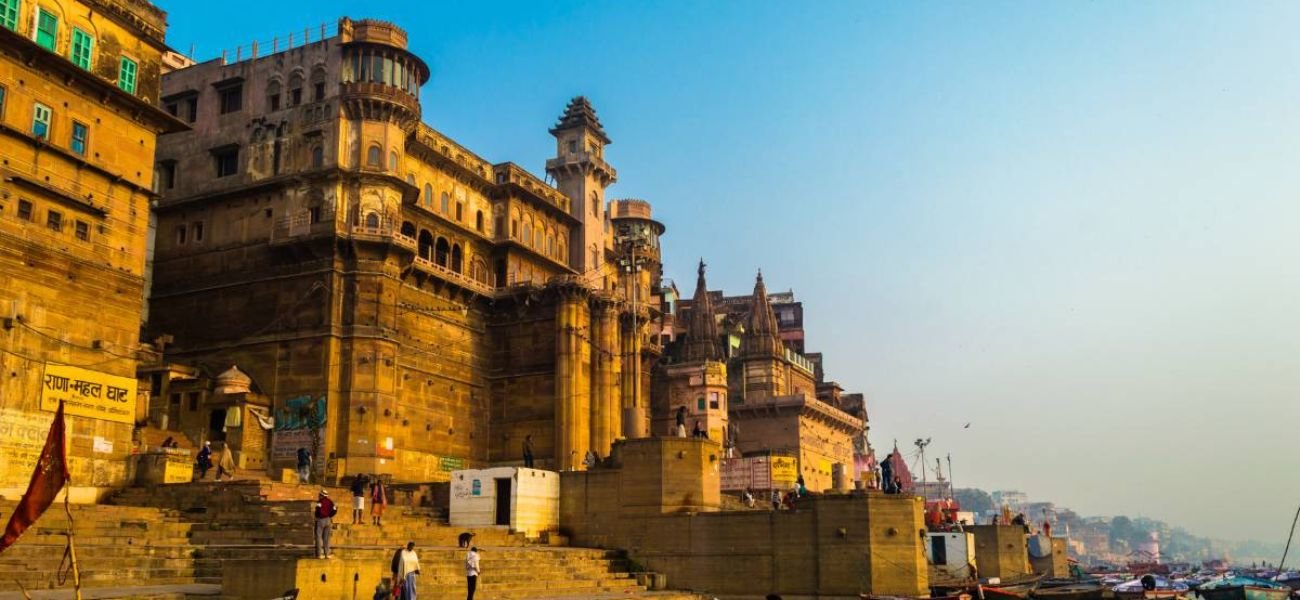
For devotees, Kashi is Shiva’s city. Not symbolically. Literally. Locals often say that on Maha Shivratri, the city doesn’t sleep because Shiva himself doesn’t. You notice this as evening approaches. Shops stay open longer. Tea stalls multiply. People walk with a sense of purpose, not excitement. Quiet determination.
What surprises many first-time visitors is how calm the devotion feels, even with huge crowds. There’s chanting, yes. Bells, yes. But there’s also patience. Long waits. Slow walking. It’s intense, but inward.
The Spiritual Context That Shapes Shivratri in Kashi
Maha Shivratri in Varanasi isn’t only about fasting or night vigil. It’s about presence.
According to belief, those who worship Lord Shiva in Kashi on Shivratri receive freedom from the cycle of birth and death. That belief draws pilgrims from every corner of India. Sadhus from the Himalayas. Families from nearby districts. First-time visitors who don’t fully know the rituals but feel pulled here anyway.
Surprisingly, nobody looks out of place. Whether someone is chanting Rudram or simply sitting silently on a ghat, Kashi accommodates all forms of devotion.
Maha Shivratri 2026 Date and Tithi Details
Maha Shivratri 2026 – Official Date
- Maha Shivratri (Shiv Chaudas): Sunday, 15 February 2026
- The night vigil and major pujas continue into early morning of Monday, 16 February 2026
Chaturdashi Tithi Timing
- Chaturdashi Begins: 05:04 PM on 15 February 2026
- Chaturdashi Ends: 05:34 PM on 16 February 2026
Because Chaturdashi spans the full night, Shivratri vrat is observed on 15 February, with parana the next day.
Pooja Timings for Maha Shivratri 2026 in Varanasi
Nishita Kaal Puja Time (Most Auspicious)
- 12:09 AM to 01:01 AM (16 February 2026)
- Duration: 51 minutes
This is when most devotees aim for darshan at Kashi Vishwanath Temple, though crowd pressure is at its highest.
Ratri Prahar-wise Puja Timings
- First Prahar: 06:11 PM – 09:23 PM
- Second Prahar: 09:23 PM – 12:35 AM
- Third Prahar: 12:35 AM – 03:47 AM
- Fourth Prahar: 03:47 AM – 06:59 AM
In my experience, the third and fourth prahar feel the most meditative. Fewer people. More silence. Deeper focus.
Shivratri Parana Time
- 16 February 2026: 06:59 AM – 03:24 PM

Kashi Vishwanath Temple Darshan Reality on Shivratri
Crowd and Movement Reality
On Maha Shivratri, darshan at Kashi Vishwanath is highly regulated. Barricades, walking lanes, and police guidance shape your movement. Waiting times vary wildly.
- Peak crowd: 09:30 PM to 01:30 AM
- Moderate crowd: Early evening and post-3:30 AM
- Calmer window: After 4:30 AM
Not everything is black and white here. VIP darshan exists, but access depends on crowd pressure, not just passes.
Local Guide Tip
If your goal is spiritual focus rather than “I was there at midnight,” choose early morning darshan. The energy is calmer. The experience lasts longer in memory.
Festival Atmosphere Across Varanasi on Shivratri
Maha Shivratri celebrations in Varanasi extend beyond the main temple.
You’ll see:
- Shiva processions moving through old city lanes
- Akharas with sadhus offering blessings
- Continuous bhajan-kirtan near ghats
- Devotees carrying Ganga jal for abhishek
Unlike other festivals, there’s less spectacle and more stillness. Even celebrations feel inward.
Things to Do During Maha Shivratri in Varanasi
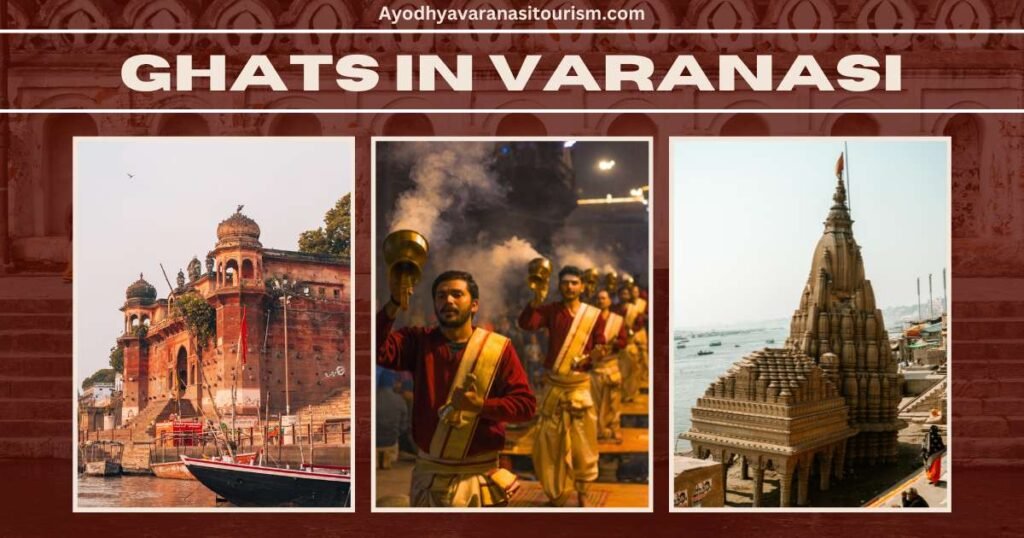
Ghats During Shivratri Night
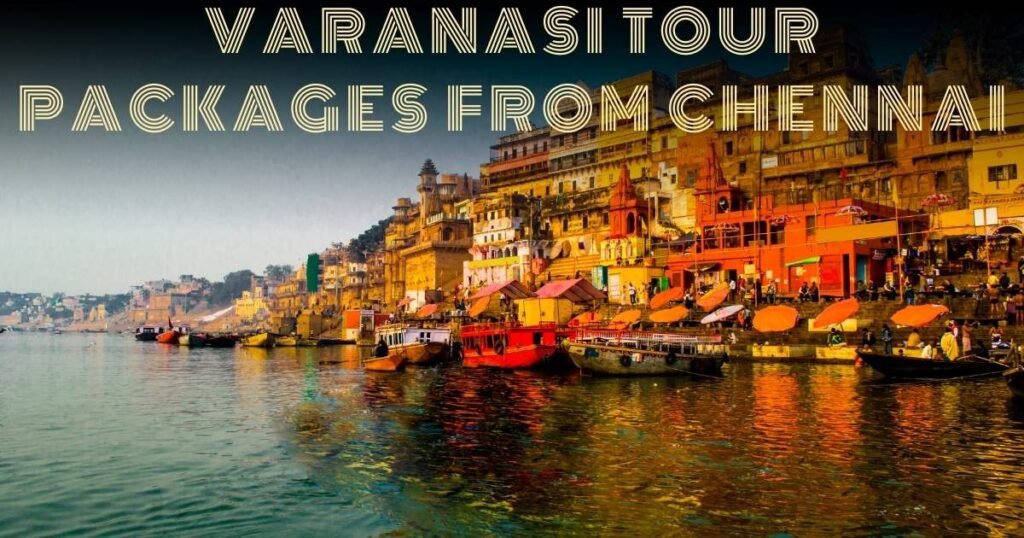
Assi Ghat and Dashashwamedh Ghat stay active through the night. Lamps float on the river. People sit quietly, wrapped in shawls. Some chant softly. Others just watch the Ganga flow.
Morning Ganga Snan
Post-Shivratri sunrise sees devotees taking a holy dip. The water is cold. The mood is solemn. No rush. Just ritual.
Exploring the Old City
By late morning on 16 February, the city slows down. Shops reopen. Pilgrims rest. This is the best time to walk without pressure.
Best Way to Plan the Trip Without Stress
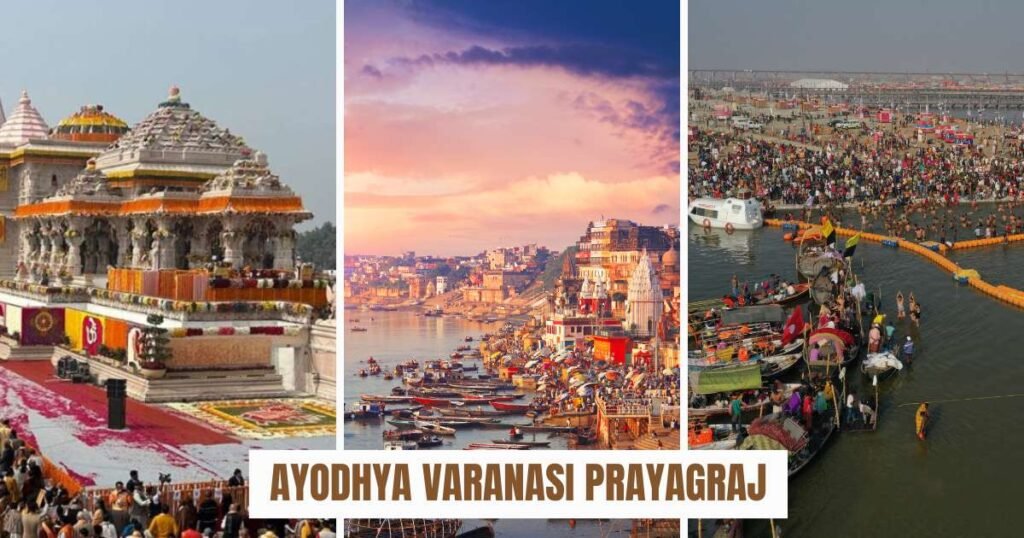
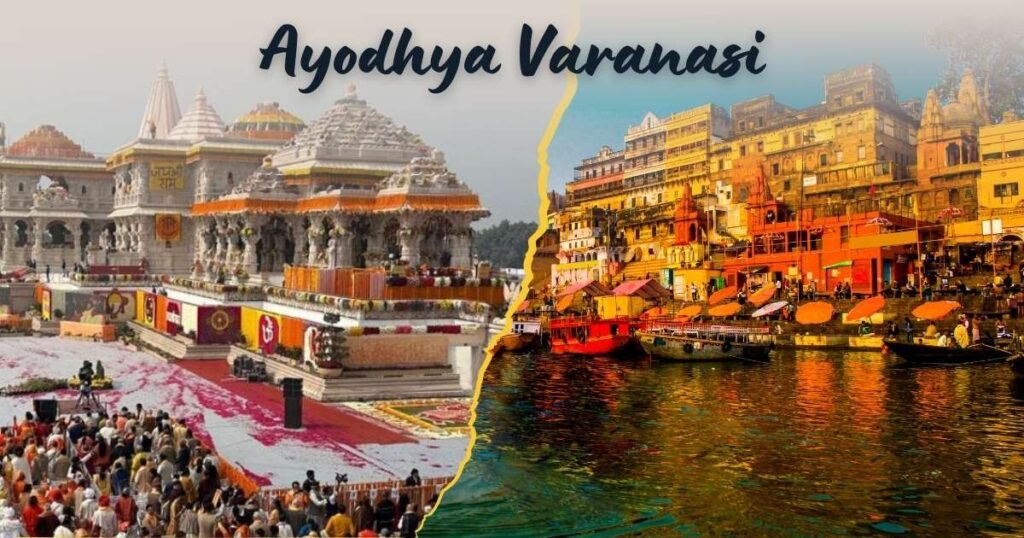
Many travellers combine Maha Shivratri with nearby spiritual circuits. That’s where structured planning helps.
Travellers using Ayodhya Varanasi Tour Package options often prefer fixed darshan windows, guided routes, and buffer time for rest. In my experience, this suits first-time visitors and older pilgrims best.
If you’re combining Ayodhya, Varanasi, or Prayagraj, an Ayodhya Varanasi Tour Package allows smoother movement between cities during festival congestion. Not mandatory, but helpful.
Why Timing Matters More Than Distance
People often ask whether staying closer to the temple guarantees better darshan. Honestly, not always.
What matters more:
- Knowing which prahar you’re aiming for
- Entering queues when locals do
- Avoiding last-minute panic
This is where experienced planning support, like that offered through an Ayodhya Varanasi Tour Package, quietly makes a difference without feeling forced.
Local Guide Tips for Maha Shivratri in Varanasi
- Carry minimal belongings. Security checks are strict.
- Wear layered clothing. Nights get cold, waiting is long.
- Eat light before evening. Heavy food slows you down.
- Keep one flexible time window. Shivratri never runs exactly on schedule.
FAQs – Maha Shivratri 2026 in Varanasi
Maha Shivratri will be observed on Sunday, 15 February 2026 in Varanasi. The main night-long worship continues into the early hours of Monday, 16 February 2026, which is when most devotees complete their vigil.
The most auspicious Nishita Kaal Puja falls between 12:09 AM and 01:01 AM on 16 February 2026. This window is considered ideal for offering prayers to Lord Shiva in Kashi.
Chaturdashi Tithi begins at 05:04 PM on 15 February 2026 and ends at 05:34 PM on 16 February 2026. Because the tithi spans the full night, Shivratri vrat is observed on 15 February.
The four Prahars are divided as follows:
First Prahar: 06:11 PM – 09:23 PM
Second Prahar: 09:23 PM – 12:35 AM
Third Prahar: 12:35 AM – 03:47 AM
Fourth Prahar: 03:47 AM – 06:59 AM
Late night around Nishita Kaal is spiritually powerful but extremely crowded. In my experience, early morning after 4:30 AM on 16 February is calmer and more suitable for older devotees and first-time visitors.
Shivratri Parana can be done on 16 February 2026, between 06:59 AM and 03:24 PM. It’s advised to complete parana only after sunrise and proper rituals.
Crowds are very heavy from evening till midnight on 15 February 2026. The city remains busy all night, but movement becomes easier during early morning hours after the main night rituals are over.
Yes, major ghats like Dashashwamedh and Assi remain active all night. Devotees gather for chanting, meditation, and quiet prayers, especially during the late-night Prahars.
Yes, security arrangements are strong during Shivratri. Still, it’s best to follow police instructions, avoid carrying large bags, and stay patient during long waiting periods.
Ideally, plan 2 to 3 days. One day for arrival and settling in, one full day and night for Shivratri rituals on 15–16 February 2026, and an extra morning to experience the ghats peacefully after the festival.
Conclusion
Maha Shivratri 2026 in Varanasi isn’t about perfection. It’s about presence.
You might miss a prahar. You might wait longer than planned. And you might not see everything you imagined. And still, the experience stays with you. Because Kashi doesn’t offer events. It offers moments.
Contact Ayodhya Varanasi Tourism Today:
Call Us: +91 7300620809
WhatsApp Us: +91 7300620809
Visit Our Website: Ayodhya Varanasi Tourism
Email: ayodhyavaranasitourism@gmail.com
Ayodhya Varanasi Tourism is a Unit of Experience My India
Experience My India trip advisor review – Click Here
When you align your timing with the city, respect its pace, and leave space for silence, Maha Shivratri here becomes more than a festival. It becomes a memory that feels personal, even among millions.
And that, honestly, is what keeps people coming back to Kashi.