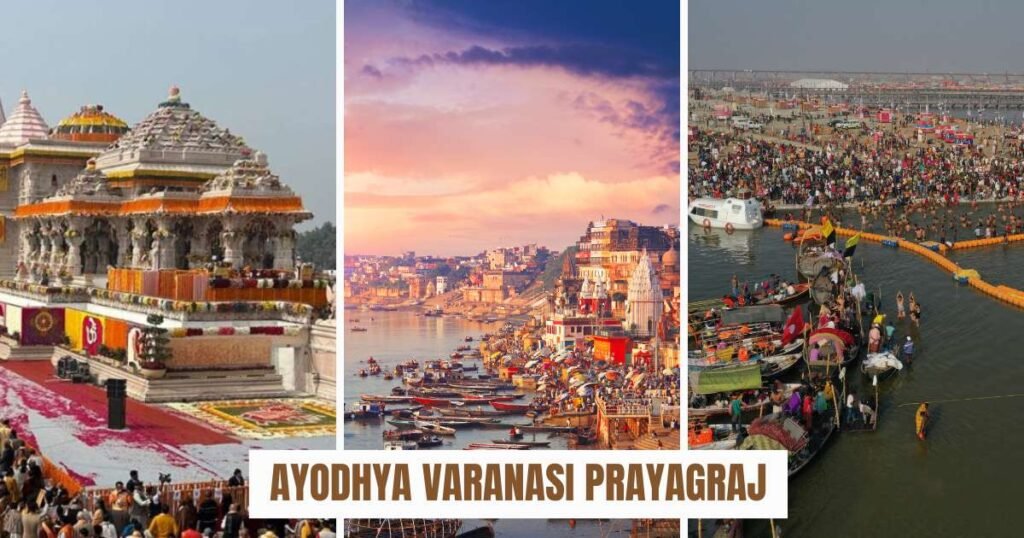


There’s a question I hear often from travellers in Ahmedabad who feel pulled toward Ayodhya and Varanasi at the same time. Not curiosity. Something quieter. A sense that these two places belong together, yet the planning feels confusing. Distances look long. Train options feel overwhelming. And there’s always that doubt… will the journey feel peaceful, or will it turn into constant rushing?
In my experience, an Ayodhya Varanasi Tour Package from Ahmedabad works best when the trip is treated as a spiritual flow, not a checklist. These are not cities you “cover.” They’re cities you move through slowly, one temple line, one ghat evening, one silent moment at a time. When movement, rest, and darshan are balanced properly, even first-time travellers from Gujarat find the journey deeply settling.
This guide walks you through what the Ayodhya–Varanasi route actually feels like on the ground, what to expect as a pilgrim, and how to plan the trip so it feels meaningful rather than exhausting.
About the Ayodhya Varanasi Spiritual Circuit
Ayodhya and Varanasi are very different in mood, yet spiritually connected.
Ayodhya feels contained. Calm. Purposeful. The focus is inward. You walk more than you talk. You wait patiently. Devotion here is quiet and steady.
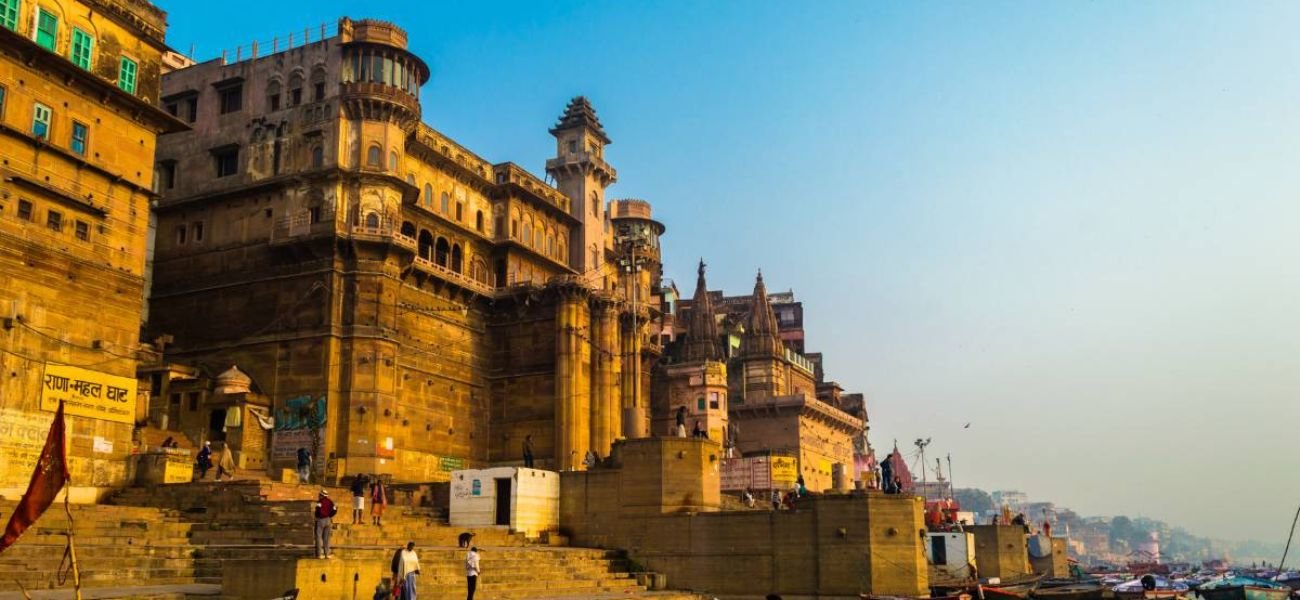
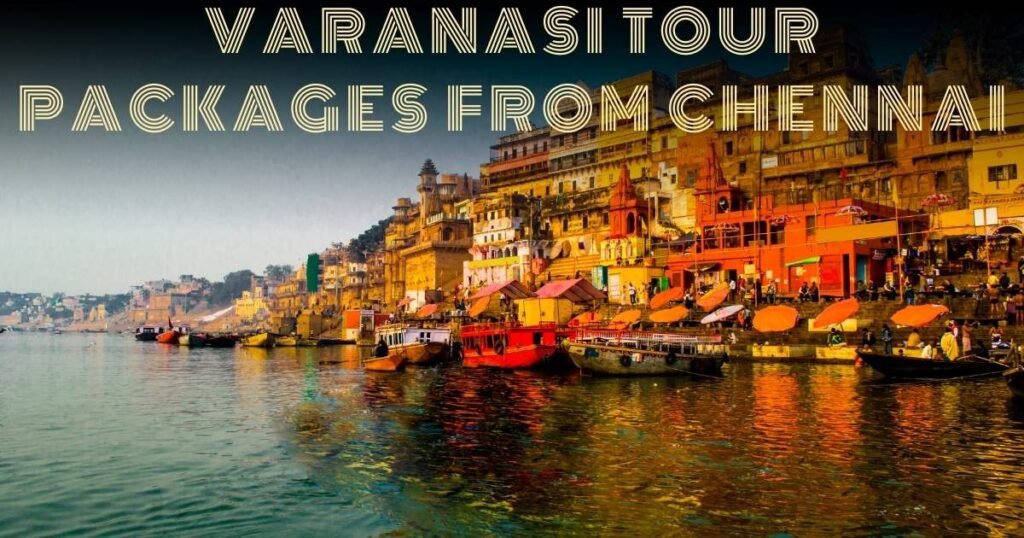
Varanasi is layered. Alive. Sometimes overwhelming. Prayer mixes with daily life, bells, boatmen, smoke, and chants. It asks you to observe without trying to control the experience.
Surprisingly, travelling from Ahmedabad prepares you well for both. Long journeys are familiar. Temple discipline is understood. What matters most is pacing. When the route is planned realistically, this pilgrimage doesn’t feel long. It feels complete.
Why Travellers from Ahmedabad Choose This Route
There’s a practical reason, and then there’s an emotional one.
Practically, Ahmedabad connects well by air and rail to both Ayodhya and Varanasi. Emotionally, many Gujarati pilgrims see this journey as a life-stage visit. Ram in Ayodhya. Shiva in Varanasi. Beginning and dissolution. Order and surrender.
I’ve found that people who rush through one of these cities often feel something unfinished. Those who slow down, even slightly, return home calmer.

Best Places to See in Ayodhya
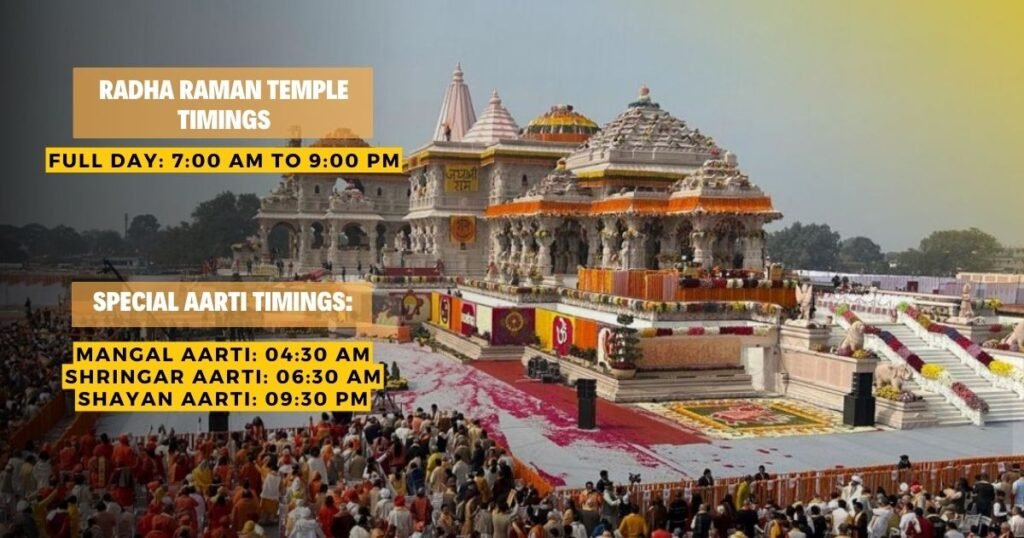
Shri Ram Janmabhoomi Temple
- Crowd level: Heavy but extremely regulated
- Best time: Early morning slots or late afternoon
- Ideal for: All pilgrims, especially first-time visitors
Security is strict and waiting is unavoidable. Still, once inside, the atmosphere naturally quiets the mind.
Local Guide Tip: Keep footwear minimal and carry only essentials. Smaller items move faster through checkpoints.
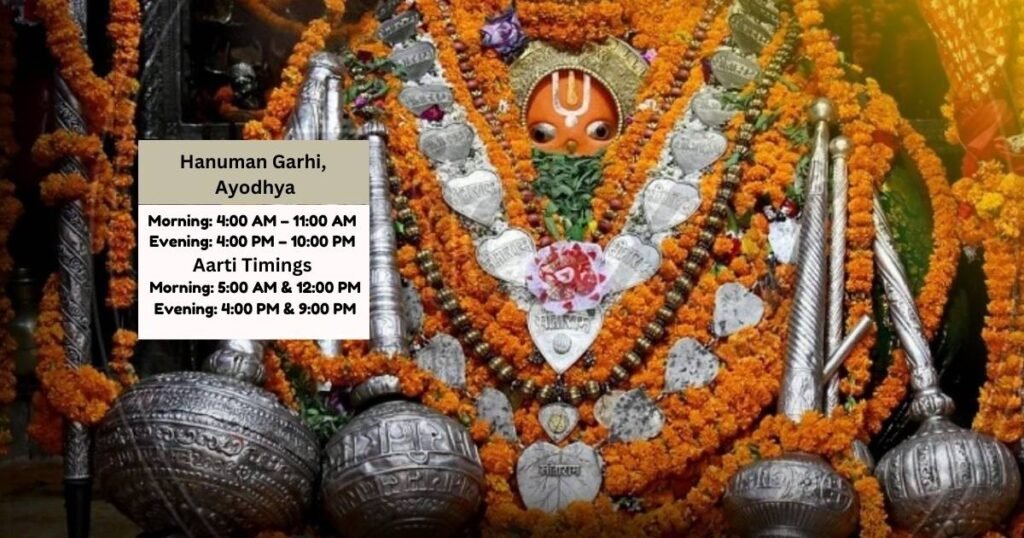
Hanuman Garhi
- Crowd level: Moderate, increases in evenings
- Best time: Morning after Ram Janmabhoomi
- Ideal for: Older pilgrims who prefer shorter darshan time
The climb looks intimidating but feels manageable. Many people say this stop emotionally balances the Ayodhya visit.
Kanak Bhawan
- Crowd level: Light to moderate
- Best time: Evening
- Ideal for: Families and those seeking calm
This is where people tend to linger without realising it.
Best Places to See in Varanasi
Kashi Vishwanath Temple
- Crowd level: Heavy throughout the day
- Best time: Early morning or late night
- Ideal for: Pilgrims prepared for structured movement
Darshan here is brief. The experience is not.
Local Guide Tip: Eat light before visiting. Temple queues move faster when you’re physically comfortable.
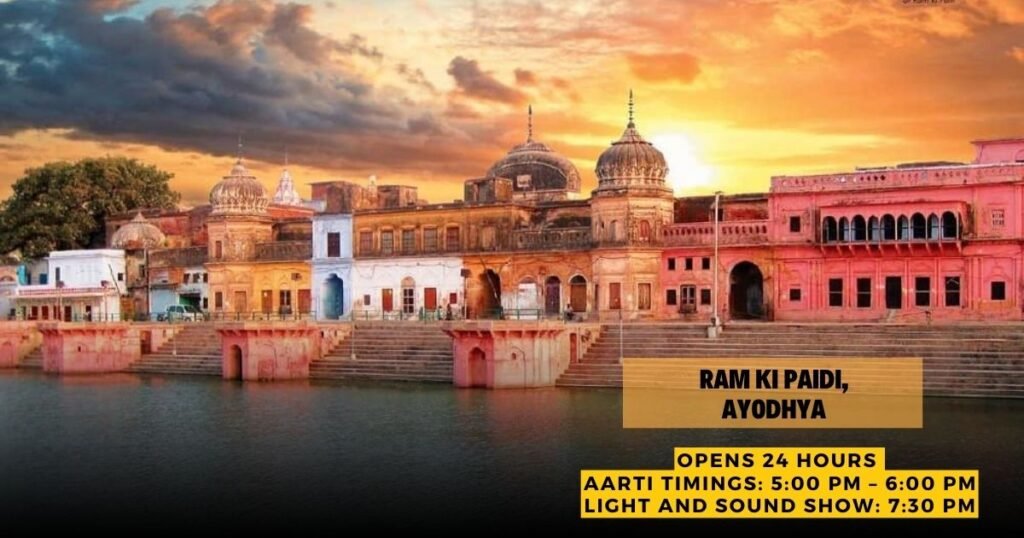
Dashashwamedh Ghat
- Crowd level: Very high during Ganga Aarti
- Best time: Evening
- Ideal for: First-time visitors to feel Varanasi’s energy
The aarti is intense. Emotional. Loud. It’s okay to stand back and observe.
Assi Ghat
- Crowd level: Calm in mornings
- Best time: Sunrise
- Ideal for: Older travellers and solo pilgrims
This is where Varanasi breathes slowly.
Sightseeing Flow: How Ayodhya and Varanasi Connect
Ayodhya comes first for grounding. Varanasi follows for reflection.
Most travellers from Ahmedabad prefer:
- Ayodhya first, to settle the mind
- Varanasi later, to absorb and release
This order reduces fatigue and emotional overload.
Festival Celebrations Worth Knowing About
- Ram Navami (Ayodhya): Spiritually powerful, extremely crowded
- Diwali (Ayodhya): Deeply devotional, visually striking
- Mahashivratri (Varanasi): High energy, long queues
- Dev Deepawali (Varanasi): Less chaotic, deeply atmospheric
Festivals add meaning but demand patience.
Local Guide Tip: Festival days are best experienced with local assistance. Independent planning often leads to confusion.
Safety Tips for Pilgrims
- Keep identity proof accessible at all times
- Wear modest, breathable clothing
- Avoid large bags near temple complexes
- Stay hydrated, even in winter
- Rest when the body asks, not when the plan demands
Both cities are safe, but crowds require awareness.
How to Reach Ayodhya and Varanasi from Ahmedabad
By Air
- Ahmedabad to Ayodhya or Lucknow, then road transfer
- Ahmedabad to Varanasi direct or via Delhi
- Fastest and least tiring option
Best for short-duration pilgrimages.
By Train
- Multiple long-distance trains available
- Travel time can exceed 24 hours
- Suitable only if time is flexible
Works better for seasoned travellers.
By Road
- Not recommended for full route
- Used only for local transfers
Flights remain the most practical choice.
Planning Support Partner
Many travellers realise halfway through planning that this route isn’t about finding tickets. It’s about managing energy, darshan timing, and rest. Ayodhya Varanasi Tourism often helps pilgrims from Ahmedabad by smoothing transitions, advising realistic temple timing, and avoiding unnecessary movement. That planning support matters more than it sounds, especially on a spiritually heavy journey.
Contact Ayodhya Varanasi Tourism Today:
Call Us: +91 7300620809
WhatsApp Us: +91 7300620809
Visit Our Website: Ayodhya Varanasi Tourism
Email: ayodhyavaranasitourism@gmail.com
Ayodhya Varanasi Tourism is a Unit of Experience My India
Experience My India trip advisor review – Click Here
FAQs: Ayodhya Varanasi Tour Package from Ahmedabad
Most travellers feel comfortable with 5 to 6 days. This allows time for darshan, rest, and travel without feeling rushed. Shorter trips are possible but require very tight scheduling.
Yes, with proper planning. Early darshan slots, hotels close to temples, and slower sightseeing make the journey manageable. Assistance during temple visits is strongly recommended.
Ayodhya first works better for most people. It grounds the mind before entering the sensory intensity of Varanasi. This order reduces fatigue and emotional overload.
Hindi is widely spoken. Temple staff are used to pilgrims from Gujarat and South India. Communication rarely becomes a problem.
Crowds are present year-round, but manageable on non-festival days. Early mornings and late evenings are always calmer.
No. Most temples restrict phones and cameras inside. Follow instructions strictly to avoid delays.
Clean, mid-range hotels near temple areas work best. Luxury adds little value in these cities compared to proximity and comfort.
It can, if overpacked. With proper rest and pacing, most travellers return feeling mentally refreshed despite physical movement.
Yes, but schedules should be lighter. Avoid late-night darshan and plan shorter walking routes.
Trying to cover too much. Ayodhya and Varanasi reward patience, not speed.
Conclusion
An Ayodhya Varanasi Tour Package from Ahmedabad isn’t about distance or duration. It’s about intention. When the journey is planned with respect for crowd realities, physical limits, and emotional pacing, it becomes something you carry quietly long after returning home.
These cities don’t impress. They settle. And when approached with patience, they offer exactly what most pilgrims don’t realise they’re seeking… stillness.