

There’s a pattern I keep noticing among travellers from Hyderabad. The intent is strong. The devotion is there. But the planning always feels slightly unsettled. Flights look manageable on paper, temple timings seem clear online, yet a quiet doubt remains. Will this trip feel rushed? Will the darshan actually happen peacefully? And most importantly, will Ayodhya feel the way it has always been imagined?
In my experience, an Ayodhya tour package from Hyderabad works best when it’s treated as a pilgrimage first and a trip second. Ayodhya isn’t a place you conquer with speed. It’s a place that asks you to slow down, stand in line without irritation, and let silence do some of the work. When the movement is planned carefully, even a short journey can feel complete rather than hurried.
This guide is written to explain how the Hyderabad–Ayodhya journey actually unfolds on the ground. No exaggeration. No rush. Just a clear picture of what to expect and how to make the experience meaningful.
About Ayodhya as a Pilgrimage Destination
Ayodhya doesn’t overwhelm you the moment you arrive. It settles in quietly.
For many visitors from Telangana and Andhra regions, Ayodhya is already familiar long before the journey begins. Ramayana readings, temple stories, family traditions. All of it becomes tangible once you step into the city. Surprisingly, modern Ayodhya feels both organised and ancient at the same time. Roads are wider now. Security is structured. But the spiritual rhythm remains slow and deliberate.
What I’ve found is that Ayodhya rewards patience. People who arrive expecting spectacle often feel confused. Those who arrive with calm curiosity leave fulfilled.
A Brief History That Shapes the Experience
Ayodhya is considered one of the oldest living cities in the world. Its identity is inseparable from Lord Rama. For centuries, the city has carried layers of devotion, conflict, rebuilding, and quiet resilience. Temples were destroyed and rebuilt. Kingdoms came and went. Faith stayed.
The construction of the Ram Mandir didn’t change Ayodhya’s soul. It clarified it. Today, pilgrims come with a focused purpose. They aren’t here to see everything. They’re here to stand before something deeply personal.
That historical weight shapes the way the city moves. Nothing feels hurried, even when crowds are heavy.

Main Temples and Places You’ll Visit in Ayodhya
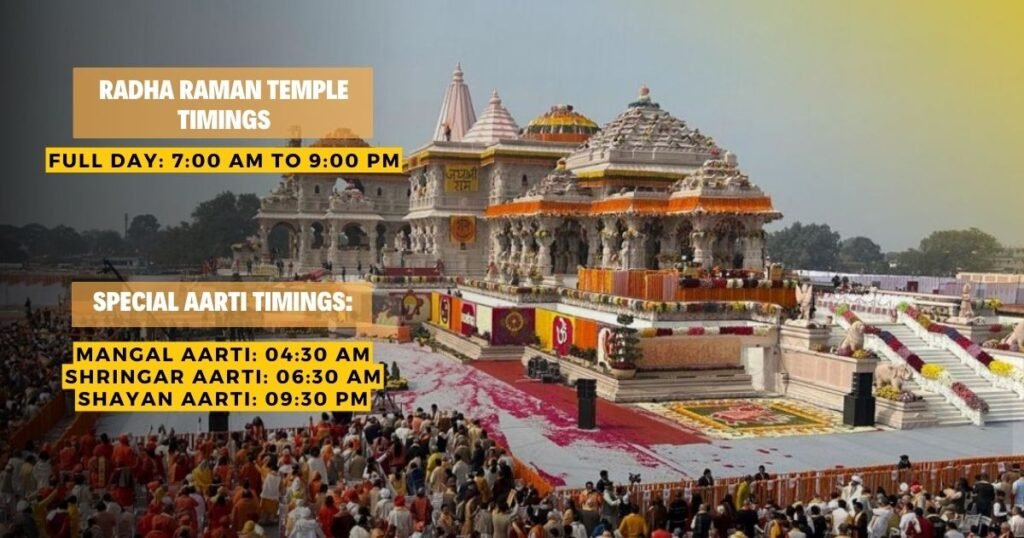
Shri Ram Janmabhoomi
This is the heart of the journey. Security is tight, and the waiting time can vary. The darshan itself is brief, but the atmosphere carries weight. Silence comes naturally here. Phones are restricted. Movement is guided. You don’t linger, but the moment stays with you.
Local Guide Tip:
Arrive early in the morning. Not because lines are shorter alone, but because your own mind is quieter.
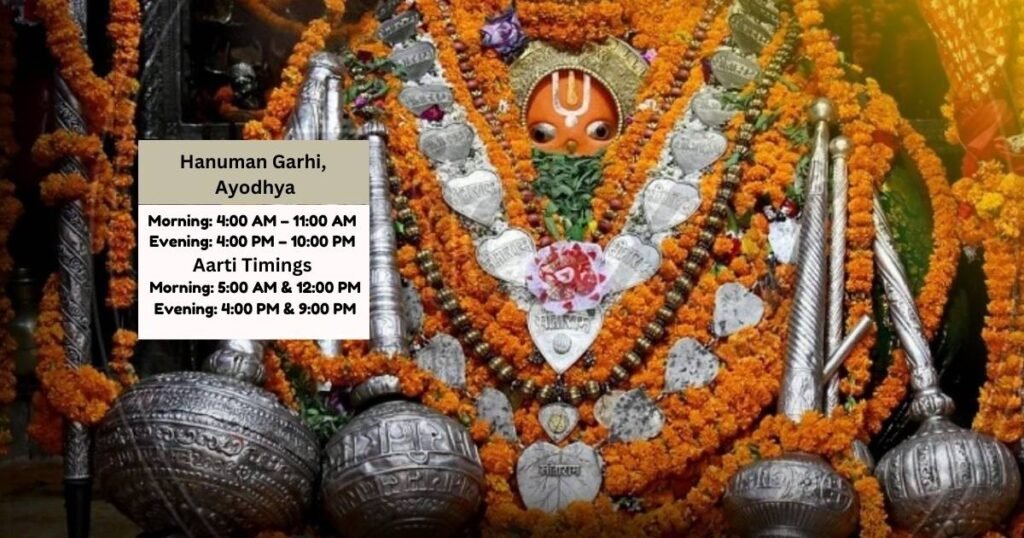
Hanuman Garhi
A steep climb followed by a powerful presence. Many pilgrims feel a grounding shift here after Ram Janmabhoomi. The view from the top gives a quiet sense of scale, both physical and emotional.
Kanak Bhawan
Visually gentle and emotionally soothing. This is where many visitors finally slow down. The temple doesn’t push itself on you. It waits.
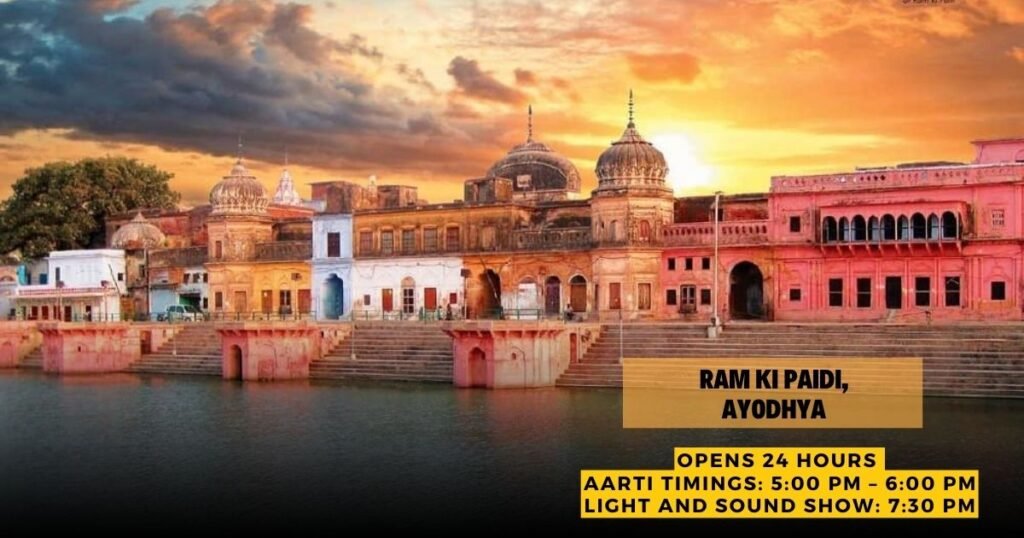
Saryu River Ghat
Evenings by the river are understated. No grand spectacle. Just prayer, reflection, and a sense of pause. Sitting here often becomes the moment people remember most.
Festivals in Ayodhya You Should Know About
Ayodhya changes character during festivals. The devotion deepens, but so do the crowds.
- Ram Navami draws massive gatherings. Spiritually powerful, physically demanding.
- Diwali transforms the city with lamps and quiet joy.
- Shravan month brings a calmer, more devotional crowd.
In my experience, festivals add meaning but demand patience. If this is your first visit, a non-festival period often feels more balanced.
Best Time to Visit Ayodhya from Hyderabad
October to March is the most comfortable window. The weather supports walking, and temple movement feels manageable. April to June brings heat that can make even short distances exhausting. Monsoon months are quieter but unpredictable.
Local Guide Tip:
If senior family members are travelling, winter mornings are ideal. Avoid peak summer entirely.
Safety Tips for First-Time Visitors
Ayodhya is a safe city, but structured.
- Carry government-issued ID at all times.
- Wear modest, breathable clothing.
- Avoid carrying large bags near temple zones.
- Stay hydrated, even in cooler months.
Security isn’t meant to intimidate. It’s meant to manage devotion responsibly.
How to Reach Ayodhya from Hyderabad
✈️ By Air
This is the most practical option for a short pilgrimage.
- Connecting flights via Delhi or Lucknow
- Least physically tiring
- Best suited for 2–3 day trips
Most Hyderabad travellers prefer flights for comfort and time efficiency.
🚆 By Train
Possible, but demanding.
- Long travel time, often exceeding 30 hours
- Suitable only if combining Ayodhya with other North Indian destinations
- Requires physical stamina and flexible scheduling
I’ve found trains work better for longer spiritual circuits, not short visits.
🚗 By Road
Not recommended directly from Hyderabad.
- Extremely long distance
- Practical only for local movement within Ayodhya
For Hyderabad-origin trips, flights remain the clear choice.
Why Ayodhya Varanasi Tourism Works Well for Hyderabad Travellers
Travellers from Hyderabad often value clarity. Clear schedules. Respectful handling. No confusion at critical moments. Ayodhya trips fail when temple timings are misunderstood or transfers feel rushed.
Ayodhya Varanasi Tourism focuses on realistic movement rather than overpacking. As a Planning Support Partner, the approach stays grounded. Flights align with darshan timings. Buffers are built in. The journey feels calm, not compressed. That balance suits Hyderabad travellers particularly well.
Contact Ayodhya Varanasi Tourism Today:
Call Us: +91 7300620809
WhatsApp Us: +91 7300620809
Visit Our Website: Ayodhya Varanasi Tourism
Email: ayodhyavaranasitourism@gmail.com
Ayodhya Varanasi Tourism is a Unit of Experience My India
Experience My India trip advisor review – Click Here
Personal Observations from the Ground
In my experience, people who enjoy Ayodhya most are those who don’t fight the pace. The city doesn’t reward impatience. It rewards acceptance. You wait. You walk slowly. And you listen more than you speak.
Some travellers want to see everything. Others just want one honest darshan. Ayodhya quietly nudges you toward the second approach.
FAQs: Ayodhya Tour Package from Hyderabad
Yes, it works well for first-time visitors if the trip is planned with realistic pacing. Ayodhya isn’t complicated, but temple timings, security checks, and walking routes need clarity. When flights, hotel location, and darshan slots are aligned properly, even newcomers feel comfortable and spiritually satisfied rather than confused or rushed.
For most travellers, 2 to 3 days are enough to cover the main temples and absorb the atmosphere. Trying to compress everything into a single day often feels exhausting. A slightly relaxed schedule allows time for darshan, rest, and quiet reflection, which matters more than ticking off places.
Ayodhya is generally safe and well-managed, especially around temple areas. Older citizens can visit comfortably if early darshan slots, hotel proximity, and minimal walking routes are planned. Wheelchair assistance and guided movement make a noticeable difference for older pilgrims.
Clean, mid-range hotels near temple routes work best. Luxury isn’t essential in Ayodhya, but location and comfort are. Staying too far from temple zones increases travel stress, while centrally located hotels reduce fatigue and save time.
Security is very structured, similar to airport-style checks. Phones, cameras, and large bags are restricted. Cooperation and patience help the process move smoothly. It’s best to carry only essential items and follow instructions without rushing.
Hindi is the primary language, but temple staff and guides are used to pilgrims from South India. Communication usually isn’t a problem, especially when tours are guided. Basic English is also understood at hotels and airports.
October to March is the most comfortable period, with pleasant weather and manageable crowds. Summers can be harsh, especially for travellers not used to North Indian heat. Festival times are spiritually rich but require extra patience due to crowds.
Yes, nearby spiritual places like Naimisharanya or even Varanasi can be added, but only if extra days are available. For short trips from Hyderabad, focusing solely on Ayodhya usually feels more peaceful and complete than rushing multiple destinations.
It can feel rushed if darshan planning is unclear or buffers aren’t included. When flights are timed sensibly and temple visits are spaced properly, the journey feels balanced. Good planning turns a tight schedule into a calm experience.
Yes, surprisingly so. Ayodhya isn’t about how long you stay but how present you are. Even a brief visit, when unhurried and well-planned, often leaves travellers feeling deeply connected and spiritually settled rather than incomplete.
Conclusion
An Ayodhya tour package from Hyderabad isn’t about distance or duration. It’s about intention. When flights are planned sensibly, temple visits are timed thoughtfully, and expectations remain grounded, even a short journey can feel spiritually complete.
Ayodhya doesn’t demand your time. It asks for your attention. And when you give it that, even briefly, it leaves a lasting imprint.