

If you’re sitting in Mumbai, scrolling late at night, wondering how people are actually doing Ayodhya after the Ram Mandir opening, you’re not alone. I hear this question a lot. Flights look expensive one day, trains are full the next, and suddenly the idea of an Ayodhya trip feels more complicated than it should. The truth is, Ayodhya Tour Packages from Mumbai aren’t difficult. They just need clarity. Timing, expectations, and a realistic plan.
I’ve travelled this route more than once, sometimes smoothly, sometimes learning small lessons the hard way. Ayodhya isn’t a city you rush through. It’s quieter than people expect, slower in movement, and deeply ritual-driven. This guide is written the way I’d explain it to a friend over coffee. No pressure. No drama. Just how it actually works on the ground.
I’ll start with a short overview. Then we’ll walk through the journey step by step.
Ayodhya Tour Packages from Mumbai – A Simple Overview
For most travellers, an Ayodhya tour package from Mumbai is about one thing. Darshan at Ram Mandir without stress. Everything else supports that goal. When planned well, this journey feels calm and purposeful. When planned poorly, it turns tiring very quickly.
Mumbai travellers usually come with limited days, so pacing matters. Flights save time. Trains save money. Both work, depending on your comfort. What matters more is not overloading the itinerary. Ayodhya rewards patience, not speed.
About Ayodhya – Before You Step into the City
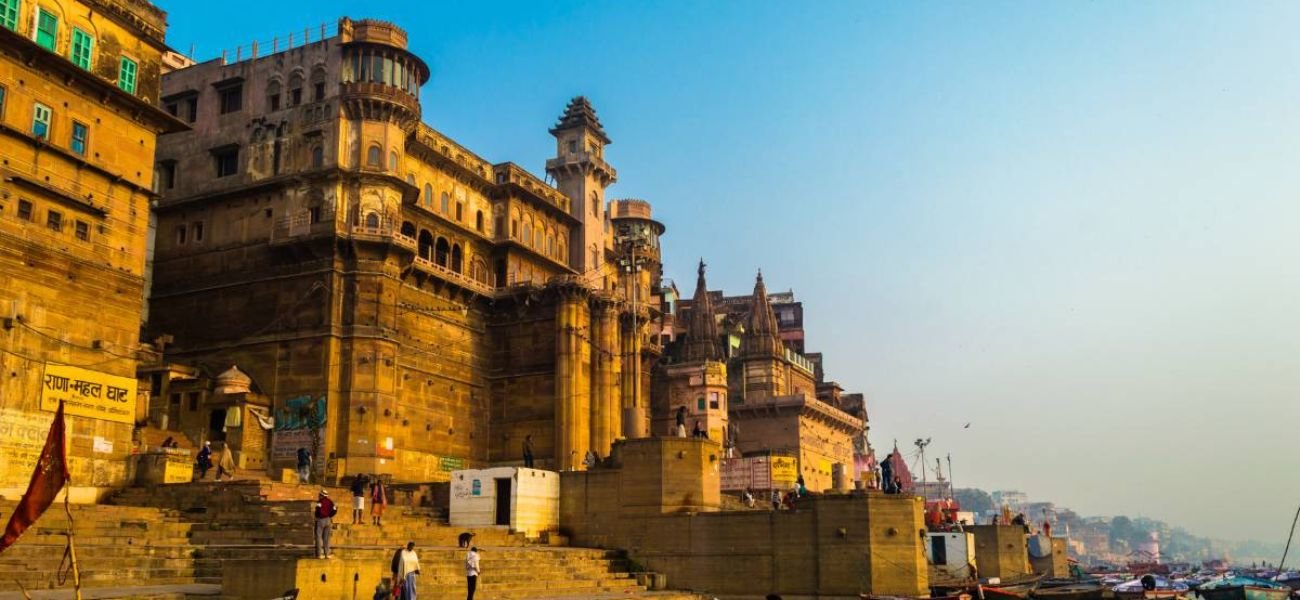
Ayodhya doesn’t announce itself loudly. Even now, with increased footfall, it remains inward-looking. The ghats wake early. Temple bells follow ritual time, not clock time. Locals move with quiet certainty. Once you understand this, your Ayodhya pilgrimage tour from Mumbai starts to feel grounded.
At the heart of the city is Ram Mandir, but Ayodhya is more than one site. It’s a collection of temples, ghats, stories, and routines that unfold slowly.
In my experience, travellers who slow down here leave feeling fuller than those who rush darshan and leave the same day.

Day-wise Ayodhya Itinerary from Mumbai (What Actually Works)
Day 1: Mumbai to Ayodhya – Arrival and Settling In
Whether you arrive by train or flight, the first day should be light.
- Morning or afternoon arrival at Ayodhya Railway Station or Airport
- Assisted transfer to your pre-booked hotel
- Check-in and rest
- Evening walk through nearby local markets
This walk matters. It eases you into Ayodhya’s pace.
Crowd reality
Evenings are active but manageable. Pilgrims, families, vendors. No rush yet.
Local Guide Tip
Don’t plan temple darshan on arrival day if you’ve travelled long. Rest helps more than you think.
Day 2: Ayodhya Sightseeing and Ram Mandir Darshan
This is the core day of your Mumbai to Ayodhya Ram Mandir tour.
- Early breakfast
- Visit Ram Mandir (Ram Janmabhoomi)
- Hanuman Garhi
- Kanak Bhawan
- Nageshwarnath Temple
- Gulab Bari
Crowd reality
Ram Mandir is busiest between mid-morning and afternoon. Early hours are calmer.
In my experience, people underestimate walking time between sites. Ayodhya looks compact on maps. It doesn’t feel that way on foot.
Local Guide Tip
Carry minimal belongings for Ram Mandir darshan. Entry is smoother and faster.
Day 3: Departure from Ayodhya
- Morning or afternoon check-out
- Assisted transfer to Railway Station or Airport
- Return journey to Mumbai
This final day usually feels quieter. A good time to reflect, not rush.
Temples That Shape the Ayodhya Experience
Ayodhya is layered through its temples. Each one carries a different tone.
- Ram Mandir – central and structured
- Hanuman Garhi – energetic, slightly steep climb
- Kanak Bhawan – calmer, devotional
- Nageshwarnath Temple – less crowded, local feel
Crowd reality
Hanuman Garhi stays busy throughout the day. Kanak Bhawan feels calmer in comparison.
Nearest Places to Visit Around Ayodhya
If you have extra time, a few nearby spots add balance.
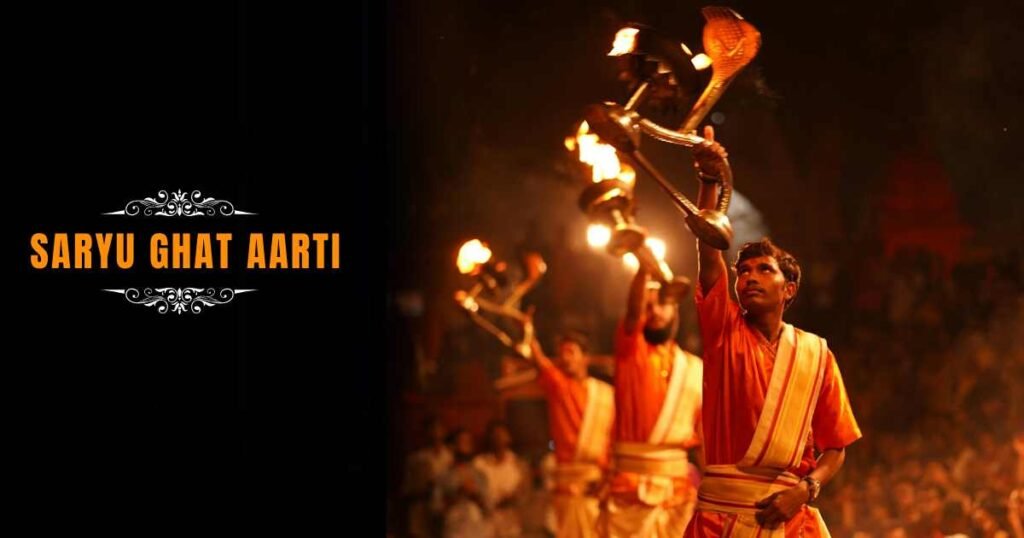
- Sarayu Ghat for evening aarti
- Guptar Ghat
- Local ashrams near the river
These places soften the intensity of temple visits.
Best Time to Visit Ayodhya from Mumbai
Seasonal Reality
- October to March: Pleasant weather, high footfall
- April to June: Hot, but darshan queues move faster
- July to September: Humid, fewer tourists
Festival periods change everything.
Ritual and Festival Celebrations in Ayodhya
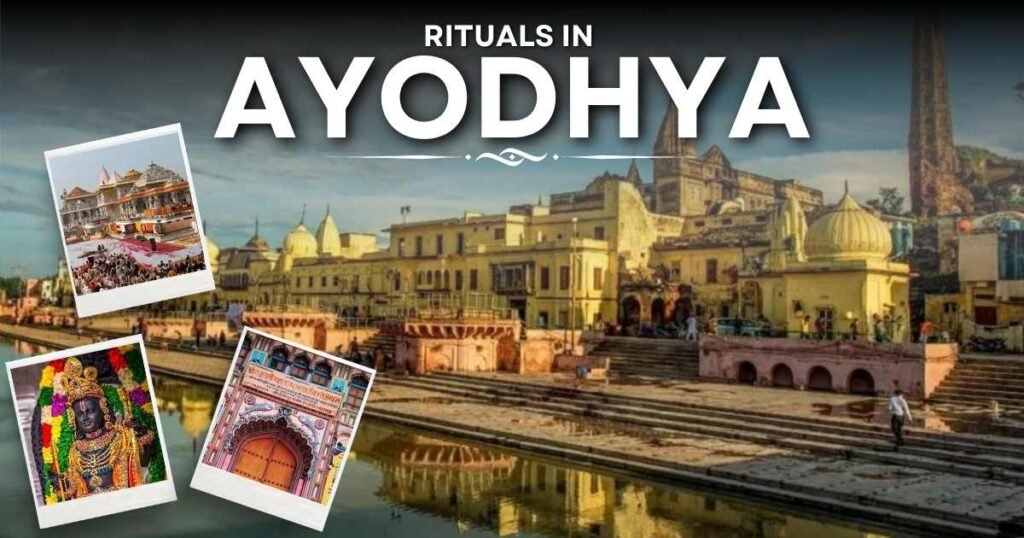
Ram Navami, Diwali, and Makar Sankranti draw large crowds. During festivals, darshan takes longer, but the atmosphere feels deeply charged.
Here’s the nuance. Festivals feel special, but they’re not for everyone. If crowds stress you, ordinary days feel more personal.
Safety Tips for Ayodhya Tour from Mumbai
- Wear comfortable footwear
- Avoid carrying valuables
- Follow temple volunteers’ instructions
- Stay hydrated
- Keep patience during queues
Ayodhya is safe. But fatigue causes most discomfort, not the city itself.
How to Reach Ayodhya from Mumbai
✈️ By Air
- Fastest option
- Connects via major hubs
- Airport transfers required
🚆 By Train
- Direct and connecting trains available
- Long but cost-effective
- Popular with pilgrims
🚗 By Car
- Very long journey
- Not recommended for most travellers
Local Guide Tip
If time is limited, flights save energy. Trains suit those who prefer slower travel.
Why Ayodhya Varanasi Tourism Is the Best Choice for Ayodhya Tour Packages from Mumbai
Ayodhya trips fail when expectations are rushed. Darshan timings shift. Crowds behave unpredictably. What helps is knowing when to wait and when to move. Ayodhya Varanasi Tourism focuses on this ground reality, not fixed promises. The aim is a calm journey, not a packed checklist.
Planning Support Partner
Travelling from Mumbai to Ayodhya involves multiple transitions. Flights, trains, hotel check-ins, darshan queues. As a Planning Support Partner, Ayodhya Varanasi Tourism helps keep these transitions smooth, especially for first-time visitors who don’t want last-minute confusion to overshadow devotion.
FAQs – Ayodhya Tour Packages from Mumbai
Yes, three days are sufficient for a focused Ayodhya visit. You’ll cover Ram Mandir and major temples comfortably without feeling rushed.
Yes, three days are sufficient for a focused Ayodhya visit. You’ll cover Ram Mandir and major temples comfortably without feeling rushed.
Yes. With assisted transfers, early darshan slots, and rest breaks, senior travellers manage well.
Flights save time and energy. Trains are economical but require patience due to long travel hours.
Ayodhya is generally safe. The main challenge is managing walking and queues, not safety concerns.
Avoid rushing darshan, carrying heavy bags, or planning too many temples in one stretch.
Availability has improved, but booking in advance is strongly recommended due to high demand.
Photography is restricted in most temples, especially Ram Mandir. Always follow instructions.
Early morning hours are usually the calmest and most organised.
For first-time visitors, planning helps reduce confusion, missed connections, and unnecessary stress.
Conclusion
Ayodhya Tour Packages from Mumbai work best when they respect the city’s pace. Ayodhya doesn’t respond to urgency. It responds to patience. If you arrive with realistic expectations and allow the journey to unfold slowly, the experience feels grounding rather than exhausting. And when you leave, it won’t be the crowds you remember. It’ll be the quiet moments in between.