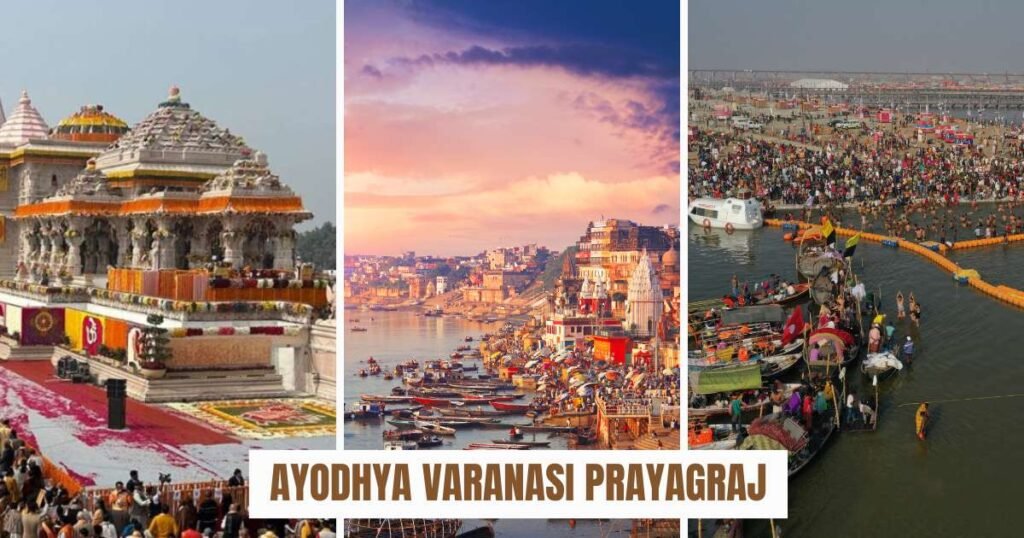

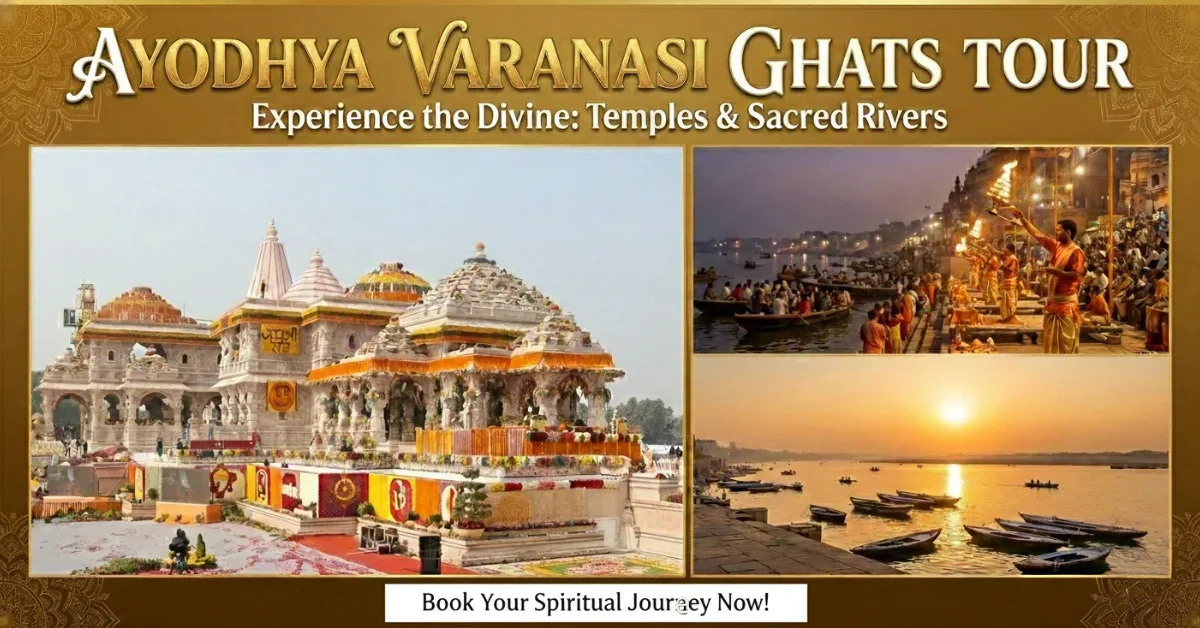
Some journeys don’t begin with excitement. They begin with stillness. The Ayodhya Varanasi Ghats Tour is one of those rare routes where the real experience starts when you stop trying to move fast.
In Ayodhya, mornings feel unguarded. In Varanasi, life unfolds on stone steps beside the river, without apology. This tour is not about temples alone. It is about water, routine, faith, fatigue, devotion, and the quiet dignity of people who return to the same ghats every day.
If you walk this journey patiently, it leaves a mark that feels personal.
Table of Contents
ToggleAyodhya Sarayu Ghat Tour – where the tone is set
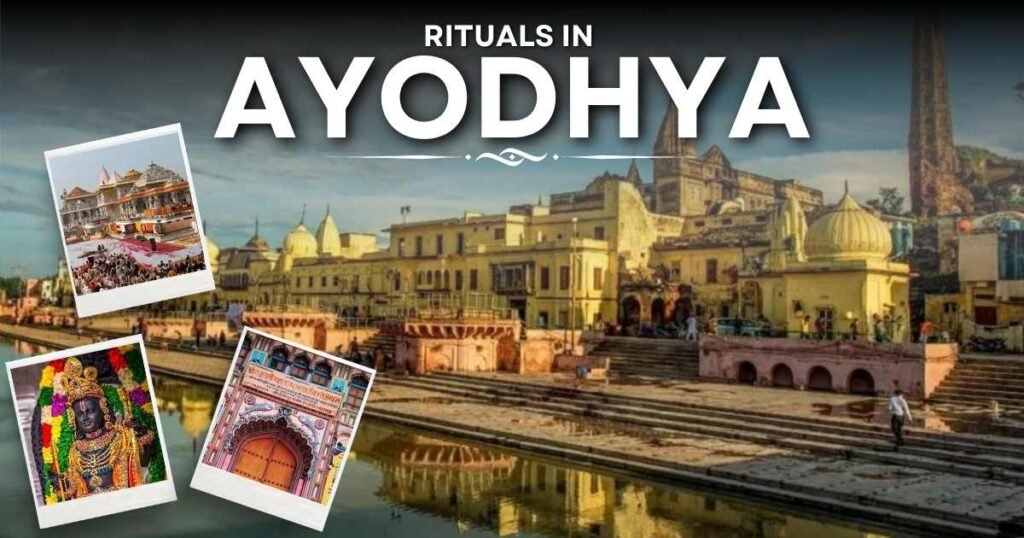
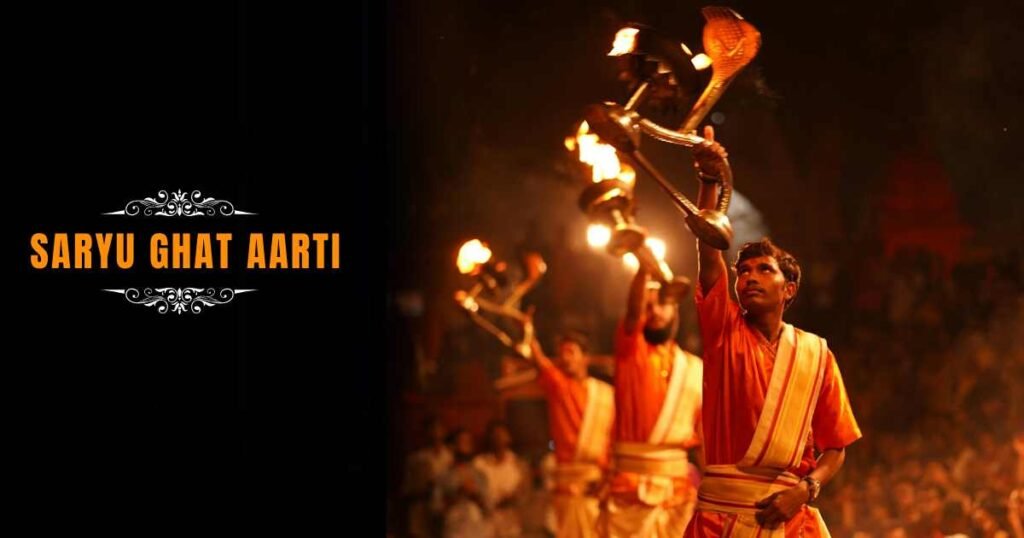
The Ayodhya Sarayu Ghat Tour is best experienced early, before the day builds momentum. The Sarayu flows without spectacle. Pilgrims arrive silently. Priests chant without drawing attention. Locals step into the water as if greeting someone they know well.
This is where the journey settles your pace. You sit. You watch. You listen. No one asks you to believe anything. The river does not demand emotion. It simply holds space.
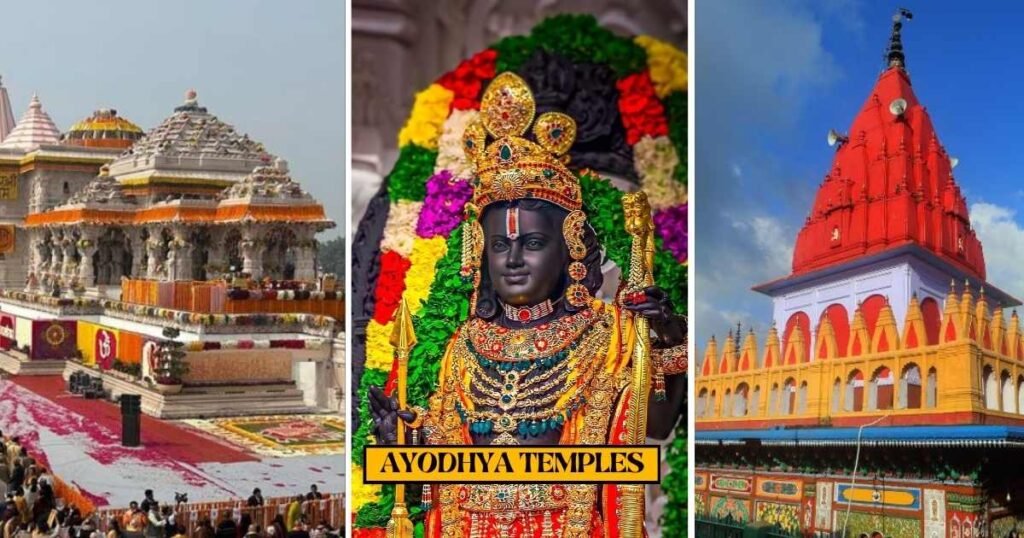
From experience, this is the right moment to arrive in Ayodhya, when the city feels open and unhurried. It prepares you for what comes next.
Ayodhya to Varanasi Ghats Tour – moving from calm to intensity
The Ayodhya to Varanasi Ghats Tour is not long in distance, but the shift is immediate. Ayodhya teaches restraint. Varanasi removes it.
As you enter Varanasi, the senses wake up fully. Bells ring. Boatmen call softly. Smoke from incense and ritual fires drifts through narrow lanes. The ghats are already alive, layered with prayer, labor, conversation, and silence.
This is where many travelers feel overwhelmed. The key is not to fight it. Let the city lead.
Varanasi Ghats Sightseeing Tour – learning by walking
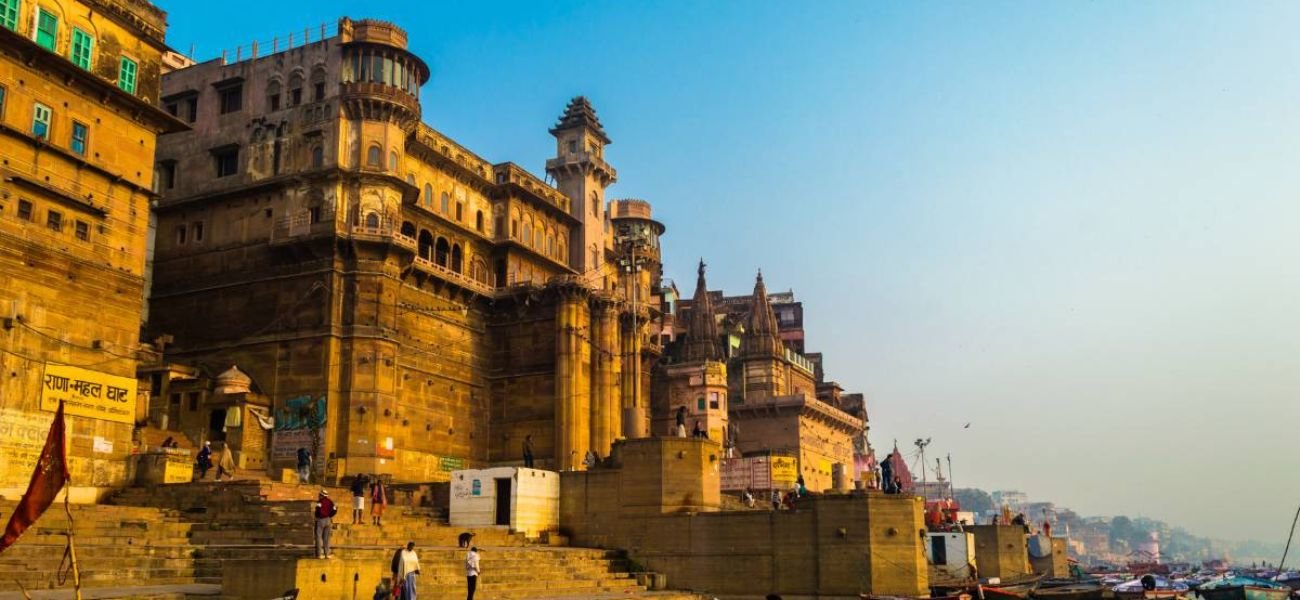
A Varanasi Ghats Sightseeing Tour cannot be rushed. Each ghat exists for a reason. Some are meant for prayer, some for learning, some for farewell, and some simply for sitting without purpose.
Walking along the ghats during the day, you see life as it is lived. Clothes drying on steps, children playing beside ancient walls, pilgrims resting after rituals, and sadhus watching everything without comment.
This is not staged. Nothing is cleaned up for visitors. That honesty is what stays with you.
Dashashwamedh Ghat Tour – when evening gathers everyone
The Dashashwamedh Ghat Tour usually unfolds at sunset. This is the most visible face of Varanasi, and also the most intense.
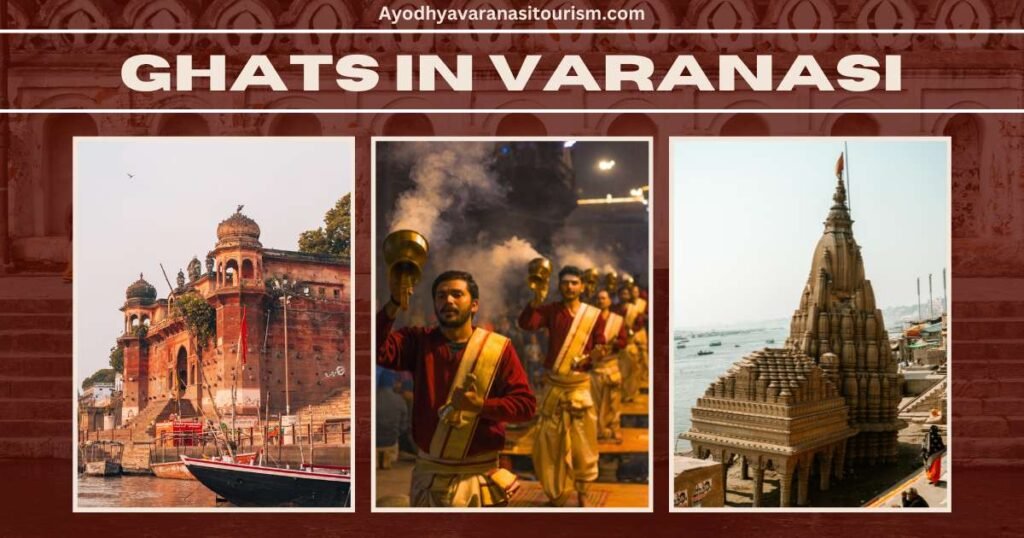
The aarti here is powerful, rhythmic, and unapologetically grand. Fire rises together. Chants echo across the river. Thousands stand shoulder to shoulder, watching something they have seen many times but still return to.
Experience teaches that the best way to witness this moment is from the river. From a boat, the noise softens. The movement becomes clearer. You understand the ceremony without being swallowed by it.
Assi Ghat Morning Aarti Tour – a gentler rhythm
If evenings belong to Dashashwamedh, mornings belong to the Assi Ghat Morning Aarti Tour.
This ghat wakes slowly. Yoga mats spread out. Soft music replaces loud chants. The sun rises quietly over the Ganga. People come here to begin their day, not to perform faith.
For many travelers, this is the moment Varanasi finally makes sense. The city feels human here. Balanced. Calm.
Varanasi Boat Ride & Ghats Tour – seeing the city breathe
The Varanasi Boat Ride & Ghats Tour changes how you understand the ghats. From the water, everything connects. The steps, the temples, the people, the rituals, all flow together.
Early morning boat rides are especially revealing. The city transitions from night to day without ceremony. Fires fade. Bells begin. The river reflects everything without judgment.
Boatmen often share stories passed through generations. These are not rehearsed explanations. They are lived memories, offered casually, and they add depth to every view.
Kashi Ghats Tour Package – who this journey suits
The Kashi Ghats Tour Package is not designed for hurried sightseeing. It suits travelers who are willing to slow down and observe.
It is ideal for:
• Spiritual travelers seeking quiet understanding
• Cultural travelers interested in daily life, not just landmarks
• First-time visitors who want context and grounding
• Repeat visitors looking for a deeper connection
Handled thoughtfully by Ayodhya Varanasi Tourism, the journey keeps space for reflection rather than forcing structure onto sacred places.
Ayodhya Varanasi Spiritual Tour – leaving without finishing
The Ayodhya Varanasi Spiritual Tour does not offer closure. It leaves you mid-thought, mid-feeling.
You remember Sarayu’s calm long after you leave Ayodhya. You carry the sound of the Ganga long after you step away from the ghats. The rivers stay with you because they were never trying to impress you.
When guided with care by Ayodhya Varanasi Tourism, this journey remains grounded, respectful, and honest. It is not about finding something new. It is about noticing what has always been there, quietly waiting.
FAQs – Ayodhya Varanasi Ghats Tour
1. What is the best time to do the Ayodhya Varanasi Ghats Tour?
October to March is the most comfortable period. Mornings and evenings are cooler, which matters because ghats are best experienced on foot or by boat. Summers can be intense, especially during daytime walks along the river.
2. How many days are ideal for an Ayodhya and Varanasi ghats experience?
A minimum of 3 to 4 days works well. One full day in Ayodhya for Sarayu Ghat and temple visits, and at least two days in Varanasi to experience morning and evening ghats without rushing.
3. Is the Ayodhya Sarayu Ghat Tour suitable for senior citizens?
Yes, especially in the early morning. The ghats are relatively calm and less crowded at that time. Assistance can be arranged, and there is no need for long walking if planned properly.
4. Do we need to wake up very early for the Assi Ghat Morning Aarti Tour?
Yes, and it is worth it. You usually need to reach by 5:00–5:30 am. This is when Assi Ghat feels most peaceful, with yoga, soft chanting, and sunrise creating a relaxed start to the day.
5. Is the Dashashwamedh Ghat Tour very crowded in the evening?
It does get crowded, especially during peak season. Watching the Ganga Aarti from a boat is often more comfortable and gives a clear view without being pushed in the crowd.
6. What makes the Varanasi Boat Ride & Ghats Tour special?
Seeing the ghats from the river connects everything visually. Early morning boat rides show real daily life, from prayers to cremation rituals, without commentary or staging. It feels honest and grounded.
7. Are photography and videos allowed during ghats visits?
Photography is generally allowed, but sensitivity is important. Avoid photographing cremation rituals and people in vulnerable moments. Early mornings are best for quiet, respectful photography.
8. Is this tour more religious or cultural in nature?
It is both, but not aggressively religious. The Ayodhya Varanasi Spiritual Tour focuses on observing faith as it is lived daily, rather than forcing rituals on travelers.
9. What kind of clothing is recommended for the ghats?
Comfortable, modest clothing works best. Light cottons in summer, shawls or light jackets in winter. Slip-on footwear is useful because shoes are removed frequently.
10. Is the Kashi Ghats Tour Package suitable for first-time visitors to Varanasi?
Yes, especially when planned through Ayodhya Varanasi Tourism. The tour helps first-time visitors understand the rhythm of the city without feeling lost or overwhelmed.