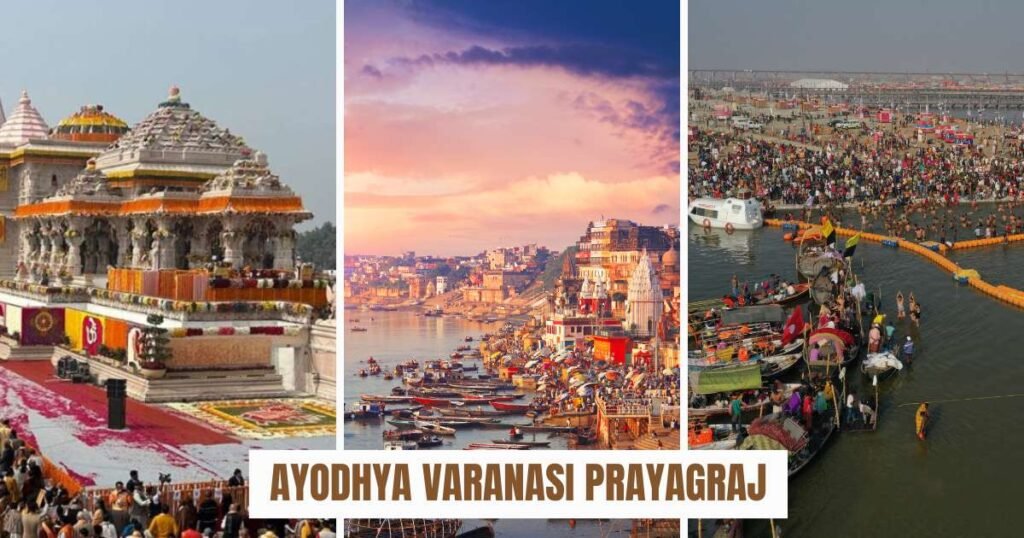

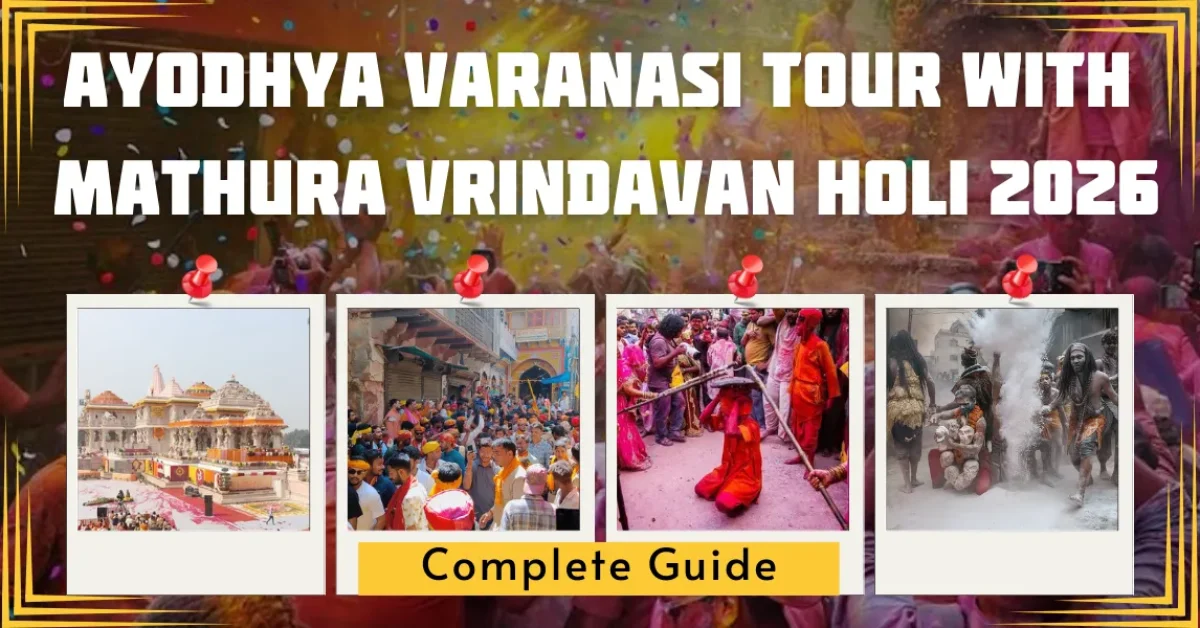
There’s a moment during Holi in Braj when the noise suddenly drops. Not because people stop celebrating, but because your mind does. It happens somewhere between the smell of gulal and the sound of temple bells, when you realise this journey isn’t only about colour. It’s about movement. From Mathura to Vrindavan. From Ayodhya to Varanasi. And from celebration to stillness.
If you’re thinking about an Ayodhya Varanasi Tour with Mathura Vrindavan Holi 2026, you’re not planning a simple holiday. You’re stepping into a stretch of days where devotion, chaos, fatigue, joy, and silence all exist together. This guide is written for people who want to understand that rhythm before they enter it.
About the Places – Four Cities, Four Different Speeds
This journey connects four places that feel nothing alike, yet belong together.
Mathura feels restless during Holi. It’s loud, unapologetic, full of people who know exactly why they are there.
Vrindavan feels intimate. Even with crowds, emotions sit close to the surface.
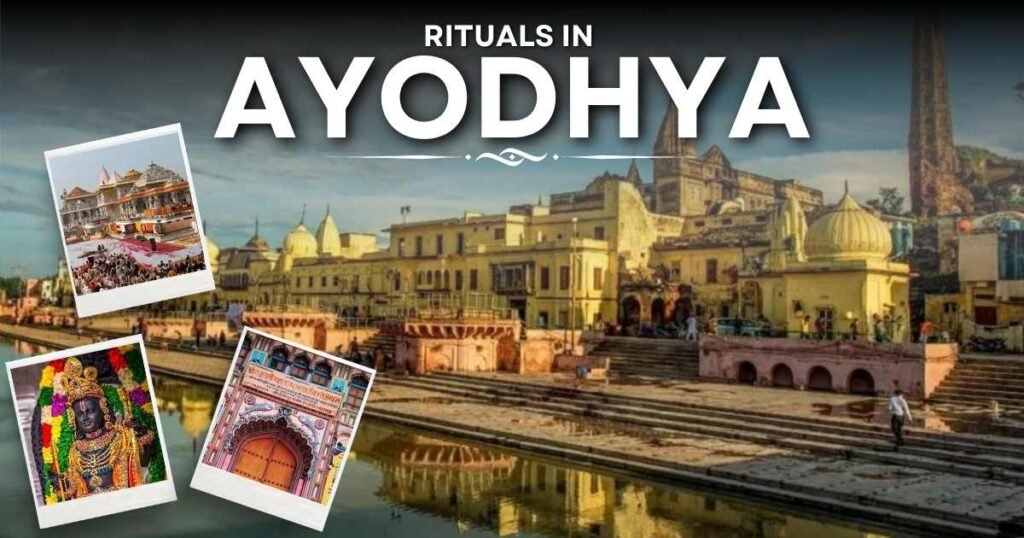
Ayodhya slows everything down. Devotion here is structured, patient, disciplined.
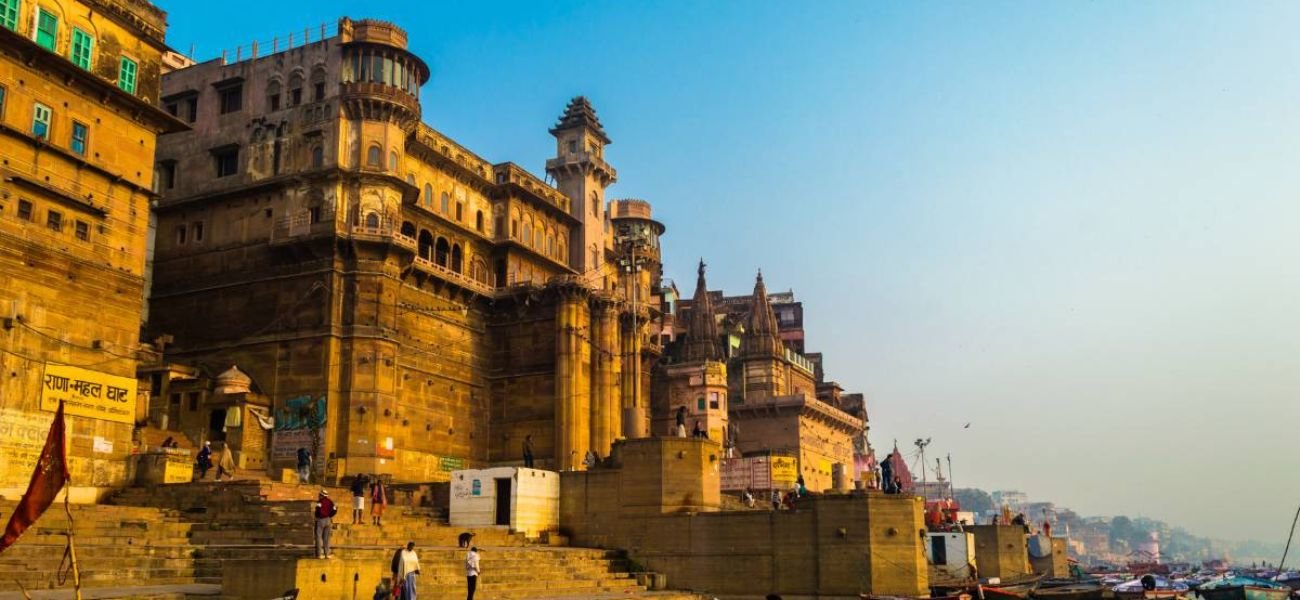
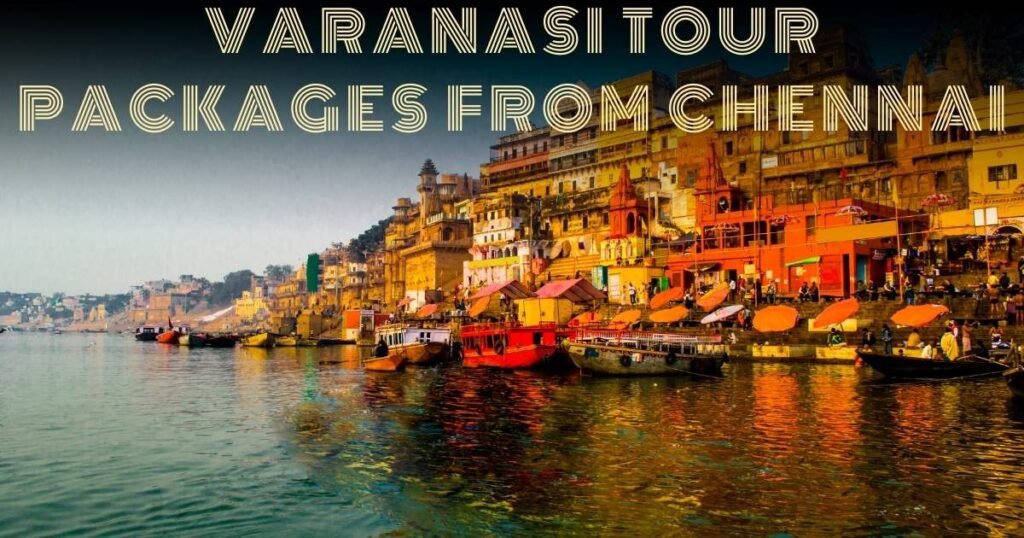
Varanasi doesn’t rush or wait. It simply continues.
Together, they create a journey that moves from celebration to contemplation without forcing the shift.
A Little History, Because Context Changes Experience
Mathura and Vrindavan carry the stories of Krishna. Holi here is not symbolic. It’s lived. It’s remembered. And it’s repeated every year, almost instinctively.
Ayodhya holds the story of Ram, where devotion feels orderly, almost careful. Rituals matter here. Timing matters.
Varanasi stands outside time altogether. Shiva’s city doesn’t explain itself. It allows you to observe, then leaves you alone with what you noticed.
Understanding this helps you behave differently in each place. And behaviour changes experience.
Why This Combined Holi Tour Matters
Most people do Holi in one place and leave. This journey asks you to stay longer. To let celebration exhaust you a little, then let silence recover you.
Doing Mathura Vrindavan Holi, followed by Ayodhya and Varanasi, balances the body and mind. One without the other often feels incomplete.
Official Holi 2026 Dates – The Backbone of Planning
- Holika Dahan (Holi Eve): Tuesday, March 3, 2026
- Rangwali Holi (Main Color Festival): Wednesday, March 4, 2026
Everything else in this tour shapes itself around these two days.
How Holi Unfolds Across Mathura and Vrindavan
Holi here doesn’t arrive suddenly. It builds.
In Mathura, celebrations spread across temples and streets. People sing, throw colours, laugh without explanation. It’s not organised, and that’s the point.
Vrindavan feels more inward. Phoolon wali Holi, temple rituals, bhajans. Even chaos feels devotional.
By the time Rangwali Holi ends, most people are physically tired. That’s when Ayodhya and Varanasi begin to matter.
Ayodhya After Holi – Why It Feels Necessary
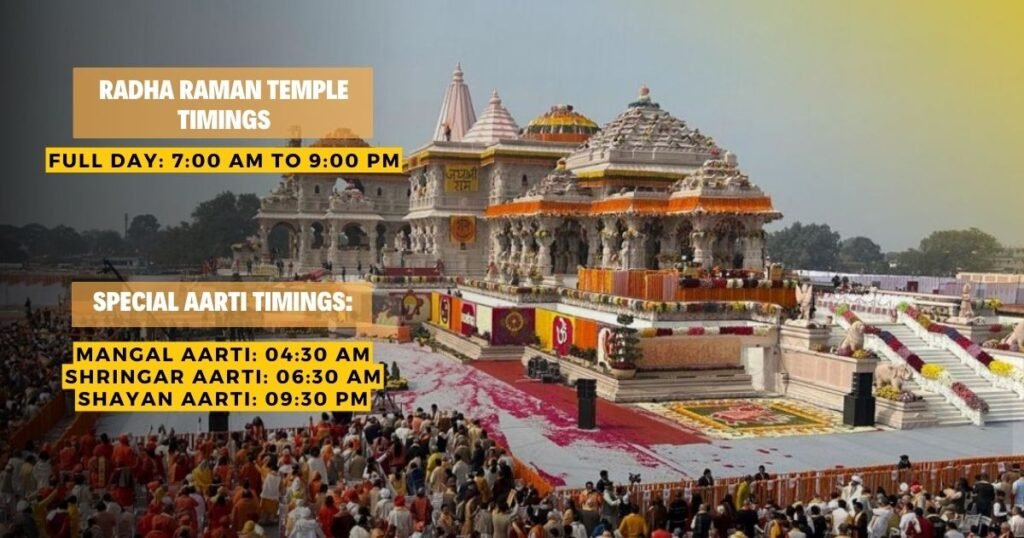
Arriving in Ayodhya after Holi feels like lowering your voice instinctively. Temples guide your movement. Aarti timings shape your day.
You don’t run here. You wait.
That contrast allows Holi to settle inside you instead of staying only on the surface.
Varanasi – Where the Journey Finally Slows
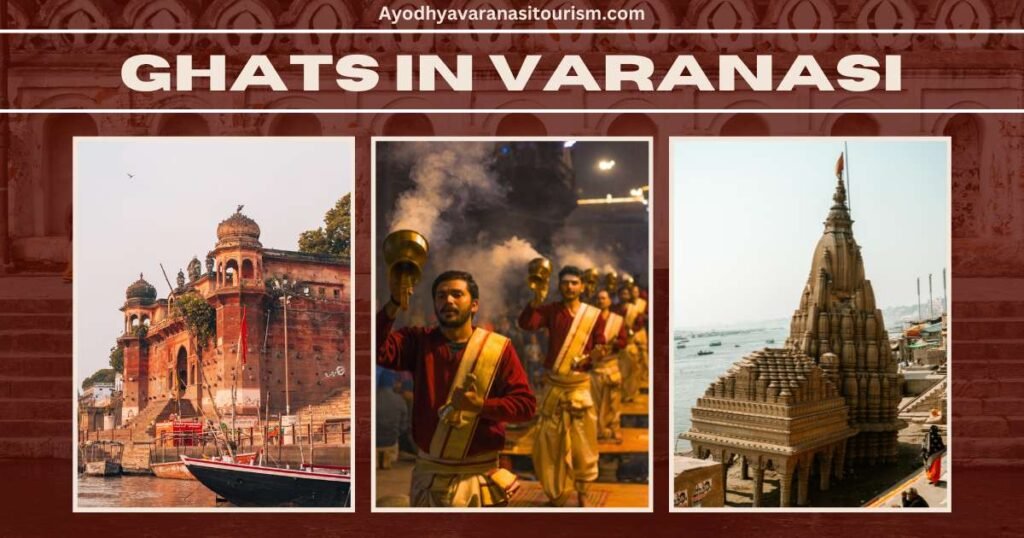
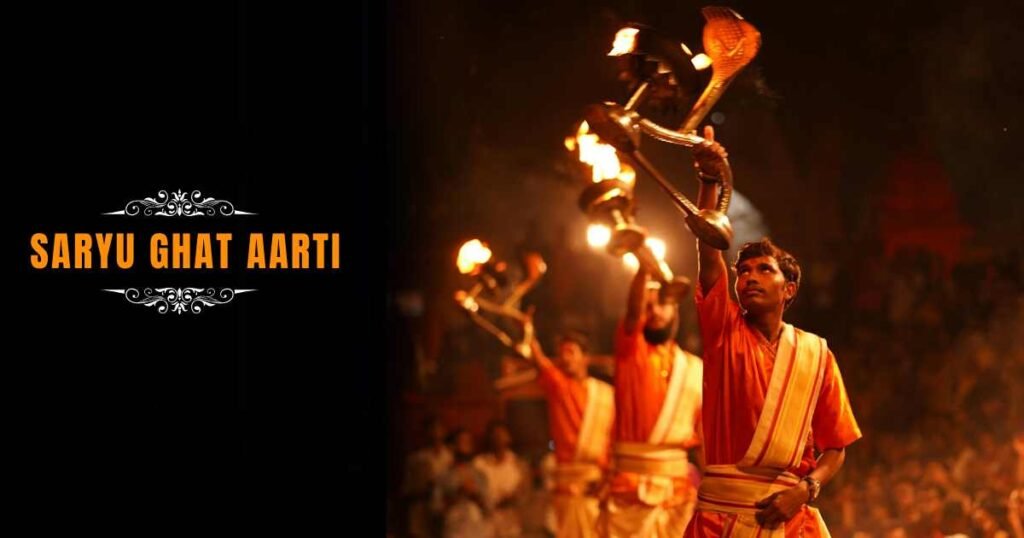
Varanasi doesn’t celebrate Holi the way Braj does. It observes. Ganga aarti, morning walks along the ghats, cremation fires burning without pause.
After days of colour and chanting, this feels grounding. Necessary.
Main Temples Covered During This Journey
In Mathura and Vrindavan, temples are experienced rather than ticked off. In Ayodhya and Varanasi, they structure the day.
- Shri Krishna Janmabhoomi and Dwarkadhish Temple in Mathura
- Banke Bihari Temple and surrounding ashrams in Vrindavan
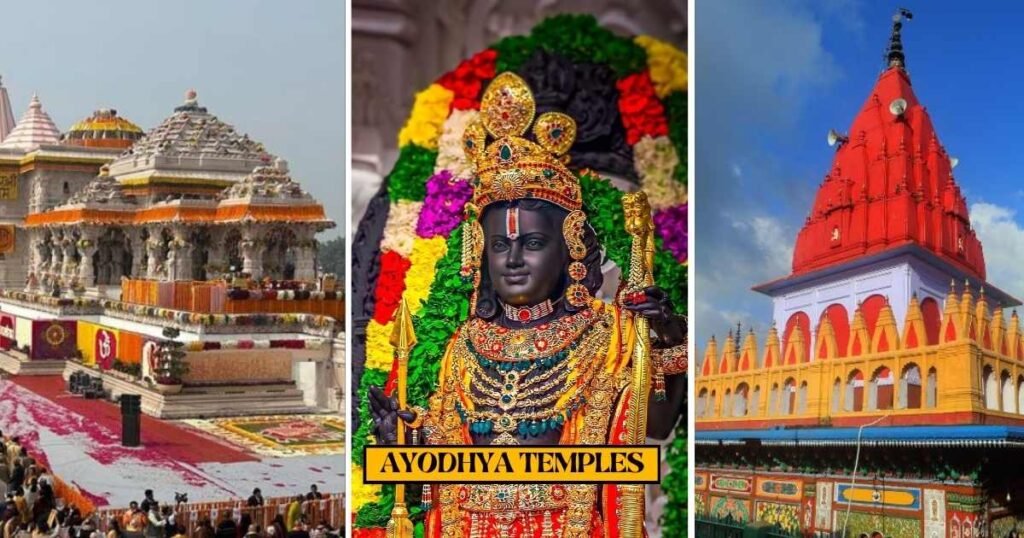
- Ram Janmabhoomi area in Ayodhya
- Kashi Vishwanath corridor and ghats in Varanasi
Spacing visits matters more than covering everything.
Crowd Reality and How to Handle It
Crowds are unavoidable during Holi. Accepting that changes everything.
- Start early, before peak hours
- Avoid carrying valuables
- Keep expectations flexible
- Step away when overwhelmed
Crowds thin naturally after Holi ends, especially in Ayodhya and Varanasi.

Safety Tips That Actually Help
- Eat light during Holi days
- Hydrate often
- Protect eyes and skin
- Rest properly before temple visits
- Don’t force participation
Enjoyment drops quickly when fatigue is ignored.
Nearest places to See Along the Route
Choosing nearby places thoughtfully prevents burnout.
- In Braj, short walks and quiet ghats help.
- In Ayodhya, riverfronts calm the pace.
- In Varanasi, ghats do the work for you.
Avoid long detours. Let places breathe.
Best Time to Visit for This Combined Tour
Late February to early March 2026 works perfectly. Weather supports travel. Holi dates align naturally. Post-Holi days feel lighter.
Trying this route in peak summer removes half the comfort.
How to Reach – From Delhi and Mathura
From Delhi
- By Car or Taxi: Flexible and comfortable for multi-city travel
- By Train: Good connectivity to Mathura, Ayodhya, and Varanasi
- By Air: Flights to Varanasi or Lucknow, then road/train
From Mathura
- Road and train connections are straightforward
- Travel overnight where possible to save energy
Long journeys feel easier when you stop rushing them.
Planning Support
Many travellers plan an Ayodhya Varanasi Tour with Mathura Vrindavan Holi 2026 with Ayodhya Varanasi Tourism mainly to keep pacing realistic. During Holi season, structure doesn’t reduce freedom. It protects it.
FAQs – Ayodhya Varanasi Tour with Mathura Vrindavan Holi 2026
Q1. Is this tour suitable for first-time India visitors?
Yes, with proper planning.
Q2. Will Holi be overwhelming?
It can be, but spacing and rest help.
Q3. How many days are ideal?
10–12 days works well.
Q4. Is travel safe during Holi?
Yes, with awareness.
Q5. Can older manage this tour?
Yes, if paced slowly.
Q6. Are temples very crowded?
During Holi, yes. Afterwards, manageable.
Q7. Is advance booking necessary?
Strongly recommended.
Q8. Does weather affect travel?
Mild temperatures help significantly.
Q9. Is photography allowed everywhere?
Depends on location.
Q10. Is this tour spiritually intense?
It can be, if you allow it.
Conclusion
This journey doesn’t ask you to celebrate constantly or pray continuously. It asks you to move. To feel noise, then silence. To feel tired, then steady. Holi in Mathura Vrindavan opens the heart. Ayodhya and Varanasi help it settle. And when you return, it’s not the colours you remember first. It’s the quiet moments between them.