
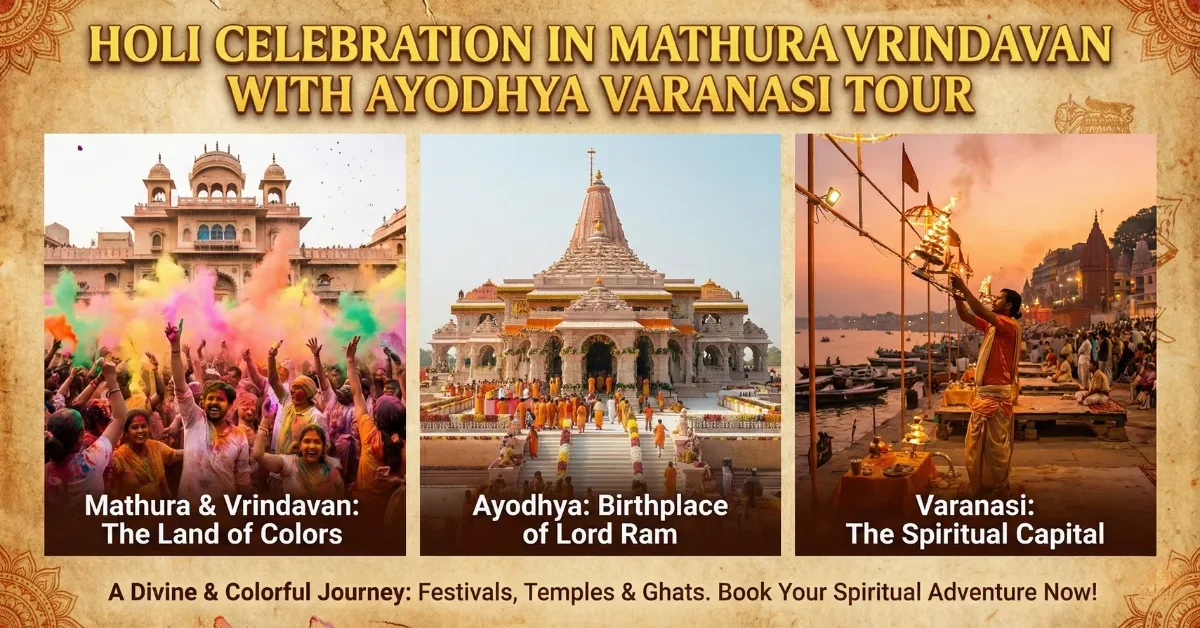
Some journeys arrive in your life quietly. They do not announce themselves. They simply wait for the right moment. Holi Celebration in Mathura Vrindavan with Ayodhya Varanasi Tour feels exactly like that. It is not just a festival plan. It is a movement through places where faith has been lived for centuries and joy has never needed permission.
This journey does not begin with colors. It begins with stories. With lanes that remember Krishna’s laughter. With temples that have seen generations arrive, celebrate, and leave changed. And as you walk through Mathura and Vrindavan during Holi, you slowly understand that nothing here is rushed. Everything unfolds when it is ready.
Table of Contents
ToggleHoli Celebration in Mathura Vrindavan Tour
The soul of this experience lies in the Holi Celebration in Mathura Vrindavan Tour. Holi here is not a single day. It is the season. It starts early, grows gently, and stays longer than expected. In Mathura and Vrindavan, Holi is woven into daily life. Shopkeepers smile differently. Saints sing louder. Locals prepare weeks in advance, not because they must, but because this festival belongs to them.
You do not feel like a tourist here. You feel like a witness. Someone allowed to stand quietly inside a living tradition.
Mathura Vrindavan Holi Tour Package
A thoughtfully designed Mathura Vrindavan Holi Tour Package allows you to experience this festival without forcing moments. Each day flows into the next, carrying its own emotion.
February 25, Wednesday – Laddu Holi in Barsana
The journey opens in Barsana with Laddu Holi. There is laughter everywhere. Laddus fly through the air, hands reach out instinctively, and strangers laugh together without introductions. It feels playful, but beneath that playfulness is devotion that does not need explanation.
February 26, Thursday – Lathmar Holi in Barsana
This is the day most people have heard about, but very few truly understand until they stand there. Barsana Lathmar Holi Tour is intense yet controlled. Traditional songs echo through the streets. The energy is strong, but respectful. It does not feel staged. It feels inherited.
February 27, Friday – Lathmar Holi in Nandgaon
In Nandgaon, the mood shifts slightly. It becomes softer, more personal. The celebration feels closer to the ground, closer to everyday life. You notice expressions more than colors. Smiles linger longer.
Braj Holi Tour Package
A true Braj Holi Tour Package teaches you patience. It shows you that Holi does not always mean chaos.
February 28, Saturday – Phoolon Ki Holi & Mathura Holi
Phoolon Ki Holi in Vrindavan feels almost unreal. Flower petals fall gently, replacing color with fragrance. Inside temples, time slows down. Later, Mathura celebrates in its own way, more vibrant, more open. Both experiences stay with you for different reasons.
March 1, Sunday – Gokul Holi & Raman Reti
Gokul feels quieter. At Raman Reti, you find space to pause. The sand beneath your feet, the calm surroundings, and the simplicity of the place bring a kind of balance after days of celebration.
Vrindavan Holi Celebration Tour
A Vrindavan Holi Celebration Tour cannot be imagined without temples. Banke Bihari Temple Holi is not loud. It is subtle. Curtains open briefly. Colors appear softly. The crowd moves together in silence and song. You do not take much back from here except a feeling you cannot name.
Holi Festival Tour Package India
This Holi Festival Tour Package India then moves toward tradition and reflection.
March 3, Tuesday – Holika Dahan
Holika Dahan is calm. Fires burn slowly. Families stand together. People pray quietly. It feels like a pause before release. Like letting go of something old without drama.
March 4, Wednesday – Rangwali Holi (Dhulandi)
Rangwali Holi arrives without warning. Streets fill with color. Faces blur. Laughter becomes louder. For a few hours, differences disappear. Everyone belongs to the same moment.
Ayodhya Mathura Varanasi Holi Tour
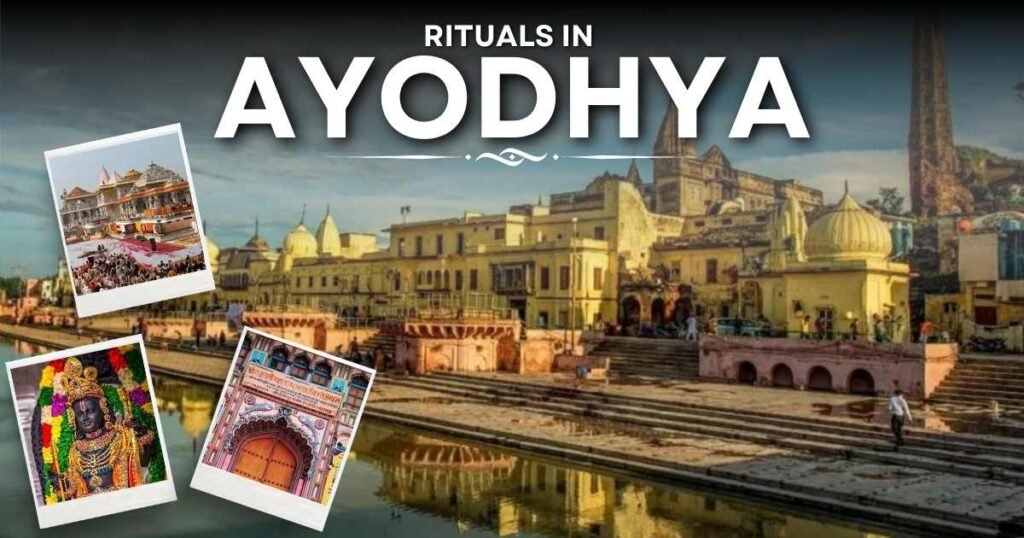
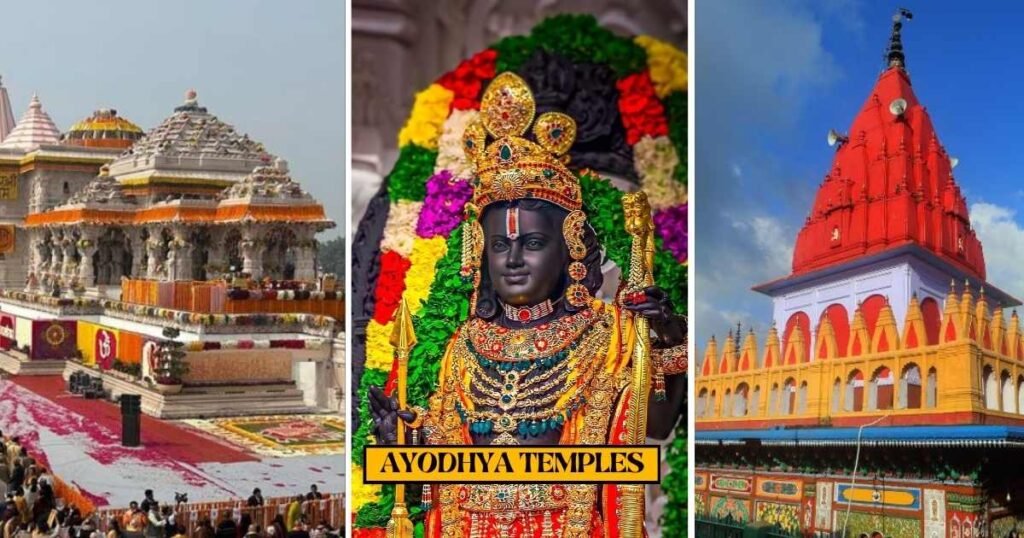
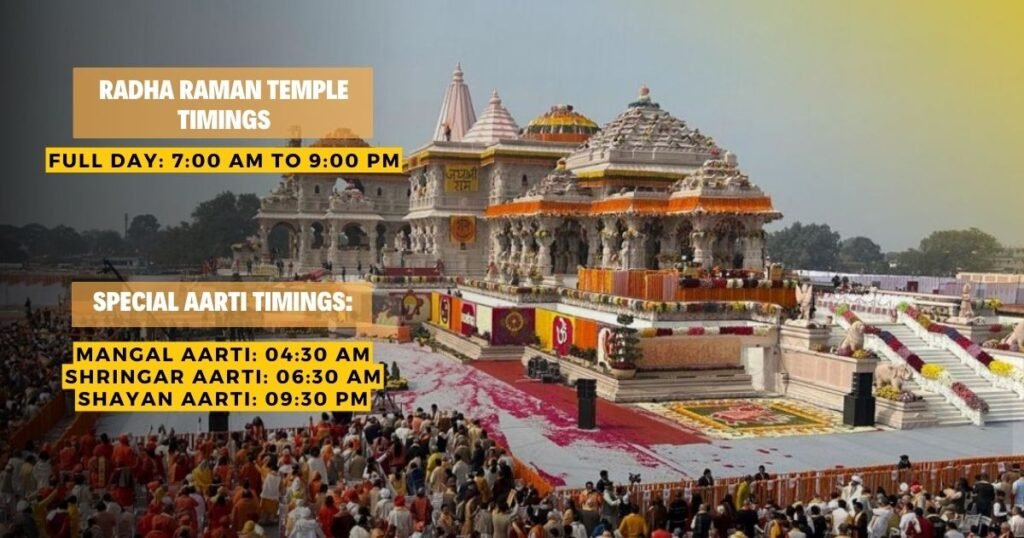
After the colors settle, the journey continues through Ayodhya Mathura Varanasi Holi Tour, adding depth to celebration. Ayodhya feels structured and grounded. Faith here is steady, calm, and reassuring. Temples do not demand attention. They simply stand.
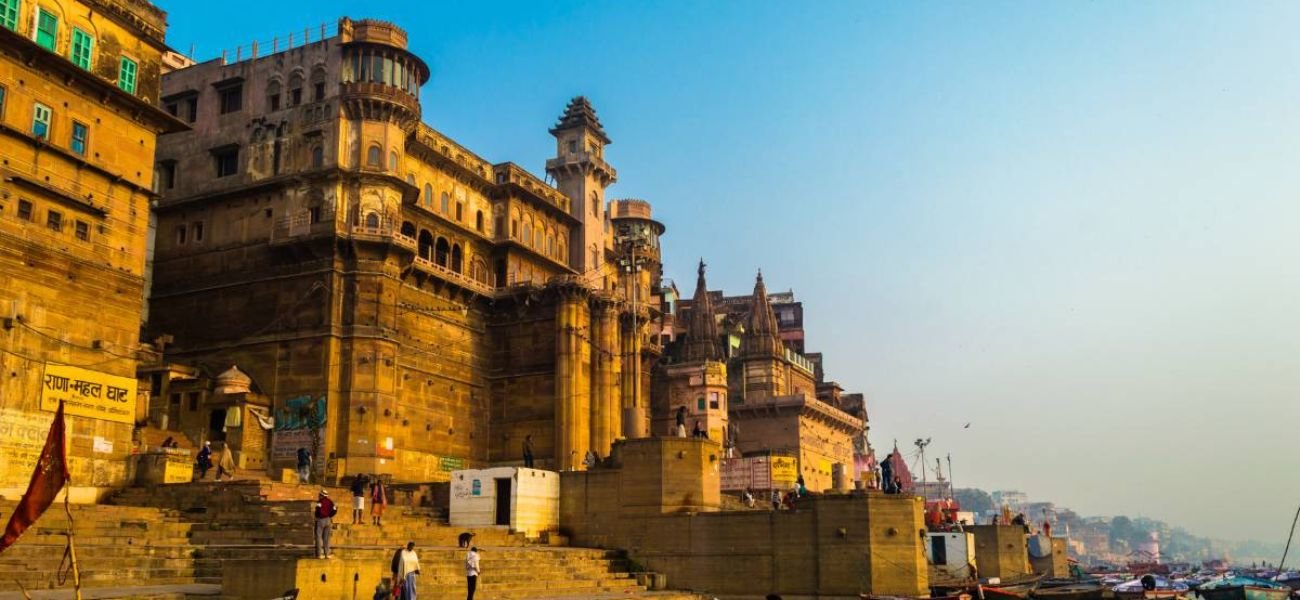
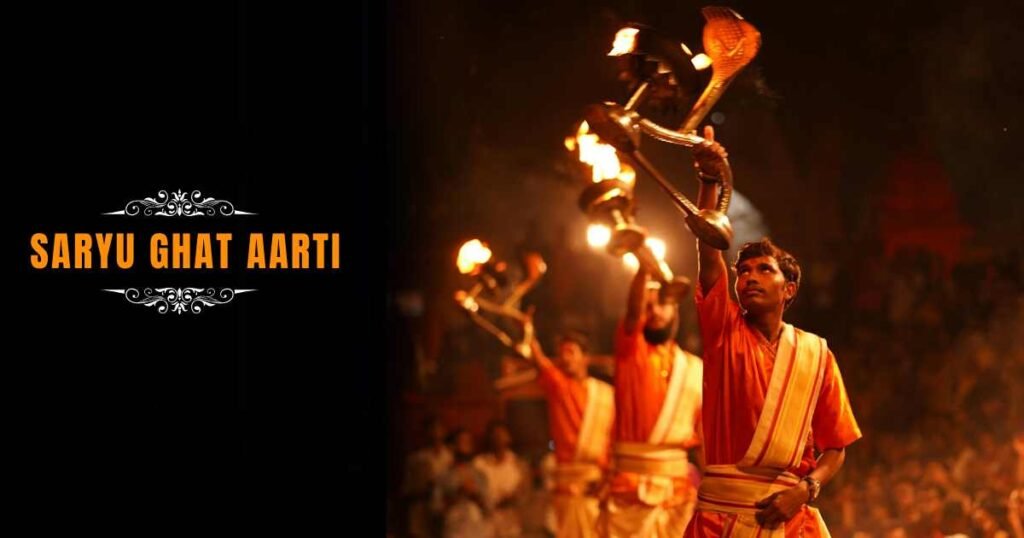
Varanasi changes the rhythm completely. Life slows down near the Ganga. Evenings become quieter. Aarti lights reflect on water, and thoughts begin to settle. This is where joy gently turns into understanding.
An Ayodhya Varanasi Pilgrimage with Holi completes the experience. It balances emotion with reflection. Celebration with silence.
Why This Journey Stays With You
Holi Celebration in Mathura Vrindavan with Ayodhya Varanasi Tour stays with you because it does not try to impress. It simply lets you be present. You remember small moments more than big events. A shared smile in Barsana. Flower petals brushing your shoulders in Vrindavan. The sound of bells in Varanasi at dusk.
For travelers seeking this kind of meaningful journey, Ayodhya Varanasi Tourism understands that not everything needs to be packaged tightly. The experience works best when space is allowed for emotion. Many travelers trust Ayodhya Varanasi Tourism because the focus remains on rhythm, comfort, and respect for tradition rather than rushing through highlights.
A Journey That Does Not End
When you return home, colors fade from clothes, but not from memory. Braj stays with you in quiet moments. Varanasi appears in stillness. Holi Celebration in Mathura Vrindavan with Ayodhya Varanasi Tour does not close like a chapter. It lingers, waiting to be felt again, slowly and honestly.
FAQs – Holi Celebration in Mathura Vrindavan with Ayodhya Varanasi Tour
1. When does Holi celebration start in Mathura and Vrindavan during this tour?
Holi celebrations begin much earlier than the main day. From February 25 onward, events like Laddu Holi, Lathmar Holi, Phoolon Ki Holi, and temple celebrations happen daily, building a gradual festive rhythm.
2. Is Barsana Lathmar Holi safe for first-time visitors?
Yes, when experienced as part of an organized tour. The celebration is energetic but traditional. Staying with guides and following instructions ensures comfort and safety throughout the event.
3. What makes Banke Bihari Temple Holi different from street Holi?
Banke Bihari Temple Holi is gentle and devotional. Colors are minimal, moments are brief, and the focus remains on darshan, bhajans, and emotion rather than loud celebration.
4. Will I be able to participate or just watch the Holi events?
You can do both. Some events are more observational, like Phoolon Ki Holi, while others like Rangwali Holi allow full participation based on personal comfort.
5. Are Ayodhya and Varanasi also celebrating Holi during this tour?
Holi in Ayodhya and Varanasi is calmer compared to Braj. The focus there is on temple visits, rituals, and spiritual reflection rather than color-based celebrations.
6. What kind of clothing should I carry for this Holi tour?
Carry simple cotton clothes, preferably light-colored or old outfits for Holi days. Comfortable footwear is important, as walking is involved in temple towns and village areas.
7. Is this tour suitable for senior citizens?
Yes, with proper planning. Some days are energetic, but rest periods, comfortable transport, and optional participation make it suitable for seniors as well.
8. How crowded does Mathura Vrindavan get during Holi?
The region gets very crowded, especially during Lathmar Holi and Rangwali Holi. However, guided movement and early planning help manage the experience smoothly.
9. What is the spiritual significance of combining Holi with Ayodhya and Varanasi?
This combination balances celebration with reflection. Braj offers joy and playfulness, Ayodhya brings discipline and devotion, and Varanasi provides calm and spiritual depth.
10. Who should choose this Holi Celebration in Mathura Vrindavan with Ayodhya Varanasi Tour?
This tour is ideal for travelers who want more than colors. It suits those seeking cultural depth, emotional connection, and a slow, meaningful experience of Holi across sacred destinations.