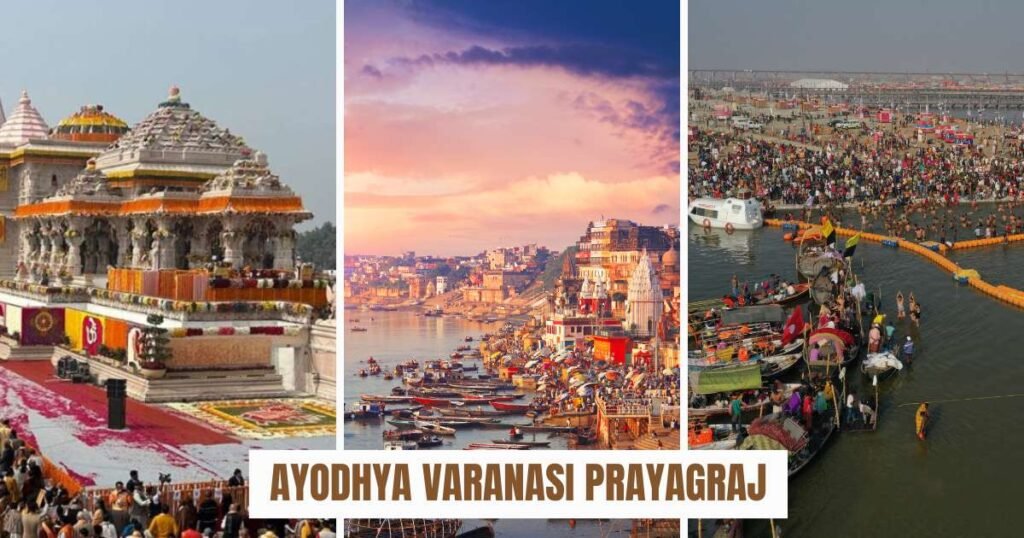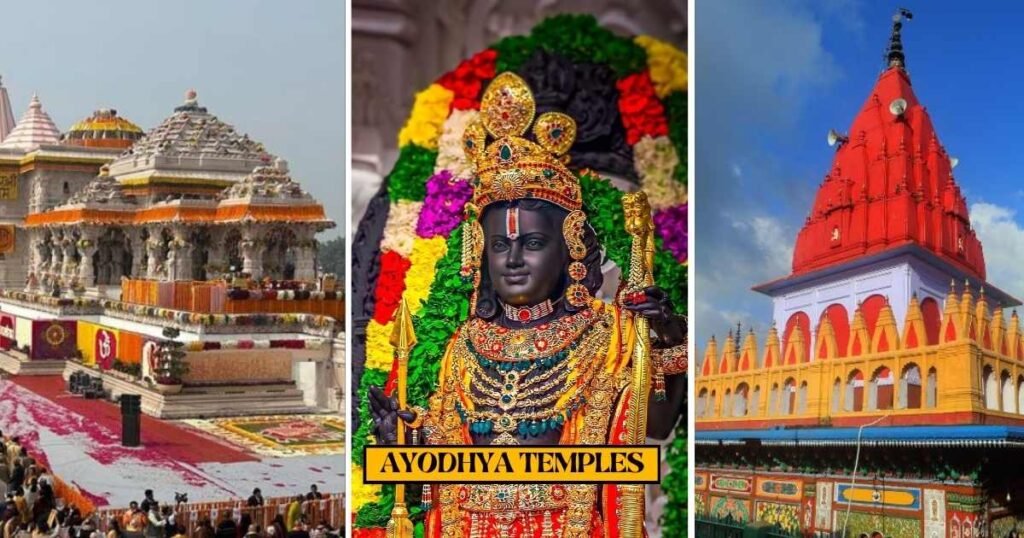


Travel rarely begins with movement. It usually begins with a quiet question inside—where do I need to go to feel settled again? For many people, that question gently points toward Ayodhya and Varananasi. Not as destinations on a map, but as places that have carried faith, memory, and silence for centuries. An Ayodhya Varanasi Tour Package is not about rushing between temples or ticking off rituals. It is about slowing down enough to listen to what these cities have been saying for a very long time.
Ayodhya feels like the beginning of a story, while Varanasi feels like its deep, unbroken continuation. Together, they form a journey that does not demand belief, only presence. That is why this route continues to draw pilgrims, seekers, families, and even first-time spiritual travelers year after year.
Table of Contents
ToggleAyodhya Varanasi Tour Package – when the journey feels personal
An Ayodhya Varanasi Tour Package works best when it respects the rhythm of the land. Ayodhya is calm, measured, almost restrained in its energy. Varanasi, on the other hand, is alive in layers—chants, bells, footsteps, river sounds, and long silences all moving together.
This journey is designed for those who want more than sightseeing. It allows time for temple darshan without pressure, space to sit quietly by the river, and moments where nothing is scheduled at all. Many travelers choose this route not because it is popular, but because it feels necessary at a certain point in life.
With Ayodhya Varanasi Tourism, the focus stays on balance—covering the important places while allowing the journey to unfold naturally.
Ayodhya Varanasi Pilgrimage Tour – walking through living faith
An Ayodhya Varanasi Pilgrimage Tour is deeply rooted in continuity. Ayodhya, known as the birthplace of Lord Ram, carries a sense of discipline and moral clarity. The lanes are quieter, the ghats are gentler, and the atmosphere feels composed.
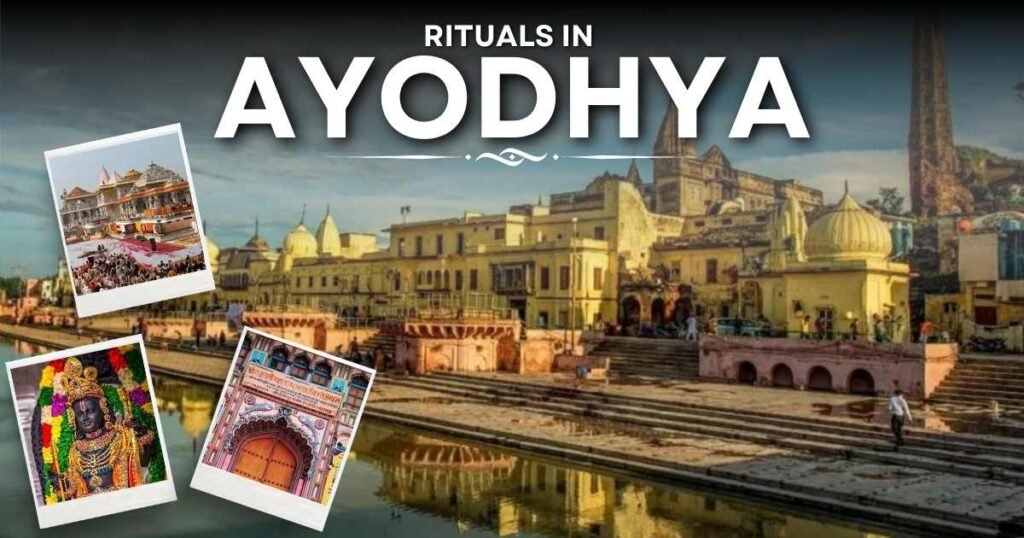
A visit to the Ram Mandir Ayodhya Varanasi Tour route often begins with early-morning darshan in Ayodhya. The hours before noon are ideal—crowds move steadily, and the surroundings feel settled. A walk along Saryu Ghat later in the day brings a different kind of calm, where the river seems to slow everything down.
Pilgrimage here is not loud. It is steady, patient, and inward-looking. This is what makes Ayodhya such a grounding start to the journey.
Ayodhya to Varanasi Tour – the shift you can feel
The Ayodhya to Varanasi Tour marks a noticeable change, not just in distance but in energy. The road itself feels like a transition—from restraint to expression, from beginnings to something older and deeper.
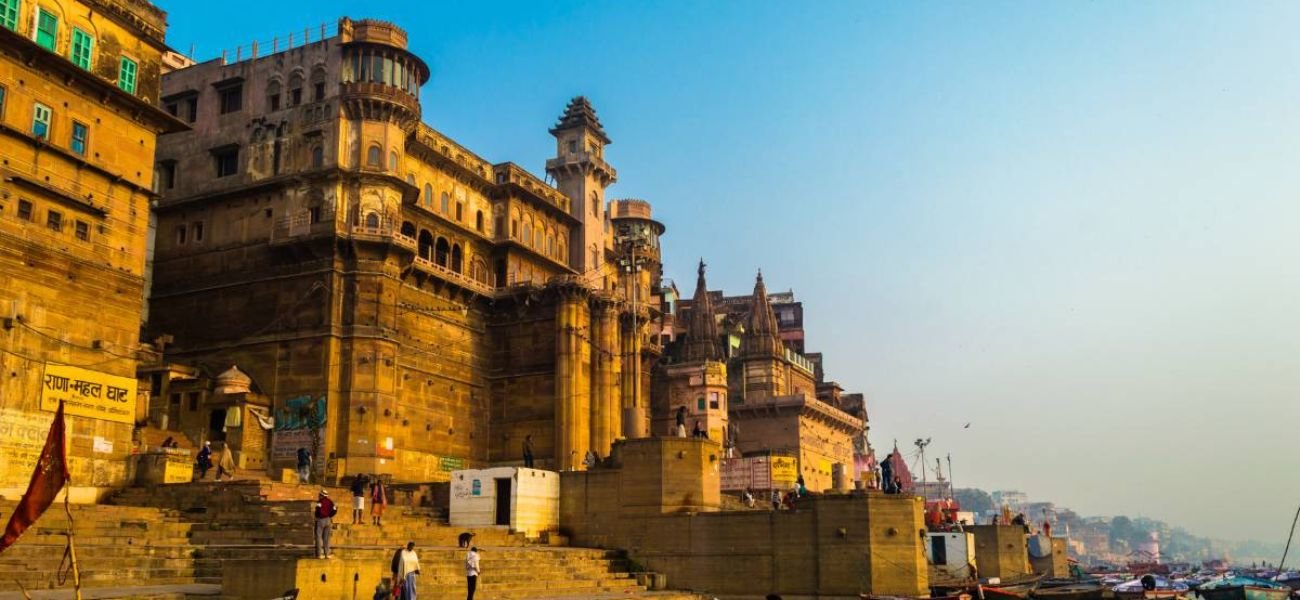
Arriving in Varanasi is rarely quiet. Even at night, the city hums softly. Ghats stretch endlessly, rituals continue without pause, and life and death seem to share the same space without conflict. This is where many travelers pause—not because the itinerary asks them to, but because the city itself does.
This part of the journey works best when time is left uncompressed. Varanasi reveals itself slowly, and only to those who stay present.
Ayodhya Varanasi Spiritual Tour – understanding beyond ritual
An Ayodhya Varanasi Spiritual Tour goes beyond temple lists. In Varanasi, spirituality is woven into daily life. Morning begins with boat rides on the Ganga, where the city wakes gently under a pale sky. Priests perform rituals not as performances, but as habits passed down through generations.
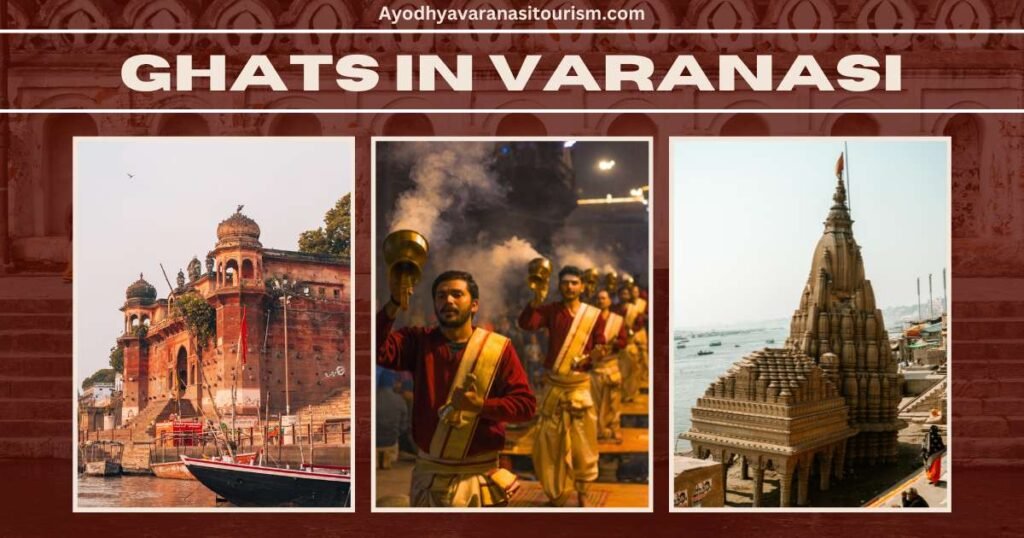
The Ganga Aarti Tour Package experience in the evening is often the emotional centre of the journey. At Dashashwamedh Ghat, lamps rise together, chants fill the air, and for a few minutes, everything else fades. You do not need to understand every word. You only need to stand there and let it happen.
This is not a moment to photograph endlessly. It is a moment to watch, absorb, and carry quietly.
Ayodhya Varanasi Sightseeing – temples, ghats, and lived spaces
Ayodhya Varanasi Sightseeing is best approached with patience. In Ayodhya, key sites like Ram Mandir, Hanuman Garhi, and Saryu Ghat are covered without hurry. Each place has space to sit, observe, and move on only when ready.
Varanasi expands the experience. Kashi Vishwanath Temple, Annapurna Temple, and the long chain of ghats are not isolated attractions—they are part of a single, flowing environment. Walking through the old lanes is as meaningful as temple visits themselves. The city teaches you how faith and daily life coexist without separation.
This balance is what most travelers remember long after the journey ends.
Ayodhya Varanasi Itinerary – designed to breathe
A thoughtful Ayodhya Varanasi Itinerary does not overload days. Typically, the journey begins in Ayodhya with temple darshan and ghat visits spread gently across the day. The second phase moves toward Varanasi, where mornings are kept slow and evenings intentional.
Free time is not a gap—it is part of the plan. Sitting by the river, walking without direction, or simply watching the city move becomes as important as scheduled visits.
Quiet planning support from Ayodhya Varanasi Tourism often helps travelers manage temple timings and crowd flow without feeling rushed or disconnected from the experience.
Ayodhya Varanasi Travel Package – who this journey is for
An Ayodhya Varanasi Travel Package suits many kinds of travelers. Elderly pilgrims appreciate the calm pacing. Families value clarity and comfort. Solo travelers often find something unexpectedly personal along the way.
This journey does not ask for deep religious knowledge. It only asks that you arrive open and attentive. Many people return changed in small ways—more grounded, more reflective, less hurried.
That quiet shift is often the real takeaway.
Ram Mandir Ayodhya Varanasi Tour – faith without noise
The Ram Mandir Ayodhya Varanasi Tour holds special meaning for those seeking a connection with Lord Ram’s ideals—duty, humility, and balance. The experience is not about spectacle. It is about presence.
From Ayodhya’s disciplined calm to Varanasi’s eternal flow, the journey creates a narrative that feels complete without being final. There is always more to return for.
Ganga Aarti Tour Package – an ending that feels like a beginning
Most travelers find that the Ganga Aarti Tour Package does not feel like a conclusion. Standing at the ghat as lamps rise and fall, you realise that the journey does not end here. It simply settles somewhere inside you.
People leave quietly after the aarti. Conversations soften. Movements slow. Something has been placed gently into memory.
That is often how this journey stays—with you, long after the roads fade.
An Ayodhya Varanasi Tour Package is not about seeing everything. It is about seeing enough, and feeling the rest. When done with care, it becomes less of a trip and more of a pause in life—one that continues to guide you even after you return home.
FAQs – Ayodhya Varanasi Tour Package
1. What is included in the Ayodhya Varanasi Tour Package?
The Ayodhya Varanasi Tour Package generally includes accommodation, local transfers, guided temple visits, and planned sightseeing covering major spiritual landmarks in both cities, while keeping the journey calm and unhurried.
2. How many days are ideal for an Ayodhya Varanasi Pilgrimage Tour?
For an Ayodhya Varanasi Pilgrimage Tour, 4 to 5 days are considered ideal. This allows enough time for temple darshan, ghats, and spiritual experiences without rushing through important moments.
3. Does the tour include Ram Mandir and Kashi Vishwanath Temple darshan?
Yes, the Ram Mandir Ayodhya Varanasi Tour includes Ram Mandir darshan in Ayodhya and Kashi Vishwanath Temple visit in Varanasi, planned around suitable timings to manage crowd flow smoothly.
4. Is the Ganga Aarti Tour Package part of the itinerary?
Most itineraries include the Ganga Aarti Tour Package experience at Dashashwamedh Ghat in the evening, allowing travelers to witness the ritual calmly without feeling overwhelmed.
5. What is the best time to book an Ayodhya to Varanasi Tour?
The best time for an Ayodhya to Varanasi Tour is from October to March, when the weather is pleasant and suitable for temple visits, walking around ghats, and early morning rituals.
6. Is this tour suitable for senior citizens and families?
Yes, the Ayodhya Varanasi Spiritual Tour is well-suited for senior citizens and families as the itinerary is designed with slow pacing, minimal physical strain, and comfortable travel arrangements.
7. What kind of sightseeing is covered in Ayodhya Varanasi Sightseeing?
Ayodhya Varanasi Sightseeing includes Ram Mandir, Hanuman Garhi, Saryu Ghat in Ayodhya, and Kashi Vishwanath Temple, Annapurna Temple, major ghats, and boat ride experiences in Varanasi.
8. Can the Ayodhya Varanasi Itinerary be customized?
Yes, the Ayodhya Varanasi Itinerary can be customized based on travel pace, special darshan requests, or additional spiritual stops, ensuring the journey remains comfortable and personal.
9. Does the tour focus more on spirituality or sightseeing?
The Ayodhya Varanasi Travel Package maintains a balance between spirituality and sightseeing, allowing travelers to experience rituals, temples, ghats, and the living culture of both cities together.
10. Who should choose Ayodhya Varanasi Tourism for this journey?
Travelers looking for a calm, well-paced, and experience-focused spiritual journey often choose Ayodhya Varanasi Tourism, as the approach emphasizes comfort, timing clarity, and meaningful travel rather than rushed schedules.