
People usually plan an Ayodhya–Varanasi journey with a lot of emotion and very little realism. On paper, it looks manageable. Two sacred cities. Both in Uttar Pradesh. Connected by road and rail. Many travellers tell themselves, “We’ll manage somehow.”
But once the journey begins, tiredness shows up in unexpected ways. Not just in the legs, but in the mind. Long darshan queues. Ritual timings that don’t align with travel hours. Early mornings followed by late nights. And somewhere in between, the feeling that everything is happening too fast.
So when someone asks how tiring an Ayodhya Varanasi trip is if done in a short time, the answer depends on whether the journey is paced according to devotion or forced according to convenience.
This blog explains that honestly, using real temple timings, ritual flow, and on-ground experience—without making the journey sound easier than it truly is.
Understanding Ayodhya and Varanasi Before Combining Them
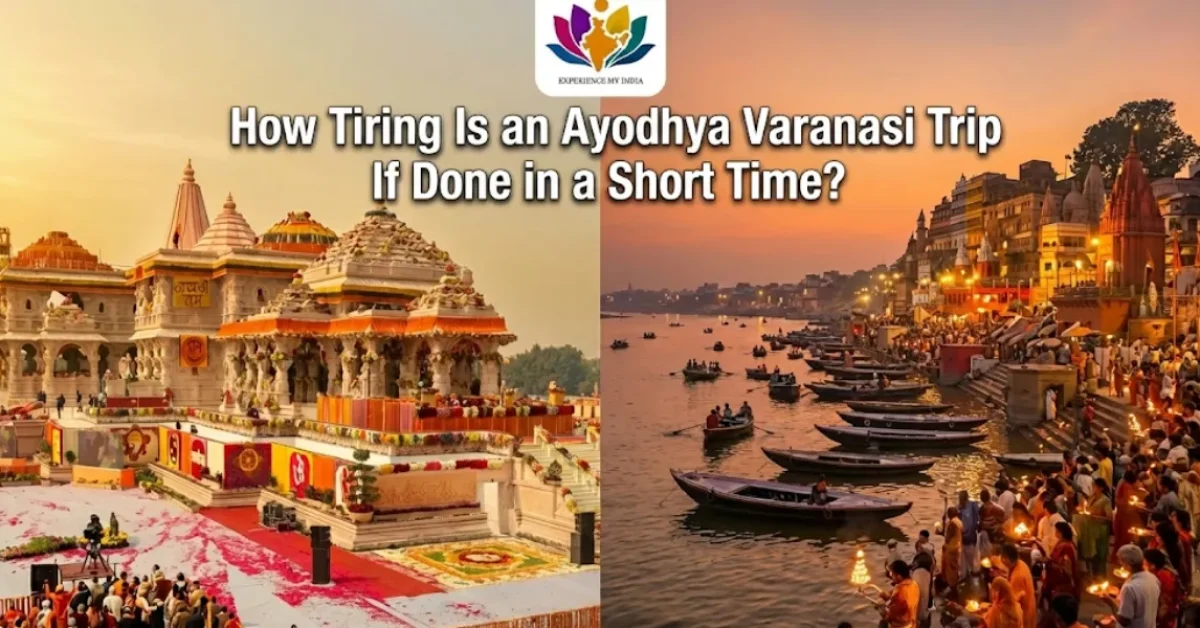
Ayodhya and Varanasi are often spoken of in the same breath, but they do not feel alike at all.
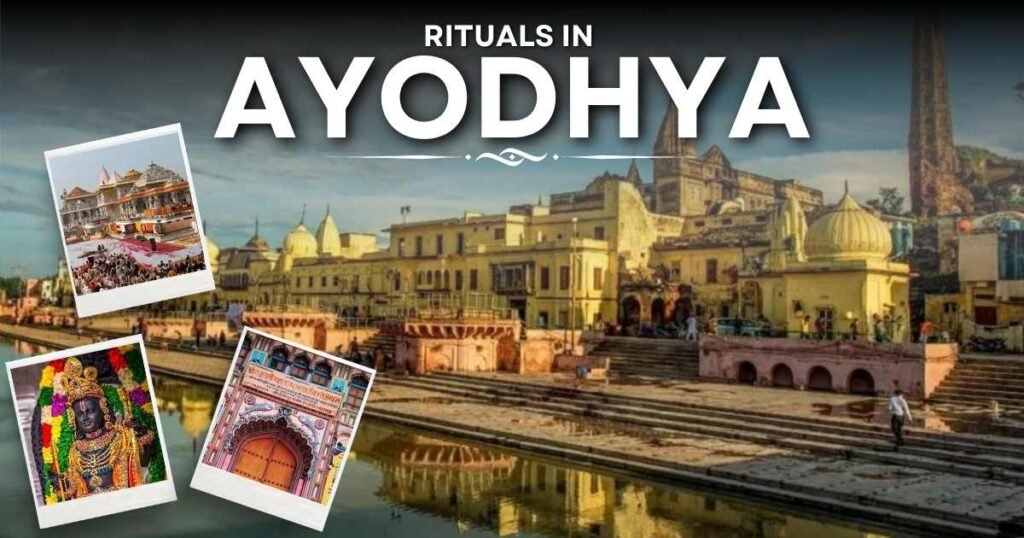
Ayodhya feels open and steady. Roads are wider. Movement is slower. The atmosphere carries a quiet dignity. Darshan here is more structured, and people tend to move with patience.
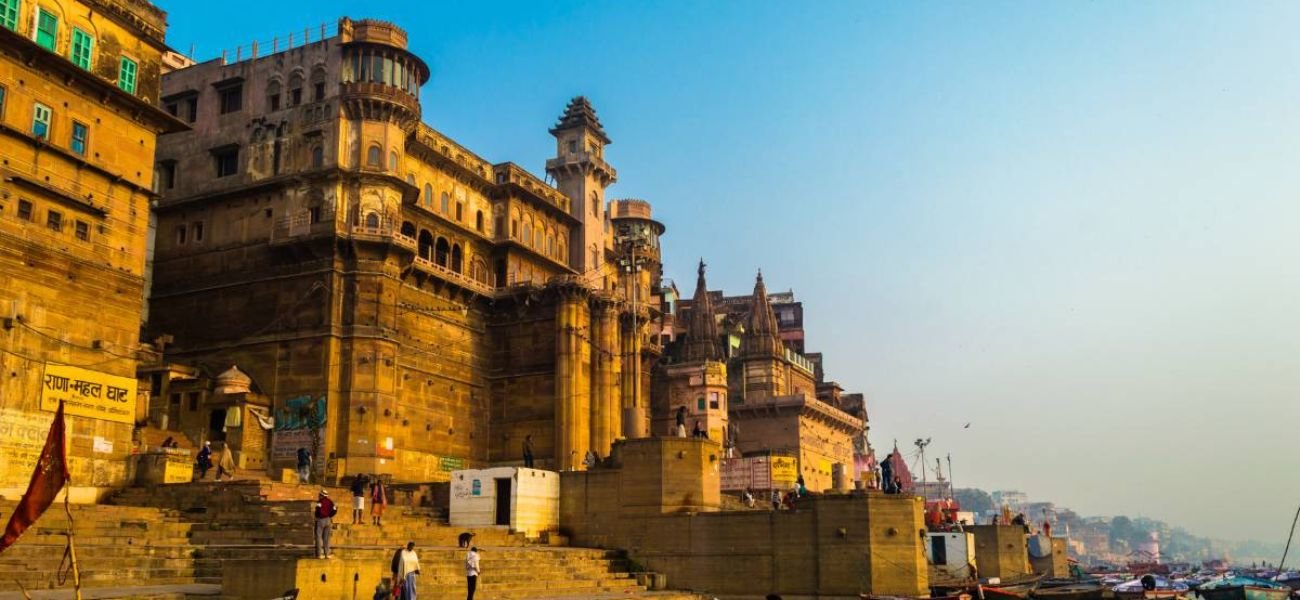
Varanasi feels intense and layered. Lanes narrow suddenly. Crowds shift constantly. Rituals happen throughout the day and night. Time here doesn’t slow down for anyone.
In an Ayodhya Varanasi pilgrimage tour, the tiredness does not come from distance alone. It comes from switching between these two very different spiritual energies without enough space in between.
Why Short-Time Ayodhya Varanasi Trips Feel More Exhausting Than Expected
Most short trips underestimate three things:
- Ritual timings that dictate movement
- Crowd density, especially in Varanasi
- Early mornings combined with late nights
People plan an Ayodhya to Varanasi travel itinerary assuming darshan can be done whenever they arrive. In reality, temples and rituals follow their own clocks. Arriving at the wrong time often means waiting, and waiting quietly drains energy.
Same-Day or Two-Day Trips – Where Fatigue Peaks
Some travellers attempt to cover Ayodhya and Varanasi in one or two days. This is where exhaustion rises sharply.
One-Day Ayodhya–Varanasi Attempt
This is technically possible only with overnight travel and minimal stops. Practically, it is extremely tiring.
What usually happens:
- Very early darshan in Ayodhya
- Long road or train journey
- Late-night arrival in Varanasi
- No energy left for evening rituals
Darshan may happen, but the experience feels blurred.
Two-Day Trip – Slightly Better, Still Heavy
A two-day Ayodhya Varanasi spiritual journey usually looks like:
- Day one: Ayodhya
- Day two: Varanasi
This reduces pressure slightly, but fatigue remains.
Why?
- Ayodhya requires calm mornings
- Varanasi demands late nights
- The body gets no recovery window
Two days often feel “completed” but not absorbed.
Ayodhya – Calm, But Still Demanding in Short Trips
Ayodhya feels peaceful, but it still follows strict temple rhythms.
Major Temples in Ayodhya With Darshan Timing
- Shri Ram Janmabhoomi
Morning darshan usually begins early and continues till noon.
Afternoon entry is limited.
Evening darshan resumes with controlled crowd flow. - Hanuman Garhi
Morning darshan is calmer.
Evening hours see heavier footfall. - Kanak Bhawan
Morning and evening darshan.
Less crowded compared to main shrines.
Ayodhya works best when visited slowly. Rushing here feels unnatural, and that mental friction contributes to tiredness.
Varanasi – Where Rituals Never Really Stop
Varanasi is beautiful, but it is relentless.
Major Temples in Varanasi With Darshan Timing
- Kashi Vishwanath Temple
Morning darshan starts very early.
Afternoon darshan continues with waiting.
Evening hours are extremely crowded. - Sankat Mochan Hanuman Temple
Morning and evening darshan.
Calmer compared to Kashi Vishwanath.
Daily Rituals That Add to Fatigue
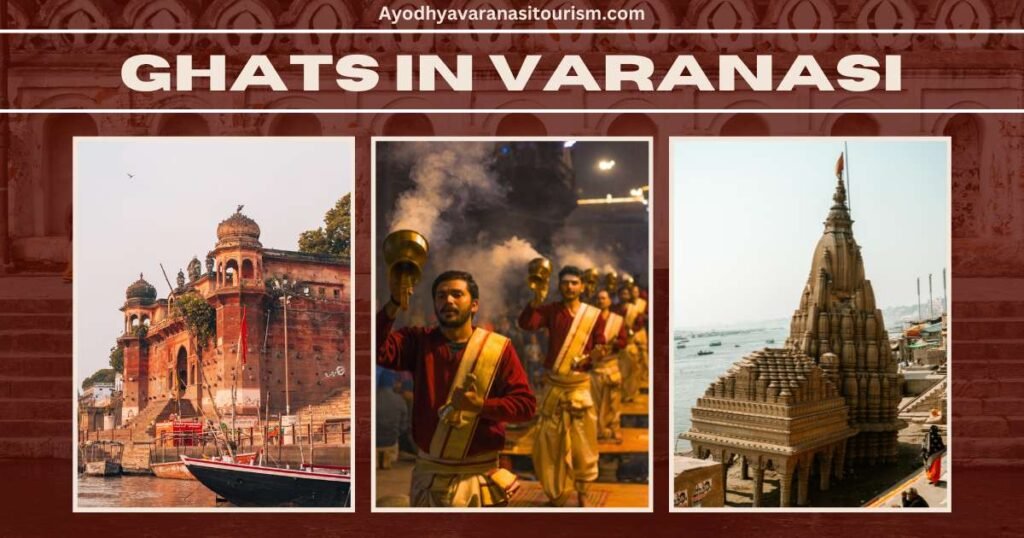
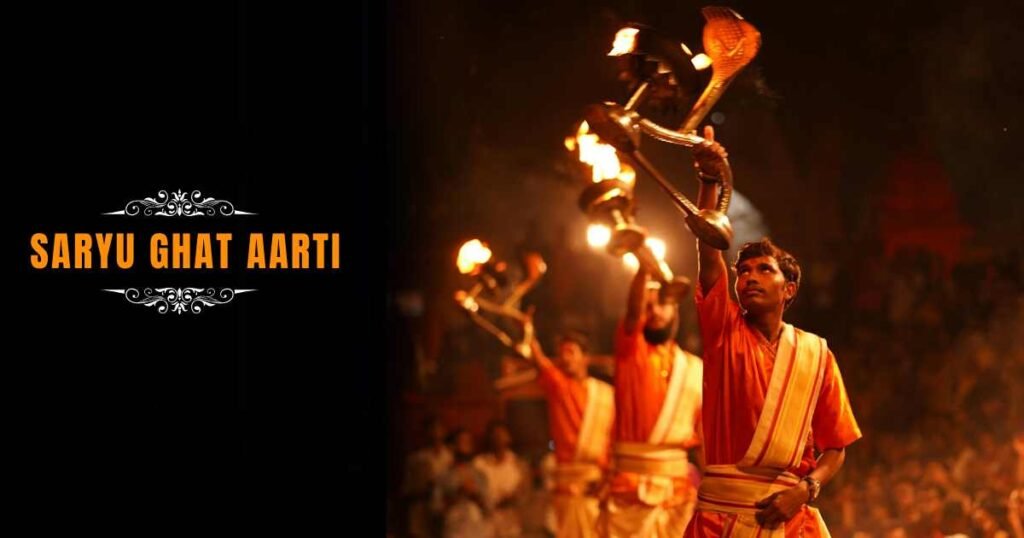
- Ganga Aarti
Held every evening at Dashashwamedh Ghat.
Crowded, emotional, and standing-heavy. - Subah-e-Banaras
Early morning ritual at Assi Ghat.
Requires waking before sunrise.
In short trips, people try to attend everything. The result is sleep deprivation more than physical exhaustion.
Rituals and Festivals – When Short Trips Become Very Heavy
Festivals magnify everything.
Ram Navami (Ayodhya)
- Massive crowds
- Extended darshan waiting
- Slower movement
Dev Deepawali & Mahashivratri (Varanasi)
- Extremely high footfall
- Night-long rituals
- Little rest possible
A short Ayodhya Varanasi trip during festivals is significantly more tiring than during normal days.
Best Time to Visit and Its Impact on Energy
October to March
- Pleasant weather
- Higher crowd density
- Moderate fatigue
April to June
- Extreme heat
- Energy drains quickly
- Short trips feel punishing
Monsoon Months
- Humidity
- Slippery ghats
- Slower movement
Choosing the right season can reduce tiredness more than reducing places.
Places to See and How They Add to Fatigue
In Ayodhya:
- Sarayu Ghat (evening calm)
- Ram Ki Paidi (ritual-focused)
In Varanasi:
- Sarnath (quiet, but requires travel)
- Manikarnika Ghat (intense atmosphere)
Trying to include all of these in a short schedule adds mental and physical load.
Things to Do That Reduce Fatigue (Often Ignored)
- Sitting quietly at ghats instead of moving constantly
- Choosing morning rituals or evening rituals, not both
- Skipping one temple to rest
These choices don’t reduce devotion. They preserve energy.
How to Reach and How Travel Mode Affects Tiredness
By Train
- Less physically tiring
- Overnight options available
Car
- Flexible
- Long hours can exhaust quickly
By Bus
- Budget-friendly
- Most tiring for long distances
By Air
- Saves time
- Still requires ground travel and early check-ins
Choosing comfort over speed helps short trips feel manageable.
Quiet planning guidance from Ayodhya Varanasi Tourism often helps travellers balance devotion with rest rather than forcing everything into limited days.
So, How Tiring Is an Ayodhya Varanasi Trip in a Short Time?
Here is the honest assessment:
- Very tiring in one day
- Moderately tiring in two days
- Manageable in three days
- Comfortable in four days or more
The exhaustion does not come from distance.
It comes from compressing too many rituals, emotions, and expectations into too little time.
FAQs – Ayodhya Varanasi Trip
Q1. Is a one-day Ayodhya Varanasi trip practical?
Only for symbolic visits, not meaningful experience.
Q2. How many days reduce fatigue the most?
Three to four days offer better balance.
Q3. Which city feels more tiring?
Varanasi, due to crowds and continuous rituals.
Q4. Do temple timings increase exhaustion?
Yes, waiting and standing add silent fatigue.
Q5. Is this trip suitable for older citizens?
Yes, but only with relaxed pacing.
Q6. Do festivals increase tiredness?
Significantly, due to crowds and extended rituals.
Q7. Is early morning better than late night rituals?
Choose one; doing both increases exhaustion.
Q8. Can Sarnath be skipped in short trips?
Yes, to conserve energy.
Q9. Is train travel better than road?
Yes, for reducing physical strain.
Q10. What makes the journey feel less tiring?
Fewer expectations, proper rest, and realistic timing.
An Ayodhya Varanasi trip done in a hurry tests more than stamina.
It tests patience, attention, and the ability to let some moments unfold slowly.
And often, the journey becomes lighter the moment you stop trying to fit everything into a single frame.