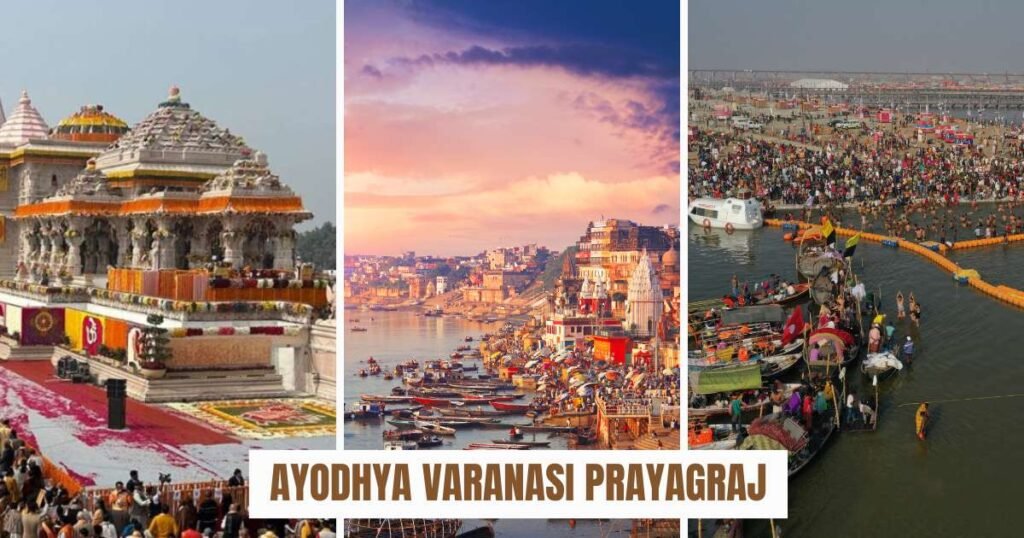


This journey is often imagined as a straight religious route, but on the ground it feels very different. Ayodhya slows you down, Chitrakoot deepens that stillness, and Varanasi finally brings intensity and release together. This 7 Days Ayodhya Varanasi Chitrakoot Tour Package works best when you allow each place to unfold at its own pace instead of treating it like a checklist.
The itinerary below follows real travel conditions, crowd behaviour, walking distances, and the way pilgrims actually move through these cities.
Table of Contents
ToggleAyodhya Varanasi Chitrakoot Itinerary – Why the Order Matters
Starting in Ayodhya and ending in Varanasi makes a clear difference. Ayodhya prepares you gently. Chitrakoot brings physical calm and silence. Varanasi, with its constant movement, comes last when you are mentally ready for it.
This Ayodhya Varanasi Chitrakoot Itinerary avoids fatigue and emotional overload, especially for first-time pilgrims.
Day 1: Arrival in Ayodhya – Let the City Come to You
Most travelers arrive in Ayodhya by afternoon. After hotel check-in, the city feels quieter than expected once you step away from the main corridors. Use this day to walk lightly, observe, and rest.
An evening visit to the Saryu river works better than rushing into temples. This first day of the Ayodhya Varanasi Pilgrimage Tour is about settling in, not rushing darshan.
Day 2: Ayodhya Darshan – Early Morning Works Best Here
Early morning is the most comfortable time for Ram Mandir darshan. Crowds are controlled, movement feels smoother, and the devotional atmosphere is calmer.
Nearby temples can be covered on foot afterward. Late afternoon is best kept free, as crowds increase sharply post-noon. Evening time near the ghats offers a quiet close to the day.
This day forms the spiritual base of the Ayodhya Ram Mandir Varanasi Package.
Ayodhya Chitrakoot Varanasi Tour – The Road South
Leaving Ayodhya and heading toward Chitrakoot brings an immediate shift in pace. Roads grow quieter, greenery increases, and travel feels slower in a good way.
This stretch of the Ayodhya Chitrakoot Varanasi Tour prepares you mentally for Chitrakoot’s calm.
Day 3: Ayodhya to Chitrakoot – A Clear Change in Pace
Arrival in Chitrakoot is best planned by afternoon. Avoid heavy sightseeing on this day. A gentle evening walk or sitting near the Mandakini river is enough.
Chitrakoot reveals itself slowly, and forcing plans here breaks the rhythm.
Chitrakoot Sightseeing Tour – Why Walking Matters
Chitrakoot is best experienced on foot. Most sacred spots are close, and walking connects the places emotionally rather than mechanically.
This Chitrakoot Sightseeing Tour feels meaningful only when done slowly.
Day 4: Chitrakoot Darshan – Walking Does the Work
Begin early for Kamadgiri Parikrama. Morning hours are cooler and less crowded. The parikrama is not just a ritual walk; it sets the emotional tone for the entire journey.
Late morning and afternoon should be restful. Evening near the river feels natural and unforced, which is why many travelers find this day deeply grounding in the Spiritual Tour Ayodhya Varanasi Chitrakoot.
Ram Mandir Kashi Chitrakoot Tour – Connecting Silence to Intensity
The transition from Chitrakoot to Varanasi is long and tiring. Plan breaks and avoid tight arrival schedules.
This road journey links the forest stillness of Chitrakoot with the intensity of Kashi, forming the emotional bridge of the Ram Mandir Kashi Chitrakoot Tour.
Day 5: Chitrakoot to Varanasi – A Long Road, Take It Easy
Reaching Varanasi usually happens by evening. The city arrives all at once, with sound, crowds, and movement.
Avoid temple visits today. A short walk and early rest prepare you for the next morning.
Ganga Aarti with Ayodhya Chitrakoot Tour – Timing Matters More Than Seating
Many travelers focus too much on getting the closest spot for aarti. In reality, timing and patience matter more.
This Ganga Aarti with Ayodhya Chitrakoot Tour feels more complete when the river is first experienced during morning rituals.
Day 6: Varanasi – Start Before the City Wakes Up
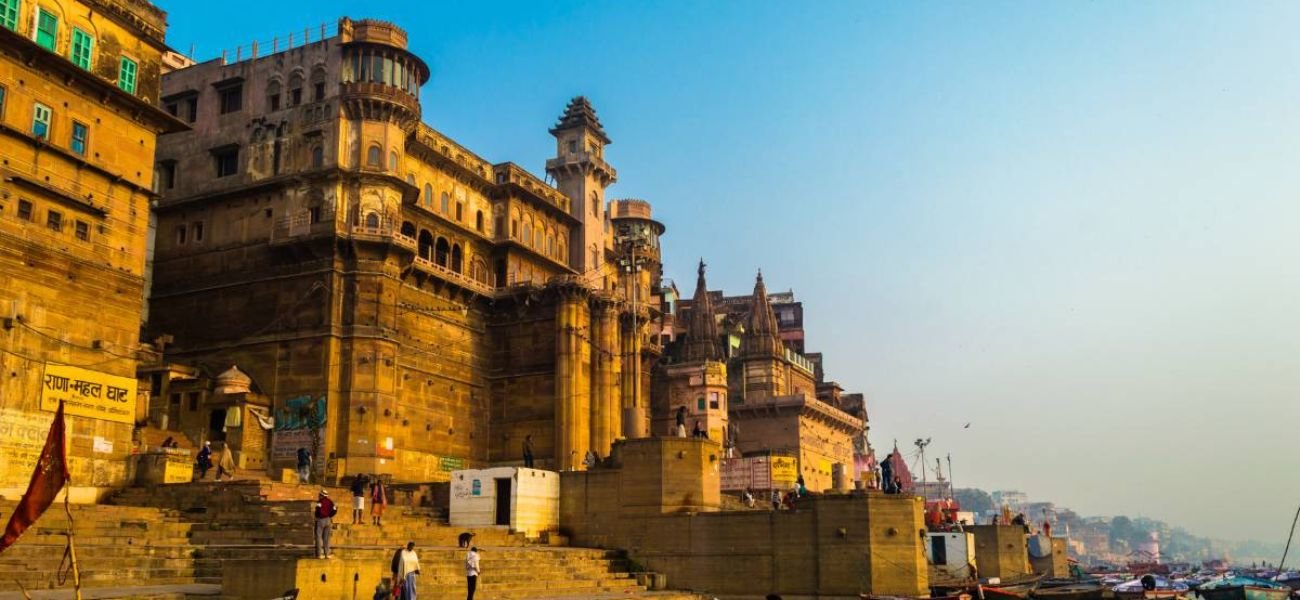
A pre-sunrise boat ride shows Varanasi at its quietest and most authentic. Rituals unfold naturally without noise or pressure.
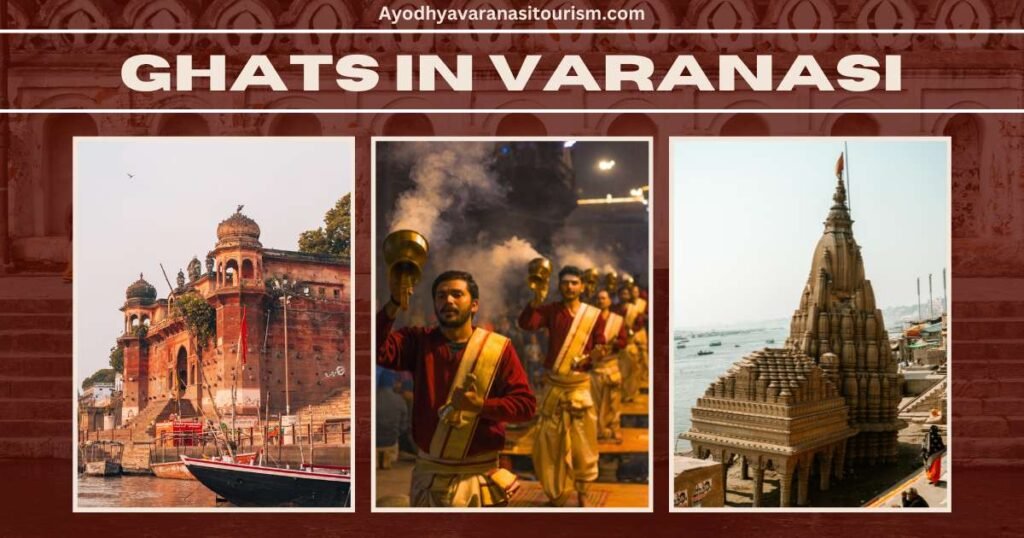
Temple visits work best in mid-morning. Afternoon rest is essential. Evening Ganga Aarti should be viewed from a slightly removed spot to avoid heavy crowd stress.
This day completes the spiritual arc of the 7 Days Ayodhya Varanasi Chitrakoot Tour Package.
Ayodhya Varanasi Pilgrimage Tour – What Changes Inside
By this point, travelers often notice a shift. The urge to rush fades. Silence becomes comfortable. This Ayodhya Varanasi Pilgrimage Tour works when you allow gaps between experiences.
Day 7: Departure from Varanasi – Leave Without Haste
The departure day should stay light. A quiet morning walk or simple breakfast is enough. Avoid squeezing in last-minute plans.
Leaving slowly allows the journey to settle fully.
Why Ayodhya Varanasi Tourism Fits Well for This Journey
Routes like this need planning that respects walking limits, crowd patterns, and long road days. Ayodhya Varanasi Tourism aligns well because the focus stays on realistic pacing rather than packed schedules. That balance matters deeply on a seven-day spiritual route.
Planning Support Partner
Many travellers underestimate how emotionally tiring this circuit can be. Managing temple timings, crowd surges, and intercity transfers on your own often distracts from the spiritual purpose.
As a planning support partner, Ayodhya Varanasi Tourism helps travellers move through this yatra calmly. Not by overloading schedules, but by understanding when to pause, when to move, and when to simply wait. That quiet planning makes the journey feel complete rather than exhausting.
Contact Ayodhya Varanasi Tourism Today:
Call Us: +91 7300620809
WhatsApp Us: +91 7300620809
Visit Our Website: Ayodhya Varanasi Tourism
Email: ayodhyavaranasitourism@gmail.com
FAQs – 7 Days Ayodhya Varanasi Chitrakoot Tour Package
Yes, but slow pacing is important. Ayodhya and Chitrakoot are easier, while Varanasi requires early mornings and some walking. Assistance planning helps.
Mornings are manageable. Crowds rise sharply after 10 am, especially on weekends and festival dates.
Moderate walking is involved, especially during parikrama. Comfortable footwear and early starts make it manageable.
It usually takes most of the day. Breaks are essential to avoid fatigue.
Yes, but weather and crowd conditions can affect timing. Arriving early improves the experience.
It can, but ending in Varanasi often feels rushed and tiring. The suggested order works better for most travelers.
October to March is the most comfortable. Summers can be physically demanding.
Most sites are close, but continuous walking adds up. Taking short breaks helps.
Before sunrise is ideal, especially for ghats and boat rides.
It leans strongly toward spiritual experience rather than sightseeing, especially when paced correctly.