

For many visitors coming from the US, India is not just a destination. It’s a feeling they’ve carried for years. Stories heard from parents or grandparents. Books read quietly. Questions that never quite left the mind. A 3 Days Ayodhya Varanasi Trip for US Visitors is often not planned like a holiday. It’s planned like a return. Even if it’s the first visit.
Ayodhya and Varanasi are not cities you “cover.” They are cities you enter slowly. They don’t try to impress you. And if you give them three honest days, they give something back — not always explainable, but deeply felt.
Ayodhya Varanasi Tourism has worked with many American visitors over the years, and one thing becomes clear every time: people arrive curious, slightly unsure, sometimes overwhelmed. They leave quieter. Lighter. Changed in small ways.
Why This 3-Day Journey Works for US Travelers
Traveling from the US usually means limited time, jet lag, and a desire to see something meaningful without exhaustion. Three days may sound short, but if planned carefully, it’s enough to touch the soul of both cities.
This 3 Days Ayodhya Varanasi Trip for US Visitors is designed to be:
– Spiritually rich, not rushed
– Culturally immersive, not confusing
– Comfortable, without removing authenticity
Ayodhya offers grounding. Varanasi offers release. Together, they form a complete arc.
A Little History Before the Journey Begins
Ayodhya is believed to be the birthplace of Lord Ram. For centuries, it has stood as a symbol of dharma, patience, and quiet devotion. Varanasi, on the other hand, is one of the oldest continuously inhabited cities in the world. It represents the cycle of life and death more openly than almost any place on earth.
For American visitors, this contrast is powerful. Ayodhya feels inward. Varanasi feels expansive. One teaches stillness. The other teaches acceptance.
Understanding this history helps shape the experience of a 3 Days Ayodhya Varanasi Trip for US Visitors. You’re not just moving between locations. You’re moving between ideas.
Day 1: Arrival in Ayodhya – Entering Stillness
Most US visitors reach Ayodhya via Lucknow or Delhi, depending on flight connections. Road journeys from Lucknow are smooth and manageable.
Morning / Afternoon: Arrival and Rest
Jet lag is real. And Ayodhya understands that.
– Check-in
– Light meal
– Short rest
Ayodhya Varanasi Tourism usually keeps the first half-day gentle, allowing travelers to settle before stepping into temples.
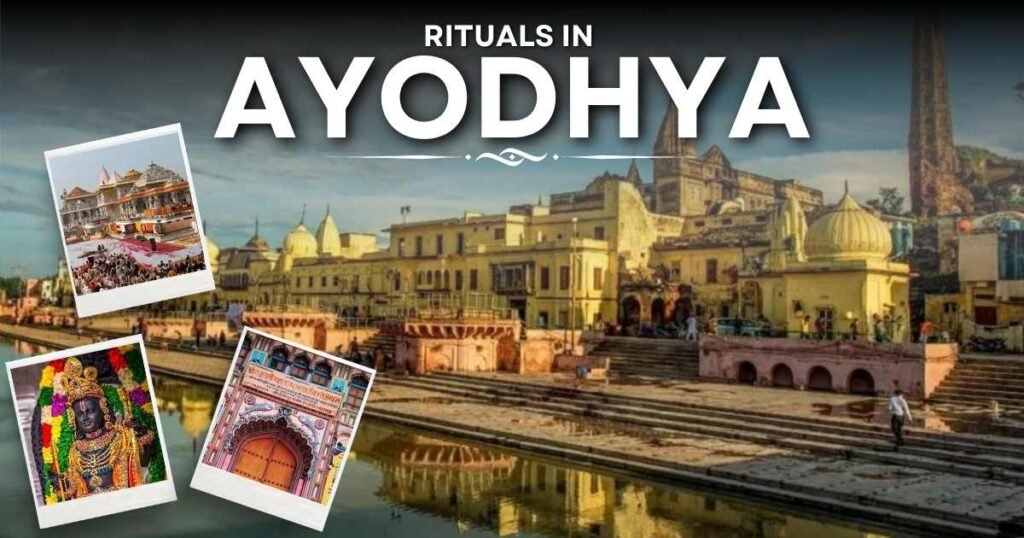
Ram Janmabhoomi Temple
This is often the emotional center of the trip.
Darshan Timings (indicative):
– Morning: around 6:00 AM onwards
– Evening: till 9:00 PM
Security is strict. The process is organized. Darshan takes time, especially during peak seasons, but the atmosphere remains calm.
For US visitors, this structured system helps. There’s clarity. There’s order. And there’s space to absorb the moment.
Hanuman Garhi
A short climb, a wide view, and a strong sense of protection.
– Best visited late afternoon or early evening
– Darshan usually smoother outside peak hours
Evening: Sarayu Aarti
If there’s one moment to remember from Ayodhya, this is it.
– Lamps floating on the river
– Soft chants
– Cool evening air
For many American visitors, this becomes their first deeply emotional connection to India.
Day 2: Ayodhya to Varanasi – The Journey Between
The drive from Ayodhya to Varanasi takes around 4–5 hours. It’s not just a transfer day. It’s a transition.
Morning: Final Ayodhya Visit
– Kanak Bhawan
– Quiet temple walks
– Breakfast
Ayodhya doesn’t demand long goodbyes. You leave when ready.
Road Journey
Winter and post-monsoon months make this drive comfortable. You see villages, fields, roadside temples. This journey helps American visitors understand India beyond cities.
Ayodhya Varanasi Tourism usually plans comfortable vehicles and mid-way breaks, especially important for international travelers.
Evening: Arrival in Varanasi
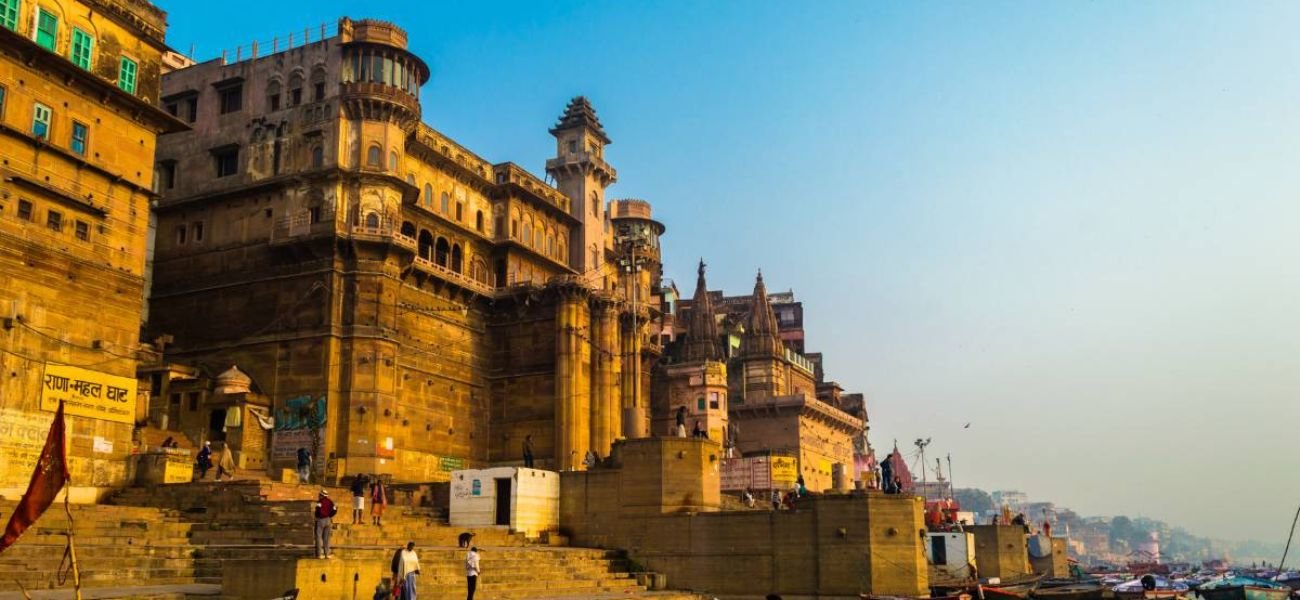
Varanasi greets you differently.
It’s louder. Warmer. More alive.
After check-in and rest, the evening is reserved for one experience only.
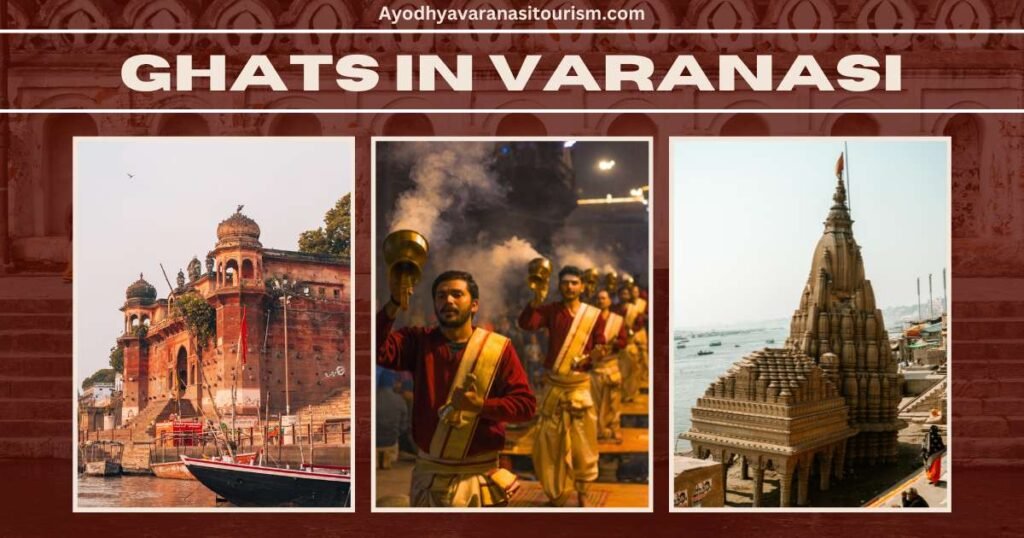
Ganga Aarti at Dashashwamedh Ghat
This is not a performance. It’s a ritual that happens whether you’re watching or not.
– Lamps
– Chants
– Smoke
– Bells
For US visitors, this can feel overwhelming at first. But if you stop trying to understand it and just watch, something settles.
This moment often defines the 3 Days Ayodhya Varanasi Trip for US Visitors.

Day 3: Varanasi – Where Life and Death Coexist
Varanasi doesn’t hide anything. That’s why it stays with people long after they leave.
Early Morning Boat Ride
This is essential.
– Calm river
– Ghats waking up
– Morning rituals
For many American visitors, this is the first time they see life, prayer, and death existing in the same frame — without conflict.
Kashi Vishwanath Temple
One of the most sacred Shiva temples in India.
Darshan Timings (indicative):
– Morning: early hours
– Evening: till night
The temple complex is now well-organized, which helps international visitors feel oriented.
Ayodhya Varanasi Tourism usually plans this visit during less crowded hours for smoother darshan.
Other Important Stops
– Annapurna Temple
– Kal Bhairav Temple
– Short walk through old lanes
These moments offer insight into daily spiritual life, not just grand rituals.
Festivals and Timing Considerations
US visitors often plan trips around vacation periods.
– October to March is the most comfortable season
– Major festivals increase crowds but deepen atmosphere
– Winter evenings are ideal for ghats and temple visits
Choosing the right season enhances the experience of a 3 Days Ayodhya Varanasi Trip for US Visitors.
Food and Cultural Comfort
Food is an important part of cultural comfort, especially for international travelers.
– Vegetarian options widely available
– Mild, sattvic meals recommended
– Bottled water only
Ayodhya Varanasi Tourism ensures food stops that balance hygiene with authenticity.
How to Reach Ayodhya and Varanasi (From the US)
International Arrival
– Delhi or Mumbai
– Domestic connection to Lucknow or Varanasi
Internal Travel
– Ayodhya to Varanasi by road or train
– Comfortable vehicles recommended
Planning logistics well reduces fatigue and allows focus on experience.
Nearby Places (If Time Allows)
With limited time, it’s better not to overload the itinerary. But if an extra half-day exists:
– Sarnath (near Varanasi)
– Local ghats exploration
A Personal Observation
I’ve seen American visitors stand quietly at Manikarnika Ghat, unsure of where to look. No photos. No questions. Just watching.
Later, they say things like, “I’ve never seen life and death treated this openly.”
That honesty is why this 3 Days Ayodhya Varanasi Trip for US Visitors leaves such a deep imprint.
Who This Trip Is Best For
– Spiritual seekers
– Cultural explorers
– Indian-origin families
– Thoughtful travelers
This trip isn’t fast. It’s not flashy. But it stays.
Ayodhya Varanasi Tourism often reminds visitors: you don’t come here to escape life. You come here to see it clearly.
FAQs – 3 Days Ayodhya Varanasi Trip for US Visitors
1. Is three days enough for Ayodhya and Varanasi?
Yes, if planned carefully.
2. Is this trip suitable for first-time India visitors?
Yes, with guided support.
3. What is the best season for US travelers?
October to March.
4. Are temples foreigner-friendly?
Yes, with proper guidance.
5. Is English widely understood?
Yes, especially in tourist areas.
6. Are darshan timings fixed?
Mostly, but waiting times vary.
7. Can older citizens manage this trip?
Yes, with comfortable transport.
8. Is photography allowed?
Allowed in most public areas, restricted inside temples.
9. Is this a religious-only trip?
It’s spiritual and cultural.
10. Does Ayodhya Varanasi Tourism handle international travelers?
Yes, including logistics and guided experiences.