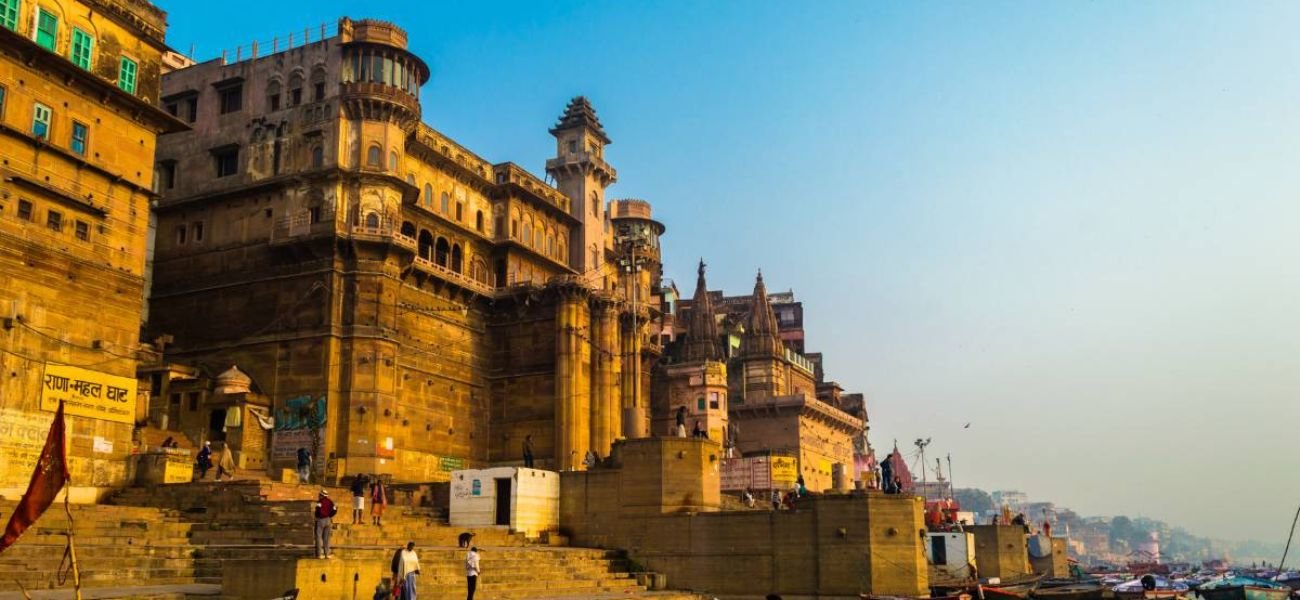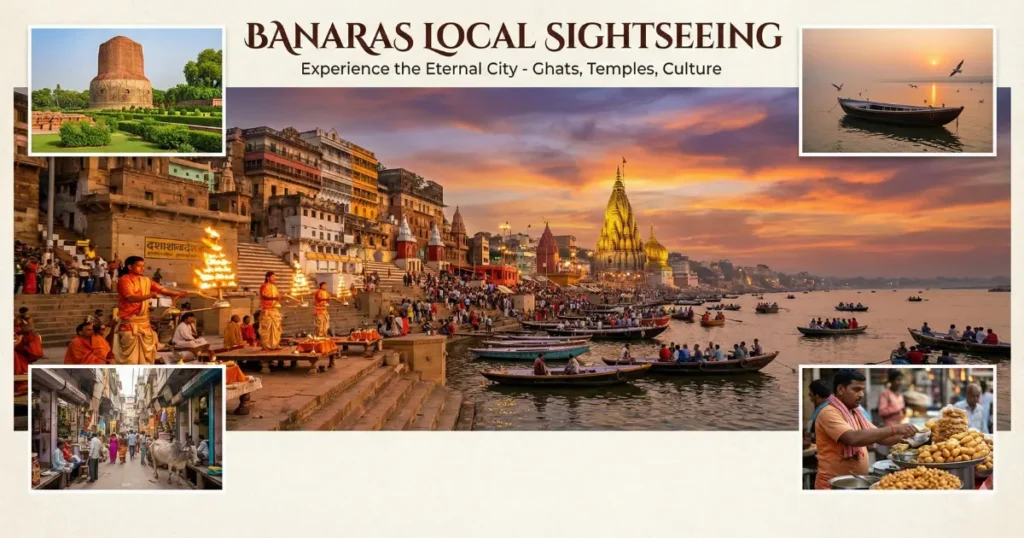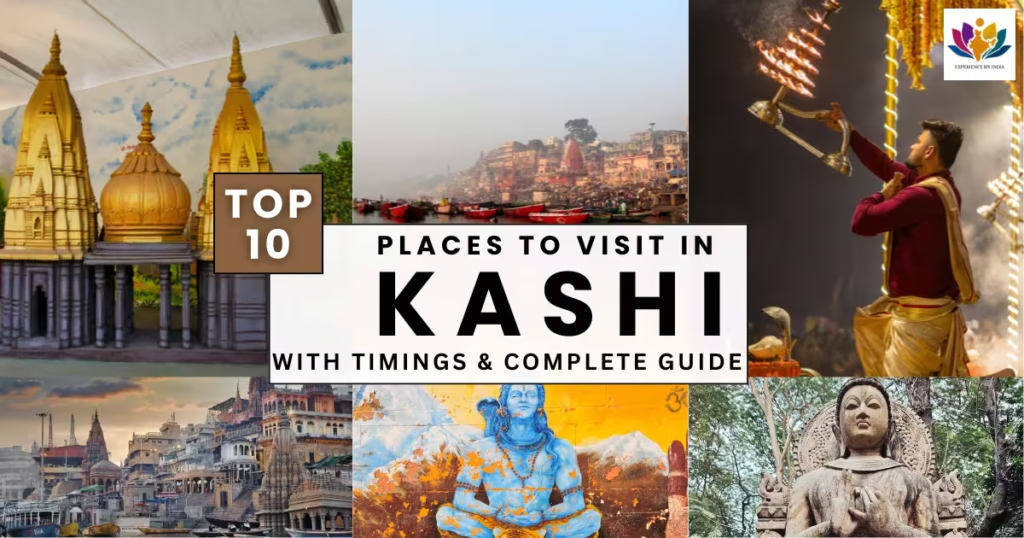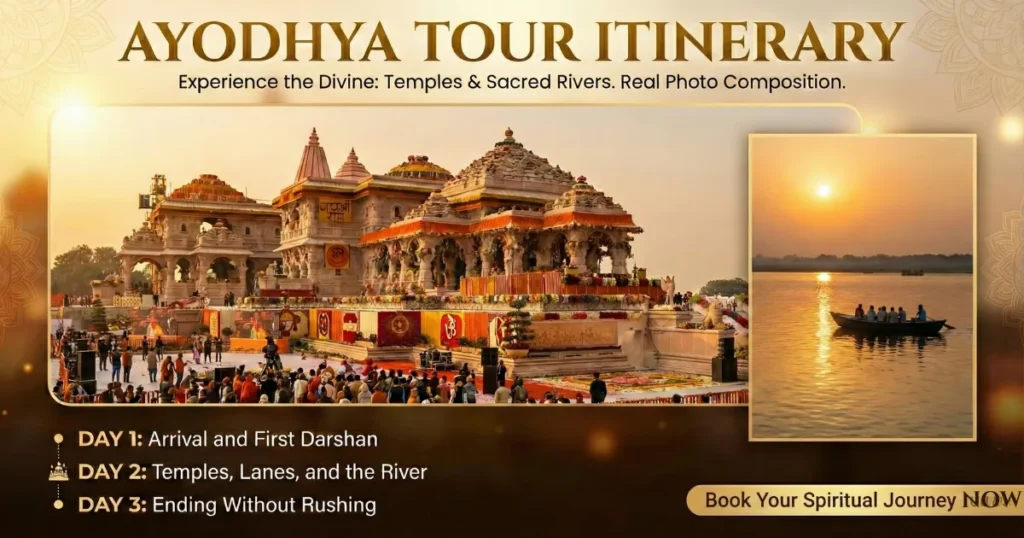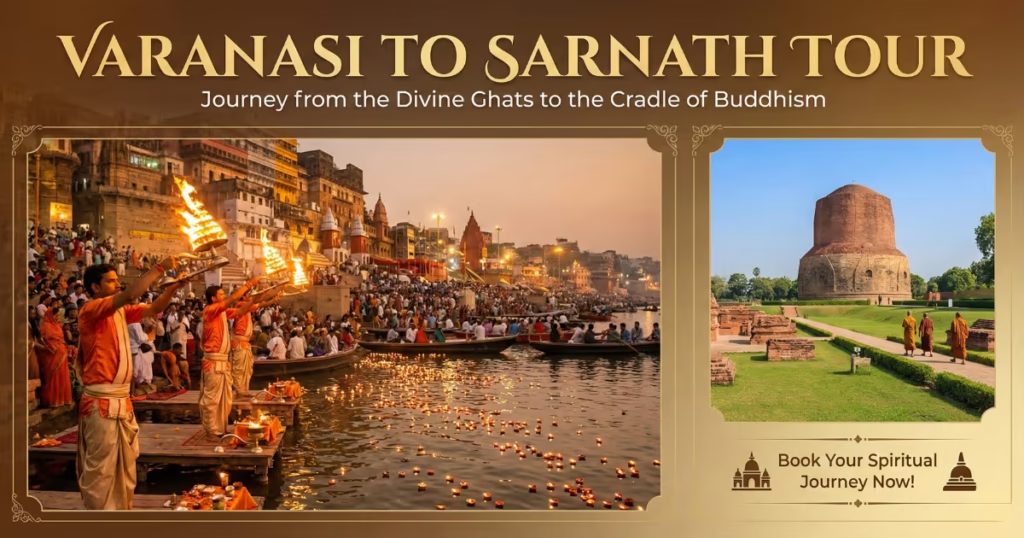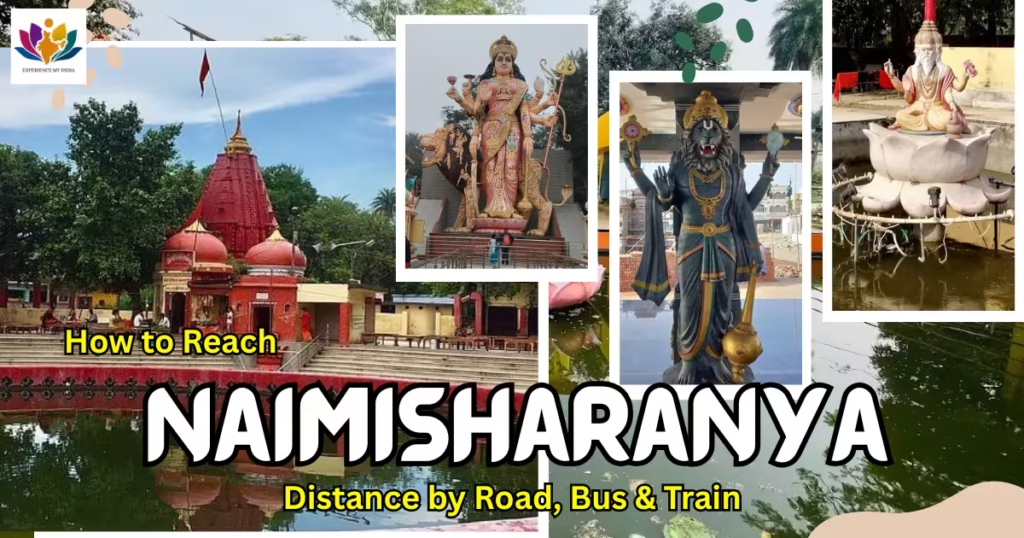

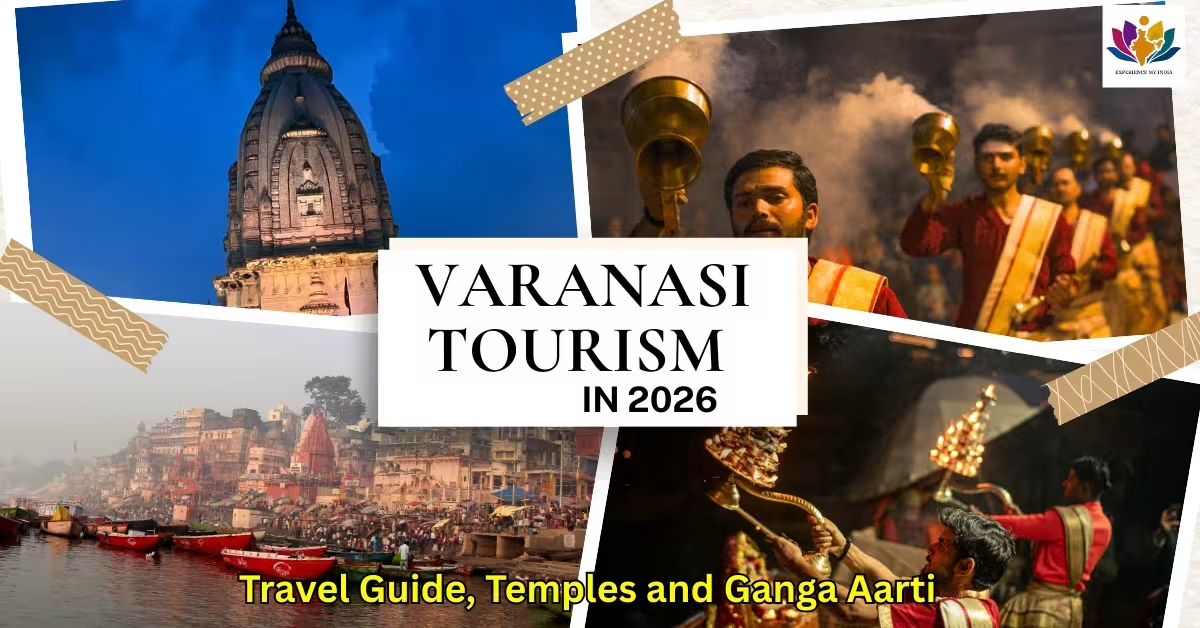
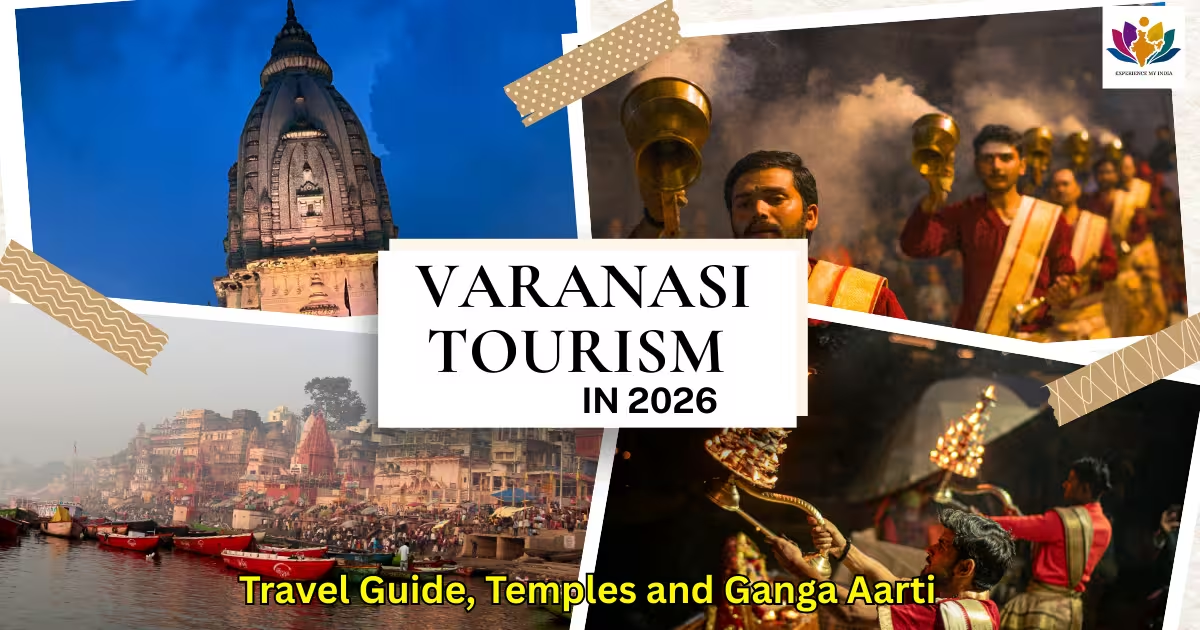
There are cities you visit once and tick off your list. And then there is Varanasi. It doesn’t feel like a destination. It feels like a conversation that never really ends. Every time you return, it shows you something new — a different ghat at sunrise, a quieter temple lane, a priest chanting with eyes closed as if the world doesn’t exist.
If you’re planning Varanasi Tourism in 2026, the experience will feel slightly more organised than before. Infrastructure has improved. Temple access systems are smoother. Crowd management, especially around Kashi Vishwanath, feels more structured. Yet the soul of the city remains untouched.
Let’s walk through what Varanasi travel will realistically look like in 2026 — not the postcard version, but the lived one.
What Has Changed in Varanasi Tourism in 2026
If you last visited five or ten years ago, you’ll notice the difference.
- The Kashi Vishwanath Corridor has opened up temple access.
- Ghats feel cleaner and better maintained.
- Crowd flow during peak festivals is better managed.
- Security checks are tighter but more organised.
Because of these updates, Varanasi Tourism in 2026 feels smoother, especially for first-time visitors. However, don’t expect silence or empty lanes. This is still a living spiritual city. It breathes loudly.
Kashi Vishwanath Temple – The Spiritual Core
No Varanasi temple and Ganga Aarti tour 2026 is complete without visiting Kashi Vishwanath.
Here’s what to keep in mind:
- Early morning darshan (5:30 AM – 8:00 AM) feels calmer.
- Midday sees heavier movement.
- Festival days like Mahashivratri multiply footfall.
- Mobile phones may not be allowed inside.
The corridor now allows a wider walking path, which reduces congestion. However, darshan timing still depends on the day and season.
If you want depth rather than speed, plan two visits. One early morning. One evening.
Local Guide Tip
Avoid scheduling Kashi Vishwanath darshan immediately after long travel. Reach the city one day before if possible. Fatigue and devotion do not mix well.
The Ganga Aarti Experience – More Than a Ritual
People often ask whether Ganga Aarti is “worth it.” That question feels odd once you attend.
Dashashwamedh Ghat remains the primary location. During Varanasi Tourism in 2026, seating arrangements are more regulated, but the crowd still gathers early.
To attend smoothly:
- Reach by 5:30 PM in winter
- Reach by 6:00 PM in summer
- Consider boat-view option if ground seating feels crowded
The synchronised lamps, chanting, and river breeze create a layered experience. It’s not quiet. It’s powerful.
Other Temples You Shouldn’t Ignore
While Kashi Vishwanath dominates attention, the city offers more.
- Sankat Mochan Hanuman Temple
- Durga Kund Temple
- Kal Bhairav Temple
- Annapurna Temple
A balanced Varanasi travel guide 2026 includes at least two of these beyond the main shrine.
Kal Bhairav, especially, carries a different kind of intensity. It feels older, less polished, more raw.
Local Guide Tip
Visit Sankat Mochan in the morning. The atmosphere feels lighter, and queues are manageable.
A Realistic 2–3 Day Structure for Varanasi Tourism in 2026
If you’re planning 2 days:
Day 1:
- Kashi Vishwanath darshan (morning)
- Corridor walk
- Lunch break
- Evening Ganga Aarti
Day 2:
- Assi Ghat sunrise boat ride
- Sankat Mochan Temple
- Sarnath excursion
- Evening market walk in Godowlia
If you have 3 days, add:
- Ramnagar Fort
- Bharat Mata Temple
- Extended ghat exploration
A well-paced Varanasi temple and Ganga Aarti tour 2026 feels immersive rather than hurried.
Best Time to Visit
Weather influences everything here.
- October to March: Ideal climate, comfortable walking
- April to June: Extremely hot afternoons
- Monsoon: Atmospheric but humid
Dev Deepawali (usually November) transforms the city into something unforgettable. However, hotel rates rise sharply.
For calmer Varanasi Tourism in 2026, choose mid-week winter visits.
Crowd Reality in 2026
Let’s be honest.
Even with improved management, Varanasi will always be crowded. The key difference now is structured movement.
Expect:
- Security screening at major temples
- Barricaded entry paths during festivals
- Timed aarti sequences
The Kashi tourism update 2026 focuses more on safety and accessibility rather than limiting visitors.
Small Mistakes to Avoid
- Overpacking one day with too many temples
- Ignoring afternoon rest in summer
- Booking hotel too far from ghat area
- Arriving late for Ganga Aarti
Balance matters more than ambition.
Planning Support Partner
Temple access timing, ghat proximity hotel selection, and realistic crowd-based scheduling shape your Varanasi experience. Ayodhya Varanasi Tourism assists travellers in aligning Kashi darshan slots, Ganga Aarti viewing, and local transport so that Varanasi Tourism in 2026 feels organised rather than overwhelming. When your route respects temple timing and seasonal crowd patterns, the visit becomes smoother and more meaningful.
Contact Ayodhya Varanasi Tourism Today:
Call Us: +91 7300620809
WhatsApp Us: +91 7300620809
Visit Our Website: Ayodhya Varanasi Tourism
Email: ayodhyavaranasitourism@ayodhyavaranasitourismgmail-com
Ayodhya Varanasi Tourism is a Unit of Experience My India
Experience My India Trip Advisor Review
How to Reach Varanasi
🚗 By Car
- Well connected via national highways
- Road travel works best from Prayagraj, Lucknow
- Expect city traffic near old lanes
Driving inside the old city is not recommended.
🚆 By Train
- Varanasi Junction and Banaras Station
- Strong connectivity from Delhi, Kolkata, Mumbai
- Convenient for budget travellers
Rail remains one of the easiest options for Varanasi Tourism in 2026.
✈️ By Air
- Lal Bahadur Shastri International Airport
- Direct flights from major metros
- 45–60 minutes drive to city centre
Air travel saves time, especially for short itineraries.
FAQs – Varanasi Tourism in 2026
Varanasi Tourism in 2026 reflects improved infrastructure around the Kashi Vishwanath Corridor, better crowd management at major temples, and cleaner, more accessible ghats. The spiritual atmosphere remains authentic, but movement feels more organised.
October to March is ideal due to pleasant weather. Winter mornings are especially comfortable for temple darshan and boat rides on the Ganga.
A 2–3 day plan works well. Two days cover Kashi Vishwanath and Ganga Aarti, while a third day allows time for Sarnath and extended ghat exploration.
Early morning between 5:30 AM and 8:00 AM is generally calmer. Afternoon hours see heavier crowd movement, especially during peak season.
For a comfortable experience, reach Dashashwamedh Ghat by 5:30–6:00 PM depending on the season. Early arrival helps secure better viewing space.
Yes, festivals like Mahashivratri and Dev Deepawali attract large numbers of devotees. However, crowd management has improved compared to previous years.
While not mandatory, a sunrise boat ride offers a unique perspective of the ghats and enhances the overall experience of Varanasi Tourism in 2026.
A balanced Varanasi travel guide 2026 typically includes Kashi Vishwanath Temple, Ganga Aarti, Sankat Mochan Temple, Kal Bhairav Temple, and optionally Sarnath.
Varanasi is accessible by air via Lal Bahadur Shastri International Airport, by train through Varanasi Junction, and by road from nearby cities like Prayagraj and Lucknow.
Yes, but planning matters. Choosing hotels near the ghat area and avoiding peak crowd hours makes the trip more comfortable for senior visitors.
Conclusion
Varanasi Tourism in 2026 feels more structured, yet the spirit of the city remains unchanged. The temples still echo with chants, the Ganga still reflects lamps at dusk, and the narrow lanes still surprise you with sudden moments of silence. If you plan realistically, respect temple timing, and allow space between experiences, Varanasi doesn’t overwhelm you. Instead, it unfolds gradually — like a story that reveals itself only when you slow down.