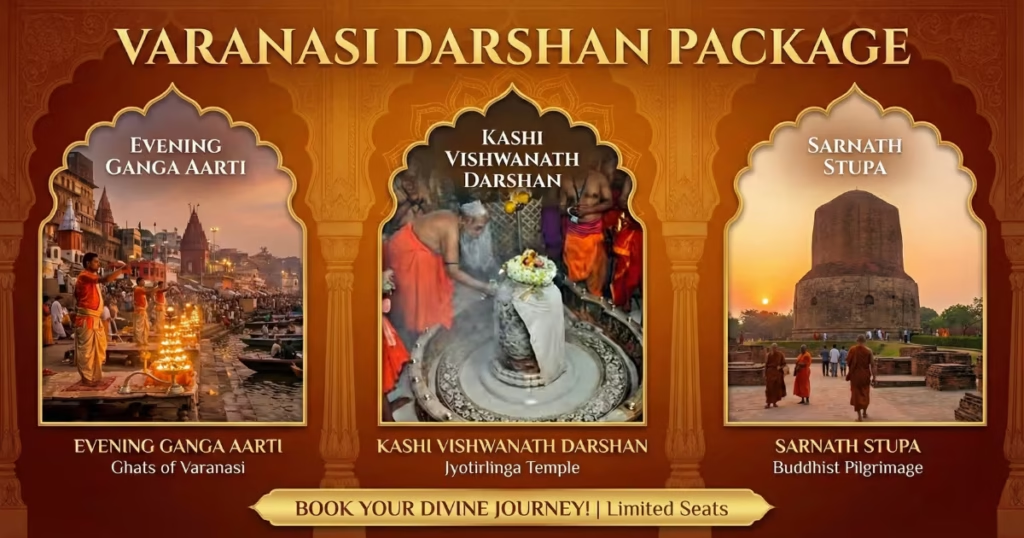

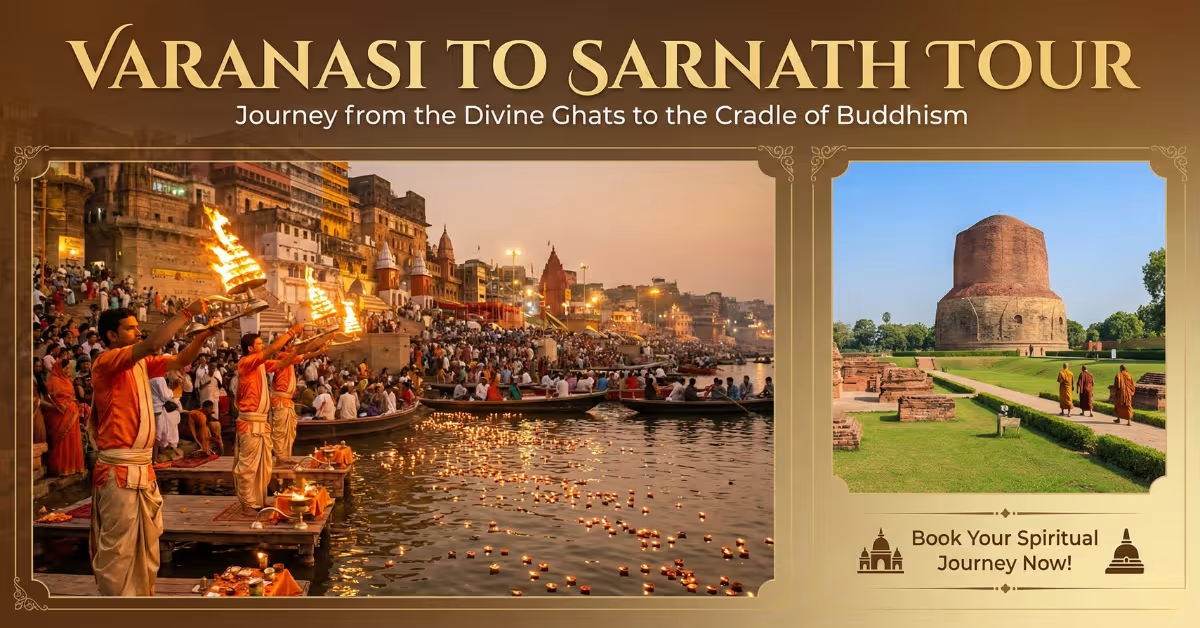
There’s a moment in Varanasi when the noise begins to feel heavy. Not unbearable, just dense. Bells overlap. Voices rise and fall. The ghats keep moving even when you want to pause. That’s usually when travellers start asking about Sarnath. Not as an attraction, but as a counterweight. Something quieter. Something that allows the mind to breathe again.
A Varanasi to Sarnath tour works best when it’s understood this way. Not as a half-day add-on or a sightseeing break, but as a deliberate shift in energy. The distance is short, but the contrast is deep. And when timed properly, Sarnath doesn’t interrupt the Varanasi experience. It completes it.
This guide explains what the Varanasi to Sarnath journey actually feels like on the ground, how to pace it without exhaustion, and why many pilgrims quietly say this is the calmest day of their Kashi trip.
Table of Contents
ToggleAbout the Varanasi to Sarnath Connection
Sarnath is only about 10 kilometres from the ghats of Varanasi, but the transition feels much larger than the map suggests.
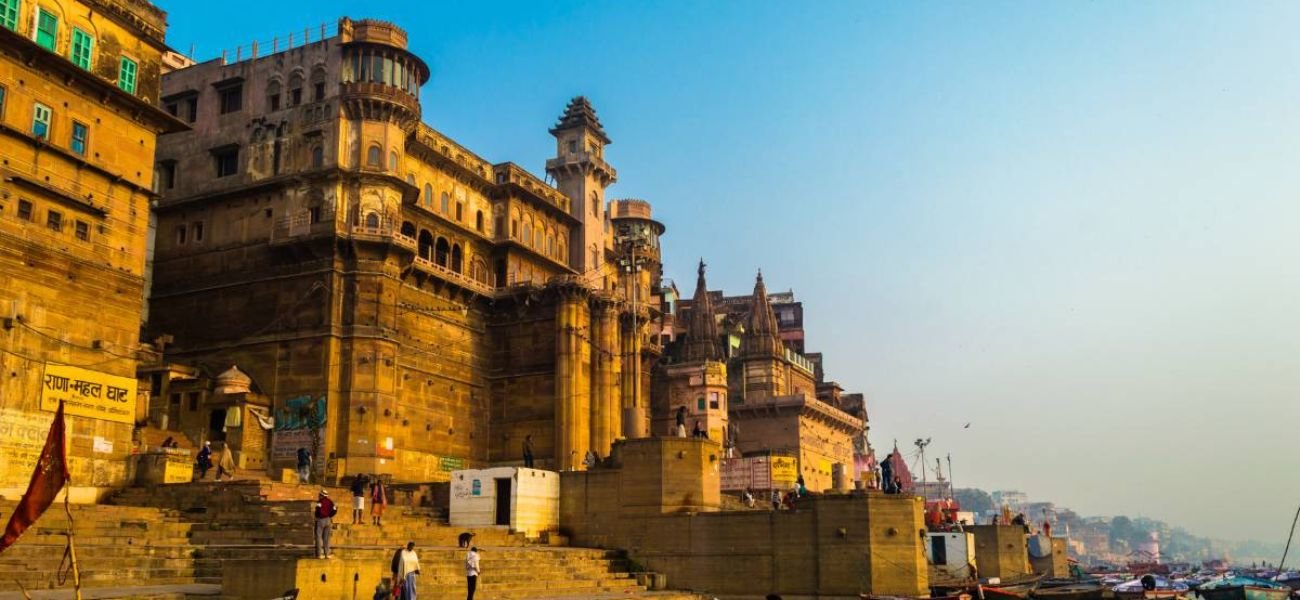
Varanasi is dense and layered. Life, death, prayer, commerce, and ritual all happen in the same narrow space. Sarnath opens outward. Roads widen. Sounds soften. Movement slows. The shift is almost physical.
For most travellers, especially first-time visitors, the Varanasi to Sarnath tour becomes a day of recovery. Not from physical tiredness alone, but from sensory overload. That’s why this route works best after at least one full day in Varanasi, once you’ve absorbed the intensity.
Why Sarnath Matters After Varanasi
Sarnath isn’t important because it’s peaceful. It’s important because of what that peace represents.
This is where the Buddha delivered his first sermon after attaining enlightenment. The setting is open, uncluttered, and grounded. There are no pressing queues. No shouting. No urgency. People walk slowly here, even without realising it.
After Varanasi, Sarnath doesn’t feel like a contrast. It feels like an answer.
Many travellers say their Varanasi memories stay loud, but their Sarnath memories stay clear.
Best Time to Plan a Varanasi to Sarnath Tour
Timing decides everything here.
Ideal day choice
- Plan Sarnath on your second or third day in Varanasi
- Avoid scheduling it on your arrival or departure day
Best time of day
- Morning departures between 7:30 AM and 9:00 AM work best
- Late afternoon visits are calm but can feel rushed if sunset timings slip
Seasonal reality
- October to March is most comfortable
- Summers are hot but manageable due to open spaces
- Monsoon adds greenery but slows walking paths
Local Guide Tip: Avoid Sarnath on days when you’ve already done early-morning temple darshan. Fatigue dulls the experience here.
Varanasi to Sarnath Tour – Practical Flow
This isn’t a long day, and that’s the point. The journey works when it stays light.
Morning Departure from Varanasi
Leave after breakfast. There’s no need for pre-dawn starts. The road out of Varanasi gradually sheds congestion, and within 30 to 40 minutes, the city’s edges soften.
Traffic is usually manageable in the morning. Afternoons can be unpredictable.
Local Guide Tip: Keep water and a light scarf handy. Sarnath feels cooler, but the sun is direct.
Sarnath – What to See and How It Feels
Dhamek Stupa
This is where most people begin, and it sets the tone immediately.
- Open circular space
- No forced movement
- Visitors naturally walk slowly
People often sit quietly here longer than planned. There’s no pressure to move on.
Mulagandha Kuti Vihar
The interior murals tell the Buddha’s story without noise. Chanting times vary, but even outside those hours, the space feels composed.
Shoes off. Phones away. The silence does most of the work.
Sarnath Archaeological Site
Scattered ruins, open lawns, and walking paths. Nothing overwhelming. This is observation, not interpretation.
Local Guide Tip: Don’t try to read every plaque. Walk first. Read later if you feel like it.
Sarnath Museum (Optional)
For travellers interested in history, the museum adds context. For others, it’s okay to skip. The outdoor experience is enough for many.
Lunch and Return to Varanasi
Sarnath has simple vegetarian restaurants. Food here is functional, not indulgent.
Eat lightly. Heavy meals make the return feel sluggish.
The drive back to Varanasi usually takes under an hour. You’ll notice the noise returning gradually. By the time ghats reappear, the contrast becomes clear.
Most travellers prefer resting after returning. Evenings are best kept quiet after a Sarnath visit.
How This Tour Fits Into a 2 or 3 Day Varanasi Plan
The Varanasi to Sarnath tour works best when placed deliberately.
In a 2-day plan
- Day 1: Temples and ghats
- Day 2: Sarnath morning, relaxed evening
In a 3-day plan
- Day 1: Core Kashi experience
- Day 2: Sunrise ghats + Sarnath
- Day 3: Lighter temples and reflection
This spacing prevents emotional overload and physical burnout.
Crowd Reality in Sarnath
Compared to Varanasi, crowds are minimal.
- Mostly international visitors, monks, and pilgrims
- No pushing, no shouting
- Even during peak season, movement remains organised
Festival days in Varanasi don’t affect Sarnath as heavily, which makes it a useful escape during busy periods.
Safety and Comfort Tips
- Carry minimal belongings
- Comfortable footwear is essential
- Avoid midday sun in summer months
- Photography is allowed in most outdoor areas but stay respectful
- Keep cash for small eateries
Local Guide Tip: Sit somewhere open for five minutes before leaving. Many travellers realised later that this was the most grounding part of the day.
Why Ayodhya Varanasi Tourism Fits This Journey
A Varanasi to Sarnath tour looks simple on paper. In reality, timing makes or breaks it. Leaving too early feels rushed. Leaving too late compresses the experience. Combining it with heavy temple schedules drains its calm.
Ayodhya Varanasi Tourism focuses on spacing rather than stacking. Knowing when to move, when to rest, and when to leave things out entirely is what keeps this tour meaningful. That planning support turns a short drive into a genuine pause within the journey.
Planning Support Partner
Many travellers underestimate how emotionally tiring this circuit can be. Managing temple timings, crowd surges, and intercity transfers on your own often distracts from the spiritual purpose.
As a planning support partner, Ayodhya Varanasi Tourism helps travellers move through this yatra calmly. Not by overloading schedules, but by understanding when to pause, when to move, and when to simply wait. That quiet planning makes the journey feel complete rather than exhausting.
Contact Ayodhya Varanasi Tourism Today:
Call Us: +91 7300620809
WhatsApp Us: +91 7300620809
Visit Our Website: Ayodhya Varanasi Tourism
Email: ayodhyavaranasitourism@gmail.com
FAQs – Varanasi to Sarnath Tour
Sarnath is about 10 kilometres from central Varanasi. Travel time usually ranges from 30 to 45 minutes depending on traffic.
Most travellers spend 3 to 4 hours comfortably. Rushing through in under two hours often feels incomplete.
Yes. The area is open, flat, and less crowded. Walking distances are manageable with short breaks.
Yes, but keep the evening light. Avoid stacking multiple temple visits after returning.
Not mandatory. The experience is intuitive. A guide helps with historical context but silence works equally well.
Some areas like the museum have a small entry fee. Open spaces and the stupa area are freely accessible.
No. Even during major festivals, Sarnath remains relatively calm compared to the city.
Modest, breathable clothing and comfortable footwear. Carry sun protection in warmer months.
Yes. Children often enjoy the open spaces. Keep expectations gentle and avoid forcing long explanations.
Treating it like a checklist stop. Sarnath works only when you slow down.
Conclusion
A Varanasi to Sarnath tour isn’t about covering distance. It’s about creating space. Space between rituals. Space between emotions. Space to process what Varanasi brings to the surface.
Sarnath doesn’t demand attention. It waits quietly.
And when you return to the ghats afterward, the city feels the same, yet you don’t. That difference stays with you longer than most memories.