

Varanasi rarely meets people the way they expect. Even those who arrive with deep faith often carry a quiet anxiety with them. Will the darshan feel rushed? Will the crowds overpower the moment? Will the journey turn into standing in lines instead of sitting in silence?
I’ve seen this question surface again and again. And over time, I’ve learned that a Varanasi darshan package only works when it respects how Kashi actually functions. This isn’t a city that responds well to tight schedules or ambitious checklists. It responds to timing, patience, and the willingness to slow down even when the surroundings feel intense.
This is not a guide meant to promise smoothness. Varanasi isn’t smooth. But with the right pacing, it can feel deeply steady. What follows is a grounded look at what darshan in Varanasi truly involves, how it unfolds on the ground, and how to plan it so the experience feels devotional rather than draining.
Table of Contents
ToggleBefore Planning Darshan, Understanding How Varanasi Moves
Darshan in Varanasi does not begin at the temple gate. It begins much earlier. At the hour you wake up. At the decision to eat lightly. When choosing whether to carry your phone or leave it behind.
Kashi lives on an internal rhythm that doesn’t adjust itself for visitors. Mornings are purposeful and fast-moving. Afternoons slow down sharply. Evenings gather intensity, especially near the ghats. Nights remain alert, quieter but never asleep.
A realistic Varanasi darshan package aligns itself with this rhythm instead of fighting it. When planning ignores this flow, exhaustion creeps in quietly. When planning respects it, even crowded moments feel manageable.
What a Balanced Varanasi Darshan Package Actually Includes
Many travellers assume a darshan package means visiting as many temples as possible. In reality, it works best when it limits movement rather than expanding it.
A balanced darshan plan usually includes:
- Early morning temple visits when the city is still settling
- One spiritually intense experience per day
- Unstructured ghat time without a fixed objective
- Afternoon rest to recover from walking and standing
This approach suits first-time pilgrims, families, and older travellers equally. It doesn’t try to impress. It tries to protect the experience.
Temples That Shape a Meaningful Darshan Journey
Kashi Vishwanath Temple
This is the heart of Varanasi. The darshan here is brief, controlled, and emotionally charged.
Crowd reality:
- Heavy crowds on most days
- The calmest window is between 4:30 AM and 7:00 AM
- After mid-morning, waiting becomes unpredictable
The moment inside the sanctum lasts seconds. The preparation and waiting take far longer. Yet for many, that brief glimpse carries weight well beyond its duration.
Local Guide Tip: Carry nothing unnecessary. Phones, wallets, and bags slow entry more than people realise.
Annapurna Devi Temple
Close to Kashi Vishwanath, this temple fits naturally into the darshan flow.
Crowd reality:
- Moderate crowds
- Shorter queues
- A noticeably calmer pace
For many pilgrims, this visit feels grounding after the intensity of Vishwanath darshan.
Sankat Mochan Hanuman Temple
This temple carries a quieter, more continuous devotion.
Crowd reality:
- Steady but manageable
- Mostly local devotees
- Best visited in the morning
People often describe this stop as emotionally stabilising, especially when visited later in the journey.
Kaal Bhairav Temple
Often included as a protective aspect of the darshan circuit, this temple requires careful timing.
Crowd reality:
- Comfortable early in the morning
- Rushed and congested later in the day
Local Guide Tip: Visit before 9:00 AM. After that, the experience becomes hurried rather than contemplative.
Ghat Darshan – Where Stillness Arrives Unexpectedly
Any Varanasi darshan package that focuses only on temples misses something essential. Darshan also happens along the river.
Morning on the Ghats
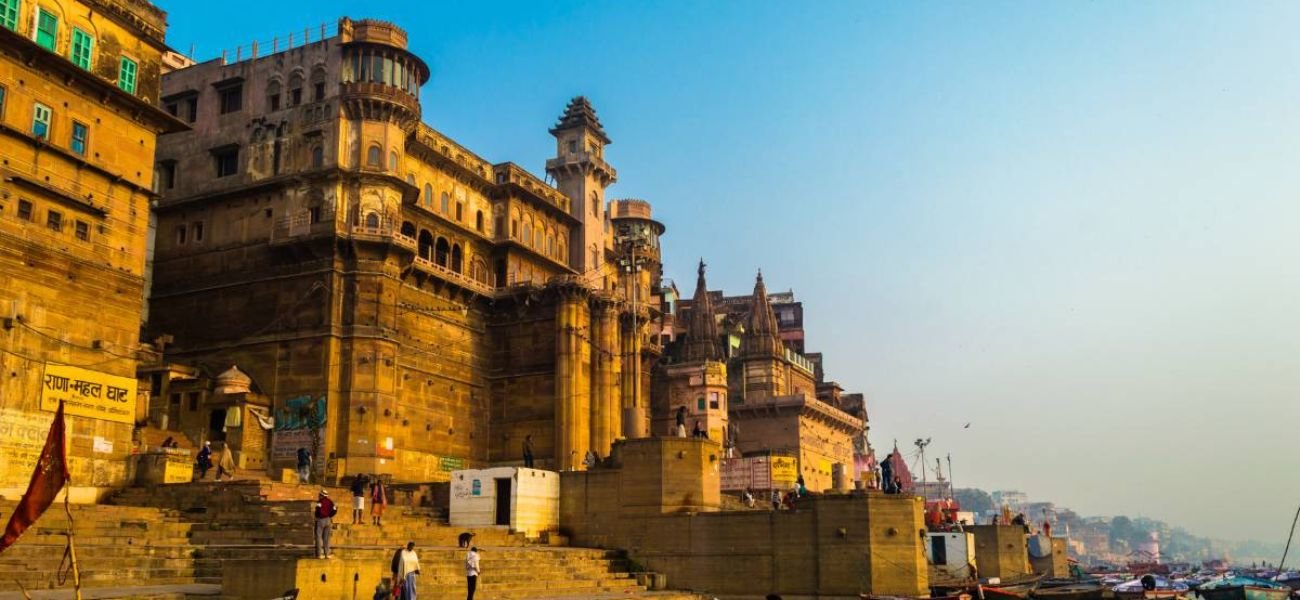
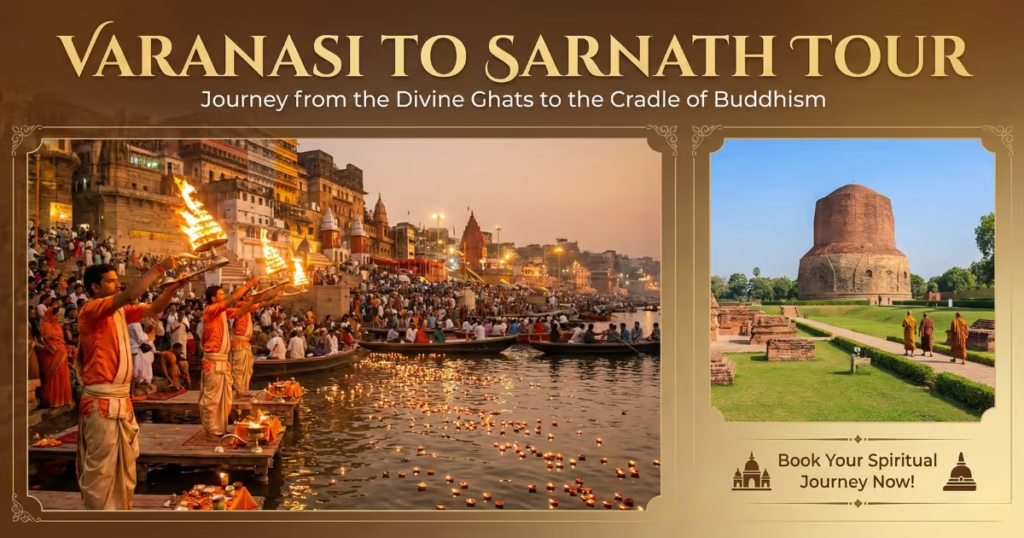
Sunrise on the Ganga feels inward and focused. Boat rides between Assi and Dashashwamedh allow observation without intrusion.
Crowd reality:
- Quiet before 7:00 AM
- Locals bathing, priests performing rituals
- Minimal tourist movement
Local Guide Tip: Rowboats preserve the silence. Motorboats break it.
Evening Ganga Aarti
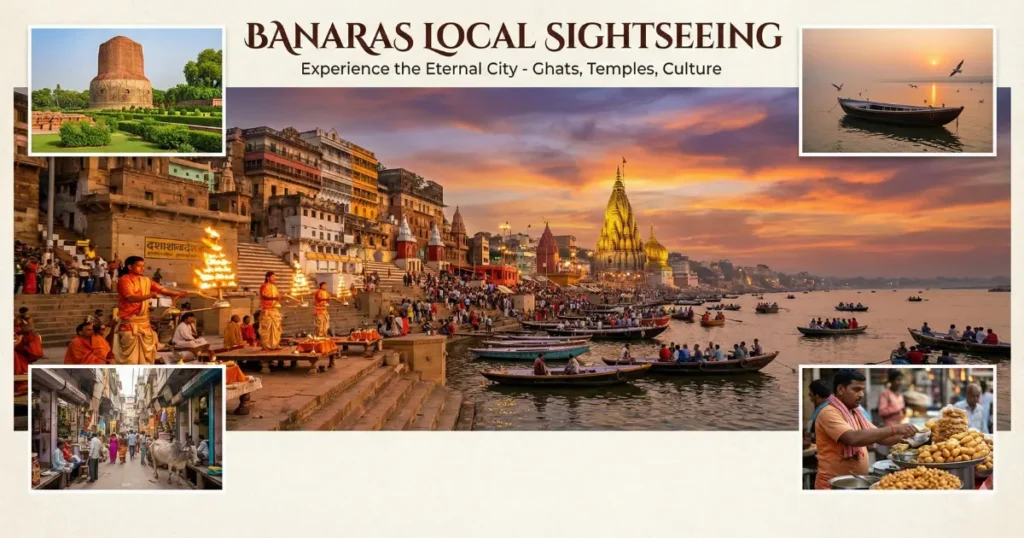
Dashashwamedh Ghat in the evening is intense. Emotionally dense. Loud and layered.
Crowd reality:
- Extremely crowded
- Movement becomes restricted
Standing slightly away from the centre often allows a deeper experience than trying to push forward.
When to Plan a Varanasi Darshan Package
October to March offers the most physical comfort. Mornings are cooler, evenings manageable, and fatigue builds slowly.
Summer months reduce crowds but increase physical strain. Monsoon months bring humidity and unpredictability but also atmosphere.
Festival periods heighten devotion while complicating logistics. Darshan remains possible, but patience becomes central to the experience.
Festivals That Affect Darshan Flow
Certain occasions change the city’s behaviour noticeably:
- Mahashivratri intensifies Kashi Vishwanath queues
- Dev Deepawali fills the ghats to capacity
- Shravan month brings daily crowd surges
Local Guide Tip: Festival darshan benefits greatly from on-ground coordination. Independent attempts often result in long waiting without clarity.
Safety and Awareness During Darshan
Varanasi is accustomed to pilgrims, but crowds demand attention.
Practical considerations:
- Keep identity proof accessible
- Wear simple, modest clothing
- Avoid valuables during temple visits
- Drink water regularly, even in cooler weather
Fatigue in Varanasi builds quietly. Rest is not wasted time here. It is part of the rhythm.
Reaching Varanasi for a Darshan Journey
Flights connect Varanasi to most major cities. Early morning arrivals align well with temple timings.
Trains remain popular among pilgrims. Night journeys help conserve daytime energy.
Road travel suits nearby regions but can feel draining over longer distances.
Planning Support Partner
Many pilgrims arrive in Varanasi with devotion intact and energy misjudged. Temple queues stretch longer than expected. Lanes are confusing. Darshan timings shift with crowd pressure.
As a planning support partner, Ayodhya Varanasi Tourism helps structure a Varanasi darshan package around realistic pacing rather than ideal schedules. The focus stays on when to pause, when to move, and when to wait. That quiet planning often determines whether the journey feels heavy or whole.
Planning Support Partner
Many travellers underestimate how emotionally tiring this circuit can be. Managing temple timings, crowd surges, and intercity transfers on your own often distracts from the spiritual purpose.
As a planning support partner, Ayodhya Varanasi Tourism helps travellers move through this yatra calmly. Not by overloading schedules, but by understanding when to pause, when to move, and when to simply wait. That quiet planning makes the journey feel complete rather than exhausting.
Contact Ayodhya Varanasi Tourism Today:
Call Us: +91 7300620809
WhatsApp Us: +91 7300620809
Visit Our Website: Ayodhya Varanasi Tourism
Email: ayodhyavaranasitourism@gmail.com
FAQs – Varanasi Darshan Package
Yes. With proper pacing, it helps first-time visitors avoid confusion and unnecessary physical strain.
Two to three days work well. This allows space for temples, ghats, and recovery time.
Yes, if darshan is planned early and walking is limited. Assistance during peak hours helps.
Crowds remain heavy year-round. Early mornings offer the calmest experience.
Mostly no. Carrying minimal items speeds entry significantly.
It should be. Sunrise and evening ghats shape the spiritual experience deeply.
They are powerful but demanding. Non-festival days feel more manageable.
Clean hotels near temple routes are more practical than luxury stays farther away.
No. When done correctly, it reduces decision fatigue and protects rest time.
Patience. Varanasi responds to those who stop trying to control it.
Conclusion
A Varanasi darshan package is not about efficiency or completion. It is about alignment. When darshan follows the city’s rhythm and rest is treated as devotion rather than delay, the experience settles into something quieter.
Kashi doesn’t ask you to arrive prepared.
It asks you to arrive willing.
And when you do, it gives back not answers, but something steadier than that.