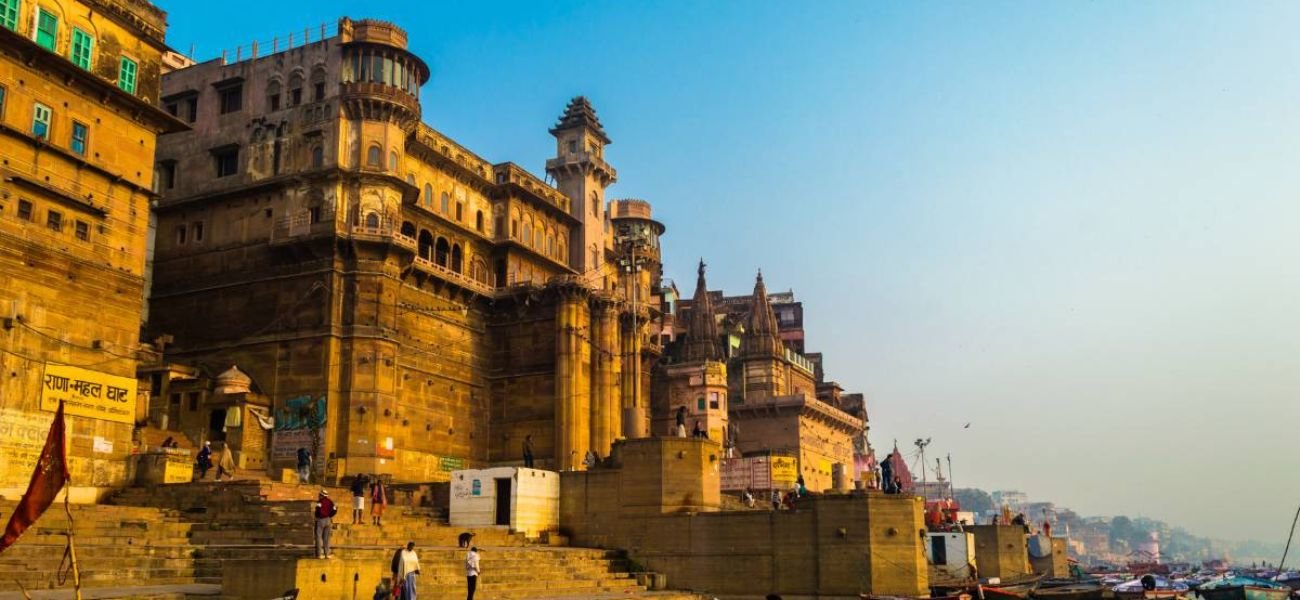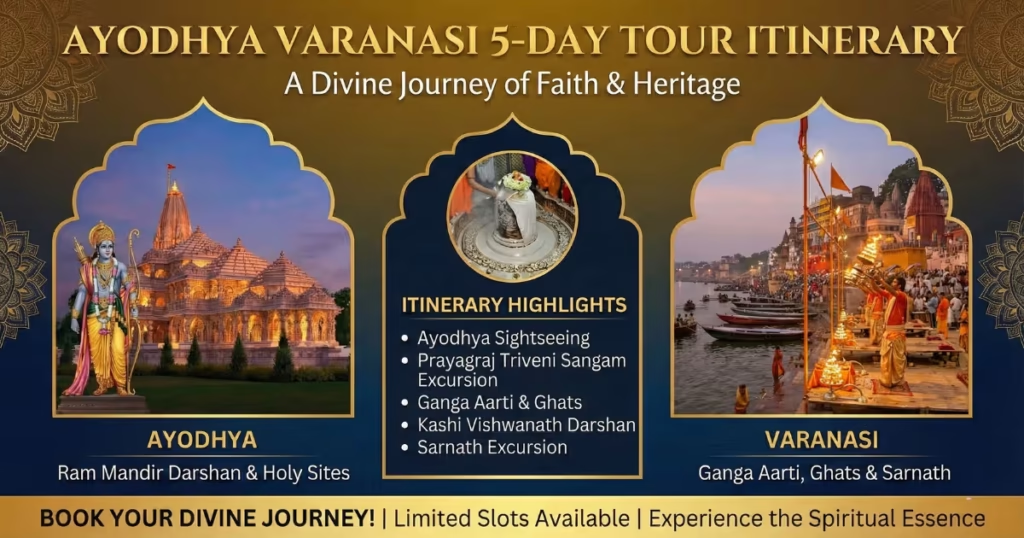


There’s something about combining Kashi and Ayodhya in one journey that feels complete. You don’t just visit temples; you move through two different spiritual moods of India. One city breathes along the Ganga. The other rests quietly in devotion to Shri Ram. A well-planned varanasi ayodhya tour itinerary gives you both experiences without rushing, without confusion, and without those small planning mistakes that quietly drain energy.
If done properly, this journey flows. If done casually, it becomes exhausting. So let’s walk through it in a grounded, practical way.
Why This Varanasi Ayodhya Tour Itinerary Works So Well
Many travelers underestimate distance, darshan timing, and crowd behavior. However, a structured varanasi ayodhya tour itinerary balances spiritual depth with physical comfort.
Varanasi demands early mornings and late evenings. Ayodhya, on the other hand, requires smart timing for Ram Mandir entry. When both cities are aligned thoughtfully, the journey feels purposeful rather than rushed.
This plan suits:
- Pilgrimage travelers seeking darshan clarity
- Families with elders
- First-time visitors who don’t want logistical stress
- Devotees attending Ganga Aarti and Ram Mandir darshan in one stretch
While some try to complete it in two days, realistically 3–4 days give breathing space.
Suggested 4-Day Varanasi Ayodhya Tour Itinerary
Day 1 – Arrival in Varanasi & Evening Ganga Aarti
Arrive by afternoon. Check into your hotel and rest briefly. Varanasi traffic, especially near ghats, can be slower than expected.
Evening is reserved for Dashashwamedh Ghat.
Ganga Aarti at Dashashwamedh Ghat
- Best arrival time: 5:30 PM (winter) / 6:00 PM (summer)
- Aarti begins around sunset
- Weekends: heavy crowd pressure
- Festival days: standing space fills early
- Boat viewing option available (book before 4 PM ideally)
- Waiting time during peak season: 45–90 minutes
Traveler suitability:
- Good for all age groups
- However, elders may prefer seated boat viewing
The first evening sets the tone of your varanasi ayodhya tour itinerary. Don’t rush back immediately. Sit quietly. Watch the lamps reflect on the river.

Day 2 – Temple Circuit & Kashi Vishwanath Darshan
Start early. Varanasi mornings are different. Quieter. More honest.
Kashi Vishwanath Temple
- Suggested entry: 4:00 AM–6:00 AM (less crowd)
- Weekend waiting: 1–2 hours
- Shravan month: significantly longer
- VIP darshan tickets available but limited
- Mobile phones not allowed inside
Weekday mornings are manageable. However, Mondays bring extra pressure.
Traveler suitability:
- Elders should avoid 10 AM–1 PM slot
- Families with children manage better early morning
Other Important Stops
- Annapurna Temple
- Kal Bhairav Temple
- Assi Ghat morning walk
While moving through this varanasi ayodhya tour itinerary, buffer at least 30–40 minutes between temples. Varanasi lanes are unpredictable.
Local Guide Tip
Always carry light footwear that’s easy to remove. Temple entry points are scattered, and you’ll remove shoes repeatedly. It sounds small, but by afternoon it matters.
Day 3 – Travel from Varanasi to Ayodhya
Distance: approx. 220–230 km
Time: 4.5–5.5 hours by road
Morning departure is better. Roads are smoother earlier in the day.
This transition defines the second half of your varanasi ayodhya tour itinerary. Avoid late evening travel because Ayodhya’s temple area parking closes early.
Ram Mandir Darshan
- Morning slot: 7:00 AM onward
- Afternoon break hours apply
- Peak season waiting: 2–3 hours
- Regular weekdays: 45–90 minutes
- Entry queue system well managed
Festival surge periods:
- Ram Navami
- Diwali
- Kartik month
During festival days, hotel prices rise sharply. Therefore, advance booking becomes necessary.
Traveler suitability:
- Older citizens can use assistance counters
- Families with children should carry water bottles
- Avoid afternoon heat in summer
Local Guide Tip
Plan darshan either before 9:30 AM or after 4:30 PM. Midday sun and queue density make the experience tiring, especially in peak months.
Day 4 – Ayodhya Temple Circuit & Departure
Ayodhya feels calmer compared to Varanasi. However, crowd spikes still happen.
Key Places in Ayodhya
- Hanuman Garhi
- Kanak Bhawan
- Saryu Aarti in evening
Waiting time is usually manageable except during major festivals.
This completes your varanasi ayodhya tour itinerary in a balanced way.
Crowd & Ground Reality You Should Know
Weekdays:
- Manageable darshan
- Less hotel surge
- Smoother transport
Weekends:
- Higher footfall
- Traffic congestion near ghats and temple roads
Festival Period:
- 3x crowd increase
- Room rates jump 20–40%
- Darshan waiting unpredictable
Many blogs skip these realities. However, understanding pressure points helps avoid unnecessary stress.
Local Guide Tip
In Varanasi, choose hotels near Godowlia only if you are comfortable walking. Cars rarely reach directly during peak hours.
Festival & Peak Season Reality
Major pressure periods in this varanasi ayodhya tour itinerary:
- Ram Navami
- Dev Deepawali
- Shravan month
- Diwali week
Booking window:
- 30–45 days prior minimum
- 60 days safer for festival travel
Who should avoid peak days:
- Older travelers
- Visitors expecting quiet darshan
- First-time pilgrims
Budget & Planning Overview
Budget Stay:
- ₹1500–2500 per night
- Basic comfort
- Slightly away from temple cores
Mid-Range:
- ₹3000–6000
- Better access
- Clean, reliable services
Premium:
- ₹7000+
- River view (Varanasi)
- Premium proximity (Ayodhya)
Transport cost varies by season. Road travel may increase 10–15% during peak pilgrimage months.
Hidden cost areas:
- Boat rides
- VIP darshan tickets
- Last-minute hotel upgrades
Planning ahead keeps the varanasi ayodhya tour itinerary smooth and financially predictable.
How to Reach (Car, Train, Air)
By Air
- Lal Bahadur Shastri Airport (Varanasi)
- Maharishi Valmiki International Airport (Ayodhya)
Flights connect major Indian cities. However, Ayodhya airport has limited daily frequency compared to Varanasi.
By Train
- Varanasi Junction
- Ayodhya Dham Railway Station
Trains are economical but require advance reservation, especially during pilgrimage seasons.
By Car
- Well-connected highways
- Road journey between cities comfortable
- Best for families and group travel
For a seamless varanasi ayodhya tour itinerary, road transfers between cities are often preferred.
Local Guide Tip
If landing in Varanasi, begin there first. The spiritual intensity gradually softens as you move toward Ayodhya. The emotional pacing feels right that way.
Common Planning Mistakes
- Underestimating temple waiting time
- Ignoring seasonal heat
- Booking hotels too far from temple access
- Trying to finish both cities in 2 days
This journey isn’t a checklist. It needs breathing space.
Why Ayodhya Varanasi Tourism Fits This Journey Well
When coordinating a varanasi ayodhya tour itinerary, small timing gaps can cause major inconvenience. Temple queues, darshan windows, and intercity travel require local understanding.
Ayodhya Varanasi Tourism helps structure the sequence logically, align darshan timing properly, and reduce waiting pressure. The support feels more like coordination than selling, which matters during pilgrimage travel.
Contact Ayodhya Varanasi Tourism Today:
Call Us: +91 7300620809
WhatsApp Us: +91 7300620809
Visit Our Website: Ayodhya Varanasi Tourism
Email: ayodhyavaranasitourism@ayodhyavaranasitourismgmail-com
Ayodhya Varanasi Tourism is a Unit of Experience My India
Experience My India Trip Advisor Review
FAQs-Varanasi Ayodhya Tour Itinerary with Ganga Aarti and Ram Mandir
Ideally, 3 to 4 days are comfortable. While some travelers try finishing both cities in 2 days, it usually feels rushed. A 4-day Varanasi Ayodhya tour itinerary allows proper temple darshan, Ganga Aarti experience, and relaxed travel between cities without physical exhaustion.
You should reach Dashashwamedh Ghat at least 60–90 minutes before sunset. In winter, arriving by 5:30 PM is safer, and in summer, 6:00 PM works well. Festival days require even earlier arrival due to heavy crowd buildup.
On regular weekdays, waiting time ranges from 45–90 minutes. However, during weekends or festivals like Ram Navami, it may extend to 2–3 hours. Early morning slots are usually smoother.
Most travelers begin in Varanasi and then move to Ayodhya. This order feels balanced, as Varanasi has a more intense schedule, whereas Ayodhya offers a comparatively calm spiritual pace.
Yes, but timing matters. Early morning darshan slots are more comfortable. Avoid peak festival days if traveling with older family members, and keep buffer time between visits.
The distance is around 220–230 km. Road travel by private car usually takes 4.5–5.5 hours and is the most convenient option. Trains are available but require advance booking during peak seasons.
October to March is ideal due to pleasant weather. Summers can be very hot, especially during afternoon darshan hours. Festival months bring a powerful atmosphere but also intense crowd pressure.
Yes, but availability tightens during peak pilgrimage periods. Booking at least 30–45 days in advance is recommended, especially if your Varanasi Ayodhya temple tour plan includes major festival dates.
Technically possible, but not advisable. A rushed Varanasi Ayodhya tour itinerary often leads to fatigue and long waiting times without meaningful experience. Extending by one extra day improves the journey significantly.
Avoid underestimating crowd timing, traveling during afternoon peak heat, and booking hotels too far from temple access points. Also, do not ignore buffer time between darshan slots, especially during festivals.
Conclusion
A thoughtfully designed varanasi ayodhya tour itinerary doesn’t just connect two cities. It connects two spiritual atmospheres. Varanasi energizes you. Ayodhya steadies you. When timed well, the journey feels balanced rather than rushed.
Plan with awareness of crowd behavior, seasonal pressure, and realistic travel time. Do that, and this pilgrimage becomes peaceful instead of tiring.
Sometimes it’s not about how many temples you visit. It’s about how calmly you experience them.