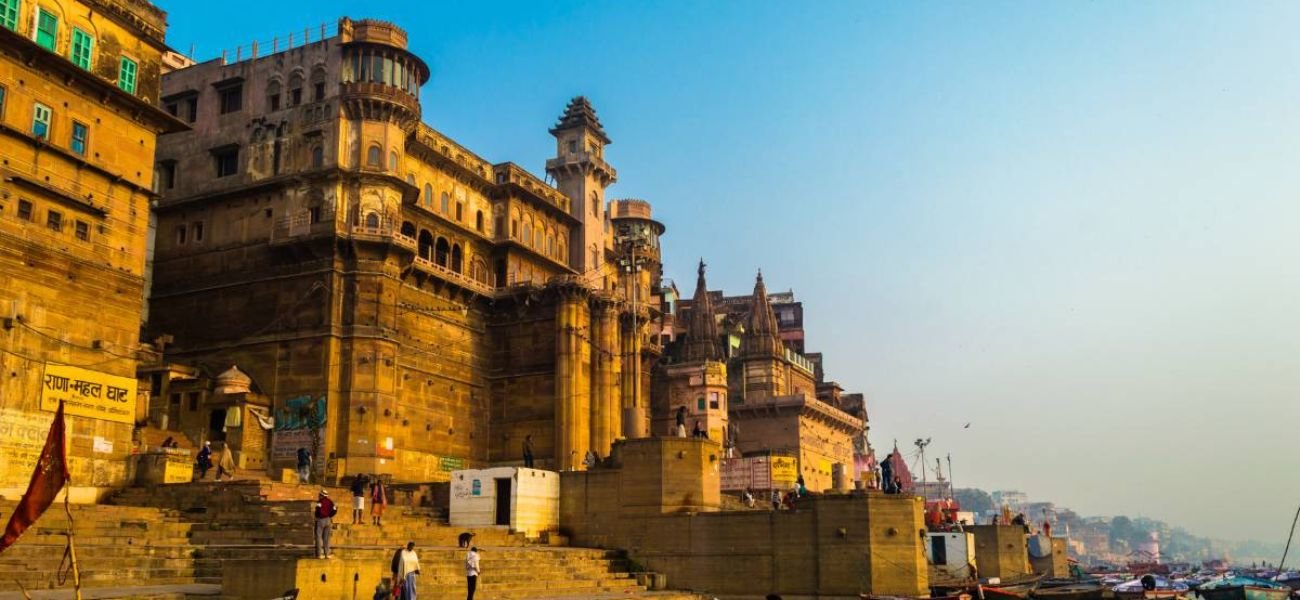


There’s something different about Ayodhya. You notice it almost immediately, sometimes even before you reach the main temples. It’s in the slow rhythm of the streets, the temple bells that don’t really stop, and the way people walk with purpose but without hurry.
If you’re planning your visit, you’re probably searching for a clear Ayodhya Tourist Places List that actually helps, not just a random list of names. Because honestly, this city isn’t about ticking spots off a checklist. It’s about understanding where to go, when to go and what to feel when you’re there.
So let’s walk through it like someone who has spent time figuring it out.
Table of Contents
ToggleWhy Ayodhya Feels Different from Other Pilgrimage Cities
Most spiritual cities feel crowded. Ayodhya, on the other hand, feels layered.
One moment you’re standing in front of the grand Ram Janmabhoomi Temple, and the next moment, you’re quietly sitting near the river watching diyas float away.
And that contrast is exactly why your Ayodhya Tourist Places List shouldn’t just focus on temples. It should balance temples, ghats, and those quiet corners people often miss.
Top Temples You Should Not Miss in Ayodhya
Let’s start with what most people come for-darshan. But even here, timing and order matter more than you think.
1. Shri Ram Janmabhoomi Temple
The heart of Ayodhya, no doubt.
- Believed to be the birthplace of Lord Ram
- Early morning darshan is less crowded (before 9 AM works best)
- Security checks take time, so keep buffer
You’ll notice something interesting here. Even in peak hours, people don’t rush as aggressively as in other temples. It feels more… grounded.
2. Hanuman Garhi
Hanuman Garhi is not just another temple-it’s almost like the guardian of the city.
- Around 70–80 steps to climb
- Dedicated to Lord Hanuman
- Locals believe visiting here first brings a complete Ayodhya darshan
And honestly, once you reach the top, the view itself feels like a reward.
3. Kanak Bhawan
Kanak Bhawan feels very different compared to other temples.
- Known as “Sone-ka-Ghar”
- Idols of Ram and Sita decorated beautifully
- Much calmer environment compared to main temples
If you’re someone who prefers peaceful darshan over crowd-heavy temples, this place will stay with you.
4. Nageshwarnath Temple
Nageshwarnath Temple adds a different spiritual layer.
- Dedicated to Lord Shiva
- Believed to be built by Kush (son of Lord Ram)
- Important during Mahashivratri
Interestingly, fewer tourists visit here, which makes the experience more personal.
5. Treta Ke Thakur
Located near Naya Ghat, this temple holds historical significance.
- Associated with Ashwamedha Yagna of Lord Ram
- Opens only on specific days
- Quiet and less commercialized
You won’t find large crowds here, but you’ll feel a deeper stillness.
6. Dashrath Mahal
Dashrath Mahal is often overlooked.
- Believed to be the palace of King Dashrath
- Colorful interiors and traditional architecture
- Feels more like a lived space than a tourist spot
Most people rush through it. But if you pause, it tells a story.
Beyond Temples – The Side of Ayodhya Most People Miss
Now this is where your Ayodhya Tourist Places List becomes complete.
Sarayu River Ghats
The Sarayu River is not just a river-it’s where the city breathes.
- Best visited early morning or sunset
- Guptar Ghat is quieter compared to others
- Ideal for a slow walk or silent sitting
You’ll see locals sitting without phones, just watching the water. That says a lot.
Ram Ki Paidi
Ram Ki Paidi becomes magical in the evening.
- Series of ghats along the river
- Evening aarti is the highlight
- Diyas lighting up the steps create a surreal view
If your trip misses this, it will feel incomplete.
Tulsi Smarak Bhawan
Tulsi Smarak Bhawan is where literature meets devotion.
- Dedicated to Goswami Tulsidas
- Cultural programs and Ramayana recitals
- Peaceful, less crowded
It’s not flashy, but it stays with you.
Ram Katha Museum
Ram Katha Museum adds context to everything you see.
- Displays from the Ramayana era
- Artifacts, models and storytelling exhibits
- Great for families and first-time visitors
Sometimes understanding the story makes the experience deeper.
Bahu Begum ka Maqbara
Bahu Begum ka Maqbara feels completely different from the rest of Ayodhya.
- Mughal-era architecture
- Less crowded
- Good for photography and quiet exploration
And yes, it reminds you that Ayodhya isn’t just one story.
Quick Travel Snapshot (Helpful Table)
| Aspect | Details |
| Best Time to Visit | October to March |
| Peak Festival | Diwali (Deepotsav) |
| Ideal Duration | 2–3 Days |
| Nearest Airport | Ayodhya Airport (AYJ) |
| Railway Station | Ayodhya Dham Junction |
| Dress Code | Simple & respectful clothing |
Travel Tips That Actually Make a Difference
Most blogs skip this part or keep it too generic. But these small things change your experience completely.
- Visit major temples early morning (6–9 AM)
- Keep at least 1 full evening free for aarti at Ram Ki Paidi
- Avoid weekends if you want a calmer experience
- Wear comfortable footwear-there’s more walking than you expect
- Carry light bags, especially near Ram Janmabhoomi Temple (security checks are strict)
And one small thing people realize later-don’t rush. Ayodhya is not built for rushing.
Planning Support Partner
If you’re trying to figure out how to cover all these places smoothly without wasting time in queues or confusion, having someone who understands the city helps. Ayodhya Varanasi Tourism works more like a local guide than a tour provider. They help you plan temple visits, aarti timing, and nearby stays in a way that actually makes sense. Especially for first-time visitors, this kind of support quietly removes a lot of stress.
Contact Ayodhya Varanasi Tourism Today:
Call Us: +91 7300620809
WhatsApp Us: +91 7300620809
Visit Our Website: Ayodhya Varanasi Tourism
Email: ayodhyavaranasitourism@gmail.com
How to Reach Ayodhya (Simple & Clear)
By Air
- Nearest airport: Ayodhya Airport (AYJ)
- Direct flights available from major cities
- Airport is around 8-10 km from main temple area
By Train
- Main station: Ayodhya Dham Junction
- Well connected to Delhi, Lucknow, Varanasi
- From station to temple: 15-20 minutes drive
By Car
- From Lucknow: approx. 135 km (3-4 hours)
- From Varanasi: approx. 220 km (5-6 hours)
- Roads are smooth, but traffic increases near temple areas
Final Thought
You might come here thinking it’s just another spiritual destination. A few temples, a few rituals, and that’s it.
But somewhere between the quiet of the ghats and the sound of evening aarti, something shifts. Not dramatically. Not in a way you can easily explain.
And maybe that’s the thing about Ayodhya-It doesn’t try too hard to impress you. It just waits.
Faqs for Top Ayodhya Tourist Places List
The Ayodhya Tourist Places List mainly includes Ram Janmabhoomi Temple, Hanuman Garhi, Kanak Bhawan, Nageshwarnath Temple, Dashrath Mahal along with cultural spots like Ram Ki Paidi, Sarayu River Ghats and Ram Katha Museum. These places together give a complete spiritual and historical experience of Ayodhya.
Ideally, 2 to 3 days are enough to cover the major temples and important attractions in Ayodhya without rushing. This also allows you to attend the evening aarti at Ram Ki Paidi which many visitors consider the highlight of their trip.
The best time to visit Ayodhya is between October and March, when the weather is comfortable. If you want a special experience, visiting during Diwali (Deepotsav) offers a unique and vibrant atmosphere across the city.
Ayodhya is relatively calm on weekdays, but it gets crowded during weekends, festivals and especially during Ram Navami and Diwali. Early mornings are usually the best time for peaceful temple visits.
Traditionally, many devotees start their journey with Hanuman Garhi as it is believed that taking Lord Hanuman’s blessings first completes the Ayodhya darshan properly.
Yes, visitors are advised to wear modest and respectful clothing while visiting temples. Avoid shorts, sleeveless outfits or anything too casual, especially in major religious places like Ram Janmabhoomi Temple.
Yes, the evening aarti at Ram Ki Paidi on the Sarayu River is open to visitors and is one of the most peaceful and visually beautiful experiences in Ayodhya. It usually takes place around sunset.
Ayodhya is approximately 135 km from Lucknow (3-4 hours by road) and about 220 km from Varanasi (5-6 hours), making it easily accessible from both cities.
Yes, local transport like auto-rickshaws, e-rickshaws and taxis are easily available. However, during peak hours near temple areas, walking is often faster and more convenient.
It’s not mandatory, but having a guide or planned support can make your trip smoother, especially for managing temple timings, darshan queues and covering all major spots efficiently without confusion.