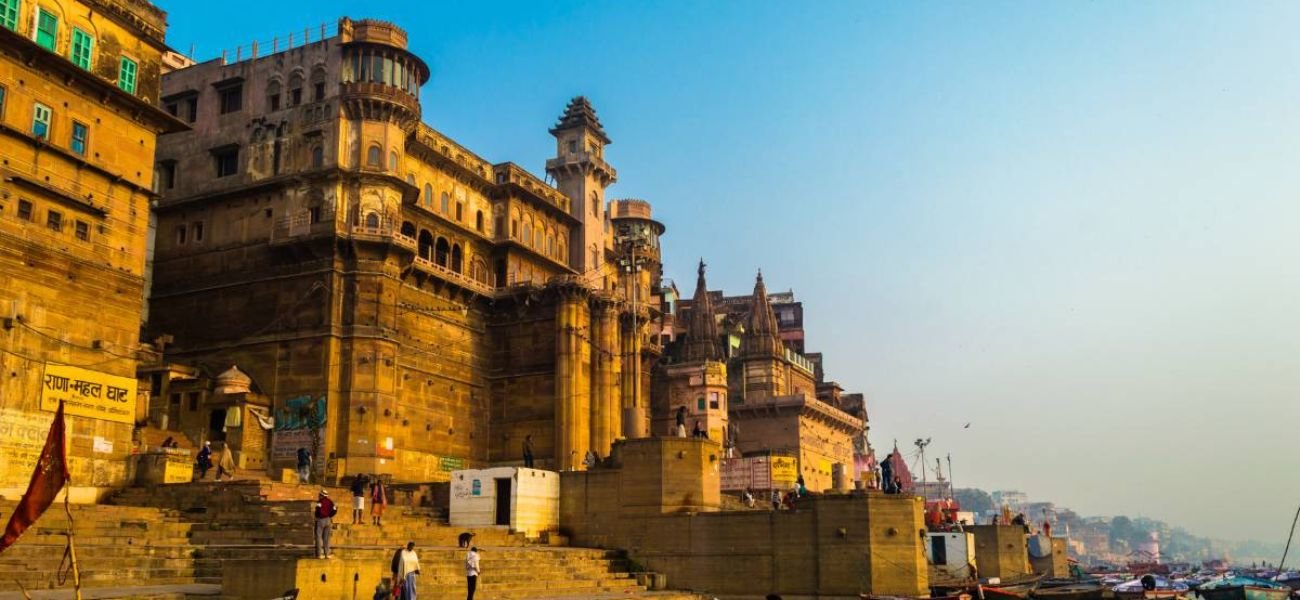


You know that feeling when you finally reach Kashi and suddenly everything feels… heavier? Not in a bad way. Just layered. Time slows down. Sounds feel closer. And you quickly realise one thing.
Seeing Kashi properly in a short visit is harder than it looks.
People often arrive with big lists and tight schedules. By noon, they’re tired, confused, and wondering why nothing is lining up the way they planned. Temples close unexpectedly. Ghats feel overwhelming at peak hours. And the city doesn’t rush just because you’re short on time.
So instead of trying to “cover” Kashi, this guide walks you through the places to visit in Kashi in a realistic, lived-in way. What to see. When to go. And how to move through the city without fighting it.
Understanding Kashi Before You Start
Kashi doesn’t work on neat timelines. It follows rituals, river rhythms, and human flow. Morning belongs to temples. Afternoons soften. Evenings belong to the ghats. Nights… well, nights belong to Kashi itself.
In my experience, travellers who enjoy Kashi most are the ones who stop trying to control it. You plan lightly, move patiently, and let moments happen. That’s how the city opens up.
1. Kashi Vishwanath Temple
If there’s one place that anchors Kashi, it’s here. Early morning is everything.
Suggested timing:
- Mangala Aarti: around 3:00–4:00 AM
- General darshan: 5:00 AM onwards
By the way, arriving after 9:00 AM means queues stretch and patience gets tested. Early hours feel calmer, more focused. The temple lanes are quieter, chants echo instead of collide.
Pro tip: Visit before sunrise, then step outside and walk towards the ghats. The transition feels natural.
2. Dashashwamedh Ghat
This ghat doesn’t whisper. It announces itself.
Best time:
- Morning: 5:30–7:00 AM
- Evening Ganga Aarti: around 6:30–7:00 PM (seasonal)
Surprisingly, mornings here feel more intimate than evenings. The river breathes slowly. Priests prepare quietly. Evening aarti is powerful, yes, but crowded. Worth seeing once. Morning, though, stays with you longer.
3. Manikarnika Ghat
This isn’t a sightseeing stop in the usual sense. And it shouldn’t be rushed.
There’s no “best” time here. Rituals continue day and night. Stand at a respectful distance. Observe quietly. It might unsettle you. It might ground you. Often, it does both.
Honestly, this ghat explains Kashi better than any guidebook ever could.

4. Assi Ghat
Assi feels different. Younger. Softer.
Ideal timing:
- Morning aarti: around 5:00 AM
- Evening walks: after 5:30 PM
Yoga sessions, music, quiet tea stalls. If Kashi ever takes a breath, it’s here. I’ve found Assi Ghat works well on your first or last day, when you’re easing in or winding down.
5. Sarnath
About 10 km from the city chaos, Sarnath feels like a pause button.
Best time:
- 8:00 AM to 12:00 PM
Deer Park, stupas, and quiet pathways. You don’t rush Sarnath. You stroll. It balances the intensity of Kashi surprisingly well.
6. Tulsi Manas Temple
This temple is more reflective than dramatic.
Timings:
- 5:30 AM to 12:00 PM
- 3:00 PM to 9:00 PM
Walls inscribed with verses from Ramcharitmanas slow you down naturally. It’s a good afternoon stop when temple crowds elsewhere peak.
7. Bharat Mata Temple
No idols. Just a marble map of India.
Best time:
- Late morning to early afternoon
It feels symbolic rather than ritualistic. Different. And honestly, refreshing after multiple temple visits.
8. Banaras Hindu University
BHU isn’t just a campus. It’s a breathing space.
Suggested visit:
- Early morning or sunset
Wide roads. Old trees. Quiet corners. A short walk here helps reset your senses.
9. Ramnagar Fort
Across the river, time feels slower.
Best time:
- Late afternoon
The fort isn’t about grandeur. It’s about texture. Old walls. Museum rooms. Views back toward the ghats.
10. Ganga Boat Ride
If you do only one thing twice in Kashi, make it this.
Best slots:
- Sunrise boat ride: 5:30–7:00 AM
- Evening ride before aarti
From the river, the city makes sense. Temples align. Ghats connect. The noise softens.
Best Time to Visit Kashi
October to March works best. Winters are cool, mornings misty. Summers can be intense, especially afternoons. Festivals add colour but also crowds. Choose based on patience levels.
Daily Time Table That Actually Works
- Early Morning: Kashi Vishwanath, Assi Ghat, boat ride
- Late Morning: Sarnath or Tulsi Manas
- Afternoon: Rest or BHU
- Evening: Dashashwamedh Ghat aarti
- Night: Quiet walks, chai stops, reflection
Trying to squeeze everything into one block rarely works.
Things to Do Beyond Sightseeing
- Sit by the river without a plan
- Listen to temple bells from a distance
- Watch morning rituals quietly
- Walk narrow lanes without checking the map every minute
Kashi reveals itself in between plans.
How to Reach Kashi
By Air
- Lal Bahadur Shastri International Airport
- About 25 km from city centre
- Early morning arrivals avoid traffic
By Train
- Varanasi Junction and Kashi Railway Station
- Well connected from major cities
- Auto and taxi easily available
And By Road
- Connected via NH routes
- Overnight drives work better than daytime arrivals
Why Ayodhya Varanasi Tourism Fits Well for Kashi Travel
Kashi trips fail when movement is rushed. Temples close. Boats stop. Roads choke. Ayodhya Varanasi Tourism focuses on pacing rather than packing everything into one day.
As a Planning Support Partner, they help travellers understand where time matters and where it doesn’t. Which temples need early mornings. Which ghats feel better at dusk. And when to simply pause instead of pushing forward.
That balance suits Kashi more than strict schedules ever could.
Contact Ayodhya Varanasi Tourism Today:
Call Us: +91 7300620809
WhatsApp Us: +91 7300620809
Visit Our Website: Ayodhya Varanasi Tourism
Email: ayodhyavaranasitourism@gmail.com
Ayodhya Varanasi Tourism is a Unit of Experience My India
Experience My India trip advisor review – Click Here
FAQs – Places to Visit in Kashi
Early morning is ideal, especially between 5:00 AM and 8:00 AM. Temples are calmer, ghats feel peaceful, and the city hasn’t heated up yet. Starting late often means crowds and longer waiting times.
Two full days work well for most travellers. One day usually feels rushed, while three days allow slower exploration of ghats, temples, and nearby Sarnath without fatigue.
Most temples open early, around 5:00–5:30 AM, and close by noon. They reopen in the evening around 4:00 PM. Timings may change on festival days, so mornings are safer.
Both have different moods. Morning ghats are quieter and ritual-focused, while evenings are lively with Ganga Aarti and crowds. First-time visitors should experience both at least once.
Sarnath is about 10 km from central Varanasi. It usually takes 30–40 minutes by road, depending on traffic. Morning visits are smoother and less crowded.
Technically yes, but practically no. Temples, ghats, and walking lanes take time. Rushing often leads to exhaustion and missed experiences. It’s better to prioritise fewer places.
Boat rides mostly operate in the early morning and late afternoon. Midday rides are limited due to heat and low demand. Sunrise rides are the most popular and scenic.
Yes, but with planning. Early mornings, limited walking, and choosing a few key places help. Ghats with steep steps may be tiring, so assistance or slow pacing is important.
October to March is most comfortable. Summers can be harsh, and monsoons make ghat steps slippery. Winters offer misty mornings and pleasant walking weather.
Not mandatory, but helpful for first-time visitors. Guides help with temple routes, timings, and crowd navigation. Without guidance, people often miss smaller but meaningful spots.
Conclusion
Kashi doesn’t need to be conquered. It needs to be experienced slowly.
The places to visit in Kashi are important, yes. But timing, patience, and quiet observation matter just as much. If you let the city set the pace, it gives back something rare. Perspective. Calm. And a sense that some journeys don’t end when the trip does.