

There’s a certain restlessness that sets in when people in Delhi start thinking about Varanasi. It’s not the kind that comes from wanderlust or a holiday impulse. It’s quieter than that. A feeling that the city keeps calling, even when life feels busy and practical. Yet almost immediately, another thought follows. The distance. The crowd stories. The fear that the journey might feel rushed or chaotic instead of meaningful.
From what I’ve seen over years of watching people make this trip, a Delhi to Varanasi tour package works only when the journey itself is treated as part of the pilgrimage. Not as something to get over with quickly, but as a slow transition. Delhi moves fast. Varanasi does not. The space between the two matters more than most people realise.
This guide is written for travellers who want the journey to feel settled, not squeezed. Not perfect, just honest. The kind of plan that leaves room for silence, fatigue, and those moments you don’t schedule but remember most.
Table of Contents
ToggleAbout the Delhi–Varanasi Spiritual Route
Delhi and Varanasi sit at opposite ends of emotional tempo.
Delhi is layered with movement, noise, urgency. Varanasi carries a different weight. Time stretches. Mornings begin before most cities wake up. Evenings don’t rush to end. For many travellers, especially first-timers, the shock isn’t the crowd. It’s the sudden slowing down.
A Delhi to Varanasi journey becomes easier when you accept this shift early. You don’t arrive in Kashi and immediately understand it. You arrive, rest, observe, and slowly adjust. When planned gently, the route allows this change to happen naturally.
Why Travellers from Delhi Choose Varanasi
Some reasons are practical. Others are harder to explain.
From Delhi, Varanasi is reachable by overnight trains, early morning flights, and well-connected roads. That accessibility makes it a common first pilgrimage outside North India’s immediate belt. Emotionally, many people see Varanasi as a place you don’t postpone forever. It carries a sense of “someday” that eventually turns into “now”.
What often goes wrong is trying to compress that feeling into too few days. When the trip is treated as a checklist, people leave tired and confused. When it’s paced with care, even a short visit feels complete.
Delhi to Varanasi Tour Package – How the Journey Should Flow
This isn’t about exact timings. It’s about rhythm.
Most travellers do best with:
- One day dedicated to travel and settling
- One full day for temples and inner city experience
- One day for ghats, reflection, and lighter movement
Trying to force everything into one or two days often leads to exhaustion. Varanasi rewards patience far more than efficiency.
Day 1: Delhi to Varanasi – Arrival and First Impressions
Morning or Night Departure from Delhi
Many travellers prefer overnight trains or early flights. Arriving in Varanasi in the morning aligns better with the city’s rhythm. The body feels tired, but the mind is clearer.
Arrival and Hotel Check-in
Rest first. Even if you feel energetic, resist the urge to rush out. Varanasi walking fatigue builds quietly.
Afternoon: Light Exploration
A short walk near the hotel or a nearby temple is enough. This is not the day for major darshan.
Evening: First Ghat Encounter
Visit a ghat close to your stay. Don’t aim for the most famous one immediately. Sit. Watch. Let the sounds settle.
Local Guide Tip: The first evening is about orientation, not experience. Let the city introduce itself slowly.
Day 2: Temples, Lanes, and the Heart of Kashi
Early Morning: Kashi Vishwanath Darshan
This is the spiritual centre of the city. Early morning visits feel calmer and more organised. Security checks are strict, and queues are unavoidable.
Crowd reality:
- Very heavy after 9 AM
- Relatively manageable before 7 AM
Local Guide Tip: Carry only essentials. Fewer belongings mean smoother entry.
Late Morning: Inner Kashi Walk
Walk through the lanes around the temple area. These walks explain Varanasi better than any guidebook. Flower sellers, chai stalls, priests, families. Life happens inches away from devotion.
Afternoon: Rest and Light Lunch
Do not skip rest. Many travellers do, and it shows by evening.
Evening: Ganga Aarti
Dashashwamedh Ghat draws the largest crowd. Stand slightly away from the centre. Observation works better than front-row viewing.
Local Guide Tip: Boats during aarti feel impressive but crowded. Standing offers more emotional clarity.
Day 3: Ghats, Reflection, and Closure
Early Morning: Boat Ride
Sunrise on the Ganga is not dramatic. It’s steady. Rowboats move quietly. Rituals unfold without performance.
Crowd reality:
- Calm before 7 AM
- Mix of locals, pilgrims, photographers
Late Morning: Lesser-Known Temples
Kaal Bhairav and Sankat Mochan feel grounded compared to the main shrine. These visits often leave people surprisingly settled.
Afternoon: Rest or Sarnath
Those with energy can visit Sarnath. Others should rest. Both choices are valid.
Evening: Final Ghat Walk
Choose one ghat. Sit without an agenda. This is often when the city makes the most sense.
Temples Usually Included in a Delhi to Varanasi Tour Package
- Kashi Vishwanath Temple
- Annapurna Devi Temple
- Sankat Mochan Hanuman Temple
- Kaal Bhairav Temple
- Buddhist sites at Sarnath
Each temple has a different crowd pattern. Mixing visits without understanding timing leads to unnecessary waiting.
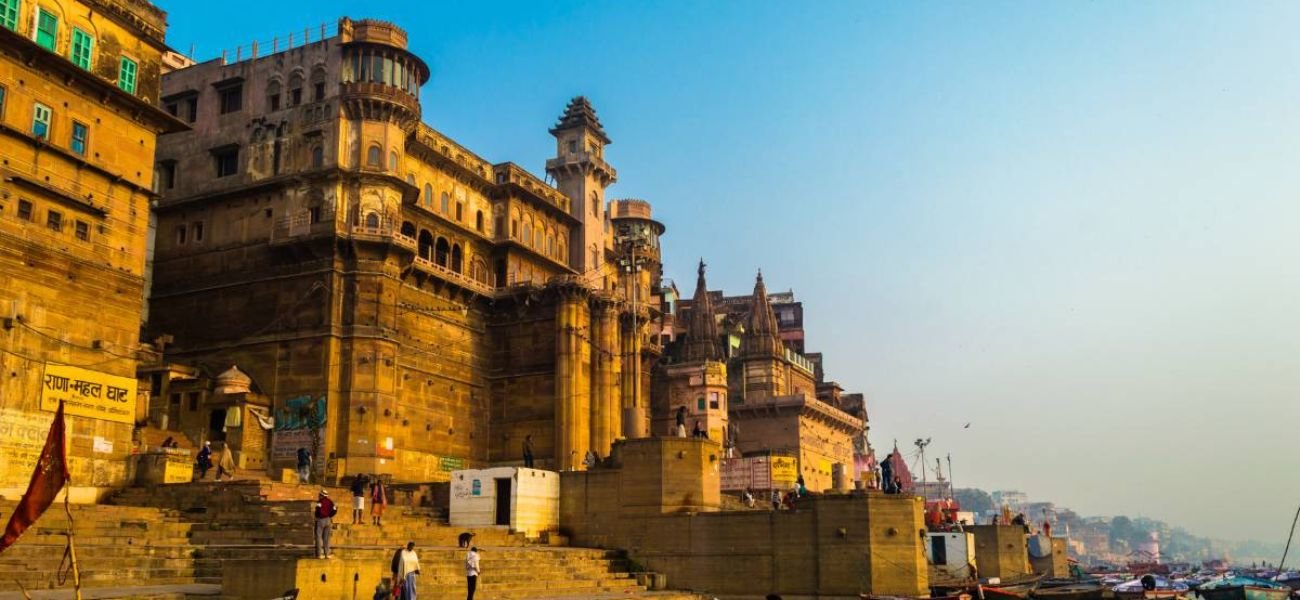
Ghats That Shape the Experience
- Dashashwamedh Ghat: Evening energy, intense and devotional
- Assi Ghat: Calm mornings, suitable for older travellers
- Manikarnika Ghat: Observational, emotionally heavy, not for rushed visits
Ghats are not sightseeing spots. They’re spaces of pause.
Festival Celebrations Worth Knowing About
- Mahashivratri: Long queues, heightened energy
- Dev Deepawali: Visually striking, better organised
- Ganga Mahotsav: Cultural, less chaotic
Festivals add depth but require patience and planning.
Safety Tips for Delhi Travellers Visiting Varanasi
- Start early and rest in afternoons
- Keep ID accessible near temple areas
- Avoid isolated ghats late at night
- Wear simple, modest clothing
- Stay hydrated, even in winter
Varanasi is safe, but crowds demand awareness.
How to Reach Varanasi from Delhi
By Air
- Direct flights available
- Fastest and least tiring
- Best for short-duration trips
By Train
- Overnight trains are popular
- Saves daytime energy
- Requires advance booking
By Road
- Long and tiring
- Suitable only for those used to extended travel
Local Guide Tip: Early morning arrivals align best with temple timings.
Planning Support Partner
Many travellers realise too late that Varanasi isn’t difficult because of distance, but because of timing. Temple queues shift. Ghat energy changes by the hour. Rest is often underestimated.
As a Planning Support Partner, Ayodhya Varanasi Tourism focuses on pacing rather than packing days tightly. The aim is to help travellers move calmly, avoid peak congestion, and allow the journey to feel devotional rather than demanding.
Planning Support Partner
Many travellers underestimate how emotionally tiring this circuit can be. Managing temple timings, crowd surges, and intercity transfers on your own often distracts from the spiritual purpose.
As a planning support partner, Ayodhya Varanasi Tourism helps travellers move through this yatra calmly. Not by overloading schedules, but by understanding when to pause, when to move, and when to simply wait. That quiet planning makes the journey feel complete rather than exhausting.Contact Ayodhya Varanasi Tourism Today:
Call Us: +91 7300620809
WhatsApp Us: +91 7300620809
Visit Our Website: Ayodhya Varanasi Tourism
Email: ayodhyavaranasitourism@gmail.com
FAQs – Delhi to Varanasi Tour Package
Three to four days work well for most travellers. This allows time for darshan, ghat experiences, and rest without rushing through the city.
Yes, if planned with realistic pacing. Early starts, afternoon rest, and guided temple visits make the experience smoother for first-timers.
Yes, with assistance and proper planning. Staying close to temple areas and avoiding peak hours helps reduce physical strain.
Overnight trains suit travellers with flexible schedules. Flights are better for short trips or those who want to avoid travel fatigue.
Crowds are present daily. Early morning visits are calmer. Festival days require additional patience.
Not mandatory, but recommended. It offers calm and balance after the intensity of central Varanasi.
Clean, mid-range hotels with easy access to main roads work better than luxury stays deep inside lanes.
Photography is restricted inside temples. At ghats, always be respectful and ask before photographing people.
It can, if overpacked. With proper rest and spacing, most travellers return feeling mentally lighter.
Trying to do too much. Varanasi rewards patience and attention, not speed.
Conclusion
A Delhi to Varanasi tour package is not about escaping the city. It’s about stepping into a different rhythm altogether. When the journey is planned with respect for fatigue, crowd reality, and emotional pacing, Varanasi doesn’t overwhelm. It steadies.
You don’t leave with a list of places checked off. You leave with something quieter. A sense that you moved slowly enough to actually notice where you were. And that, in a city like Kashi, is more than enough.