

There’s a moment many people don’t talk about when planning a pilgrimage. It’s not about hotel bookings or temple lists. It’s that quiet question: How do I move through these sacred places without rushing, confusion, or regret?
Ayodhya, Varanasi, and Prayagraj aren’t three dots on a map. They’re layered, emotional spaces. History sits heavy here. Faith moves slowly. And honestly, if you plan this journey like a checklist, it often feels incomplete.
That’s where an Ayodhya Varanasi Prayagraj Tour Package actually makes sense. Not as a product. As a rhythm. This guide walks you through that rhythm the way a local would explain it over coffee. Calm. Practical. No pressure.
Why This Three-City Pilgrimage Is Different
Here’s the thing. Most trips are about places. This one is about transitions.
Ayodhya carries stillness. Varanasi holds intensity. Prayagraj brings release. Doing them in the wrong order feels oddly tiring. Doing them in the traditional flow feels… balanced. In my experience, pilgrims who follow this route don’t just “see” temples. They absorb them.
An Ayodhya Varanasi Prayagraj pilgrimage tour works best when you accept that not everything can be controlled. Temple queues stretch. Aartis start late. Rivers decide their own pace. Surprisingly, that’s part of the point.
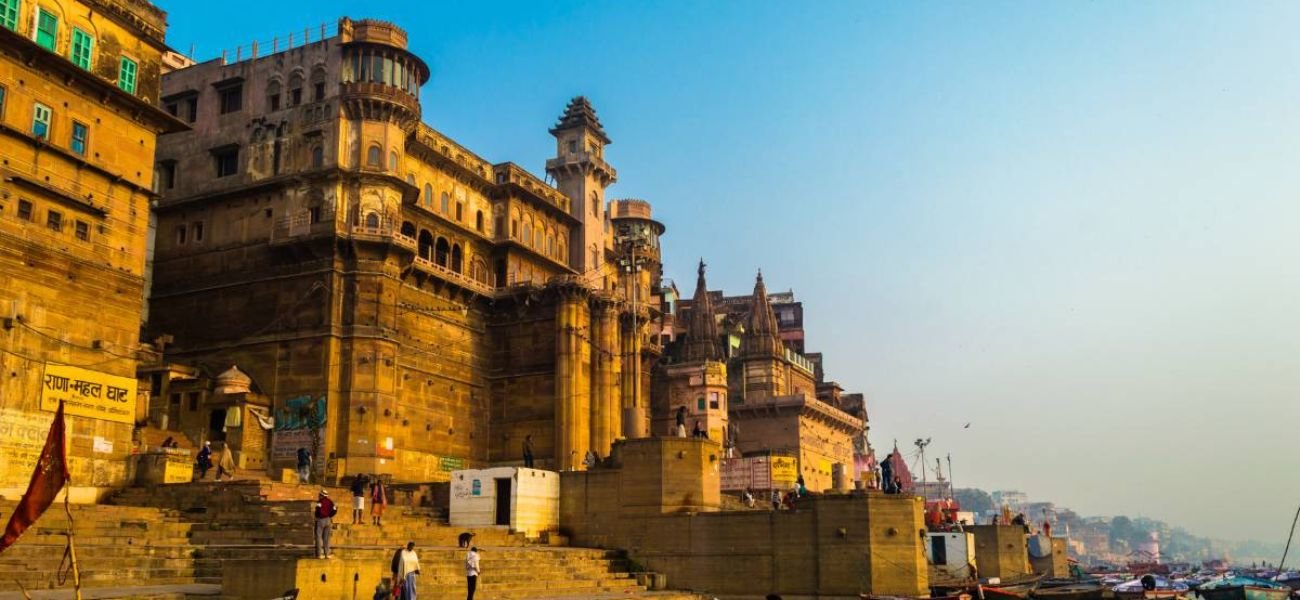
Ayodhya – Where the Journey Slows Down
Ayodhya isn’t loud. Even with crowds, there’s restraint here. People speak softer. Mornings feel longer.
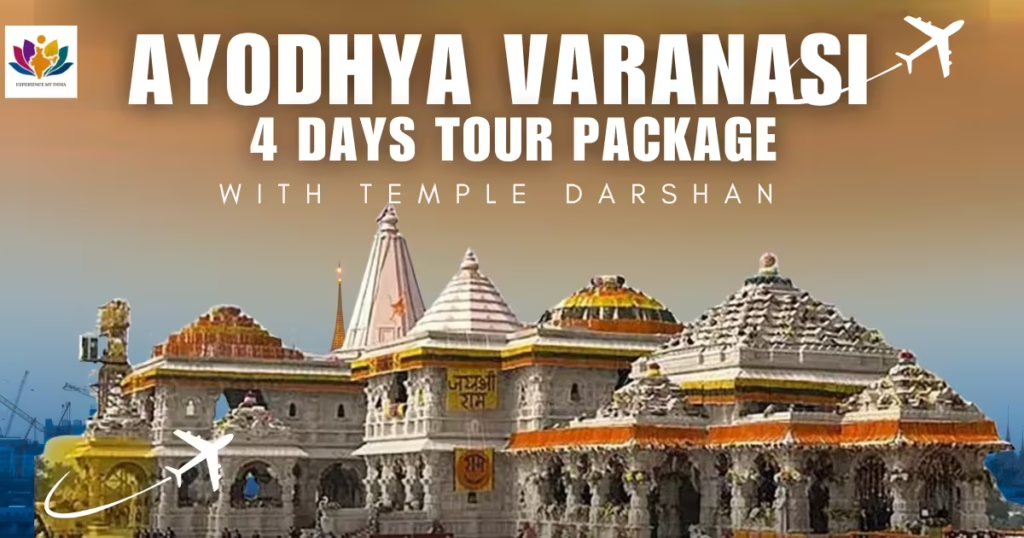
Most travelers begin with Ram Janmabhoomi. And yes, it’s emotional. But what often stays with people is the walk afterward. Narrow lanes. Small shrines. Olderly priests sitting quietly outside.
Other important stops unfold naturally. Hanuman Garhi requires patience due to steps and queues. Kanak Bhawan feels gentler, especially mid-morning. Sarayu Ghat in the evening is less about ceremony and more about silence.
Pro tip: Don’t overload your first day. Let your body adjust. Ayodhya sets the tone for everything that follows.
Varanasi – Faith in Motion
Varanasi doesn’t wait for you. It moves, whether you’re ready or not.
Mornings begin before sunrise. Ghats wake up quietly, then all at once. The first boat ride on the Ganga often surprises people. It’s peaceful, but not romanticized. Life, death, prayer, routine. All sharing the same water.
Kashi Vishwanath darshan requires strategy. Timing matters. Early mornings or late nights work better. Corridor access has improved movement, but crowds are real.
Beyond the main temple, places like Sankat Mochan, Durga Temple, and quieter ashrams add balance. And the Ganga Aarti? Powerful, yes. But also crowded. Some love it. Some prefer watching from a distance. Both are valid.
Honestly, Varanasi tests patience. But it also deepens perspective.
Prayagraj – Where Things Settle
After Varanasi, Prayagraj feels open. Spacious. Less compressed.
The Sangam isn’t dramatic at first glance. Two rivers meeting quietly. But standing there, something shifts. Pilgrims often go silent. Rituals happen slowly. No rush.
A dip at the Triveni Sangam is symbolic, not mandatory. Some people step in. Others just touch the water. Both carry meaning.
Anand Bhavan, Bade Hanuman Ji, and quiet walks along the riverbank complete the experience. Prayagraj doesn’t demand energy. It gives closure.
Pro tip: Keep this leg lighter. Emotionally and physically. It helps everything settle.
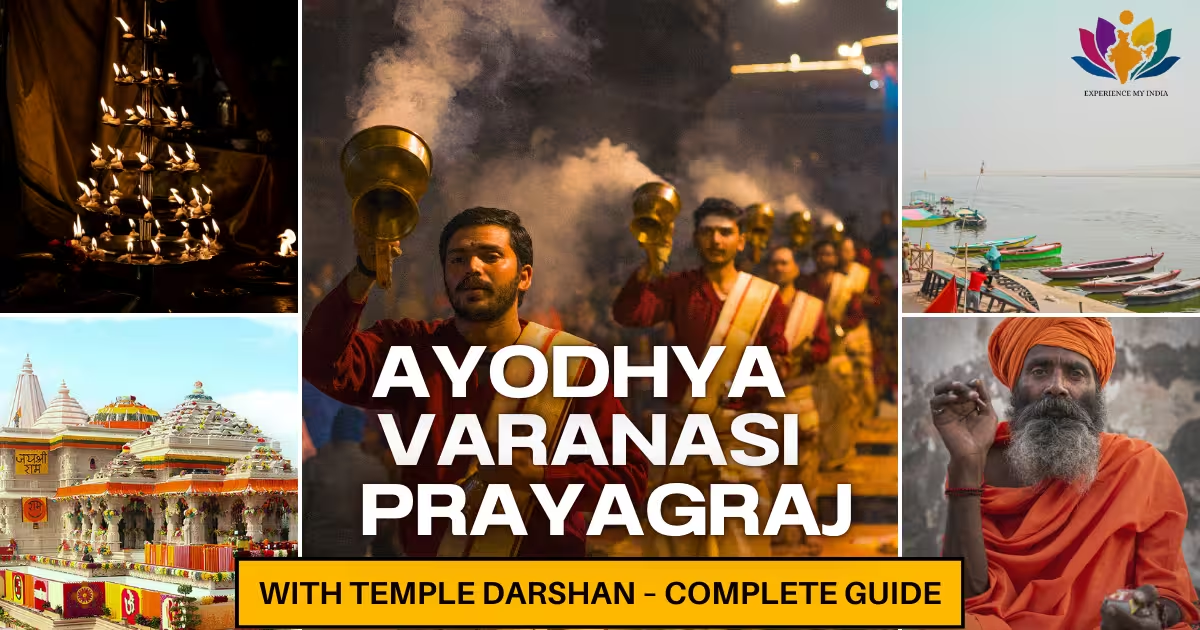
Suggested Route Flow (Without Overloading)
This isn’t a rigid plan. It’s a practical flow most locals suggest.
- Start in Ayodhya (2 days)
- Move to Varanasi (2–3 days)
- End in Prayagraj (1–2 days)
Trying to reverse this often feels chaotic. Ending in Prayagraj feels… complete.
Best Time to Visit Ayodhya, Varanasi & Prayagraj
Timing can quietly change the entire experience.
- October to March is the most comfortable. Cool mornings, manageable crowds.
- Festivals bring energy but also pressure. More queues. More waiting.
- Summer is possible, but slower travel and hydration become essential.
In my experience, January and February strike the best balance. Weather cooperates. Devotion feels focused.
Festival Periods Worth Knowing About
Some festivals change the movement pattern completely.
- Ram Navami (Ayodhya): Heavy crowds, long darshan lines.
- Dev Deepawali (Varanasi): Stunning visuals, extreme congestion.
- Magh Mela / Kumbh phases (Prayagraj): Spiritually intense, logistically demanding.
If festivals matter deeply to you, plan early. If peace matters more, avoid peak dates.
Safety & Practical Awareness
These cities are safe, but awareness matters.
- Keep darshan expectations realistic.
- Carry minimal valuables.
- Footwear management near temples saves time.
- Older should plan temple visits early morning.
- Hydration is non-negotiable, even in winter.
Crowds aren’t dangerous by default. Confusion is.
How to Reach Ayodhya, Varanasi & Prayagraj
By Air
- Ayodhya and Varanasi both have functional airports.
- Prayagraj Airport operates limited but useful connections.
- Many travelers fly into Varanasi and exit from Prayagraj.
By Train
- Varanasi is extremely well-connected.
- Ayodhya and Prayagraj have frequent rail access from major cities.
- Overnight trains work well for this circuit.
And By Road
- Road travel allows flexibility but requires patience.
- Distances are moderate, but traffic can be unpredictable.
- Early departures reduce stress significantly.
Why Ayodhya Varanasi Tourism Fits This Journey Well
This route doesn’t work when rushed. Ayodhya Varanasi Prayagraj trips fail when treated like sightseeing loops. Temples close. Roads slow. Emotions fluctuate.
Ayodhya Varanasi Tourism focuses on realistic pacing. Not squeezing everything in. Knowing when to pause. Understanding crowd behavior during darshan hours. That local awareness matters here more than luxury or speed.
As a Planning Support Partner, the role is simple. Help travelers understand what needs time, what can be brief, and when doing less actually gives more.
Contact Ayodhya Varanasi Tourism Today:
Call Us: +91 7300620809
WhatsApp Us: +91 7300620809
Visit Our Website: Ayodhya Varanasi Tourism
Email: ayodhyavaranasitourism@gmail.com
Ayodhya Varanasi Tourism is a Unit of Experience My India
Experience My India trip advisor review – Click Here
FAQs – Ayodhya Varanasi Prayagraj Tour Package
Most travelers find 5–7 days comfortable. Ayodhya usually needs 1–2 days, Varanasi 2–3 days, and Prayagraj 1–2 days. This pace avoids rushing temple darshan and allows rest between long travel days.
Traditionally, starting with Ayodhya, moving to Varanasi, and ending at Prayagraj feels most balanced. In my experience, this order helps the journey feel calmer and more complete, especially for first-time pilgrims.
Key stops include Shri Ram Janmabhoomi, Hanuman Garhi, and Kanak Bhawan. Most darshans are best done early morning to avoid crowds and long waiting times, particularly on weekends and festivals.
Plan at least two full days in Varanasi. One day usually goes into Kashi Vishwanath darshan and ghats, while another covers Sankat Mochan, Durga Temple, and Ganga Aarti. Crowds often affect timing.
Prayagraj is known for the Triveni Sangam, where the Ganga, Yamuna, and Saraswati meet. A visit here often feels like closure to the journey, especially after Ayodhya and Varanasi’s intensity.
The most comfortable period is October to March. Weather stays pleasant, and temple visits are easier. Festival periods like Ram Navami or Magh Mela are meaningful but bring heavier crowds and delays.
Yes, but pacing matters. Early morning darshan, hotel stays near temples, and avoiding peak crowd hours help older manage comfortably. Walking support and shorter temple queues make a noticeable difference.
Most travelers use a mix of road and train travel. Roads offer flexibility, while trains reduce fatigue on longer stretches. Flights are useful mainly for arrival or departure from Varanasi or Prayagraj.
No, they’re optional. Some pilgrims take a holy dip, while others simply perform prayers at the riverbank. Both are spiritually accepted and depend on personal belief and comfort.
Carry minimal belongings, follow local instructions, and stay patient. Temple timings can change suddenly, especially during festivals. In my experience, flexibility matters more than strict schedules on this route.
Conclusion
An Ayodhya Varanasi Prayagraj Tour Package isn’t about distance covered. It’s about internal movement. Ayodhya softens you. Varanasi challenges you. Prayagraj releases you.
If you allow the journey to unfold instead of forcing it, the experience stays with you long after the temples fade into memory. And that, honestly, is why people return.