

Anyone who has tried planning Holi around Ayodhya and Varanasi knows it’s never as straightforward as it looks online. Dates appear fixed, but the experience on the ground keeps shifting. Trains sell out early. Temple entry rules change with crowd pressure. Some hours feel overwhelming, while others suddenly fall quiet. And Holi, especially in sacred cities, never follows a neat schedule.
From what I’ve seen over the years, an Ayodhya Varanasi Holi Tour Package 2026 only works when it’s planned with a deep understanding of how these cities behave during festivals. This isn’t party Holi. It’s devotional, emotionally charged, and sensitive to timing. Miss the right window, and the journey feels tiring. Get it right, and even four days can feel surprisingly complete.
This guide lays out a realistic Ayodhya Varanasi Holi tour 2026, shaped by local movement patterns, not ideal assumptions.
About the Ayodhya–Varanasi Holi Experience
Holi doesn’t arrive suddenly in these cities. It gathers momentum.
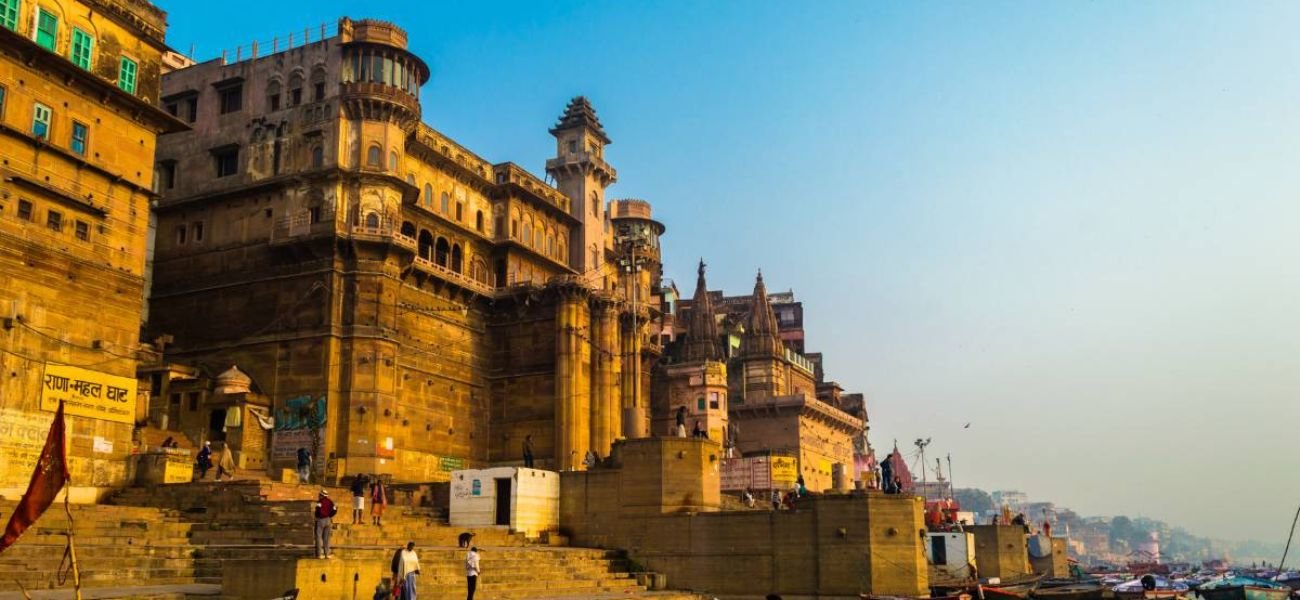
In Varanasi, the river leads the rhythm. Rituals take priority, colours follow later. There’s intensity, chanting, movement, and controlled chaos near the ghats. Ayodhya feels different. Even during Holi, it stays inward-looking. More reflective. People walk slower. Darshan feels quieter.
Together, the two cities balance each other. A Holi celebration tour Ayodhya Varanasi works best when you allow each place to express its own nature. Varanasi gives energy and scale. Ayodhya offers calm and closure. When planned thoughtfully, the contrast feels intentional rather than exhausting.
Why This Route Works During Holi
Many travellers assume starting with Ayodhya and ending in Varanasi makes sense. On paper, it does. On the ground, it often doesn’t.
Crowds hit Varanasi harder and faster. If you reach there late in the journey, fatigue catches up quickly. This Ayodhya to Varanasi Holi travel package is designed in reverse for a reason. Begin with the busier city. Let the peak energy happen early. Then move to Ayodhya, where the pace naturally slows.
Local Guide Tip: During festival weeks, always visit the most crowded city first. Ending in a calmer destination helps your body and mind recover.

4-Day Ayodhya Varanasi Holi Tour Itinerary (Practical Flow)
Day 1: Arrival in Varanasi – Ghats, Darshan, and First Impressions
Morning
Arrival at Varanasi Airport or Railway Station, followed by hotel transfer and a short rest. Avoid rushing. Let the body settle.
Afternoon
Visit Kashi Vishwanath Temple. Expect queues and security checks, but the darshan itself is deeply grounding. Lunch should be light and local.
Evening
Ganga Aarti at Dashashwamedh Ghat. It’s crowded, loud, and emotionally powerful. A short boat ride afterward offers perspective and calm. Overnight stay in Varanasi.
Local Guide Tip: Wear footwear that’s easy to remove. Ghat steps get slippery and congested in the evening.
Day 2: Varanasi Exploration and Transfer to Ayodhya
Morning
After breakfast, visit Sarnath. The open space and quiet atmosphere balance the intensity of the previous night.
Afternoon
Explore Tulsi Manas Temple and Bharat Mata Temple. These stops add context without adding crowd pressure. Lunch locally.
Evening
Drive to Ayodhya. The journey takes time during Holi week, so start early. Check in, dinner, and rest.
Local Guide Tip: Carry snacks and water for the drive. Highway stops fill up quickly during festivals.
Day 3: Ayodhya Darshan – Faith Over Festivity
Morning
Visit Ram Janmabhoomi. Entry is structured and regulated. The darshan may be brief, but the atmosphere is intense and quiet at the same time.
Afternoon
Hanuman Garhi follows naturally. The climb feels demanding, but many travellers find this visit emotionally steadying. Lunch nearby.
Evening
Kanak Bhawan and a walk along the Saryu River. As crowds thin, Ayodhya shows its calmer side. Overnight stay in Ayodhya.
Local Guide Tip: Finish major temple visits before sunset. Ayodhya closes down earlier than expected.
Day 4: Return and Departure
After breakfast, drive back to Varanasi. Depending on departure time, there may be room for light shopping or a short temple visit. Drop at airport or railway station. The tour ends gently, without last-minute pressure.
Safety Tips During Holi Travel
- Keep ID accessible near temple checkpoints
- Dress modestly and comfortably
- Avoid large bags near sacred zones
- Stay hydrated, even in cooler evenings
Local Guide Tip: A small cloth bag for prasad is more practical than plastic during festivals.
How to Reach Ayodhya and Varanasi
By Air
Flying into Varanasi is the easiest option during Holi. Road travel to Ayodhya is manageable with planning.
By Train
Reliable but requires early booking. Holi season trains fill fast.
By Road
Possible but tiring during festival congestion. Best avoided for long distances.
Why Ayodhya Varanasi Tourism Fits This Journey
A rushed Holi trip rarely feels fulfilling. Temple timings don’t bend. Festival traffic doesn’t care about plans. Ayodhya Varanasi Tourism focuses on realistic buffers, calm pacing, and darshan-first planning. As a Planning Support Partner, the emphasis stays on flow, not force, which is exactly what this route needs.
Contact Ayodhya Varanasi Tourism Today:
Call Us: +91 7300620809
WhatsApp Us: +91 7300620809
Visit Our Website: Ayodhya Varanasi Tourism
Email: ayodhyavaranasitourism@gmail.com
Ayodhya Varanasi Tourism is a Unit of Experience My India
Experience My India trip advisor review – Click Here
FAQs – Ayodhya Varanasi Holi Tour Package 2026
Yes, when the route is planned realistically. The key darshans and Holi atmosphere can be experienced without rushing. Trying to add more cities often reduces depth rather than increasing value.
Not everywhere. Near ghats and local areas, colours appear gradually. Temples focus more on rituals, bhajans, and controlled celebrations rather than free-for-all colour play.
Compared to Varanasi, Ayodhya remains calmer. Crowds are present, but movement is more organised and less chaotic, especially outside peak festival hours.
Yes, with proper pacing. Short walking distances, early darshan timings, and planned rest periods make the journey manageable for older travellers.
Generally yes. Both cities are heavily policed during festivals. Staying with planned routes and guided movement adds an extra layer of comfort.
Most major temples restrict photography. Phones often need to be deposited. It’s best to carry minimal belongings during darshan.
Clean, centrally located hotels with easy access to temple routes are ideal. Luxury is less important than proximity and convenience.
Many travellers prefer the days surrounding Holi rather than the main day. The atmosphere remains festive without peak congestion.
Moderate. There is walking, standing in queues, and road travel, but no extreme physical strain if paced properly.
Not when planned correctly. The itinerary is designed to balance movement and rest, allowing the experience to feel settled rather than hurried.
Conclusion
An Ayodhya Varanasi Holi Tour Package 2026 isn’t measured by how many events you attend. It’s defined by how the journey feels when it’s over. When routes follow local rhythm and expectations stay grounded, four days are enough to experience both intensity and peace.
Holi here doesn’t demand excitement.
It asks for awareness.
And when you travel with that mindset, Ayodhya and Varanasi offer exactly what they’re meant to.