

There’s a moment most people from outside Uttar Pradesh experience when planning an Ayodhya–Varanasi trip. The intent is clear. The devotion is real. But the questions don’t stop. How much time is enough? Which temples actually matter? And more honestly, will four days feel rushed or fulfilling?
In my experience, an Ayodhya Varanasi 4 days tour package works beautifully when it’s paced with care. Not hurried. Not overloaded. Ayodhya and Varanasi aren’t destinations you tick off. They’re places you sit with, even briefly, and let the atmosphere do its quiet work.
This guide walks you through what a four-day spiritual journey between these two sacred cities realistically looks like. What you’ll see. What you’ll feel. And how to move without draining the purpose of the visit.
About the Ayodhya–Varanasi Spiritual Circuit
Ayodhya and Varanasi share something deeper than geography. They hold space.
Ayodhya carries the stillness of beginnings. Varanasi carries the intensity of endings. One is associated with dharma lived quietly. The other with moksha contemplated openly. Together, they form a complete spiritual arc that many pilgrims seek, often without knowing how to plan it well.
Surprisingly, the distance between the two cities isn’t the challenge. It’s understanding their different rhythms. Ayodhya moves slowly. Varanasi doesn’t. A balanced Ayodhya Varanasi 4 days itinerary respects both.
A Short Historical Context That Shapes the Journey
Ayodhya, believed to be one of the oldest continuously inhabited cities in the world, is inseparable from Lord Rama. Its spiritual energy feels grounded, almost restrained. Faith here doesn’t perform. It waits.
Ayodhya
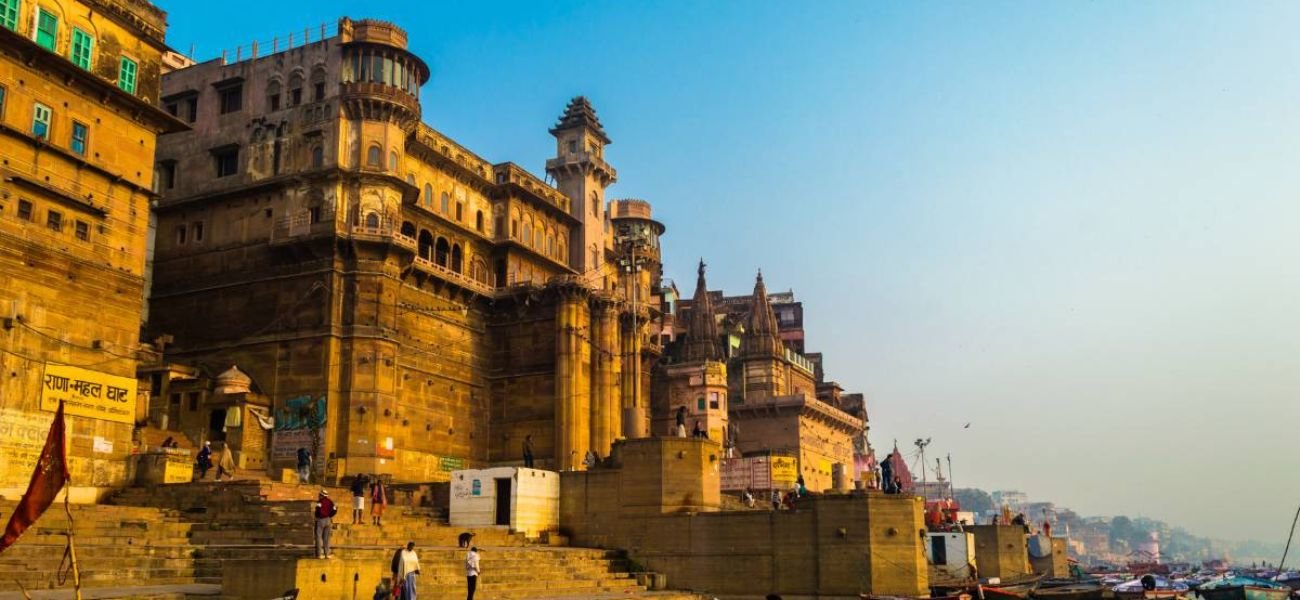
Varanasi, on the other hand, lives in motion. Chanting, bells, fire, water, crowds. Life and death coexist openly. It can feel overwhelming at first. And yet, many find clarity right there.
Varanasi
Understanding this contrast helps shape expectations. And expectations decide whether the journey feels peaceful or exhausting.

Day-by-Day Flow: Ayodhya Varanasi 4 Days Itinerary Explained Naturally
Day 1: Arrival in Ayodhya and First Darshan
Most travellers arrive in Ayodhya by morning or early afternoon. That timing matters.
After hotel check-in and a short rest, the spiritual circuit begins gently.
Shri Ram Janmabhoomi
This isn’t a quick visit. Security checks take time. Walking corridors are structured. But once inside, the silence feels intentional. Darshan is brief, yet emotionally heavy.
Hanuman Garhi
The climb is steep. The crowd is steady. But the presence is grounding. Many pilgrims pause longer here than expected.
Evening often includes Kanak Bhawan or a quiet walk through temple lanes.
Local Guide Tip: Keep Day 1 light. Let your body adjust. Spiritual fatigue is real, even if you don’t expect it.
Day 2: Ayodhya Sightseeing and Transition to Varanasi
Morning hours in Ayodhya feel different. Calmer. Softer.
Visits usually include Ram Janmabhoomi revisits (if desired), Kanak Bhawan, and short ghatside pauses. Shopping stays minimal. Meaningful items only.
By afternoon, the journey to Varanasi begins. Whether by road or train, this leg sets the tone shift.
Ayodhya fades slowly. Varanasi announces itself early.
Hotel check-in and rest are important before stepping out again.
Day 3: Varanasi Temples and Ganga Aarti
Varanasi doesn’t ease you in. It pulls you forward.
Kashi Vishwanath Temple
Darshan here requires patience. Lines move unpredictably. Security is strict. Yet the moment inside feels timeless.
Annapurna Devi Temple
Often overlooked. Surprisingly powerful.
Dashashwamedh Ghat
Evening Ganga Aarti isn’t quiet. It’s overwhelming. Flames rise. Bells echo. Crowds press in. Still, many find themselves standing completely still.
Local Guide Tip: Don’t fight the crowd during Aarti. Find a spot early and stay. Movement increases stress.
Day 4: Sunrise Rituals and Departure
If possible, begin early.
Assi Ghat
Morning aarti here feels personal. Less spectacle. More reflection.
Short temple visits follow. Then departure.
Most travellers leave with mixed emotions. Relief. Fulfilment. And a strange quiet.
Places to See (How Destinations Connect Naturally)
- Ram Janmabhoomi & Hanuman Garhi sit close, best done together
- Kanak Bhawan balances intense darshan with calm visuals
- Kashi Vishwanath & Annapurna Devi form a devotional loop
- Assi Ghat → Dashashwamedh Ghat works best from morning to evening
This circuit flows emotionally, not just geographically.
Best Time to Visit Ayodhya and Varanasi
- October to March offers comfortable weather
- Ram Navami & Diwali bring intensity, not ease
- Summer months are manageable but physically draining
In my experience, quieter months allow deeper connection.
Festival Celebrations Worth Knowing About
- Ram Navami (Ayodhya): Powerful but extremely crowded
- Dev Deepawali (Varanasi): Visually stunning, logistically heavy
- Shravan Month: Spiritually rich, slower pace
Festivals add layers. They also test patience.
Safety Tips for First-Time Pilgrims
- Keep ID accessible at temple checkpoints
- Wear breathable, modest clothing
- Avoid large bags near temple zones
- Stay hydrated, even in winter
Local Guide Tip: Carry a small cloth pouch for prasad. Plastic is often restricted.
How to Reach Ayodhya and Varanasi (Practical & Informative)
🚗 By Car
- Ayodhya to Varanasi: approx. 220 km
- Takes 4.5–5.5 hours depending on traffic
- Comfortable for flexible stops
🚆 By Train
- Multiple daily trains connect the two cities
- Overnight options save time
- Stations are well-connected to temple areas
✈️ By Air
- Limited direct options between cities
- Useful only if combining with longer routes
For a four-day plan, trains and roads work best.
Why Ayodhya Varanasi Tourism Fits This Journey Well
Spiritual trips fail when logistics dominate attention. Late pickups. Confusing darshan slots. Rushed temple hopping.
Ayodhya Varanasi Tourism focuses on realistic movement. As a planning support partner, the approach stays grounded. Enough time where it matters. Less noise where it doesn’t. That balance suits pilgrims who want meaning, not chaos.
Contact Ayodhya Varanasi Tourism Today:
Call Us: +91 7300620809
WhatsApp Us: +91 7300620809
Visit Our Website: Ayodhya Varanasi Tourism
Email: ayodhyavaranasitourism@gmail.com
Ayodhya Varanasi Tourism is a Unit of Experience My India
Experience My India trip advisor review – Click Here
FAQs – Ayodhya Varanasi 4 Days Tour Package with Temple Darshan
Yes, 4 days is a balanced duration if the journey is planned sensibly. You can cover the main temples, ghats, and aartis without rushing too much. In my experience, the trip feels complete when movement time and rest are paced well.
The tour usually includes Shri Ram Janmabhoomi, Hanuman Garhi, and Kanak Bhawan in Ayodhya, along with Kashi Vishwanath Temple, Annapurna Temple, and Sankat Mochan in Varanasi. Ghats and evening aartis add spiritual depth beyond temple visits.
It can be, provided walking distances and darshan timings are managed carefully. Early morning temple visits, nearby hotels, and assisted transfers make a big difference. I’ve found older enjoy the journey more when there’s no pressure to cover everything.
October to March is ideal due to comfortable weather. Summers can be exhausting, especially during temple queues, while monsoon months bring humidity and occasional travel delays. Winter mornings are cool but manageable.
Most travellers use road or train connectivity, as the distance is manageable in a half day. Road travel offers flexibility, while trains are more comfortable for older travellers. Flights are less practical for this short intercity stretch.
Yes, evening aarti experiences are a highlight of this journey. In Varanasi, Ganga Aarti at Dashashwamedh Ghat is usually included, while Ayodhya focuses more on temple-based evening darshan and calm riverfront moments.
Waiting times depend on the season and day. Weekends and festivals are more crowded. With early morning darshan planning and local coordination, waiting can often be reduced, though some patience is always needed.
Clean, mid-range hotels near temple areas work best. Luxury hotels aren’t necessary, but comfort, cleanliness, and easy access matter a lot. Staying too far from temples often adds unnecessary travel fatigue.
The tour is primarily spiritual, but it includes cultural elements like ghats, museums, and local walks. It’s not about sightseeing quantity, but about experiencing the rhythm of both cities in a meaningful way.
It can feel rushed if too many places are forced into the schedule. When the itinerary focuses on core temples and aartis, the journey feels calm and fulfilling. In my experience, less coverage often creates a deeper connection.
Conclusion
An Ayodhya Varanasi 4 days tour package isn’t about covering everything. It’s about choosing what to sit with. Ayodhya teaches patience. Varanasi demands presence. Together, they offer a complete spiritual experience, even within limited time.
When movement is planned thoughtfully and expectations remain grounded, four days feel enough. Not rushed. Not unfinished. Just complete in their own quiet way.