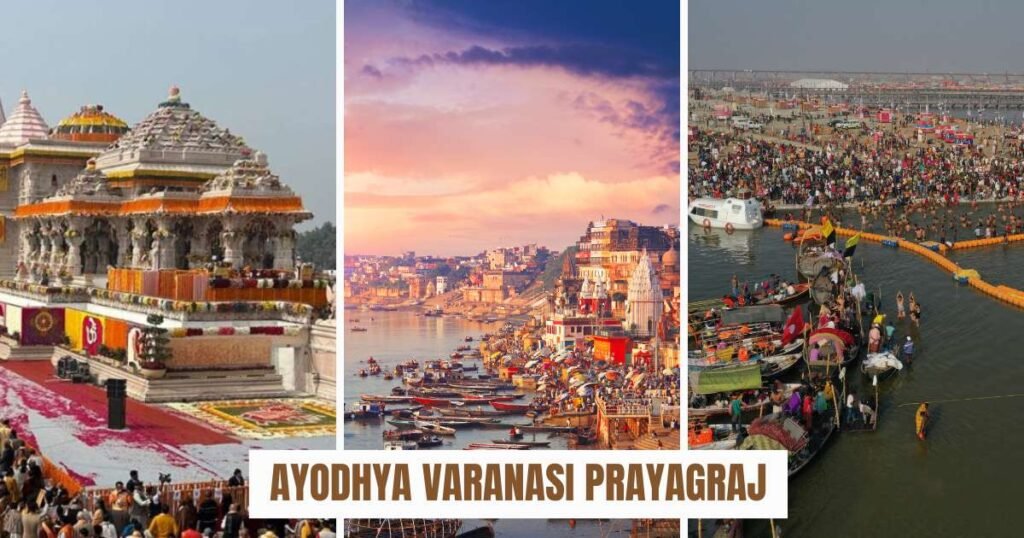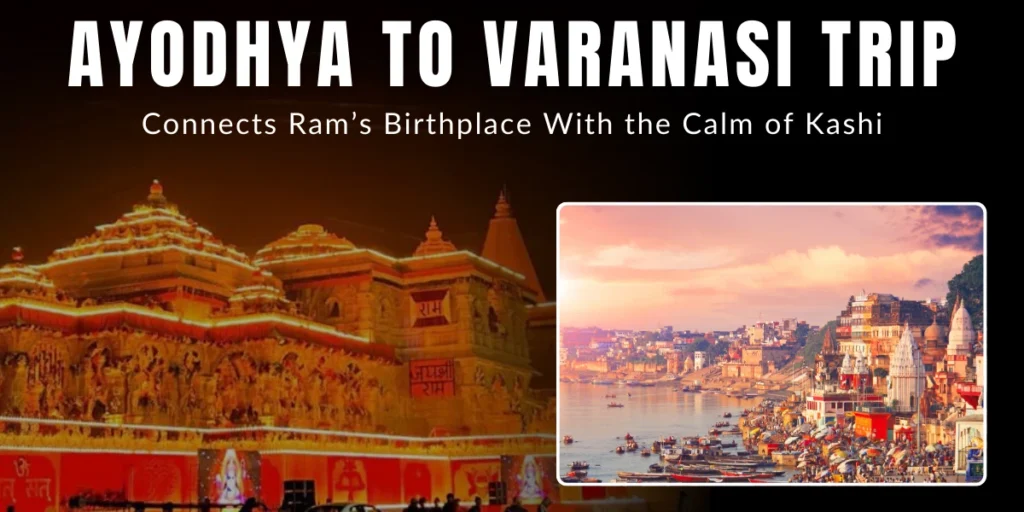

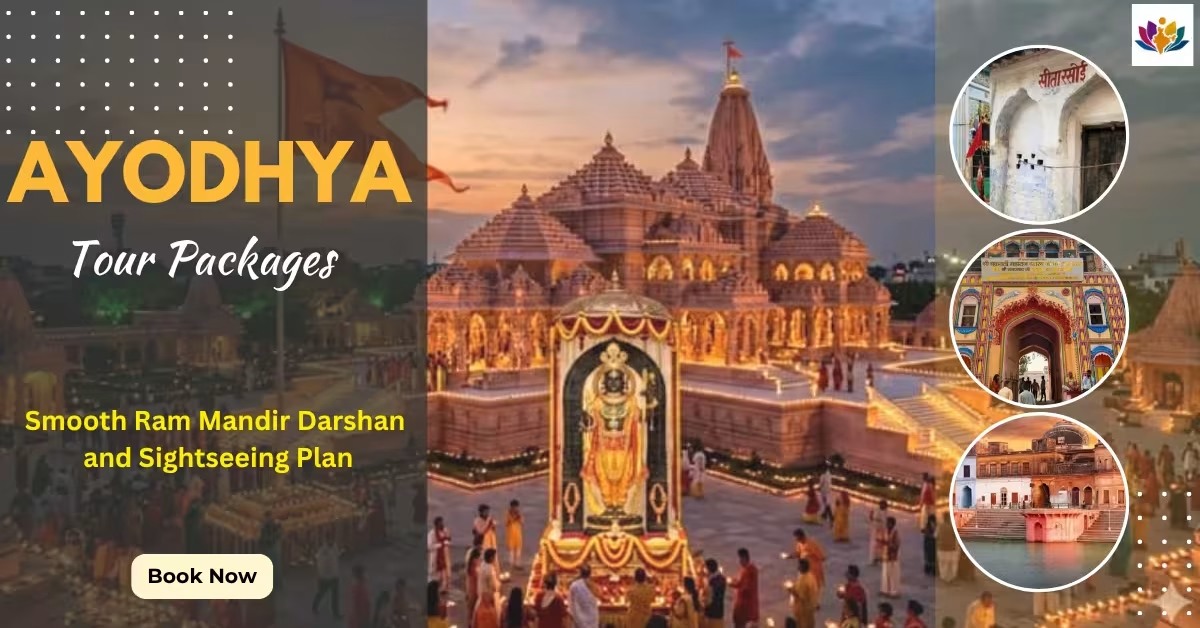
The first time I reached Ayodhya after the Ram Mandir opened, I thought it would feel overwhelming. News, videos, and social media had already shown huge crowds, long queues, and constant movement. But when I actually stood there early in the morning, something felt unexpectedly calm. Not empty, not silent, but settled in a way that is hard to explain.
That’s when I understood something important about Ayodhya Tour Packages. They are not just about booking hotels and transport. They are about timing, flow, and knowing when to move and when to pause. Because here, one small decision can either make your darshan smooth… or turn it into a tiring experience.
So if you are planning your first visit, this guide will help you understand not just where to go, but how to experience Ayodhya without confusion.
Why Most Ayodhya Plans Feel Rushed (And How to Avoid That)
On paper, an Ayodhya pilgrimage tour itinerary looks very simple. Ram Mandir, Hanuman Garhi, Kanak Bhawan, Saryu Aarti, and done. But once you arrive, you realise the city is moving at its own pace.
For example, crowd flow changes every hour. Morning feels organised, while afternoon becomes unpredictable. And sometimes, even a short distance takes longer than expected.
Because of this, most people try to cover everything quickly and end up feeling tired rather than fulfilled.
A better approach is simple — instead of controlling the journey, adjust your plan according to the place.
That’s where well-planned Ayodhya Tour Packages actually help, because they reduce unnecessary pressure and keep things manageable.
Ayodhya Ram Mandir Darshan – What Actually Works
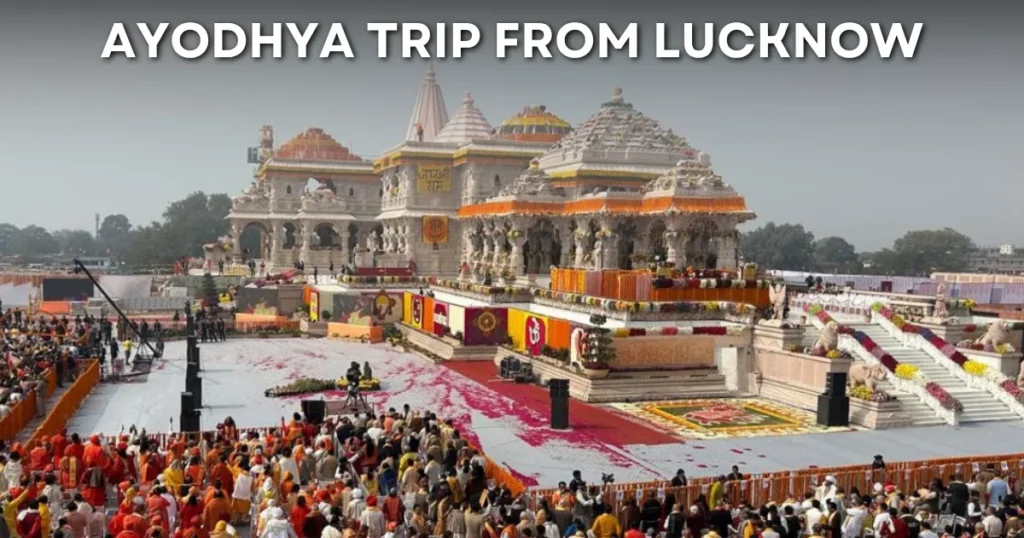
Ram Mandir darshan is the main reason most people visit, but it is also where planning matters the most.
From experience, early morning darshan feels completely different from the rest of the day. The crowd is there, but movement is smoother, and you don’t feel rushed.
However, if you reach late morning or afternoon, the situation changes. Queue time increases, and the darshan becomes quicker.
Practical Darshan Approach
- Reach before 7 AM for smoother entry
- Avoid peak hours between 10 AM to 2 PM
- Keep minimal belongings
- Follow queue movement patiently
But here’s something you’ll notice — even in long queues, people are not restless. There is a quiet patience that slowly affects you as well.
And that is why planning your darshan properly is the most important part of any Ayodhya Tour Packages experience.
A Simple Ayodhya Pilgrimage Tour Itinerary That Feels Balanced
Instead of rushing through places, this itinerary allows you to experience Ayodhya calmly.
Day 1 – Arrival and First Impressions
- Arrival in Ayodhya (from Delhi or nearby city)
- Hotel check-in and short rest
- Visit Saryu River in evening
- Attend Saryu Aarti
Evening at Saryu feels different. The light, the sound, and the river together create a calm beginning for your journey.
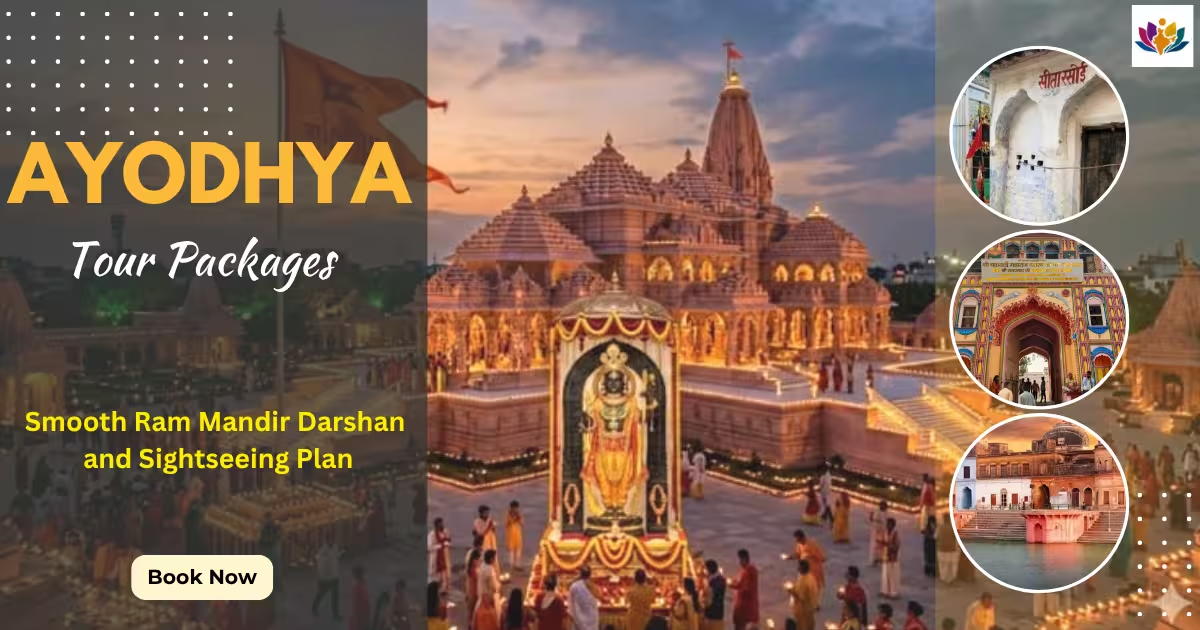
Day 2 – Ram Mandir and Main Temples
- Early morning Ram Mandir darshan
- Visit Hanuman Garhi
- Visit Kanak Bhawan
- Explore local lanes slowly
Here’s something you’ll realise. After two or three temples, your pace automatically slows down. You don’t feel like rushing anymore.
That’s when Ayodhya starts feeling real.
Day 3 – Nearby Exploration and Departure
- Visit Ram Ki Paidi in morning
- Short walk near ghats
- Local shopping (if needed)
- Departure
This structure works well because it doesn’t overload your day. And because of that, the experience feels complete.
What People Usually Don’t Notice in Ayodhya
Most visitors focus on darshan and temples, which is natural. But there is another layer to Ayodhya that often goes unnoticed.
It’s the way people behave here.
You’ll see crowds, but very little chaos. You’ll see long queues, but very little frustration. And you’ll notice that people are not just visiting, they are waiting… calmly.
At some point, you also stop checking time so frequently.
And that’s when the journey changes from “travel” to something more personal.
Best Time to Plan Ayodhya Tour Packages
Timing plays a big role in how your trip feels.
Ideal Months
- October to March → Comfortable weather
- April to June → Hot afternoons, early visits better
- Monsoon → Less crowd, but unpredictable rain
Festival Period
- Ram Navami → High crowd, strong spiritual energy
- Diwali → Beautiful lighting, heavy rush
But honestly, if this is your first visit, normal days offer a smoother experience.
Because during festivals, everything feels intense — which is beautiful, but not always easy to manage.
Local Movement and Crowd Behaviour
Ayodhya is developing fast, but some parts still require patience.
- Walking is often faster than vehicles
- E-rickshaws are easily available
- Peak hours slow down movement
But what stands out is how people adjust naturally.
Nobody pushes unnecessarily. Nobody complains loudly. The entire flow feels cooperative.
And because of this, your experience becomes smoother if you stay patient rather than trying to rush ahead.
Local Guide Tip:
Try to complete Ram Mandir darshan early morning and keep the rest of your day light. Planning too many places after darshan often feels tiring instead of fulfilling.
Ayodhya Travel Package from Delhi – What to Expect
Many travellers prefer starting from Delhi.
- Distance: Approx. 700 km
- Travel options: Train, flight, or road
Now here’s something practical.
If you choose train or flight, your energy stays intact. But if you choose road travel, it becomes longer and slightly tiring.
So choosing the right travel mode affects your entire Ayodhya pilgrimage tour itinerary more than people expect.
Entry Guidelines and Practical Tips
- No entry fee for temples
- Footwear must be removed
- Mobile restrictions may apply in certain areas
- Carry minimal items
But beyond rules, awareness matters more.
Because once you enter the temple space, you automatically adjust your behaviour.
And that adjustment is not forced. It happens naturally.
Planning Support Partner
Planning Ayodhya on your own can feel simple at first, but small details like darshan timing, crowd flow, and local movement often create confusion later. Ayodhya Varanasi Tourism helps travellers manage these aspects in a practical way, so the journey remains smooth instead of rushed. Their approach focuses on real timing and ground understanding, not just fixed plans, which makes a noticeable difference in how comfortably the trip unfolds.
Contact Ayodhya Varanasi Tourism Today:
Call Us: +91 7300620809
WhatsApp Us: +91 7300620809
Visit Our Website: Ayodhya Varanasi Tourism
Email: ayodhyavaranasitourism@ayodhyavaranasitourismgmail-com
Ayodhya Varanasi Tourism is a Unit of Experience My India
Experience My India Trip Advisor Review
How to Reach Ayodhya
🚗 By Car
- Delhi to Ayodhya: Approx. 650–700 km
- Travel time: 10–12 hours
- Best for flexibility
- Start early to avoid traffic
🚆 By Train
- Ayodhya has good railway connectivity
- Direct trains available from major cities
- Station close to main temple areas
✈️ By Air
- Nearest airport: Maharishi Valmiki International Airport (Ayodhya)
- Flights available from major cities
- From airport, short drive to city
FAQs – Ayodhya Tour Packages
A 2 to 3-day trip is ideal for most travellers, as it allows enough time for Ram Mandir darshan and visiting nearby temples without feeling rushed.
Early morning, preferably before 7 AM, is the best time for a smooth and less crowded darshan experience.
Yes, especially for first-time travellers, as they help manage darshan timing, local transport, and sightseeing in a more organised way.
No, there is no entry fee for darshan at Ram Mandir. It is free for all devotees.
Yes, but it can feel hectic. A relaxed 2-day itinerary is always better for a complete experience.
Most packages include Ram Mandir, Hanuman Garhi, Kanak Bhawan, Ram Ki Paidi, and Saryu Aarti.
Yes, Ayodhya is well connected by train and flight from Delhi, making it a convenient pilgrimage destination.
Carry light luggage, comfortable clothing, essential medicines, and avoid carrying unnecessary items.
Yes, e-rickshaws and autos are easily available, but during peak hours walking is often faster.
It is recommended to book in advance, especially during weekends and festival periods, to avoid last-minute issues.
Conclusion
A journey like this doesn’t really stay limited to temples or plans. Somewhere between the early morning darshan, quiet river moments, and slow walks through the city, something settles inside without making noise.
And maybe that’s the part people don’t plan for.
But that’s also the part they remember the most.