

Some journeys begin not with a road but with a feeling, and the Ayodhya to Varanasi Trip quietly becomes one such experience for travellers who want to touch two of India’s deepest spiritual spaces in a single day. Ayodhya, the land where Ram’s story began, holds devotion that feels rooted and steady, while Varanasi carries an ancient calmness that almost melts into the soul. When travellers move from one to the other, they often say the journey feels like walking through two different chapters of faith — one strong and firm, the other gentle and timeless. Ayodhya Varanasi Tourism plans this journey in a way that lets people experience both emotions without rush.
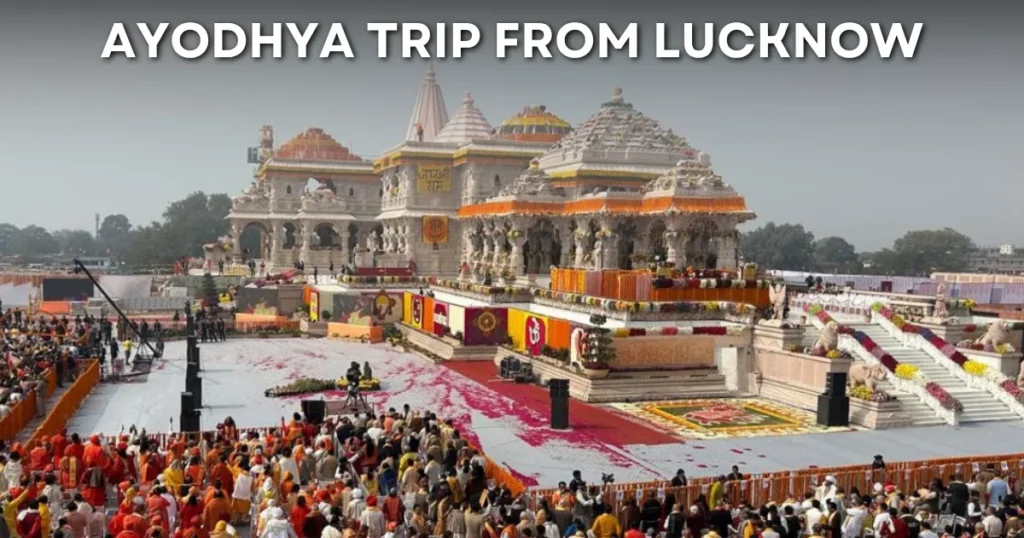
Ayodhya itself has a vibrancy that stays with visitors long after they leave the temple premises. The chants near Shri Ram Janmabhoomi, the river breeze near Saryu Ghat, the quiet lanes filled with devotees — everything creates a spiritual rhythm that settles deeply inside the heart. When travellers sit in the cab to begin their Ayodhya to Varanasi Trip, that same rhythm travels with them for some time. Slowly the city gives way to open roads, wide fields, and small settlements that appear and disappear gently along the route.
Ayodhya to Varanasi Travel Route – A Simple, Steady, and Peaceful Drive
The journey between the two cities is around four hours, but it never feels heavy. The road stays straight for long stretches, easing the traveller into a softer state of mind. The landscape changes in quiet layers — patches of green fields, clusters of village houses, small marketplaces where life moves at its own unhurried pace. The travel does not demand effort; it simply invites the passenger to relax and look outside without thinking too much.
Drivers arranged through Ayodhya Varanasi Tourism maintain a gentle pace, avoiding noisy sections and choosing cleaner stretches whenever possible. Travellers often say the route feels like a long breath between two spiritual destinations — a space where the mind becomes silent without trying.
Why This Journey Feels Emotionally Meaningful
The drive itself becomes a kind of preparation. Leaving Ayodhya after darshan often fills the heart with strength and clarity, while arriving in Varanasi opens a door to quiet acceptance and inner calm. The shift is subtle but unmistakable. Devotees who take the Ayodhya to Varanasi Trip often share that the journey begins with Ram’s presence and ends with Shiva’s peace, creating a balanced experience that stays with them for days.
This emotional flow is what makes the journey feel more than just travel. It becomes a bridge between two energies — the devotion of Ayodhya and the timeless serenity of Kashi.
Reaching Varanasi – A City Where Time Moves at Its Own Gentle Pace
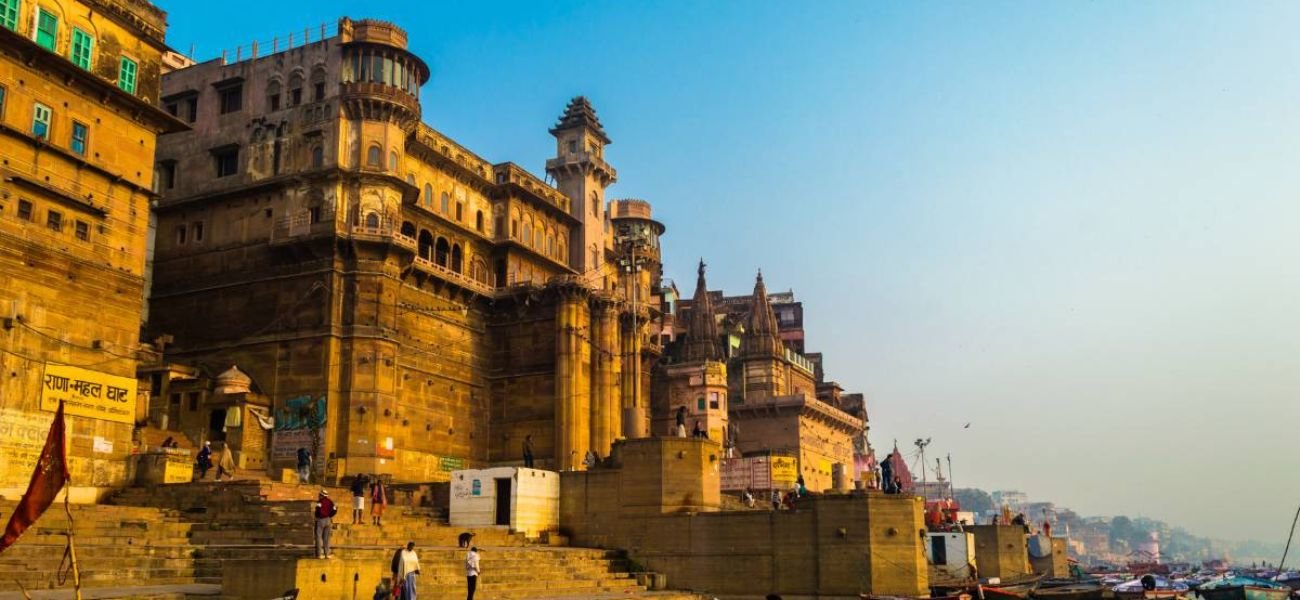
As the cab enters Varanasi, the atmosphere begins to transform. The streets get narrower, yet everything around seems wider in meaning. The sound of temple bells rings softly from different corners, and the river breeze carries a calm that doesn’t need words. The first glimpse of the ghats often quiets even the most talkative travellers.
Many begin their visit by going straight to Kashi Vishwanath Temple. The walk through the polished corridors, the chants rising gently, and the darshan inside the sanctum create an experience that feels both ancient and comforting. No matter how many times someone visits, the feeling inside the temple remains personal, almost as if the city adjusts itself to each visitor’s emotions.
This is why the Ayodhya to Varanasi Trip feels complete the moment travellers stand before the Shivling — because the journey that began with Ram’s birth story ends in the peaceful presence of Shiva.
A Calm and Simple Itinerary for the Day
A gentle temple-focused plan looks like this:
Morning in Ayodhya:
- Shri Ram Janmabhoomi Darshan
- Hanuman Garhi
- A slow walk around Ram Ki Paidi
- Departure for Varanasi
Afternoon Arrival in Varanasi:
- Kashi Vishwanath Temple Darshan
- Lunch and short rest
- Walk near Godowlia or the ghats
Evening:
- Ganga Aarti at Dashashwamedh Ghat
- Peaceful sitting by the river before returning to the hotel
Ayodhya Varanasi Tourism keeps this itinerary flexible, so families, elders, and first-time visitors can enjoy the day comfortably.
What Makes This Journey Comfortable for All Travellers
The route is clean, the drive is predictable, and both cities are spiritually rich. Travellers appreciate how effortless the transition feels — from Ayodhya’s devotion to Varanasi’s silence. There is no need to rush, no confusing turns to worry about. With Ayodhya Varanasi Tourism handling the arrangements, visitors can focus entirely on the experience rather than logistics.
The cab remains comfortable throughout, and the stops are planned in a way that no one feels tired or pressured.

Why This Journey Stays in the Memory
Spiritual journeys are not remembered for the kilometres covered; they are remembered for the feelings carried back home. Many travellers say that the Ayodhya to Varanasi Trip helps them understand devotion in a new light. Ayodhya teaches dedication. Varanasi teaches surrender. And the road between them gives enough time to understand both without hurry.
The balance of these emotions is what makes travellers return to this route again and again.
FAQs – Ayodhya to Varanasi Trip
Usually 4–5 hours depending on the route and traffic.
Yes, the route is smooth and frequently used by pilgrims.
Kashi Vishwanath, Annapurna Temple, and Sankat Mochan are popular choices.
Yes, but overnight stay in Varanasi is recommended for a relaxed experience.
Yes, full packages including cab, itinerary, and guidance are available.
Yes, travellers can easily attend the evening Aarti after reaching Varanasi.
Yes, there are several clean vegetarian restaurants along the highway.
October to March offers the most pleasant weather.
Yes, the journey is comfortable and not physically demanding.
Because it provides a peaceful, well-planned journey that respects both devotion and comfort.