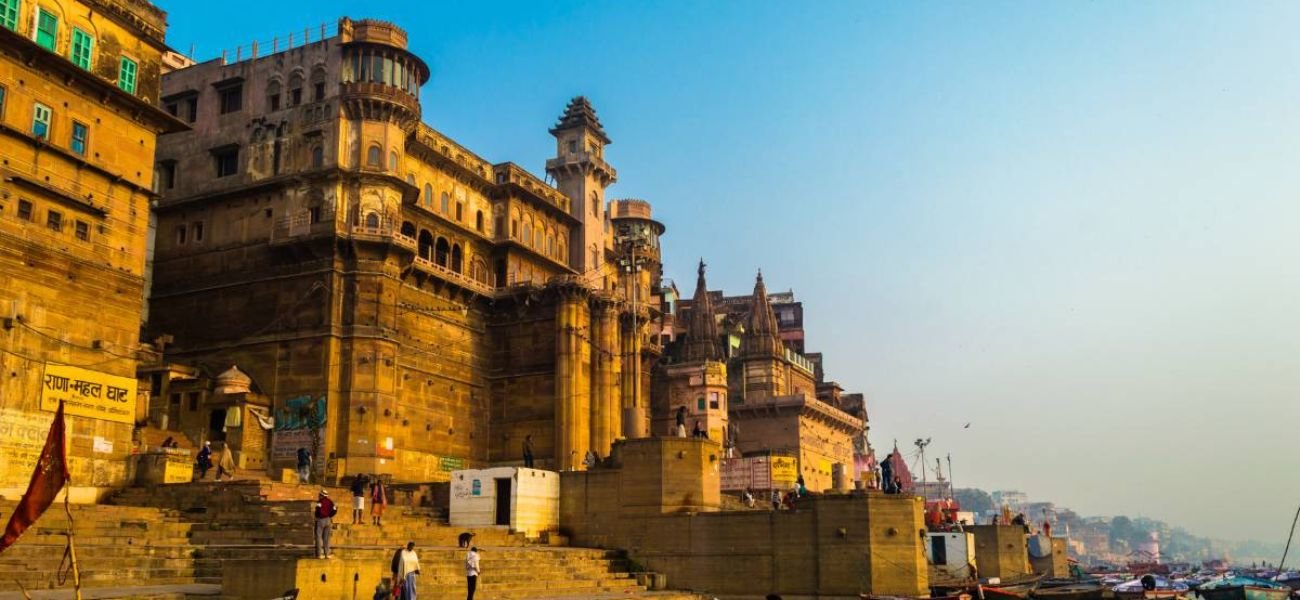


There’s a certain kind of journey where the destination almost feels secondary. You start from one place with a clear purpose, but somewhere along the road, the spaces in between begin to matter just as much. That’s exactly what happens when you travel from Ayodhya to Varanasi.
At first, it looks like a simple route. A few hours of travel, two major cities, some temples, maybe a river visit. But once you actually do it, you realize it’s not just about reaching—it’s about how the entire experience unfolds.
Most people searching for ayodhya to varanasi routes are trying to figure out distance, time, and options. And while those things matter, what really shapes this journey is how well everything connects without feeling rushed.
A Quick Overview Before You Plan
| Thing | Info |
| Distance | 177–230 km |
| Road Time | 4–5 hours |
| Train Time | 2.5–3 hours |
| Fastest Option | Vande Bharat Train |
| Best Months | October to March |
At a glance, it feels manageable. But the difference between a smooth trip and a tiring one depends on how you handle timing, stops, and movement. That’s where a well-thought ayodhya to varanasi plan quietly changes everything.
What This Journey Actually Feels Like
When you leave Ayodhya, especially after spending time near Sarayu River or visiting Ram Mandir, there’s a certain calmness that stays with you. The roads don’t feel rushed, and the transition toward Varanasi feels gradual.
And then, when you enter Varanasi, the energy shifts.
It’s not chaotic in a negative way—it’s just fuller. The streets, the ghats, the sounds… everything feels more layered.
That contrast between stillness and movement is something no Ayodhya to Varanasi route guide really explains properly.
The Route That Works Without Stress
There are multiple ways to travel, but not all feel the same.
By Road (Most Flexible)
- Distance: 177–230 km
- Time: 4–5 hours
- Start early to avoid traffic near city exits
- Roads are mostly smooth, but small delays happen
Road travel gives you control. You can stop, pause, or adjust your pace.
By Train (Most Practical)
- Time: 2.5–3 hours
- Best option: Vande Bharat Express
- Stations: Ayodhya Junction → Varanasi Junction
Train journeys feel simpler. No navigation, no traffic—just fixed timing.
And for many travelers, this becomes the easiest Ayodhya to Varanasi travel options choice.
Places in Ayodhya That Set the Tone
Before leaving, most people spend time in a few key places.
| Place | Why it matters |
| Ram Mandir | Main spiritual center |
| Hanuman Garhi | Always active, strong energy |
| Kanak Bhawan | Quiet, less crowded |
| Sarayu River | Best experienced in evening |
Evenings at Sarayu River feel slower. People sit longer than expected.
And that pause stays with you even after you leave for ayodhya to varanasi.
Arriving in Varanasi Feels Different
The moment you reach Varanasi, things feel more alive.
Not rushed, but constantly moving.

Key Places That Shape the Experience
| Place | Why people go |
| Kashi Vishwanath Temple | Core spiritual center |
| Dashashwamedh Ghat | Evening Ganga Aarti |
| Assi Ghat | Quieter, relaxed space |
| Sarnath | Historical and peaceful |
Each place feels different, even though they’re part of the same city.
That contrast becomes clearer when you’ve just come from Ayodhya.
Timing Matters More Than Distance
People often focus on Ayodhya to Varanasi distance, but timing shapes the experience more.
- Morning travel → smoother roads, less fatigue
- Afternoon travel → slightly heavier traffic
- Evening arrival → directly into city rush
And then there’s the Ganga Aarti.
If you reach just on time, you’ll see it.
But if you reach early, you’ll feel the build-up—and that’s where the experience changes.
A Simple Itinerary That Actually Works
You don’t need anything complicated.
| Day | Plan |
| Day 1 | Reach Varanasi, visit Kashi Vishwanath Temple, attend aarti |
| Day 2 | Explore ghats, visit Sarnath, then travel to Ayodhya |
Or reverse it depending on your starting point.
The key is not to overload your schedule. A balanced ayodhya to varanasi plan always works better than a packed one.
Crowd Behavior & Real Observations
Crowds in both cities feel different.
- Ayodhya → more calm, people sit quietly
- Varanasi → more movement, but still organized
At Dashashwamedh Ghat, the crowd builds fast before aarti.
But interestingly, most people stay seated once it begins.
That controlled movement keeps the experience immersive rather than overwhelming.
Best Time to Visit (It Actually Matters)
| Month | Experience |
| October – March | Comfortable, best for travel |
| April – June | Hot, tiring for long walks |
| July – September | Rainy, river levels high |
The best time to visit this route is clearly between October and March.
You can move slower, sit longer, and actually absorb the environment.
Small Things That Make a Big Difference
There are details most people don’t plan for.
- Starting early avoids unnecessary delays
- Keeping buffer time reduces stress
- Attending at least one aarti in both cities changes the entire trip
And then there’s something subtle.
After attending the Ganga Aarti, many people don’t leave immediately.
They just sit there for a while.
That’s not something you plan—it just happens.
Planning Support Partner
Planning a journey between Ayodhya and Varanasi may seem simple, but once you’re actually traveling, timing gaps, transport confusion, and crowd movement start affecting the experience. This is where Ayodhya Varanasi Tourism becomes useful in a practical way. It helps align your travel timing, temple visits, and local movement so everything feels connected. You’re not constantly figuring out the next step-you’re simply moving through the journey without interruption or unnecessary stress.
Contact Ayodhya Varanasi Tourism Today:
Call Us: +91 7300620809
WhatsApp Us: +91 7300620809
Visit Our Website: Ayodhya Varanasi Tourism
Email: ayodhyavaranasitourism@ayodhyavaranasitourismgmail-com
Ayodhya Varanasi Tourism is a Unit of Experience My India
Experience My India Trip Advisor Review
How to Reach (Point-Wise Clarity)
By Car
- Distance: 177–230 km
- Time: 4–5 hours
- Flexible stops possible
- Best for controlled travel
By Train
- Time: 2.5–3 hours
- Fastest: Vande Bharat Express
- Reliable and time-efficient
And By Air
- Nearest airport: Varanasi (Lal Bahadur Shastri Airport)
- Ayodhya airport also operational
- Requires local travel after landing
Each option works—but the experience depends on how smoothly everything connects.
That’s where a well-managed ayodhya to varanasi plan makes a quiet difference.
Conclusion
By the time you complete the journey, you don’t really think about the distance or the route you took. What stays is how the experience felt—whether you were rushing between places or actually present in them. And somewhere between the calm of Sarayu River and the movement of Varanasi ghats, you start noticing something simple… the journey wasn’t just about reaching, it was about learning how to slow down without even trying.
FAQs About ayodhya to varanasi
The distance usually falls between 177 km and 230 km, depending on the route you take. Road conditions are mostly smooth, which makes the journey manageable within a few hours.
By road, it typically takes around 4–5 hours, while by train it can take 2.5–3 hours, especially if you choose faster options like the Vande Bharat Express.
Both road and train are good choices. However, trains are faster and more convenient, while road travel offers flexibility to stop along the way.
The ideal time is between October and March, when the weather is comfortable and suitable for temple visits and walking around ghats.
Yes, several direct trains operate between Ayodhya Junction and Varanasi Junction, making it one of the easiest travel options.
Yes, a 2–3 day plan is usually enough to cover major temples and key places in both cities without feeling too rushed.
In Ayodhya, key places include Ram Mandir, Hanuman Garhi, Kanak Bhawan, and Sarayu River. In Varanasi, must-visit spots are Kashi Vishwanath Temple, Dashashwamedh Ghat, Assi Ghat, and Sarnath.
Yes, the roads are generally safe and well-connected. Starting early in the day helps avoid traffic and makes the journey smoother.
It’s recommended to book train tickets and accommodations in advance, especially during peak seasons or festivals, to avoid last-minute issues.
Yes, attending aarti at least once in Ayodhya (Sarayu River) and Varanasi (Ganga Aarti) adds a deeper experience to your journey and is something most travelers remember the most.