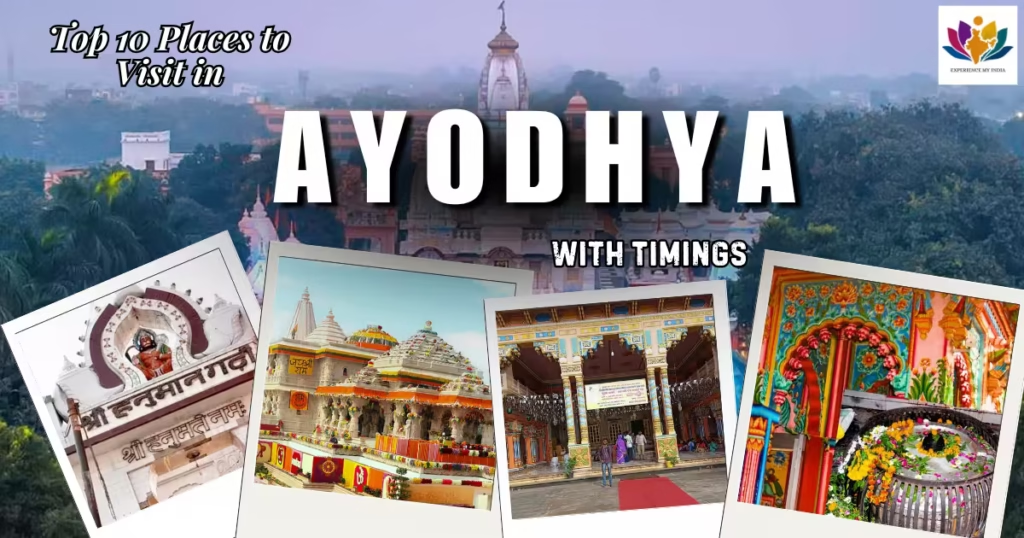

Most people arrive here with a list already forming in their head. Ram Janmabhoomi. Hanuman Garhi. Aarti. A quick round, maybe a photo or two, and then on to the next destination. But that version of Ayodhya always feels unfinished. Not because you missed a temple, but because you didn’t give the city enough time to settle into you.
In my experience, an ayodhya sightseeing itinerary works only when it respects how the city moves. Ayodhya is not loud. It doesn’t overwhelm you. It slows you down quietly, sometimes without you realising it. The lanes are calmer than you expect. Even the crowds feel restrained, guided, and purposeful. If you rush, the visit feels mechanical. If you slow down, Ayodhya begins to make sense.
This guide is written the way I would explain Ayodhya to someone walking beside me. Not as a checklist, but as a flow. What to see, yes, but more importantly, when, how, and in what state of mind.
Table of Contents
ToggleAbout Ayodhya Before You Start Sightseeing
Ayodhya is not a city that reveals itself through landmarks alone.
It reveals itself through pauses.
People often underestimate how emotionally grounding Ayodhya feels. There’s an order here. Structure. A sense that things are meant to be done patiently. Even during busy periods, the city doesn’t feel chaotic in the way many pilgrimage towns do.
Understanding this changes how you plan your Ayodhya sightseeing itinerary. You stop trying to fit everything into one long day. You begin to spread the experience out. Morning darshan. Afternoon rest. Evenings for quiet walking rather than more temples.
That balance is what keeps the visit meaningful rather than tiring.
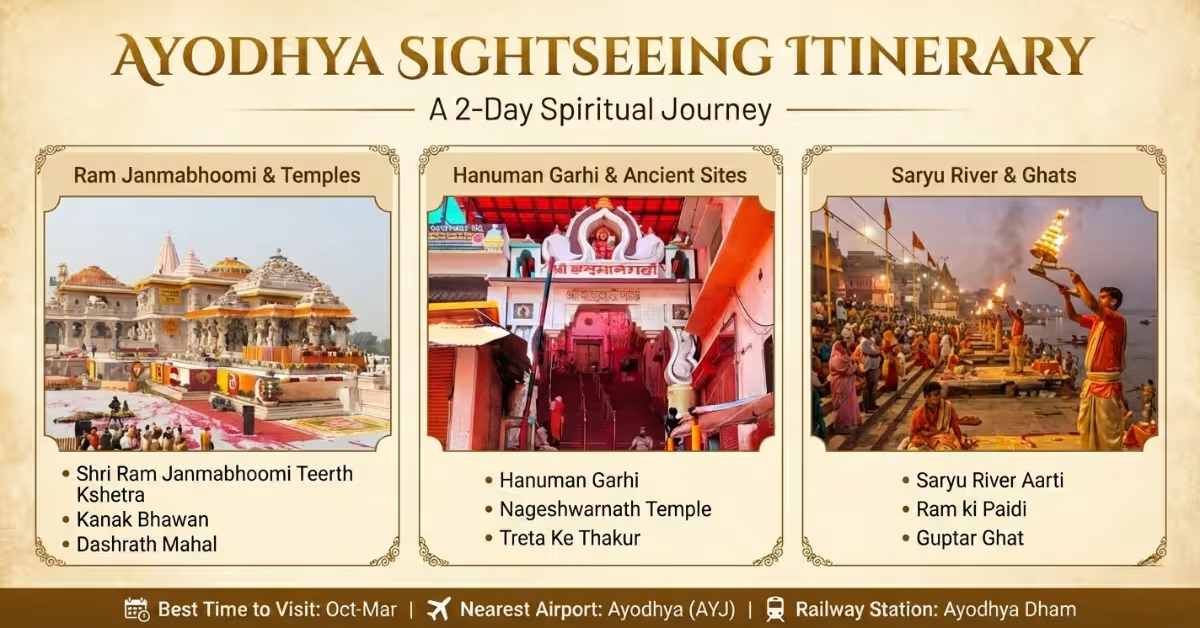
Ayodhya Sightseeing Itinerary (Best Done Over 2 Calm Days)
This itinerary assumes you want to experience Ayodhya properly, not just visit it.
Day 1: Ram Janmabhoomi and the Heart of Ayodhya
Morning: Ram Janmabhoomi Darshan
Start early. Not because it’s fashionable advice, but because the atmosphere is genuinely different.
- Entry is heavily regulated
- Security checks are strict but organised
- Waiting is unavoidable, but movement is disciplined
Crowd reality:
Heavy crowds throughout the day, slightly calmer before mid-morning.
Local Guide Tip: Carry only essentials. Footwear, phone restrictions, and security queues move faster when you’re light.
Inside, the experience is brief. But most people notice the same thing — the noise drops, even with thousands around. That quiet stays with you longer than the darshan itself.
Late Morning: Hanuman Garhi
From Ram Janmabhoomi, Hanuman Garhi follows naturally.
- The climb looks demanding but feels manageable
- Darshan time is shorter
- The atmosphere feels emotionally steady
This temple often surprises first-time visitors. Many say this is where the visit begins to feel complete.
Afternoon: Rest and Recovery
Ayodhya sightseeing is more tiring than it looks. Walking, standing, and emotional intensity build slowly.
Have lunch nearby. Return to the hotel. Rest.
Local Guide Tip: Don’t skip this break. People who do usually feel drained by evening.
Evening: Kanak Bhawan and Temple Corridors
Kanak Bhawan works best in the evening.
- Crowds are lighter
- Families linger
- The mood is calm
After darshan, walk slowly through the nearby temple corridors. No plan. No hurry. Ayodhya evenings are meant for wandering.
Day 2: Old Ayodhya, River Calm, and Closure
Morning: Nageshwarnath Temple
Often overlooked, but important.
- Crowds are manageable
- Locals visit quietly
- Best done early
This temple adds depth to your ayodhya sightseeing itinerary without adding pressure.
Late Morning: Old Ayodhya Lanes
Walk through older residential lanes.
- Flower sellers
- Small shrines
- Tea stalls
Nothing dramatic happens here. And that’s the point. This is Ayodhya in its natural state.
Afternoon: Lunch and Light Rest
Even a short rest helps reset energy before the evening.
Evening: Saryu River and Ghats
End your sightseeing by the river.
- Walk along the Saryu
- Sit without agenda
- Watch people, not rituals
This is where many travellers feel the journey settles inside them.
Local Guide Tip: Ayodhya closes earlier than expected. Finish temple visits before sunset and keep the evening unstructured.
Key Places Covered in This Ayodhya Sightseeing Itinerary
- Shri Ram Janmabhoomi Temple
- Hanuman Garhi
- Kanak Bhawan
- Nageshwarnath Temple
- Saryu River Ghats
Each place has a different crowd rhythm. Mixing them randomly often leads to unnecessary waiting.
Best Time to Plan Ayodhya Sightseeing
- October to March: Most comfortable weather
- April to June: Hot, but less crowded
- Monsoon months: Slower movement, calmer atmosphere
Festival days bring energy, but also require patience and advance planning.
Festival Celebrations Worth Knowing About
- Ram Navami: Extremely crowded, spiritually intense
- Diwali: Devotional, visually calm rather than loud
Festivals deepen the experience, but only if expectations are realistic.
Safety and Practical Tips Based on Ground Reality
- Keep identity proof accessible
- Dress modestly and comfortably
- Avoid large bags near temple complexes
- Stay hydrated even in winter
- Follow temple and police instructions strictly
Ayodhya is safe, but structure matters.
How to Reach Ayodhya
By Air
Ayodhya Airport is operational. Lucknow remains a strong backup with road transfer.
By Train
Well-connected from major cities. Book early during festival seasons.
By Road
Suitable for regional travel. Expect slower movement during peak days.
Planning Support Partner
Many travellers underestimate how emotionally tiring this circuit can be. Managing temple timings, crowd surges, and intercity transfers on your own often distracts from the spiritual purpose.
As a planning support partner, Ayodhya Varanasi Tourism helps travellers move through this yatra calmly. Not by overloading schedules, but by understanding when to pause, when to move, and when to simply wait. That quiet planning makes the journey feel complete rather than exhausting.
Contact Ayodhya Varanasi Tourism Today:
Call Us: +91 7300620809
WhatsApp Us: +91 7300620809
Visit Our Website: Ayodhya Varanasi Tourism
Email: ayodhyavaranasitourism@gmail.com
FAQs – Ayodhya Sightseeing Itinerary
Two days work best for most travellers. One day feels rushed, while two allow time for darshan, rest, and quiet exploration.
Yes, waiting is unavoidable. However, the process is organised and moves steadily, especially in early hours.
Yes, if paced gently. Early darshan, nearby hotels, and afternoon rest make the visit manageable.
Crowds are present year-round but controlled. Festival days are significantly busier.
No. Most temples restrict phones and cameras. Follow instructions carefully to avoid delays.
Clean, centrally located hotels near temple zones are more practical than luxury properties far away.
Yes. Its calm structure and disciplined movement make it easier to handle emotionally than many pilgrimage cities.
Often yes. Many travellers pair Ayodhya with Varanasi, but Ayodhya itself deserves unhurried time.
Moderately. Walking and queues are involved, but no extreme strain if breaks are planned properly.
Patience. The city responds better when you stop trying to control the experience.
Conclusion
An ayodhya sightseeing itinerary works best when it’s built around restraint, not ambition. Ayodhya doesn’t reward speed or efficiency. It responds to patience. When you allow time for darshan, rest, and quiet movement, the city does something subtle. It steadies you.
You may not remember every temple in detail.
But you’ll remember how calm you felt walking its lanes.
And in Ayodhya, that calm is the real offering.