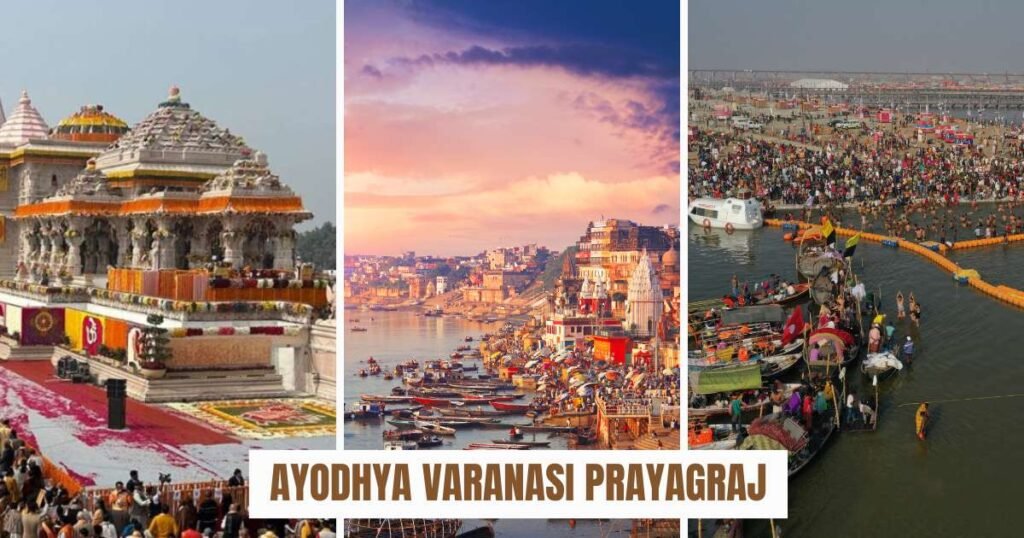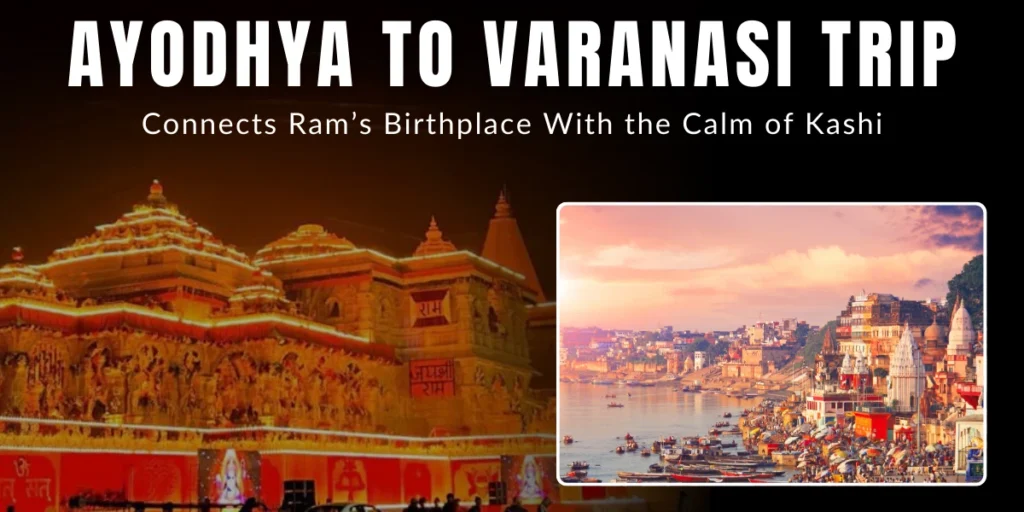


Some journeys are sightseeing trips. Others feel like conversations with history. An Ayodhya Varanasi Bodh Gaya Tour Package falls into the second category. You move from the birthplace of Lord Ram to the eternal ghats of Kashi, and then to the silent Bodhi Tree where Gautam Buddha attained enlightenment. Three cities. Three spiritual energies. One continuous thread of faith.
But here’s the honest part — combining all three in one pilgrimage isn’t just about booking hotels and transport. Timing matters. Distance matters. Emotional pace matters. If rushed, it becomes exhausting. If balanced, it becomes unforgettable.
Let’s walk through a realistic Ayodhya Varanasi Bodh Gaya itinerary plan that feels structured yet humane.
Why Combine These Three Sacred Cities?
At first glance, Ayodhya, Varanasi, and Bodh Gaya seem spiritually different. However, when you look closely, they share something powerful — each city represents awakening.
- Ayodhya stands for devotion and dharma.
- Varanasi represents liberation and continuity.
- Bodh Gaya symbolizes enlightenment and silence.
An Ayodhya Varanasi Bodh Gaya pilgrimage tour therefore creates a journey that moves from devotion to realization.
And honestly, doing them together makes deeper sense than visiting randomly across years.
Day 1 & 2 – Ayodhya: The Beginning of Faith
Start your journey in Ayodhya. Arrive by afternoon and settle into your hotel before evening darshan.
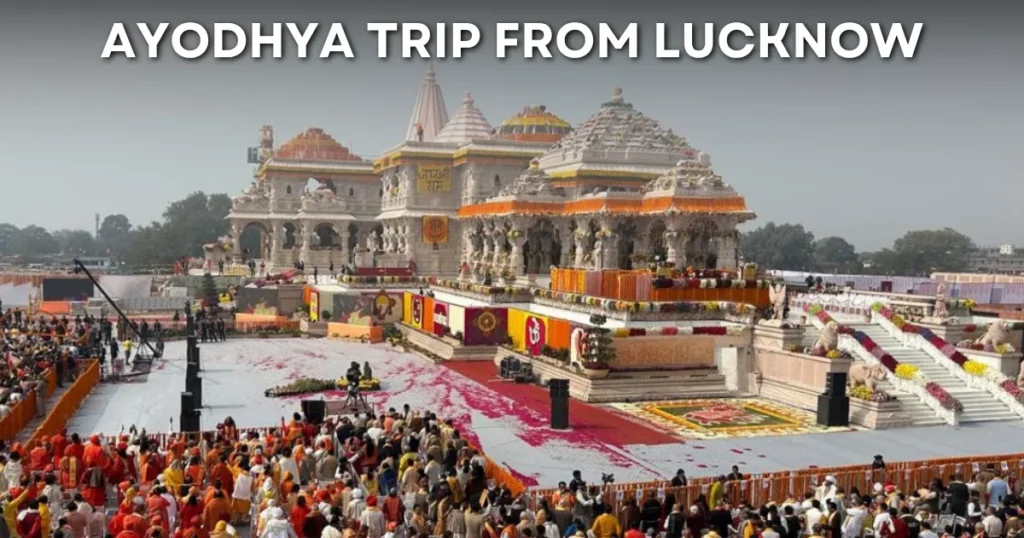
Ram Janmabhoomi Temple Visit
The emotional anchor of the Ram Mandir Kashi Bodh Gaya package begins here.
- Reach early morning for smoother entry.
- Security is strict, so carry minimal belongings.
- Expect waiting during weekends.
The atmosphere inside feels different from outside noise. Even if crowd is present, the energy feels focused.
Hanuman Garhi
After Ram Mandir, walk toward Hanuman Garhi.
- Slight climb of steps.
- Devotional chants echo in courtyard.
- Good vantage point of city.
Take your time. Don’t rush to “cover” temples.
Evening Sarayu Aarti
End your day at Sarayu River.
- Reach before sunset.
- Sit near the ghat quietly.
- Watch lamps float over water.
These moments define the soul of an Ayodhya Varanasi Bodh Gaya Tour Package.
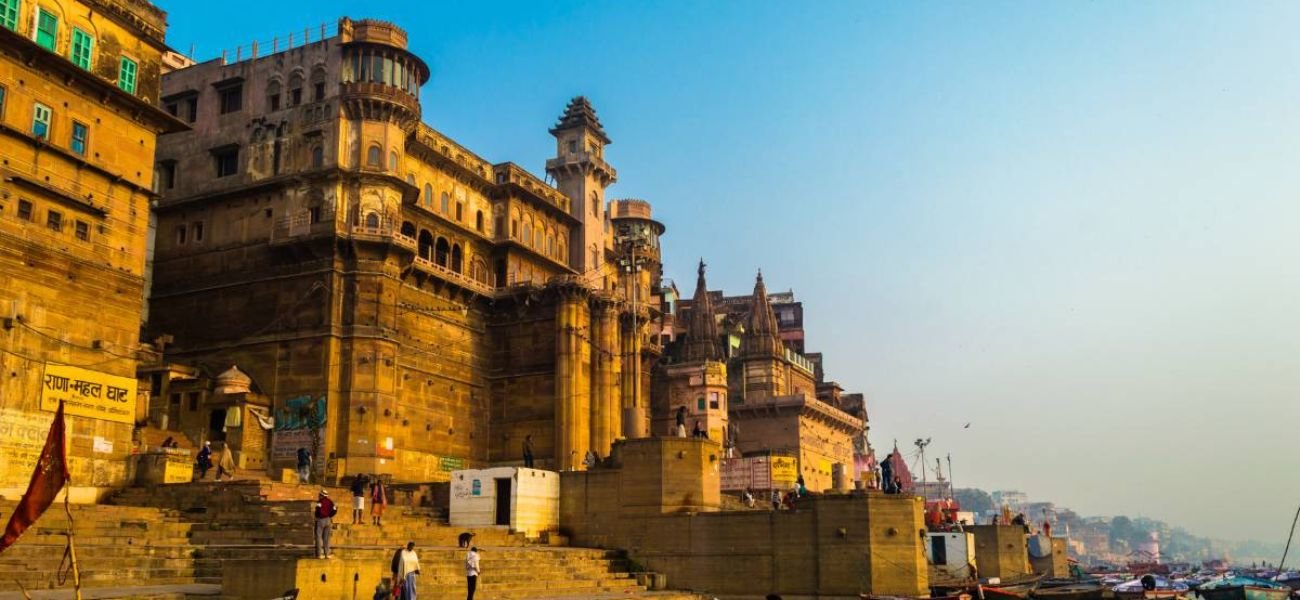
Day 3 & 4 – Varanasi: The City That Never Sleeps
Travel from Ayodhya to Varanasi by road or train. Approx 4–5 hours depending on route.
Varanasi feels different immediately. The lanes narrow. The air thickens with incense and history.
Kashi Vishwanath Temple
Plan early morning darshan.
- Reach before 7:00 AM.
- Security scanning mandatory.
- Mobile restrictions apply.
The temple corridor now makes entry smoother, yet crowd fluctuates heavily during Mondays and festivals.
Dashashwamedh Ghat – Ganga Aarti
Evening Ganga Aarti is non-negotiable in your Ayodhya Varanasi Bodh Gaya itinerary plan.
- Reach 45–60 minutes early.
- Boat view offers unique perspective.
- Sound of synchronized chants creates goosebumps.
However, avoid last-minute arrival. It becomes chaotic.
Sarnath Visit
Next morning, drive to Sarnath.
- Peaceful contrast to crowded ghats.
- Dhamek Stupa and archaeological remains.
- Calm walking environment.
Varanasi completes the devotional aspect of your pilgrimage.

Day 5 – Bodh Gaya: Silence After Sound
The shift from Varanasi to Bodh Gaya feels subtle but noticeable. Noise reduces. Pace slows.
Mahabodhi Temple
At the heart of the Ayodhya Varanasi Bodh Gaya Tour Package lies the Bodhi Tree.
- Early morning visit recommended.
- International monks chanting softly.
- Sit for at least 20–30 minutes.
There’s no rush here. Silence becomes part of the experience.
Monasteries Around Town
Different countries have built monasteries:
- Thai Monastery
- Japanese Temple
- Tibetan Monastery
Each adds architectural and cultural diversity.
Unlike Ayodhya or Varanasi, Bodh Gaya invites stillness.
Travel Flow and Distance Reality
Distance between cities:
- Ayodhya to Varanasi: Approx 220 km
- Varanasi to Bodh Gaya: Approx 250 km
Therefore, your Ayodhya Varanasi Bodh Gaya pilgrimage tour must allocate travel time realistically. Avoid squeezing two transfers into one day.
Best Time to Visit
Weather affects pilgrimage comfort deeply.
- October to March: Ideal. Pleasant mornings.
- April to June: Very hot afternoons.
- Monsoon: Green surroundings but humid.
If possible, avoid peak summer.
Festival timing changes crowd:
- Ram Navami in Ayodhya.
- Dev Deepawali in Varanasi.
- Buddha Purnima in Bodh Gaya.
During these periods, book early.
Local Guide Tip
Avoid scheduling three major darshans in one day. Emotional fatigue is real, especially in crowded temple environments.
What Makes This Package Balanced?
A good Ayodhya Varanasi Bodh Gaya itinerary plan:
- Allocates two days to Ayodhya and Varanasi each.
- Leaves buffer during transfers.
- Avoids overloading sightseeing.
- Aligns darshan windows properly.
Pilgrimage isn’t a race.
Planning Support Partner
Coordinating temple entry timing, hotel proximity to ghats, and realistic transfer planning between cities is essential in an Ayodhya Varanasi Bodh Gaya Tour Package. Ayodhya Varanasi Tourism structures the Ram Mandir Kashi Bodh Gaya package with practical route sequencing, season-based scheduling, and temple-aligned movement planning. When transport, darshan windows, and rest periods are pre-arranged, the journey feels spiritual rather than tiring.
Contact Ayodhya Varanasi Tourism Today:
Call Us: +91 7300620809
WhatsApp Us: +91 7300620809
Visit Our Website: Ayodhya Varanasi Tourism
Email: ayodhyavaranasitourism@ayodhyavaranasitourismgmail-com
Ayodhya Varanasi Tourism is a Unit of Experience My India
Experience My India Trip Advisor Review
How to Reach
🚗 By Car
- Flexible travel between cities.
- Ideal for family pilgrimage.
- Requires realistic rest stops.
Road journey gives control but demands stamina.
🚆 By Train
- Ayodhya and Varanasi well connected.
- Gaya Junction serves Bodh Gaya.
- Budget-friendly option.
However, schedule coordination is important.
✈️ By Air
- Ayodhya Airport (limited flights).
- Lal Bahadur Shastri Airport (Varanasi).
- Gaya Airport (seasonal international flights).
Flight reduces travel time significantly, especially for older pilgrims.
FAQs – Ayodhya Varanasi Bodh Gaya Tour Package
A minimum of 5 to 6 days is ideal. This allows proper darshan in Ayodhya, Ganga Aarti and temple visits in Varanasi, and peaceful time at Mahabodhi Temple in Bodh Gaya without rushing.
Most packages include hotel stay, temple darshan assistance, local sightseeing, and intercity transfers. Some plans also include guided visits to Ram Mandir, Kashi Vishwanath Temple, and Mahabodhi Temple.
Ayodhya to Varanasi is approximately 220 km, and Varanasi to Bodh Gaya is around 250 km. Travel time by road usually takes 4–6 hours depending on traffic.
Yes, but it is important to keep rest intervals between city transfers. Choosing hotels near main temple areas reduces walking fatigue.
October to March is the most comfortable season due to pleasant weather. During major festivals, early booking is strongly recommended.
Yes, most travel planners allow customization. You can extend stay in Varanasi or Bodh Gaya depending on personal preference and spiritual interest.
Yes, most Ayodhya Varanasi Bodh Gaya pilgrimage tour plans include evening Ganga Aarti at Dashashwamedh Ghat as a key highlight.
Varanasi and Gaya have operational airports. Ayodhya also has limited flight connectivity. Many travelers combine flight and road travel for convenience.
For smoother darshan, it is advisable to reach major temples like Ram Mandir and Kashi Vishwanath before 7:00 AM, especially on weekends.
Yes, if the itinerary is balanced and not rushed. A well-structured Ayodhya Varanasi Bodh Gaya Tour Package allows you to experience devotion, tradition, and reflection comfortably within a single journey.
Conclusion
An Ayodhya Varanasi Bodh Gaya Tour Package is not just a multi-city trip. It’s a spiritual arc — devotion in Ayodhya, surrender in Varanasi, and reflection in Bodh Gaya. When paced properly, the journey unfolds gently rather than aggressively. Give each city its own breathing space, respect travel distances, and align darshan timings thoughtfully. Somewhere between the Sarayu, the Ganga, and the Bodhi Tree, the pilgrimage stops feeling like a schedule and starts feeling personal.