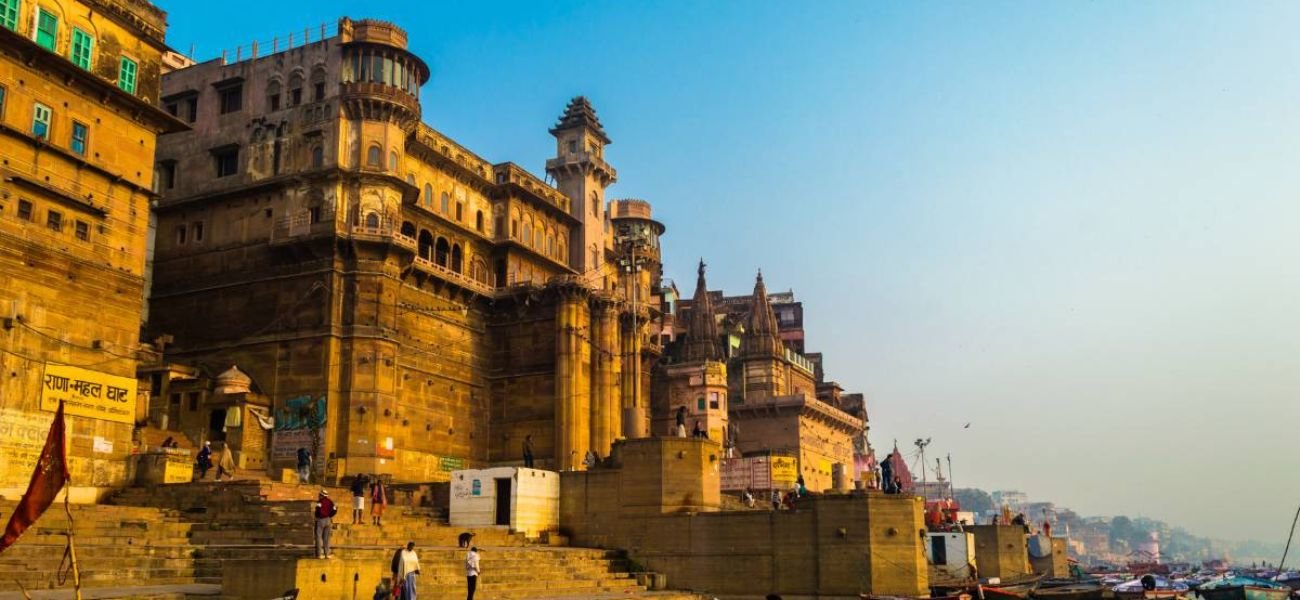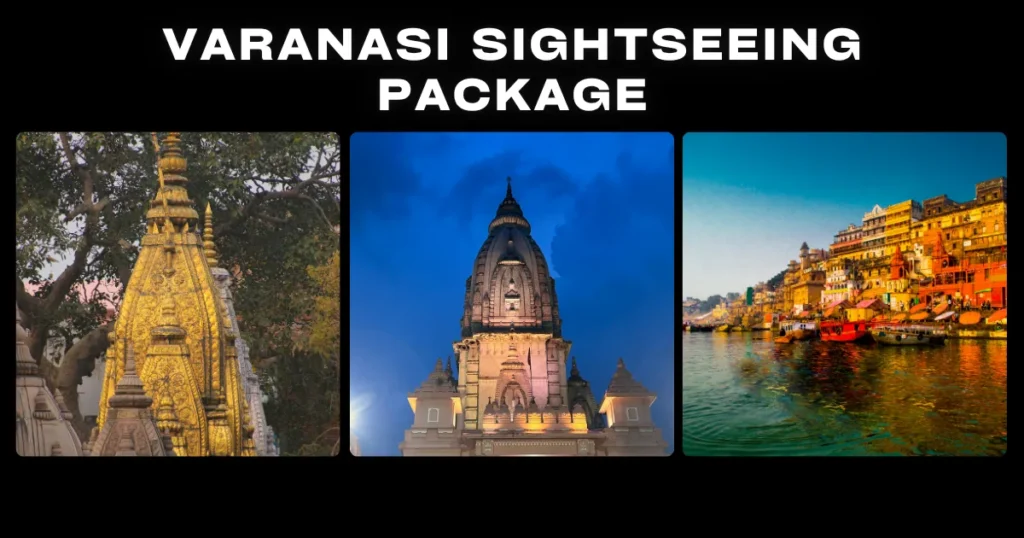


There’s something strangely calming about visiting the ancient spiritual cities of Varanasi, Ayodhya, and Prayagraj in one journey. Maybe it’s the sound of temple bells before sunrise in Kashi, or the quiet feeling people get while sitting near the Sangam Ghat during evening hours. A lot of travelers think this trip is only for older pilgrims, but honestly, that’s no longer true. Families with children, young couples and even solo travelers are now choosing the Varanasi Ayodhya Allahabad Tour Package because it combines spirituality, history, river culture, local food and meaningful experiences in one route.
The interesting part is that these cities feel completely different from each other despite being connected spiritually. Varanasi feels ancient and intense, Ayodhya feels emotionally peaceful after the construction of Shri Ram Mandir, while Prayagraj carries a quieter spiritual energy around the Triveni Sangam. Most people don’t realize this before the trip. They expect “just temples,” but the experience becomes far more personal once they actually travel through these cities slowly instead of rushing through darshan queues.
Table of Contents
ToggleQuick Overview of the Tour
| Details | Information |
| Tour Name | Varanasi Ayodhya Allahabad Tour Package |
| Ideal Duration | 5 Days / 4 Nights |
| Best Months | October to March |
| Main Destinations | Varanasi, Ayodhya, Prayagraj |
| Famous Experiences | Ganga Aarti, Ram Mandir Darshan, Sangam Boat Ride |
| Suitable For | Families, senior citizens, couples, spiritual travelers |
| Kid-Friendly Places | Sarnath, Ramnagar Fort, Sangam Boat Area |
| Approx Road Distance | Varanasi to Prayagraj – 120 km, Prayagraj to Ayodhya – 170 km |
| Nearest Airport | Lal Bahadur Shastri Airport, Varanasi |
| Main Railway Stations | Varanasi Junction, Prayagraj Junction, Ayodhya Dham |
Why This Spiritual Circuit Feels Different From Other Pilgrimage Trips
A lot of pilgrimage routes become exhausting because travelers try covering too much in very little time. This route feels more balanced. The roads between these cities are comparatively smoother now, and because the destinations are culturally connected, the journey never feels disconnected.
One thing many families appreciate during the Ayodhya Varanasi Prayagraj pilgrimage tour is that every city offers a completely different atmosphere. In Varanasi, mornings begin with chanting near the ghats. In Ayodhya, people walk slowly around temple streets even late at night because the atmosphere feels safe and devotional. Then suddenly, in Prayagraj, the open riverbanks near the Sangam make everything feel calmer and less crowded.
Children usually enjoy the boat rides more than expected. That surprises many parents because they assume kids may get bored during temple visits. In reality, places like Dashashwamedh Ghat, Sarnath, and the Sangam area become memorable for families.
A Realistic 5-Day Travel Flow Most Pilgrims Prefer
Day 1 – Arrival in Varanasi and Evening Ganga Aarti
Most travelers arrive in Varanasi either by morning train or afternoon flight. It’s usually better not to overload the first day because traffic around the old city can become tiring, especially during weekends and festival periods.
Main experiences people usually cover:
- Check-in near Godowlia, Assi Ghat, or Cantt Area
- Visit Kashi Vishwanath Temple
- Walk through old temple lanes
- Taste local snacks near Kachori Gali
- Attend evening Ganga Aarti at Dashashwamedh Ghat
A small observation people often notice only after reaching there: the old lanes are much narrower than expected. Comfortable footwear genuinely matters here.
Day 2 – Exploring the Soul of Kashi Beyond Temples
The second day usually feels slower and more immersive. Travelers who wake up early for sunrise boat rides often say this becomes the emotional highlight of the entire Kashi Ayodhya Sangam Yatra package.
Places generally covered:
- Early morning boat ride on River Ganga
- Visit to Assi Ghat
- Sankat Mochan Hanuman Temple
- Banaras Hindu University
- Sarnath Buddhist Site
- Local silk shopping areas
| Attraction | Approx Time Needed |
| Sunrise Boat Ride | 1 Hour |
| Kashi Vishwanath Temple | 2–3 Hours |
| Sarnath | 2 Hours |
| BHU Campus Visit | 45 Minutes |
One thing travelers usually underestimate is the crowd near Kashi Vishwanath Corridor after 10 AM. Early morning darshan saves both time and energy.
Day 3 – Prayagraj Sangam Experience
The road journey from Varanasi to Prayagraj takes around 3 to 4 hours depending on traffic movement near city entry points. This day feels less chaotic compared to Varanasi.
Important places included in most Spiritual tour package for Varanasi Ayodhya and Prayagraj plans:
- Triveni Sangam
- Boat ride to Sangam point
- Hanuman Mandir
- Anand Bhavan
- Allahabad Fort outer area
| Important Spot | Approx Entry/Boat Cost |
| Sangam Boat Ride | ₹100–₹400 |
| Anand Bhavan | ₹30–₹50 |
| Local Auto Travel | ₹200–₹500 |
There’s a quiet moment many people experience during the Sangam boat ride. Even those who aren’t deeply religious tend to sit silently once the boat reaches the confluence point. Maybe it’s the openness of the river space. Maybe it’s the atmosphere. Hard to explain properly unless someone experiences it themselves.
Day 4 – Ayodhya and the Emotional Ram Mandir Experience
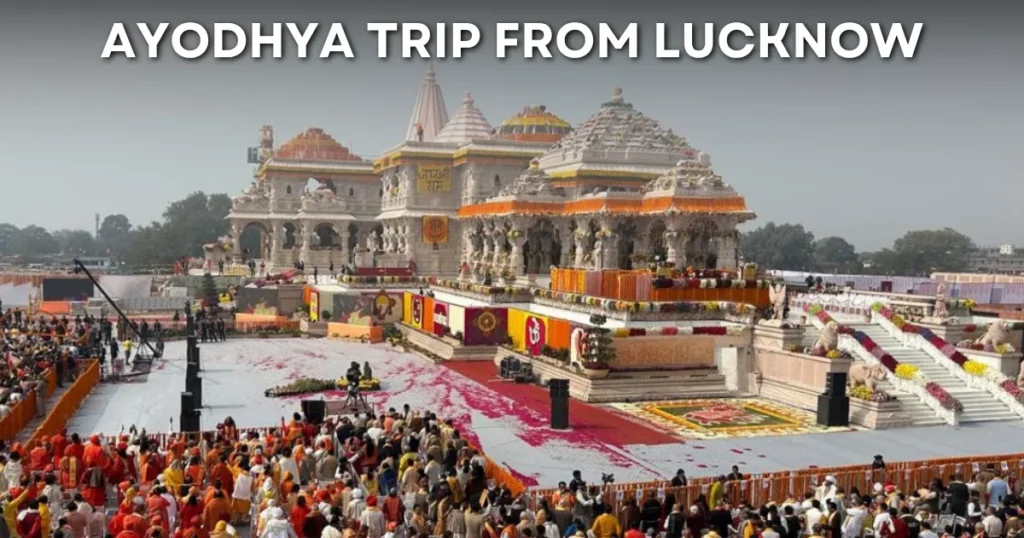
This is usually the most anticipated part of the Varanasi Ayodhya Allahabad Tour Package. Since the opening of the grand Shri Ram Janmabhoomi Mandir, the city has changed rapidly. Roads are cleaner, security is tighter and tourism infrastructure is expanding continuously.
Places normally covered:
- Ram Mandir
- Hanuman Garhi
- Kanak Bhawan
- Saryu Ghat
- Evening Saryu Aarti
| Temple | Suggested Visit Timing |
| Ram Mandir | Early Morning |
| Hanuman Garhi | Before Noon |
| Kanak Bhawan | Afternoon |
| Saryu Aarti | Sunset Time |
Many travelers expect Ayodhya to feel extremely commercial now. Surprisingly, several parts of the city still feel emotionally simple and devotional, especially during early morning hours.
Day 5 – Departure With a Slower State of Mind
This last day is usually reserved for local shopping, relaxed breakfast, and departure. Some people leave from Ayodhya Airport, while others return to Lucknow or Varanasi depending on flight availability.
A lot of travelers say the trip changes pace mentally. Not dramatically. Just enough to notice things differently for a few days afterward.
Best Time to Plan This Journey
| Month | Travel Experience |
| October to November | Pleasant weather, festive atmosphere |
| December to February | Best for sightseeing and temple visits |
| March | Slightly warm but manageable |
| April to June | Hot afternoons, tiring travel |
| July to September | Rainy season, occasional waterlogging |
If possible, avoid long weekends unless crowd movement doesn’t bother you. Temple queues during major festivals can easily stretch for hours.
Important Crowd & Travel Reality Most Blogs Don’t Explain
This part honestly matters more than fancy itineraries.
- Varanasi old city roads become extremely crowded after breakfast hours.
- Ayodhya temple security checks take time. Carry minimal bags.
- In Prayagraj, afternoons feel hotter because of open river areas.
- Local autos sometimes avoid narrow temple lanes during peak rush.
- During Ram Navami, Dev Deepawali, and Magh Mela, hotel prices rise sharply.
Families with older members should ideally keep flexible temple timing instead of trying to cover everything mechanically.
Kid-Friendly Places During the Tour
Parents often assume spiritual tours may feel boring for children, but these places usually work surprisingly well:
- Sarnath Museum and Gardens
- Evening boat rides in Varanasi
- Open Sangam river area in Prayagraj
- Lighted ghats during evening hours
- Local sweet shops near temple streets
Children usually enjoy observing rituals, boats, monkeys near temples, and street activity more than expected.
Estimated Budget for the Journey
| Category | Budget Range (Per Person) |
| Budget Tour | ₹10,000 – ₹15,000 |
| Mid-Range Tour | ₹18,000 – ₹28,000 |
| Premium Stay & Travel | ₹35,000+ |
This generally includes:
- Hotel stays
- Intercity transport
- Basic sightseeing
- Temple visits
- Pickup and drop support
Food costs stay relatively affordable across all three cities.
Planning Support Partner
Traveling across Varanasi, Ayodhya and Prayagraj sounds simple on paper, but timing management, hotel location, temple access routes and crowd handling make a huge difference during the actual trip. Many travelers now prefer taking guidance from Ayodhya Varanasi Tourism because practical planning matters more than luxury during a spiritual circuit. Small things like choosing hotels near temple access roads or avoiding peak darshan timing can genuinely change the entire experience for families and older travelers.
Contact Ayodhya Varanasi Tourism Today:
Call Us: +91 7300620809
WhatsApp Us: +91 7300620809
Visit Our Website: Ayodhya Varanasi Tourism
Email: ayodhyavaranasitourism@gmail.com
How to Reach
By Air
- Varanasi Airport (Lal Bahadur Shastri Airport) has good connectivity from major Indian cities.
- Ayodhya Maharishi Valmiki International Airport is now operational for selected routes.
- Prayagraj Airport also handles domestic flights.
By Train
Important railway stations:
- Varanasi Junction
- Prayagraj Junction
- Ayodhya Dham Junction
Train connectivity from Delhi, Mumbai, Kolkata, Ahmedabad, and Lucknow is quite strong.
By Car
Road journeys between these cities have improved significantly.
Approx distances:
- Varanasi to Prayagraj – 120 km
- Prayagraj to Ayodhya – 170 km
- Varanasi to Ayodhya – 220 km
Private cabs remain the most comfortable option for families.
Conclusion
Maybe that’s why this journey stays in people’s memories longer than expected. Not because every moment feels extraordinary, but because somewhere between the temple chants in Varanasi, the quiet river winds at the Sangam and the evening prayers in Ayodhya, life slows down just enough for people to actually notice where they are standing. And honestly, that feeling has become rare now.
FAQs – about Varanasi Ayodhya Allahabad Tour Package
For a comfortable and meaningful journey, 5 Days and 4 Nights are usually considered ideal. This duration gives enough time for Kashi Vishwanath Temple darshan, Ganga Aarti, Triveni Sangam visit and proper exploration of Ram Mandir in Ayodhya without making the trip feel rushed. Some travelers try finishing it in 3 days but honestly, that often becomes tiring, especially for families and older pilgrims.
The most comfortable period is between October and March because the weather stays pleasant for temple visits and road travel. Winters also make early morning boat rides in Varanasi and evening visits to Saryu Ghat more enjoyable. However, during festivals like Dev Deepawali, Ram Navami and Magh Mela, the crowd becomes significantly higher, so advance booking becomes important.
Yes, many families specifically choose this route for older parents and grandparents. Still, travelers should remember that places like Varanasi old city lanes involve walking through crowded and narrow streets. It’s usually better to keep flexible schedules, avoid afternoon rush hours and stay near temple access roads whenever possible.
The tour generally includes major spiritual and sightseeing locations such as Kashi Vishwanath Temple, Dashashwamedh Ghat, Sarnath, Triveni Sangam, Hanuman Mandir Prayagraj, Ram Janmabhoomi Mandir, Hanuman Garhi and Kanak Bhawan. Depending on the itinerary, some packages also include local markets and evening aarti experiences.
A normal mid-range package usually costs between ₹18,000 and ₹28,000 per person, depending on hotel category, transportation type and travel season. Budget travelers may complete the trip at lower costs, while premium stays and private cab services naturally increase the overall pricing.
Surprisingly, yes. Many parents initially think children may get bored during temple visits, but places like boat rides in Varanasi, the open Sangam area and evening ghat activities keep them engaged. Locations such as Sarnath and local food streets also make the journey more interesting for younger travelers.
Most travelers prefer starting from Varanasi because flight and train connectivity are better there. The spiritual flow of the journey also feels smoother when starting with Kashi, then moving toward Prayagraj, and finally ending in Ayodhya.
Yes, local transport is widely available, including autos, e-rickshaws, taxis, and private cabs. However, during peak crowd hours near temples, large vehicles may not enter narrow lanes. This is especially noticeable around Kashi Vishwanath Corridor and Ram Mandir areas, where walking becomes unavoidable for short distances.
For regular months, booking 2–3 weeks in advance is usually fine. But during major festivals and long weekends, hotels near temple areas fill up quickly. In places like Ayodhya, room prices can increase sharply during high-demand periods after festival announcements or major religious events.
Many pilgrims now prefer support from Ayodhya Varanasi Tourism because practical travel coordination matters a lot during this circuit. Things like choosing the right hotel location, managing darshan timings, arranging comfortable intercity transfers, and avoiding unnecessary crowd pressure can make the journey far more relaxed and meaningful, especially for families traveling together.