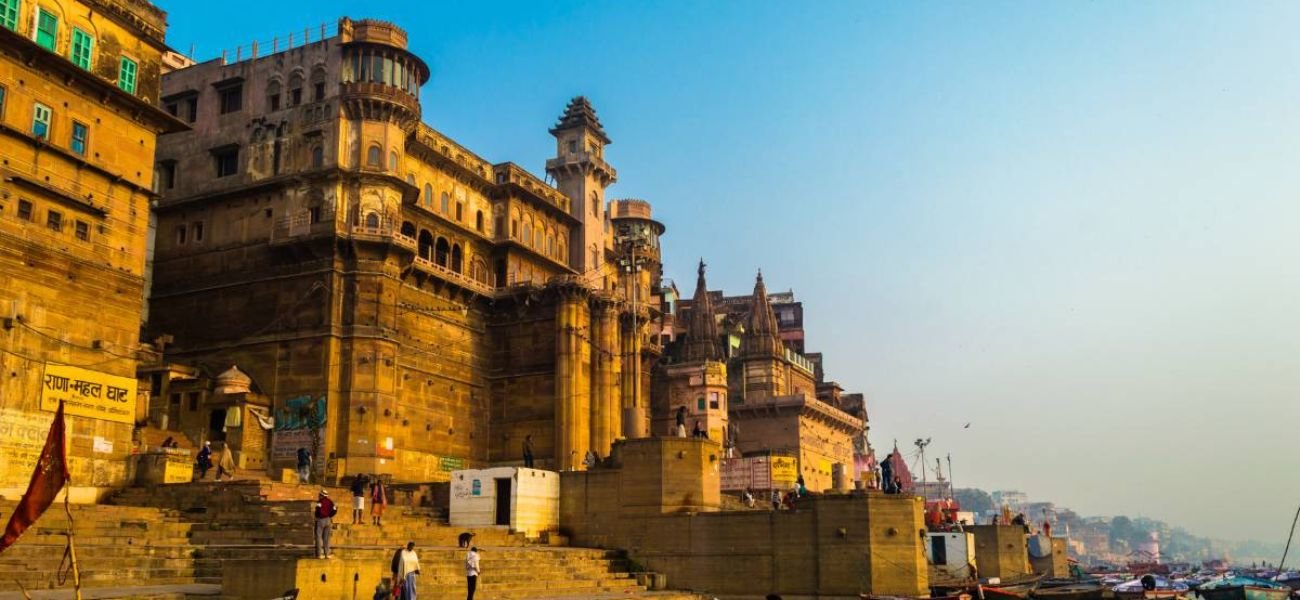


There’s something about Varanasi that doesn’t behave like a normal city. You don’t just “visit” it. You step into it, and slowly, it starts revealing itself-lane by lane, ghat by ghat, ritual by ritual. And if you only have two days, you might wonder. Is that even enough?
Honestly, yes and no.
Two days in Varanasi won’t let you “cover everything,” but if planned right, it gives you a surprisingly deep experience-one that stays with you longer than trips twice as long elsewhere. This Varanasi Itinerary is built exactly for that-real pace, real movement, and zero rushing through sacred moments just to tick boxes.
Table of Contents
ToggleQuick Snapshot of Your 2 Days in Varanasi
| Day | Focus | Key Highlights |
| Day 1 | Spiritual Core | Kashi Vishwanath Temple, Dashashwamedh Ghat, Ganga Aarti, Old City Walk |
| Day 2 | Culture + Depth | Sunrise Boat Ride, Assi Ghat, Sarnath, Local Food Exploration |
Day 1: First Feel of Varanasi – Temples, Ghats & That Evening Aarti
The first day in Varanasi Itinerary isn’t about doing too much. It’s about adjusting your senses. The city is dense, layered and honestly a little chaotic at first-but that’s part of its rhythm.
Morning: Arrival + Slow Entry into the Old City
Most people reach Varanasi either early in the morning or by noon. Don’t rush straight into temples. Instead, give yourself a bit of breathing space.
- Check-in at your hotel near Godowlia or Assi Ghat (better connectivity)
- Freshen up and have a light breakfast-nothing heavy
- Start moving toward the old city lanes around Vishwanath Gali
You’ll notice something here-Google Maps stops making sense after a point. Narrow lanes, sudden turns, small shrines at every corner. And that’s where the real city begins.
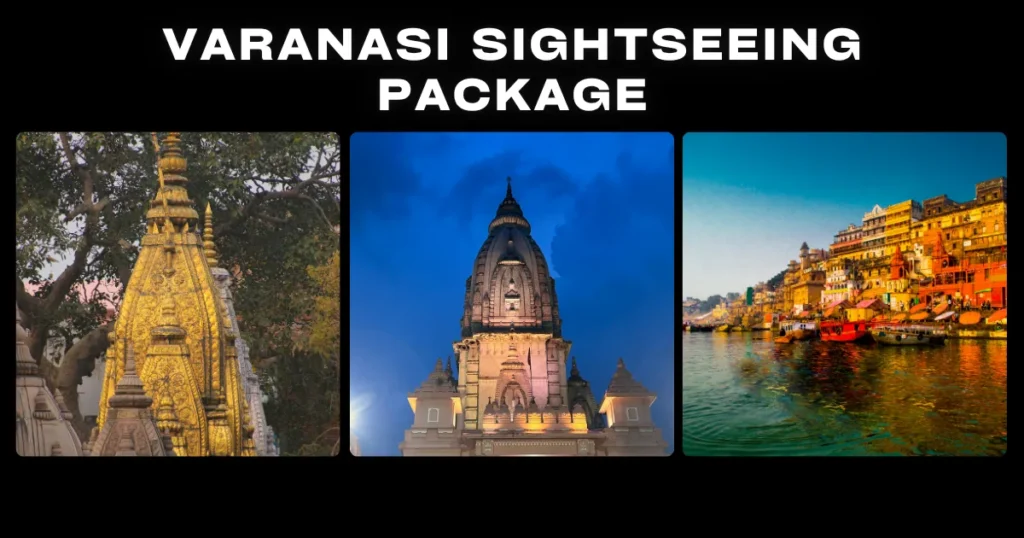
Midday: Kashi Vishwanath Temple Darshan
This is the spiritual center of your Varanasi Itinerary.
| Detail | Information |
| Temple Name | Kashi Vishwanath Temple |
| Opening Time | 3:00 AM – 11:00 PM |
| Best Darshan Time | Morning 4:00–7:00 AM OR Afternoon 2:00–4:00 PM |
| Entry Route | Through Corridor Gate (from Ganga side) |
Try to avoid peak hours unless you’re mentally prepared for heavy crowds. Weekends and Mondays especially feel intense.
A small tip that most people miss-keep your expectations simple. The darshan is usually quick, sometimes just a few seconds. But strangely, it still feels complete.
Afternoon: Walk Down to the Ghats
After temple darshan, walk toward Dashashwamedh Ghat. Don’t take a rickshaw unless you’re tired-the walk is part of the experience.
- Observe local shops selling rudraksha, silk, and prasad
- Grab a simple lunch-try kachori sabzi or tamatar chaat
- Spend some quiet time sitting by the river
There’s no fixed “activity” here, and that’s exactly the point.
Evening: Ganga Aarti at Dashashwamedh Ghat
This is where your Varanasi 48 hours itinerary covering ghats, Ganga Aarti and local food truly comes alive.
| Detail | Information |
| Location | Dashashwamedh Ghat |
| Aarti Time | 6:30 PM – 7:30 PM (Winter) / 7:00 PM – 8:00 PM (Summer) |
| Best Spot | Steps near front OR Boat view |
Reach at least 45 minutes early. Otherwise, you’ll either stand behind or struggle to find space.
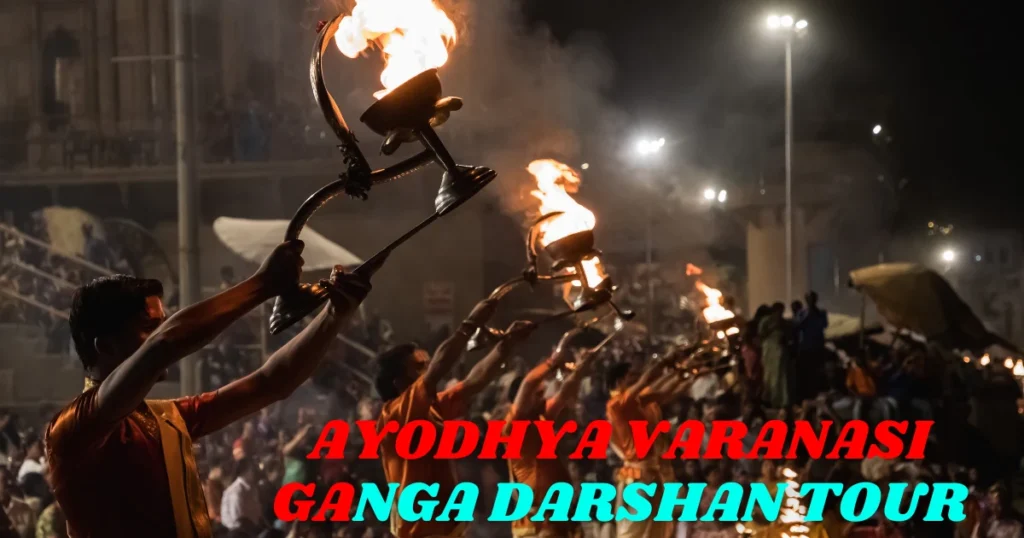
The aarti itself-it’s structured, synchronized, almost theatrical. yet deeply spiritual. The bells, chants, fire lamps-it all builds slowly, and before you realize, you’re just watching in silence.
Night: Local Food Walk
After the aarti, don’t head back immediately.
- Try Banarasi paan
- Taste rabri jalebi or malaiyyo (seasonal winter delicacy)
- Walk through the lit-up lanes-it feels completely different at night
Day 2: Sunrise, Sarnath & The Other Side of Varanasi
Day 2 of your Varanasi Itinerary is where things shift. Less crowd, more reflection.
Early Morning: Sunrise Boat Ride on Ganga
If you skip this, honestly… you miss half of Varanasi.
| Detail | Information |
| Timing | 5:30 AM – 7:00 AM |
| Starting Point | Assi Ghat or Dashashwamedh Ghat |
| Boat Cost | ₹150–₹500 per person (shared), ₹800–₹1500 (private) |
The city looks completely different at sunrise.
You’ll see:
- Priests performing rituals
- Locals taking holy dips
- Ghats slowly waking up
And somewhere between Assi Ghat to Manikarnika Ghat, there’s a moment where everything feels still. No noise. Just rivers and light.
Breakfast: Simple, Local & Filling
After the boat ride:
- Head to Assi Ghat cafes
- Try toast-butter + chai or poha
- Sit for a while—don’t rush again
Late Morning: Visit Sarnath
Now step slightly outside the chaos.
| Detail | Information |
| Distance from Varanasi | ~10 km |
| Travel Time | 25–30 minutes |
| Entry Fee | ₹40 (Indians) |
Sarnath feels completely opposite to the old city-quiet, clean, almost meditative.
Visit:
- Dhamek Stupa
- Mulagandha Kuti Vihar
- Museum (if you enjoy history)
This part adds depth to your complete 2 days Varanasi sightseeing itinerary with temple timings and routes. It balances the spiritual intensity of Day 1.
Afternoon: Return + Rest
Come back to your hotel.
Honestly, most people feel a bit drained by now-and that’s normal.
Take a short rest. Even 1-2 hours helps.
Evening: Assi Ghat + Cultural Side
Instead of repeating the same aarti, spend your last evening at Assi Ghat.
- Attend the smaller, more peaceful Ganga Aarti
- Sit by the river without crowd pressure
- Explore nearby bookstores or cafes
This side of Varanasi feels slower, more breathable.
Common Mistakes People Make (And Regret Later)
This is something I’ve noticed again and again.
- Trying to cover too many temples in one day
- Ignoring sunrise boat ride
- Reaching Ganga Aarti late
- Not keeping buffer time for traffic or crowd
- Treating it like a checklist trip
Varanasi doesn’t reward speed. It rewards patience.
Distance & Travel Overview
| Route | Distance | Time |
| Varanasi Airport to City | 25 km | 45–60 min |
| Varanasi to Sarnath | 10 km | 25–30 min |
| Assi Ghat to Dashashwamedh Ghat | 3 km | 15–20 min |
Planning Support Partner
If you’re someone who prefers not to deal with local navigation stress, temple timing confusion, or last-minute chaos, then having reliable local support helps more than you expect. Ayodhya Varanasi Tourism usually works well for structured trips like this. They help manage darshan timing, local transfers, and realistic scheduling without rushing things. Especially during peak seasons, having someone who understands crowd flow and temple access patterns can quietly make your experience smoother.
Contact Ayodhya Varanasi Tourism Today:
Call Us: +91 7300620809
WhatsApp Us: +91 7300620809
Visit Our Website: Ayodhya Varanasi Tourism
Email: ayodhyavaranasitourism@gmail.com
How to Reach Varanasi
By Air
- Nearest Airport: Lal Bahadur Shastri Airport (VNS)
- Well connected to Delhi, Mumbai, Bangalore
- Taxi cost: ₹800–₹1200 to city
By Train
- Major Station: Varanasi Junction (BSB)
- Alternative: Manduadih (BSBS)
- Direct trains from most metro cities
By Car
- From Lucknow: ~320 km (6–7 hours)
- From Prayagraj: ~120 km (3 hours)
- Roads are decent, but expect city traffic near entry
Final Thought
If you follow this Varanasi Itinerary, you’ll realize something quietly-this city isn’t trying to impress you. It doesn’t care if you “liked” it or not.
But somewhere between a crowded temple lane and a silent sunrise on the river. it leaves a thought behind.
And that thought usually stays longer than the trip itself.
Faqs for Best Varanasi Itinerary for 2 Days
Yes, two days are enough to experience the core of Varanasi if your plan is structured well. You can comfortably cover Kashi Vishwanath Temple, Ganga Aarti, sunrise boat ride and even Sarnath. However, you need to avoid overpacking your schedule because the city works on its own pace.
The most comfortable months are October to March, when the weather stays pleasant for walking and early morning activities. Summers can feel exhausting, especially during temple visits and ghat walks, while monsoon adds beauty but also crowd unpredictability.
Your top priorities should be Kashi Vishwanath Temple darshan, Ganga Aarti at Dashashwamedh Ghat, and a sunrise boat ride. Everything else-like food exploration or Sarnath-can be adjusted depending on your time and energy.
It’s best to reach Dashashwamedh Ghat at least 45–60 minutes before the Aarti. The place fills up quickly, especially during weekends and festivals and late arrival usually means poor visibility or standing at the back.
Yes, and honestly, it’s one of the most meaningful experiences in your Varanasi 48 hours itinerary covering ghats, Ganga Aarti and local food. The calmness of the river, morning rituals, and soft light create a completely different side of the city.
It’s best to wear simple, modest clothing-something comfortable for walking but respectful for temple visits. For Kashi Vishwanath Temple, avoid shorts or sleeveless outfits. Light cotton clothes work well, especially if you’re visiting during warmer months, and keeping a scarf or dupatta handy is always a good idea.
Partially. Main roads are manageable, but the old city lanes near Kashi Vishwanath Temple can feel confusing. Many visitors either use local guides or rely on experience-based planning to avoid getting lost or wasting time.
Yes, Sarnath fits well into Day 2. It’s just 10 km from Varanasi, and you can cover it in 2–3 hours. It also gives a peaceful contrast to the crowded ghats and temple areas.
Most people try to rush too much-visiting multiple temples in one day, skipping sunrise or arriving late for Ganga Aarti. Another common mistake is not keeping buffer time for traffic and crowds.
Not mandatory, but helpful. A local team like Ayodhya Varanasi Tourism can assist with temple timing, smooth transfers and realistic scheduling-especially if you’re visiting during peak season or want a more relaxed experience.