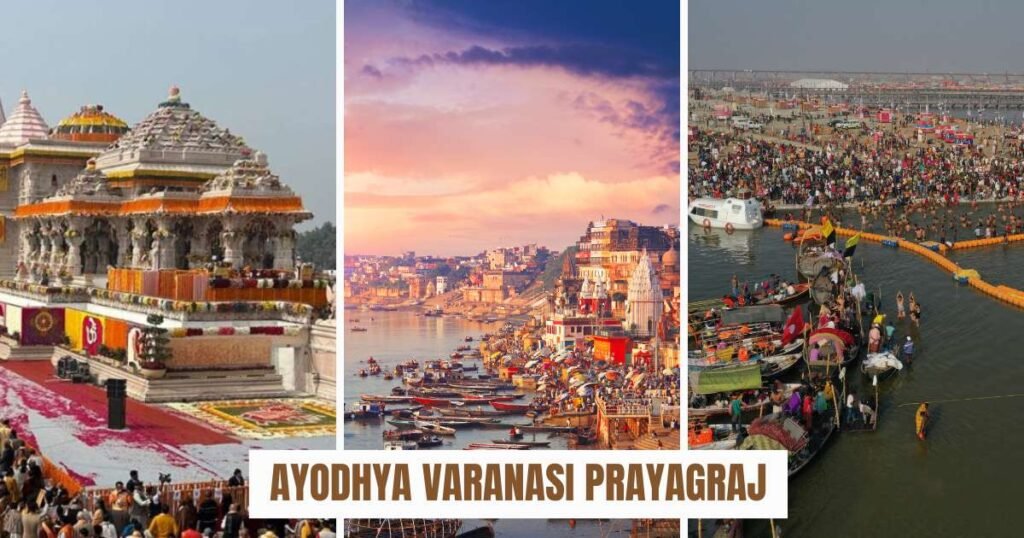


There’s something slightly overwhelming when you think about Varanasi Ayodhya Travel for the first time. Two of the most spiritually powerful cities in India, both carrying centuries of belief, rituals, and stories—and yet, when you try to plan the journey, it doesn’t feel simple. Distances look manageable, but timing, temple schedules, and crowd patterns quietly complicate everything. And that’s usually where most travelers either rush through the experience or miss the depth completely. However, if planned properly, this journey doesn’t feel like a trip… it feels like moving through layers of faith, one step at a time.
📊 Quick Overview – Varanasi Ayodhya Travel
| Detail | Information |
| Travel Route | Varanasi to Ayodhya (Approx 220 Km) |
| Ideal Duration | 2 Days / 3 Days |
| Travel Time | 4.5 to 5.5 Hours by Road |
| Key Destinations | Varanasi Ghats, Kashi Vishwanath Temple, Ayodhya Ram Mandir |
| Best Time to Visit | October to March |
| Travel Mode | Car / Train |
| Ideal For | Pilgrimage, Family, Spiritual Travel |
Why Varanasi Ayodhya Travel Feels Different from Other Trips
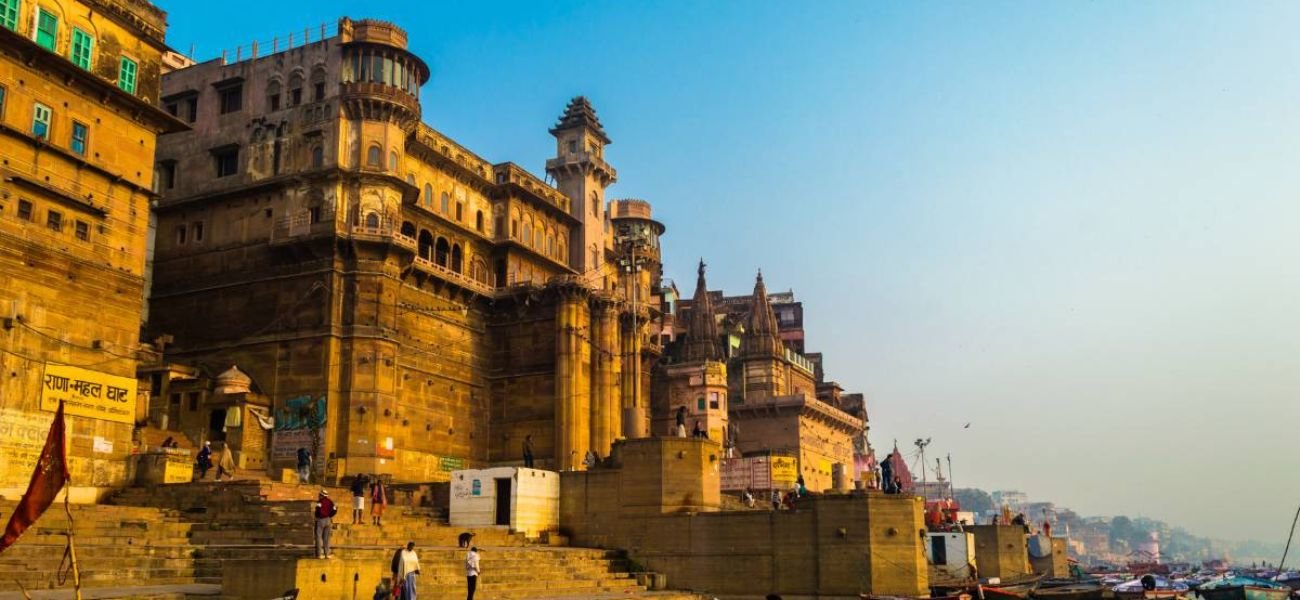
Most journeys are about covering places. But Varanasi Ayodhya Travel doesn’t work like that. In Varanasi, everything feels intense—the ghats, the rituals, the constant movement. Then, when you reach Ayodhya, the pace changes. It becomes calmer, more structured, almost like the journey itself is asking you to slow down.
People often don’t expect this shift. They think both cities will feel similar. But that contrast is actually what makes the journey meaningful.
A Practical Ayodhya Varanasi Travel Itinerary That Actually Works
Trying to cover both cities in one day usually leads to exhaustion. So it’s better to follow a balanced Ayodhya Varanasi travel itinerary.
Day 1 – Varanasi Experience
- Early morning visit to Dashashwamedh Ghat
- Boat ride on River Ganga during sunrise
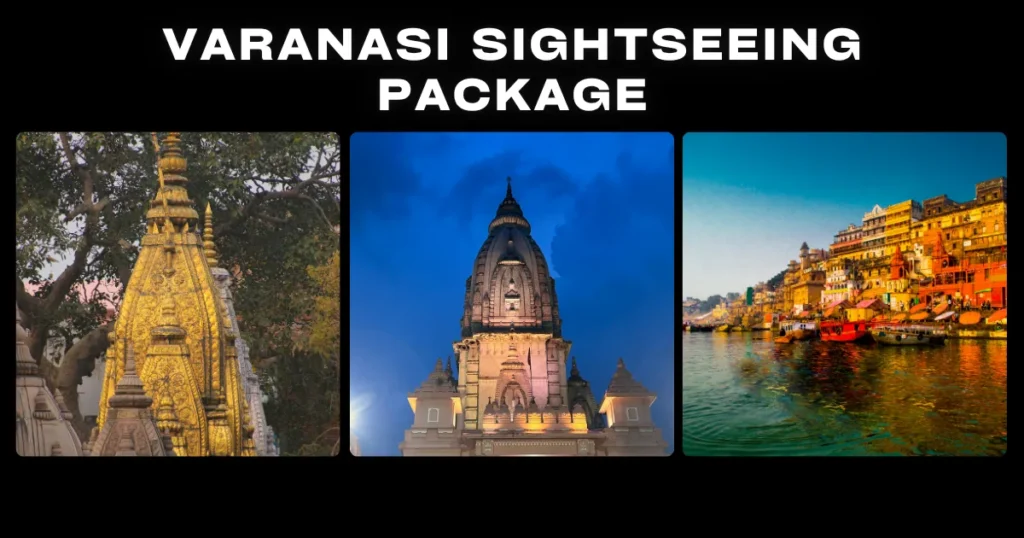
- Visit Kashi Vishwanath Temple
- Explore Assi Ghat and nearby streets
- Attend Ganga Aarti (Evening)
This day feels full, but manageable. However, the key is starting early.
Day 2 – Travel to Ayodhya & Temple Visit
- Morning departure from Varanasi
- Travel via Varanasi to Ayodhya travel route (NH27 / NH330)
- Arrival in Ayodhya by afternoon
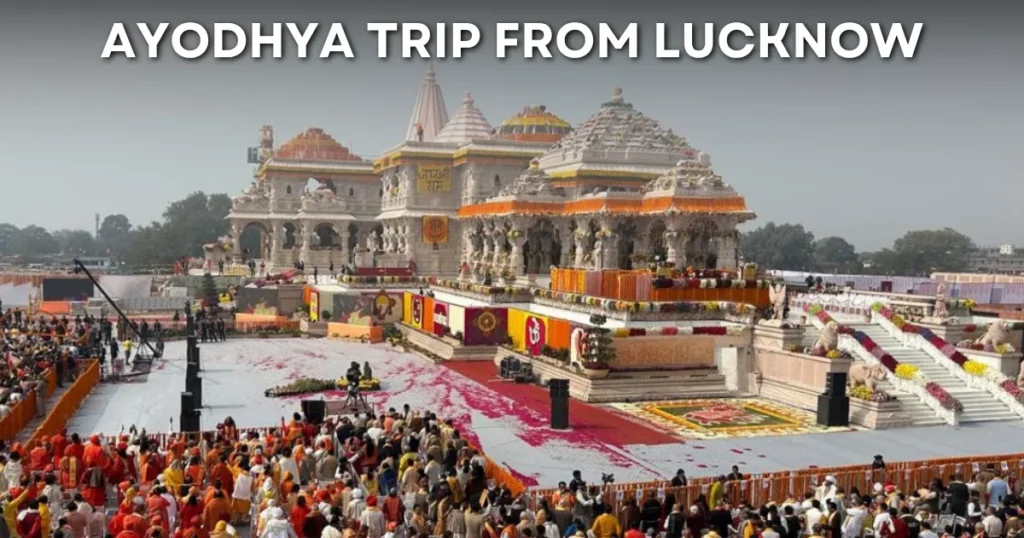
- Visit Ram Janmabhoomi Temple
- Explore Hanuman Garhi Temple
- Evening walk near Saryu River Ghats
Interestingly, Ayodhya feels less chaotic compared to Varanasi, which gives you space to absorb the experience.
Optional Day 3 – Slow Exploration
- Visit Kanak Bhawan Temple
- Attend morning aarti near Saryu River
- Explore local markets
If you’re someone who prefers depth over speed, this extra day makes a big difference.

Varanasi to Ayodhya Travel Route – What You Should Know
The Varanasi to Ayodhya travel route is straightforward, but travel time depends heavily on traffic and stops.
| Route | Distance | Time |
| Varanasi → Ayodhya via NH27 | 220 Km | 4.5–5.5 Hours |
Road conditions are generally good, but small town traffic can slow things down. So starting early always helps.
Temple Visit Plan – Timing Matters More Than Distance
Many travelers assume they can visit temples anytime. But in reality, timing changes everything.
- Kashi Vishwanath Temple (Varanasi) → Early morning or late evening
- Ganga Aarti (Dashashwamedh Ghat) → Around 6:30 PM – 7:00 PM
- Ram Mandir (Ayodhya) → Morning hours are smoother
- Hanuman Garhi Temple → Afternoon or early evening
If you miss these timing windows, the experience feels rushed or overcrowded.
Real Travel Insight Most People Miss
Here’s something that only becomes clear after visiting—distance is not the real challenge in Varanasi Ayodhya Travel. Timing and crowd flow are. You might reach a temple quickly, but if you arrive at peak time, you’ll spend most of your energy just waiting.
That’s why experienced travelers focus more on timing than on covering more places.
Best Time to Plan Varanasi Ayodhya Travel
- October to March → Comfortable weather, easier travel
- Ram Navami (Ayodhya) → Deep spiritual experience but heavy crowd
- Dev Deepawali (Varanasi) → Beautiful but extremely crowded
If you want a peaceful journey, avoid peak festivals. But if you want to witness the cultural intensity, those days feel unforgettable.
Distance & Key Travel Points
| Place | Distance | Approx Time |
| Varanasi to Ayodhya | 220 Km | 4.5–5.5 Hours |
| Varanasi Airport to City | 25 Km | 40 mins |
| Ayodhya Railway Station to Ram Mandir | 5–7 Km | 15 mins |
Crowd Behavior & Practical Observations
This is where most planning fails. In Varanasi, mornings start early, and by 9 AM, major ghats become busy. Meanwhile, Ganga Aarti draws heavy crowd every evening. In Ayodhya, movement is more controlled, but temple queues can still extend during weekends.
So instead of rushing, spacing your visits helps more than anything.
Planning Support Partner
Planning Varanasi Ayodhya Travel often looks simple on maps, but once you arrive, the situation changes—routes, temple timings, and crowd flow all start influencing your day. This is where Ayodhya Varanasi Tourism becomes helpful, not as a sales pitch but as a practical guide. From choosing the right travel sequence to avoiding peak hours, having local understanding makes the journey smoother and more meaningful without adding unnecessary complexity.
Contact Ayodhya Varanasi Tourism Today:
Call Us: +91 7300620809
WhatsApp Us: +91 7300620809
Visit Our Website: Ayodhya Varanasi Tourism
Email: ayodhyavaranasitourism@ayodhyavaranasitourismgmail-com
Ayodhya Varanasi Tourism is a Unit of Experience My India
Experience My India Trip Advisor Review
How to Reach Varanasi & Ayodhya
🚗 By Car
- From Varanasi to Ayodhya → 4.5–5.5 hours via NH27
- Roads are mostly smooth
🚆 By Train
- Varanasi Junction well connected
- Ayodhya Railway Station easily accessible
✈️ By Air
- Nearest airport: Varanasi Airport (Lal Bahadur Shastri Airport)
- Ayodhya now also has Maharishi Valmiki International Airport
A Thought That Usually Stays
People often plan this journey thinking they will “visit temples.” But somewhere between the early morning ghats of Varanasi and the calm evenings of Ayodhya, something changes. You stop rushing. You start observing. And slowly, the journey feels less like a checklist and more like a pause you didn’t realize you needed.
Conclusion
A well-planned Varanasi Ayodhya Travel is not about covering more places—it’s about experiencing the shift between two very different spiritual energies. And once you notice that shift, the journey quietly becomes something you carry with you, even after returning home.
FAQs – Varanasi Ayodhya Travel
The distance for Varanasi Ayodhya Travel is approximately 220 km, and it usually takes around 4.5 to 5.5 hours by road depending on traffic and stops along the way.
The most commonly used Varanasi to Ayodhya travel route is via NH27 and NH330, which offers relatively smooth road conditions and is preferred for both private cars and taxis.
Ideally, 2 to 3 days are sufficient for a balanced Varanasi Ayodhya Travel experience, allowing you to explore major temples and ghats without rushing.
In Varanasi, key places include Kashi Vishwanath Temple, Dashashwamedh Ghat, Assi Ghat, while in Ayodhya, important temples are Ram Janmabhoomi, Hanuman Garhi, and Kanak Bhawan.
The best time for Varanasi Ayodhya Travel is between October and March, when the weather is pleasant. However, festival times like Ram Navami and Dev Deepawali offer a more intense spiritual experience.
For flexibility and comfort, traveling by car is often better for Varanasi Ayodhya Travel, as it allows you to manage time and stops. However, trains are also available and budget-friendly.
Yes, there are direct trains between Varanasi and Ayodhya, although availability and timings may vary, so checking schedules in advance is recommended.
In Varanasi, early morning and evening are ideal, especially for Ganga Aarti. In Ayodhya, morning hours are generally better for smoother darshan at Ram Mandir.
Yes, Varanasi Ayodhya Travel is suitable for families, as both cities offer structured temple visits, good connectivity, and manageable travel options.
While planning Varanasi Ayodhya Travel, always consider temple timings, crowd patterns, travel duration, and buffer time between locations, as these factors directly affect your overall experience.