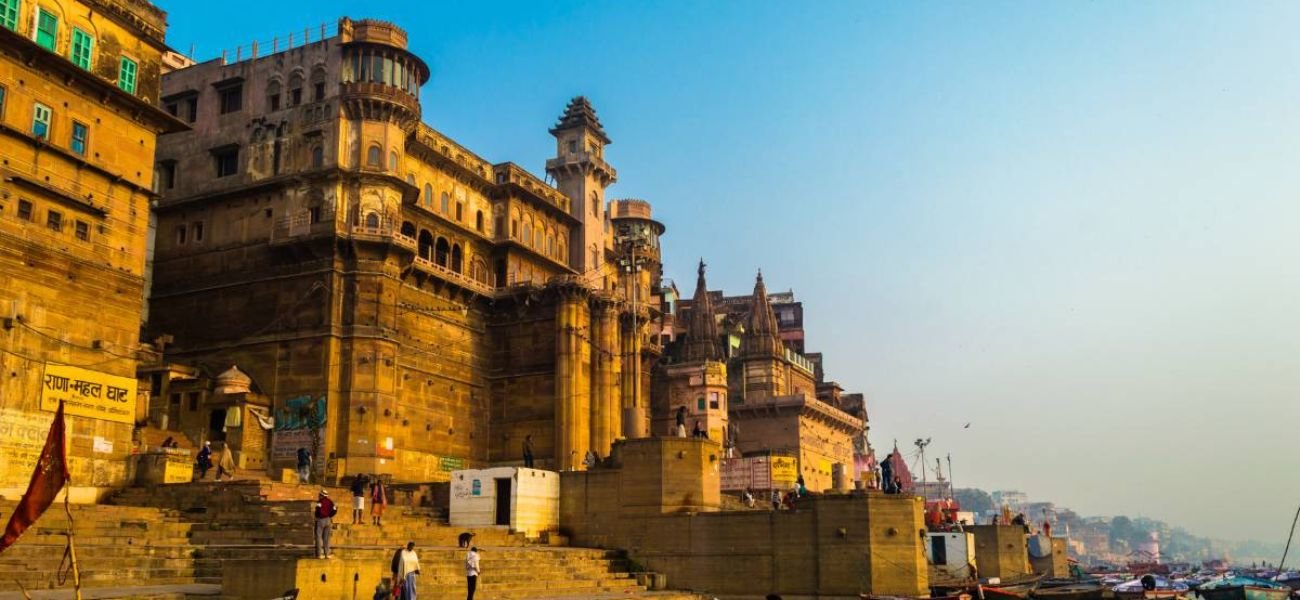


The first time someone plans an Ayodhya and Varanasi trip, it usually starts with excitement… and then slowly turns into confusion. Which city first? How far is it really? Will darshan be smooth or chaotic?
I remember sitting with a traveller who had everything booked but still looked unsure. Not because the journey was difficult, but because no one had explained it in a simple, real way.
That’s exactly where this Ayodhya Varanasi Travel Guide helps. Not by giving you textbook answers, but by showing how the journey actually feels when you’re on the road, moving between devotion, crowds, silence, and those unexpected pauses that stay with you.
Why People Combine Ayodhya and Varanasi in One Journey
There’s something about visiting Ayodhya and Varanasi (Kashi) together that feels complete.
Ayodhya gives you a sense of beginning. It’s calm, structured, and spiritually focused around Lord Ram. On the other hand, Varanasi feels older, deeper, and slightly unpredictable, where life and death exist side by side near the Ganga Ghats.
Most travellers don’t say this out loud, but the contrast between the two cities is what makes the journey meaningful.
While Ayodhya feels like devotion with discipline, Varanasi feels like surrender without control.
That’s why a proper Varanasi Ayodhya pilgrimage travel plan isn’t just about distance… it’s about emotional transition.
Ayodhya to Varanasi Distance and Route Reality
Let’s keep it practical.
| Route Detail | Information |
| Distance | 220–230 km approx. |
| Travel Time | 5 to 6 hours (depending on traffic) |
| Best Route | Via Sultanpur – Jaunpur highway |
| Road Condition | Mostly smooth, some local patches |
Now here’s something people don’t usually tell you.
The distance looks short on Google Maps, but your actual experience depends on timing. Early morning departures feel smooth, while afternoon travel can slow down due to local traffic and market areas.
So if you’re planning an Ayodhya to Varanasi itinerary and route, try starting before 7 AM. It changes the whole journey.

Choosing the Right Order – Ayodhya First or Varanasi First?
This is where many people overthink.
Technically, you can do both ways. But practically, starting from Ayodhya feels easier for most travellers.
Why?
Because Ayodhya is more structured now. Darshan timings, roads, movement — everything feels organized. It sets a calm beginning.
Then when you reach Varanasi, you’re already mentally prepared for a different pace.
If you do Varanasi first, the chaos, crowd, and narrow lanes can feel overwhelming right at the start.
So in a simple sense:
- Start with Ayodhya → Move to Varanasi
- Not the other way around, unless your arrival route demands it
This small decision actually makes your Ayodhya Varanasi Travel Guide experience smoother.
What Darshan Actually Feels Like in Both Cities
Ayodhya – Controlled and Focused
At Shri Ram Janmabhoomi, darshan feels structured. You move in lines, security is tight, and everything is monitored.
You don’t get much time inside, but the experience still feels complete.
Morning hours, especially between 7:00 AM – 10:00 AM, are the best.
Varanasi – Flow Without Control
Now compare that with Kashi Vishwanath Temple.
Here, the experience depends on timing, crowd, and sometimes pure luck.
You may walk easily one day, and wait in lines the next.
Evening time around Ganga Aarti (6:30 PM – 7:30 PM) adds another layer — beautiful but crowded.
Most people don’t expect this difference, but once you see it, it makes sense.
Stay Planning – Where It Actually Works Better
In Ayodhya
- Stay near Ram Mandir area
- Easy access to darshan
- Calm surroundings
- Budget stays available from ₹800 to ₹2500 per night
In Varanasi
- Choose between Ghats area or main city hotels
- Ghats give better experience but narrow access
- City hotels offer comfort but require travel
Typical price range:
- Budget: ₹1000–₹2000
- Mid-range: ₹2500–₹5000
One small observation — many travellers regret staying too far from the ghats in Varanasi. It saves money, but costs experience.
Best Time to Plan Your Journey
| Season | Experience |
| October to March | Best weather, comfortable travel |
| April to June | Very hot, early morning travel recommended |
| Monsoon | Less crowd, but unpredictable rain |
If you’re someone who prefers peaceful darshan, avoid peak festival days.
But if you want energy and devotion together, then festivals like Diwali in Ayodhya and Dev Deepawali in Varanasi feel unforgettable.
Small Things That Make a Big Difference
This is where most guides don’t help.
- Keep cash handy for local transport
- Wear simple, comfortable clothes
- Avoid tight scheduling between cities
- Always keep 1–2 buffer hours
And one more thing people realise later…
Spiritual journeys don’t work well with rushed itineraries.
You may plan 10 places, but end up remembering just one quiet moment near the river.
Nearby Places Worth Adding (If You Have Time)
If your plan allows, you can include:
- Sarnath (10 km from Varanasi) – peaceful and less crowded
- Hanuman Garhi (Ayodhya) – quick but meaningful visit
- Dashashwamedh Ghat (Varanasi) – main Ganga Aarti location
But don’t overload your trip.
It’s better to feel one place deeply than rush through five.
Local Guide Tip
Start your Ayodhya darshan early morning and reach Varanasi by afternoon. This way, you can attend Ganga Aarti the same day without feeling rushed.
Planning Support Partner
When travellers try to manage routes, darshan timings, and hotel locations on their own, things usually look easy on paper but become confusing on the ground. That’s where Ayodhya Varanasi Tourism helps quietly in the background. Instead of pushing fixed packages, they focus on making your journey practical — suggesting realistic travel timings, helping with local routes, and making sure you don’t miss key experiences just because of poor planning or timing gaps.
Contact Ayodhya Varanasi Tourism Today:
Call Us: +91 7300620809
WhatsApp Us: +91 7300620809
Visit Our Website: Ayodhya Varanasi Tourism
Email: ayodhyavaranasitourism@ayodhyavaranasitourismgmail-com
Ayodhya Varanasi Tourism is a Unit of Experience My India
Experience My India Trip Advisor Review
How to Travel Between Ayodhya and Varanasi
🚗 By Car
- Distance: 220–230 km
- Time: 5–6 hours
- Best for flexibility
- You can stop at local dhabas or small towns
- Ideal for families or group travel
🚆 By Train
- Multiple trains available from Ayodhya to Varanasi
- Travel time: 4 to 5 hours
- Budget-friendly option
- But fixed timing, less flexibility
✈️ By Air
- No direct flights between Ayodhya and Varanasi
- Nearest airports:
- Ayodhya Airport
- Varanasi Airport (Lal Bahadur Shastri Airport)
Road or train travel is still required.
What People Usually Don’t Notice About This Journey
Most people plan this trip thinking it’s just about temples.
But somewhere between the quiet streets of Ayodhya and the busy ghats of Varanasi, something shifts.
You start slower. You observe more. And you don’t rush darshan as much as you thought you would.
And sometimes, the most meaningful part of the trip isn’t inside a temple… it’s sitting quietly, watching people, listening to bells in the distance, or just standing near the river without doing anything.
That part cannot be planned.
FAQs – Ayodhya Varanasi Travel Guide
The journey usually takes around 5 to 6 hours by road, depending on traffic conditions and departure time.
Ayodhya offers a more organized and structured darshan experience, making it easier to begin the trip calmly before moving to Varanasi.
Yes, most of the route is smooth, though some local patches and town areas may slightly slow down the drive.
Ayodhya darshan is more controlled and systematic, while Varanasi offers a more open and unpredictable flow of visitors.
Yes, both Ayodhya and Varanasi can be covered in a 2–3 day trip with proper planning and time management.
Early morning is ideal, as it helps avoid traffic and allows better time management for darshan and local visits.
Staying closer to key temple areas or ghats usually provides easier access and saves travel time during the trip.
Flexibility is important, as strict schedules may not work well due to crowd variations and travel delays.
Yes, places like Sarnath in Varanasi and Hanuman Garhi in Ayodhya can be included if time allows.
Trying to rush through both cities without allowing buffer time often leads to a stressful and less meaningful experience.
Conclusion
This Ayodhya Varanasi Travel Guide is not really about routes, distances, or hotels. Those things matter, but only to a point. What actually stays with you is how the journey feels while it’s happening — the small pauses, the unexpected calm, the moments where you stop thinking about the plan and just experience the place. Maybe that’s the real reason people come back again, not for darshan alone, but for that feeling they can’t fully explain.