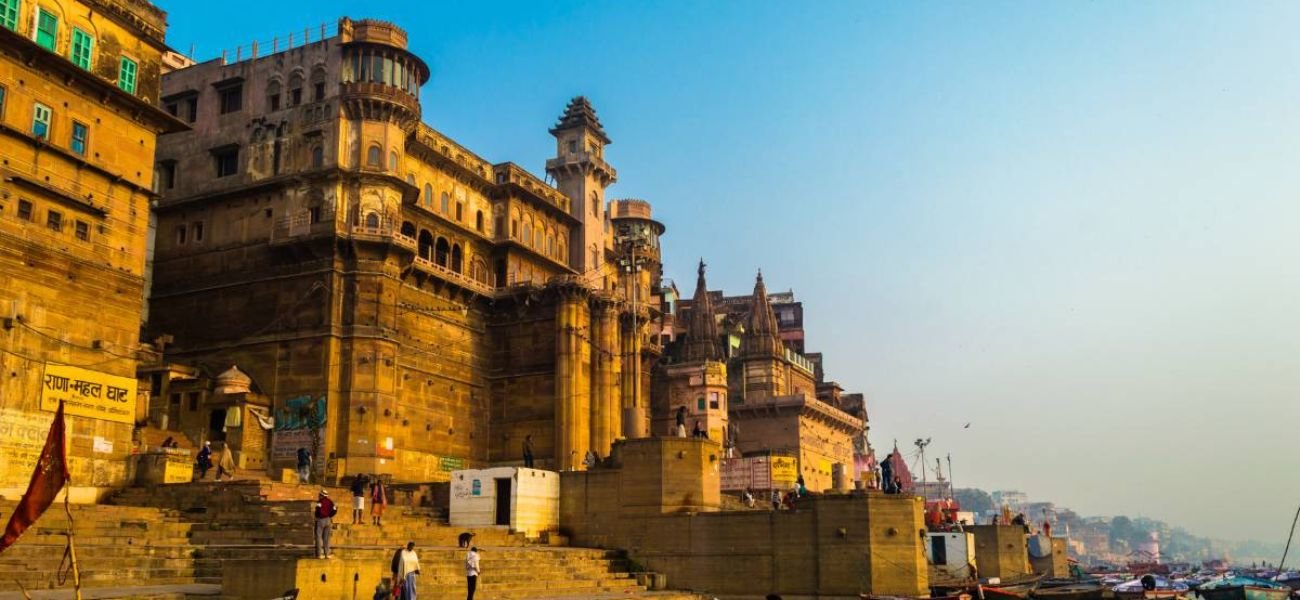

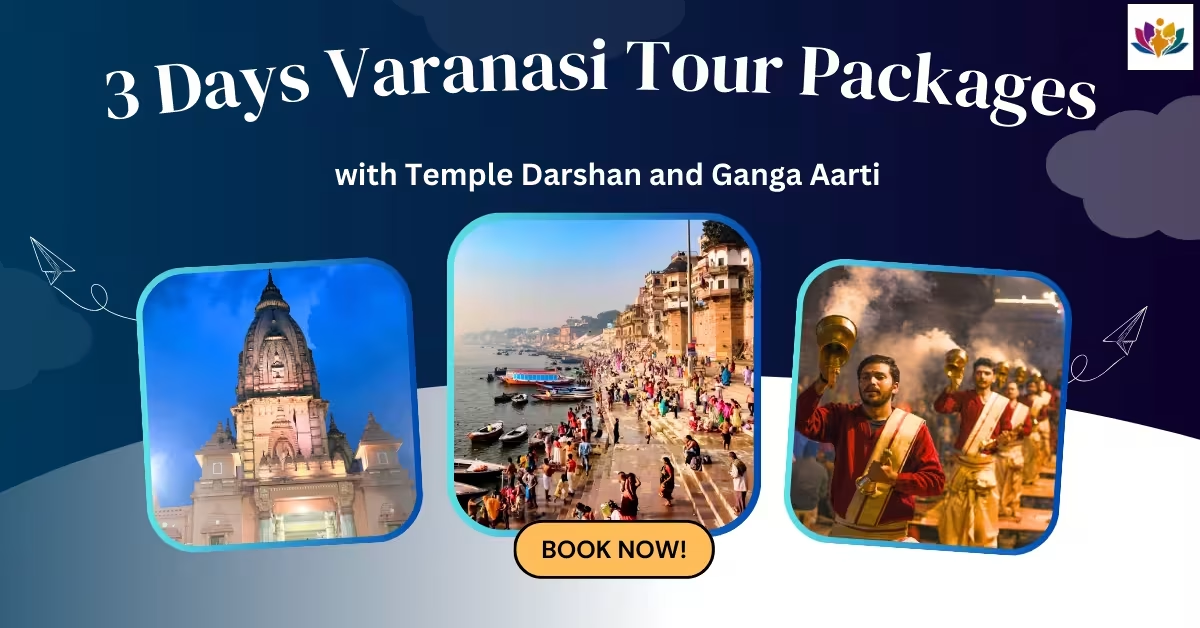
There’s something about Varanasi that doesn’t fit into a normal travel plan, and you only realise this after you reach there and try to “follow” an itinerary like you would in any other city. You might arrive with a clear plan—visit temples, attend Ganga Aarti, explore ghats—but within a few hours, the city quietly starts changing the pace you thought you would maintain.
The first time I experienced one of the Varanasi Tour Packages, I remember thinking that three days would feel too long for a single city. But by the end of the second day, it felt like time had slowed down in a way I wasn’t prepared for. Varanasi does not rush you, yet it does not wait either. It simply continues, and you slowly adjust to it.
Why Varanasi Feels Different From Any Other Pilgrimage Trip
Most pilgrimage destinations have a certain structure—fixed darshan timing, clear routes, predictable movement—but Varanasi works differently, and that difference is not always visible at first.
- The ghats are always active, but never in a uniform way
- The temple lanes feel crowded, yet people move without panic
- The Ganga flows quietly, even when everything around feels intense
Because of this, planning a Varanasi Tour Packages journey is not just about covering places, it is about understanding how the city flows through different times of the day.
And honestly, once you stop trying to control the experience, things start falling into place naturally.
3 Days Varanasi Tour Packages – A Realistic Itinerary That Actually Works
Many travellers search for a Varanasi tour package with itinerary, but most itineraries look too neat compared to how the city behaves in reality. So instead of a perfect schedule, it helps to follow a flexible structure that respects timing, crowd, and energy.
Day 1 – Arrival and First Connection with the Ghats
- Arrival in Varanasi and hotel check-in
- Slow start instead of rushing into temple visits
Now here’s something people don’t usually expect—your first few hours in Varanasi should not be packed. The city takes a little time to settle inside you.
- Visit nearby ghats in the evening
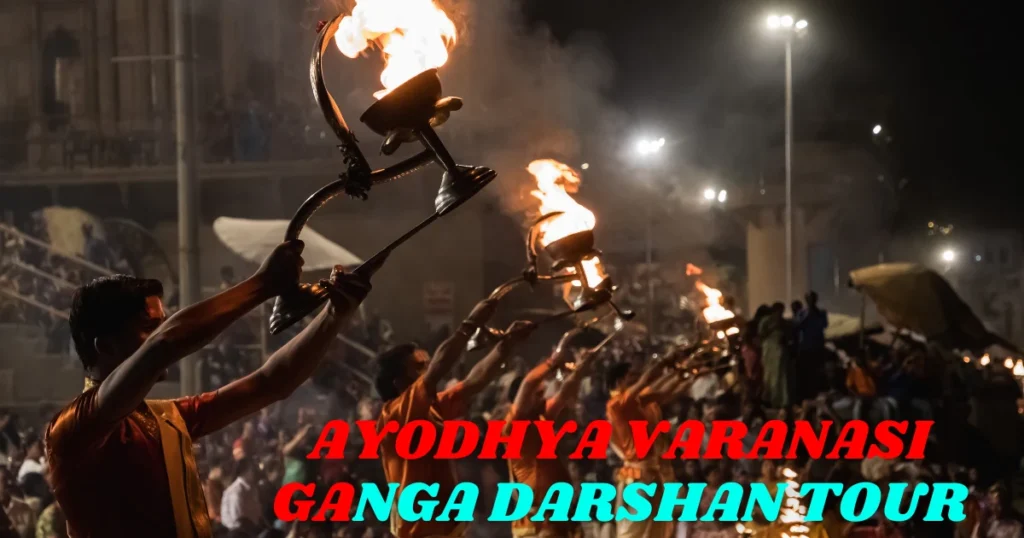
- Attend Ganga Aarti at Dashashwamedh Ghat
The first Ganga Aarti feels overwhelming for many people. Not because of noise, but because of how everything moves in sync—chants, lamps, bells—and yet nothing feels forced.
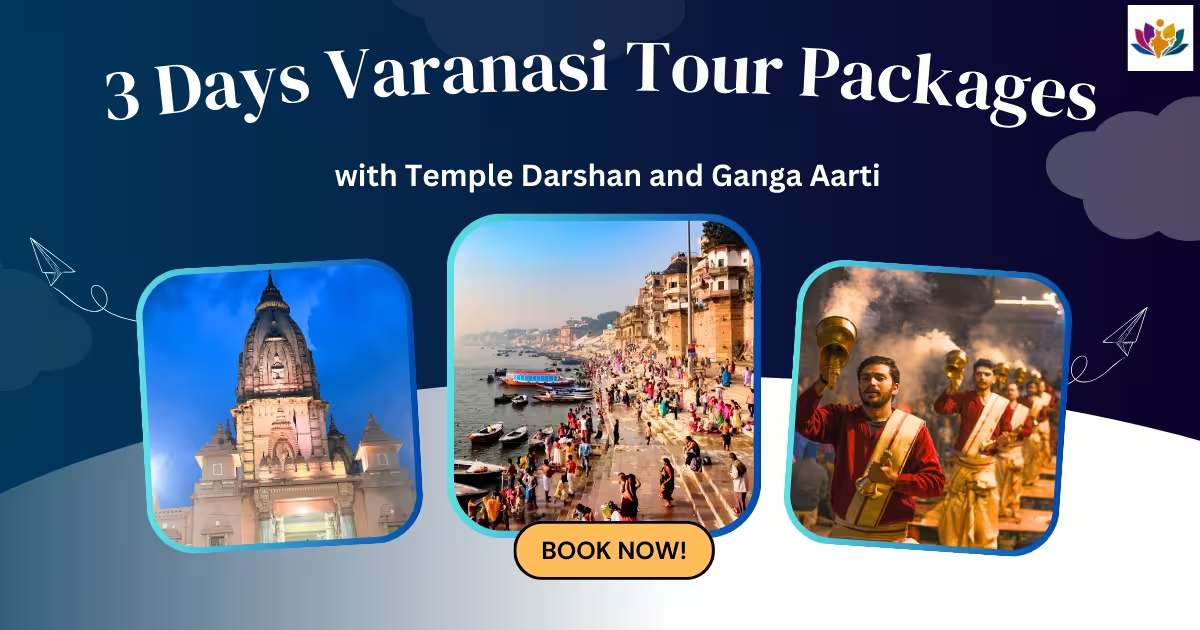
Day 2 – Temple Darshan and Old City Experience
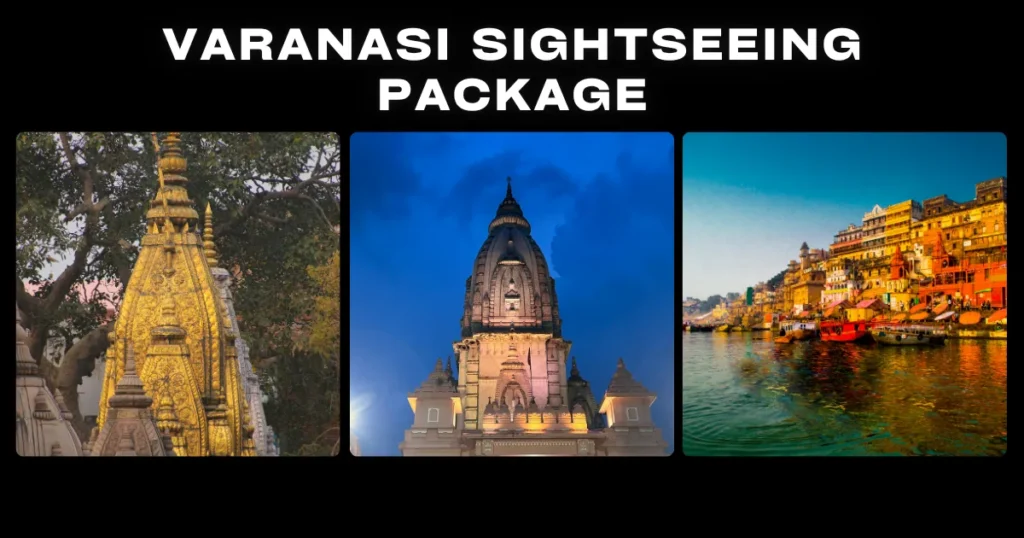
- Early morning visit to Kashi Vishwanath Temple
Morning darshan is not just about less crowd, it feels different in terms of energy. The lanes are quieter, and the experience feels more personal.
- Walk through old Varanasi lanes
- Visit Annapurna Temple and nearby shrines
As the day progresses, the city becomes more active. Shops open, pilgrims increase, and the rhythm changes.
- Visit Manikarnika Ghat (from a respectful distance)
- Evening free for personal exploration or another Aarti experience
This is usually the day where people start understanding that Varanasi is not just a place—it’s a continuous process.
Day 3 – Sunrise, Boat Ride, and Departure
- Early morning boat ride on Ganga
This moment feels completely different from everything else in the trip. The city looks softer, quieter, almost like it’s taking a pause before the day begins.
- Visit Assi Ghat
- Breakfast and preparation for departure
And interestingly, most people feel this day is the shortest, even though it holds some of the most peaceful moments.
Kashi Varanasi Travel Packages from Delhi – What People Often Miss
Many travellers choose Kashi Varanasi travel packages from Delhi, expecting a straightforward journey, but there are a few things that quietly affect the experience.
- Flight timing matters more than travel duration
- Late arrivals reduce the effectiveness of Day 1
- Early morning arrival gives you a better start
Also, Varanasi traffic and narrow lanes cannot be compared with other cities. So even short distances may take time.
Because of this, flexibility becomes more important than strict scheduling.
Varanasi Pilgrimage Tour Package – More Than Temple Visits
Calling it a Varanasi pilgrimage tour package is correct, but it still feels incomplete when you actually experience the city.
Because Varanasi is not limited to temples.
- It’s in the sound of morning chants near ghats
- It’s in the slow boat moving across Ganga
- It’s in the silence that exists even in crowded spaces
There is a moment during the trip when you stop checking your watch. Not because you don’t have plans, but because time starts feeling less important.
That shift is subtle, but it stays.
Ganga Aarti – Why It Feels Different Every Time
Many people attend Ganga Aarti once and feel it’s enough, but that’s not always the case.
- Evening Aarti feels grand and organised
- Morning Ganga experience feels personal and calm
If you attend both, you’ll notice the contrast.
The evening pulls you into the crowd, while the morning allows you to step back and observe.
And both feel complete in their own way.
Local Guide Tip:
If you want a clearer view of Ganga Aarti without getting pushed in the crowd, reach at least 45 minutes early and choose a slightly side-facing spot instead of standing directly in the center.
Where Most Travellers Feel Overwhelmed
This is something that happens more often than people admit.
- Too many temple visits in one day
- Trying to cover all ghats quickly
- Not allowing time to simply sit and observe
And because of that, the trip starts feeling heavy.
But those who take small pauses—even 10–15 minutes by the river—experience something very different.
They don’t just visit Varanasi. They absorb it.
Why Planning Matters More Than It Looks
Planning a Varanasi Tour Packages journey is not about adding more places. It’s about removing unnecessary pressure.
- Choosing the right time for temple visits
- Avoiding peak crowd hours
- Keeping space for unplanned moments
Without planning, you can still complete the trip.
But with planning, you understand it better.
And that understanding is what stays longer than the journey itself.
Planning Support Partner
Many travellers struggle to manage temple timings, narrow lane navigation, and Ganga Aarti crowd movement all at once, especially during peak seasons. That’s where Ayodhya Varanasi Tourism helps quietly by organising the flow in a practical way, ensuring darshan happens without confusion and travel feels smoother. Instead of making the itinerary heavy, the focus remains on keeping the journey balanced, flexible, and aligned with how Varanasi actually moves.
Contact Ayodhya Varanasi Tourism Today:
Call Us: +91 7300620809
WhatsApp Us: +91 7300620809
Visit Our Website: Ayodhya Varanasi Tourism
Email: ayodhyavaranasitourism@ayodhyavaranasitourismgmail-com
Ayodhya Varanasi Tourism is a Unit of Experience My India
Experience My India Trip Advisor Review
How to Reach Varanasi
🚗 By Car
- Delhi to Varanasi: Approx. 800 km
- Long-distance road journey (12–14 hours)
- Best for travellers who prefer flexible stops
- Not ideal for short-duration trips
🚆 By Train
- Varanasi Junction well connected with major cities
- Overnight trains available from Delhi
- Station is close to city center
- Autos and taxis easily available
✈️ By Air
- Lal Bahadur Shastri Airport (Varanasi)
- Regular flights from Delhi, Mumbai, and other cities
- Airport is around 25 km from main city
- Taxi required for hotel transfer
FAQs – Varanasi Tour Packages
Most Varanasi Tour Packages include hotel stay, local transport, temple darshan assistance, Ganga Aarti experience, and sightseeing of major ghats and temples.
2. How many days are enough for Varanasi?
A 3-day trip is usually enough to experience temples, ghats, and Ganga Aarti comfortably without rushing through everything.
October to March is considered the best time due to pleasant weather, while summers can feel quite intense during daytime temple visits.
Yes, most packages include Ganga Aarti, especially the evening Aarti at Dashashwamedh Ghat, which is one of the main highlights.
Early morning is usually the best time as the crowd is comparatively less and the experience feels more peaceful.
Yes, many travellers choose Kashi Varanasi travel packages from Delhi, which include train, flight, or road travel options.
Not compulsory, but a guide helps in navigating narrow lanes, understanding temple timings, and avoiding confusion during darshan.
Yes, but some walking is required in temple areas and ghats, so a relaxed itinerary and assistance are helpful.
Packages usually offer budget to mid-range hotels near main areas, making it easier to access temples and ghats.
Wear comfortable and modest clothes, follow temple rules, stay patient in crowded areas, and allow time to simply sit and absorb the surroundings.
Conclusion
Varanasi is not a place you fully understand in one visit, and maybe that’s why people keep coming back without trying to explain the reason.
You arrive with a plan, follow it for a while, and then somewhere between the ghats and temple lanes, the plan quietly fades into the background.
And what remains is not a checklist of places… but a feeling that doesn’t really leave, even after you do.