

There’s a quiet uncertainty that comes up when people start planning Ayodhya.
Not about faith. That part is already settled. The uncertainty is about the experience. Will it feel rushed? Will it turn into standing in queues from morning to night? Will it feel like movement without meaning?
Most people searching for an Ayodhya tour itinerary aren’t really looking for a plan. They’re trying to understand the pace. How fast is too fast here? How slow is acceptable? How do you move through Ayodhya without disturbing what the city already holds?
From what I’ve seen, Ayodhya doesn’t respond well to urgency. It opens only when you stop pushing. This itinerary is shaped around that idea. Not to show more. Not to fit more in. But to make sure the days feel settled rather than heavy.
Table of Contents
ToggleBefore Planning Ayodhya, Understand This First
Ayodhya doesn’t overwhelm you.
It steadies you.
Even when there are crowds, the movement feels controlled. People wait. Voices drop naturally. Nobody rushes unless they bring that restlessness with them.
That’s why an Ayodhya tour itinerary has to respect time differently. Early mornings matter. Afternoons need rest. Evenings soften on their own. Stretch the day too far and the body tires before the mind can absorb anything.
Once you accept this, planning becomes simpler.
Ayodhya Tour Itinerary – A Calm 3-Day Flow
Three days are enough for Ayodhya if you don’t fight its rhythm. This plan follows how the city actually moves, not how itineraries usually look on paper.
Day 1: Arrival and First Darshan
Most travellers reach Ayodhya by late morning or early afternoon. The instinct is to go straight to the main temple. That usually creates more tension than connection.
- Afternoon
Arrival.
Hotel check-in.
Light food.
Rest.
This pause isn’t wasted time. It helps the journey begin properly.
- Evening
Darshan at Ram Janmabhoomi.
A short walk around the temple corridor area.
Crowd reality
Security is strict.
Waiting is unavoidable.
Movement stays orderly.
The darshan itself is brief. But the atmosphere inside is quiet. Many people step out calmer without realising why.
Local Guide Tip
Evening darshan often feels easier than peak morning hours, especially for first-time visitors.
Overnight stay in Ayodhya.
Day 2: Temples, Lanes, and the River
This is the day where Ayodhya settles into you.
- Morning
Hanuman Garhi.
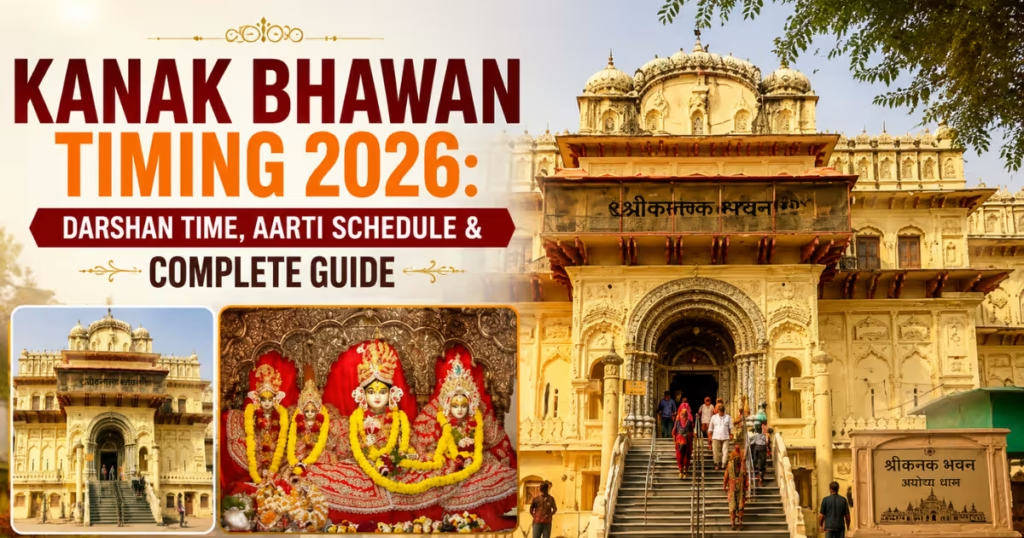
Kanak Bhawan.
The climb at Hanuman Garhi looks tiring, but once you start, it feels manageable. The energy here is steady. Protective, almost. Kanak Bhawan changes the mood completely. People slow down without planning to.
Crowd reality
Moderate crowds.
Families.
Older pilgrims.
Locals.
Local Guide Tip
Finish temple visits before noon. Ayodhya naturally slows down after lunch.
- Afternoon
Lunch nearby.
Rest at the hotel.
Skipping this rest shows up later. Usually as irritation or exhaustion.
- Evening
A walk along the Saryu.
Time at the ghats around sunset.
Nothing is arranged here. No announcements. No spectacle. Just stillness. For many travellers, this evening lasts longer than any darshan.
Overnight stay in Ayodhya.
Day 3: Ending Without Rushing
The last day is kept light on purpose.
- Morning
Nageshwarnath Temple.
A short walk through older lanes. - Crowd reality
Mostly locals.
Calm movement.
No pressure. - Late morning
Breakfast.
Check-out.
Departure.
Leaving without trying to add “one last stop” keeps the experience intact.
Places Included in This Ayodhya Tour Itinerary
- Ram Janmabhoomi
Structured. Emotional. Quiet inside. - Hanuman Garhi
Energetic, but grounding. - Kanak Bhawan
Calm. Unhurried. People tend to stay longer here. - Nageshwarnath Temple
Less crowded. Reflective. - Saryu River Ghats
Best experienced slowly, near evening.
Each place has its own rhythm. Treating them all the same usually creates delays.
Best Time to Plan Ayodhya
October to March feels comfortable.
April to June is hot, but manageable with early starts.
July to September is humid, quieter.
Festivals change everything.
Festivals Worth Knowing About
Ram Navami brings heavy crowds and strict security.
Diwali transforms the city completely.
Shravan month increases temple activity.
Local Guide Tip
Festival days need patience and buffer time. Without it, even meaningful visits feel tiring.
Safety and Comfort While Moving Around
- Carry only essentials near temples.
- Keep ID accessible.
- Dress simply.
- Drink water regularly.
- Follow security instructions without argument.
Ayodhya feels safe. Discipline keeps it that way.
How to Reach Ayodhya
By Train
The most practical option for most pilgrims.
By Road
Works for nearby states. Slower during peak periods.
By Air
Limited direct options. Often combined with road transfers.
Planning Support Partner
Many people realise while planning that Ayodhya isn’t difficult to reach. It’s difficult to pace. Darshan timings shift. Crowd patterns change. Fatigue arrives quietly.
As a planning support partner, Ayodhya Varanasi Tourism helps travellers follow a realistic Ayodhya tour itinerary without rushing. The focus stays on calm movement, sensible days, and letting the journey unfold instead of forcing it.
Planning Support Partner
Many travellers underestimate how emotionally tiring this circuit can be. Managing temple timings, crowd surges, and intercity transfers on your own often distracts from the spiritual purpose.
As a planning support partner, Ayodhya Varanasi Tourism helps travellers move through this yatra calmly. Not by overloading schedules, but by understanding when to pause, when to move, and when to simply wait. That quiet planning makes the journey feel complete rather than exhausting.
Contact Ayodhya Varanasi Tourism Today:
Call Us: +91 7300620809
WhatsApp Us: +91 7300620809
Visit Our Website: Ayodhya Varanasi Tourism
Email: ayodhyavaranasitourism@gmail.com
FAQs – Ayodhya Tour Itinerary
Three days work well for most travellers. It allows darshan, rest, and quiet time without pressure.
Yes, if pacing is respected. Early darshan and nearby hotels make movement easier.
Early morning and late afternoon usually feel calmer than midday.
Most temples restrict phones. Carrying less makes entry smoother.
Crowds are present, but organised. Outside festivals, the city feels calm.
One day often feels unfinished. Two to three days allow the experience to settle.
Clean, mid-range hotels near temple areas are more practical than distant luxury stays.
Yes, especially if afternoons are kept free and walking is limited.
Generally yes. Avoid photographing rituals or people without consent.
Patience. Ayodhya responds when you stop trying to control it.
Conclusion
An Ayodhya tour itinerary isn’t about how much you see.
It’s about how you move.
When days are planned gently and expectations stay grounded, Ayodhya does something subtle. It slows you down.
You don’t return talking about temples.
You return walking a little slower.
And that change stays with you longer than any plan ever could.