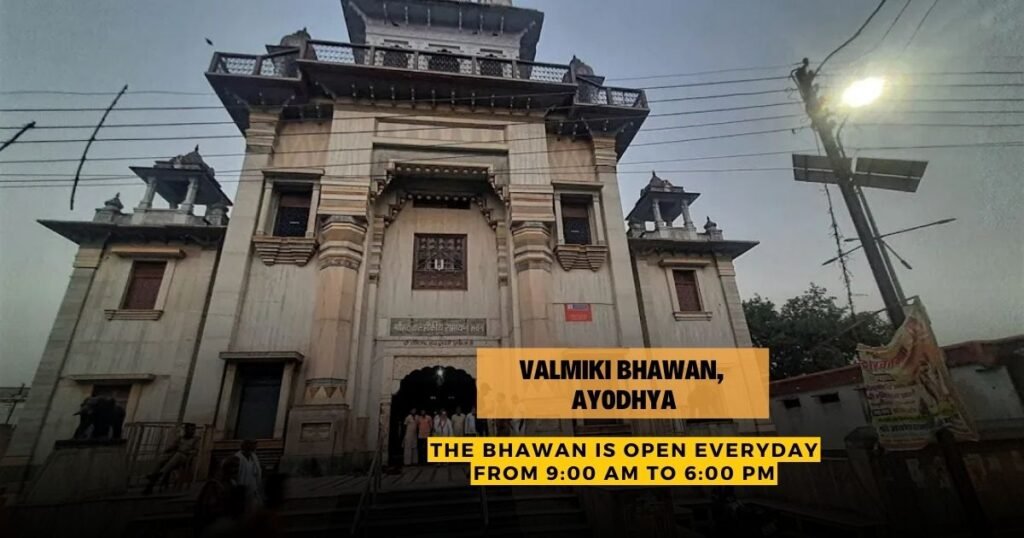


The first thing I noticed when I arrived in Ayodhya wasn’t a temple or a crowd.
It was the pace.
People walked slower. Conversations didn’t overlap the way they do in bigger pilgrimage cities. Even the rickshaw puller who dropped me near the ghat didn’t hurry to leave. Ayodhya has a way of asking you to match its rhythm before it shows you anything meaningful.
That’s why an Ayodhya tour package works best when it’s treated as a journey, not a checklist. You can visit the temples, attend the darshan, see the ghats, and still miss the place entirely if you rush through it. This guide is for travellers who want to understand how Ayodhya feels, not just where to go.
About the Ayodhya Tour Package
Ayodhya doesn’t overwhelm you the moment you arrive.
It waits.
The city carries a quiet confidence shaped by centuries of faith. Streets are cleaner than most people expect. Security is visible but calm. Pilgrims arrive with intention, not excitement. This isn’t a place people come to be entertained. They come to settle something inside themselves.
A thoughtfully planned Ayodhya pilgrimage tour package allows room for pauses. It balances temple visits with time to sit by the river, walk the lanes, and absorb the silence that often says more than rituals do.
History That Still Shapes Ayodhya
Ayodhya’s history isn’t layered. It’s continuous.
Known as the birthplace of Lord Ram, the city has been a centre of devotion for thousands of years. What’s important to understand is that this history doesn’t feel distant here. It shapes behaviour. People speak softly around temples. Vendors pause when aarti bells ring. Even traffic slows near sacred areas.
Visitors often expect grand storytelling boards or guided narrations. Instead, Ayodhya offers something quieter. History lives in repetition. In daily prayers. In habits passed down without explanation.
That’s why many travellers feel an unexpected emotional weight here. Not because they were told to, but because the place doesn’t let you remain detached.
Rituals and Celebration – What to Expect
Daily rituals in Ayodhya begin early. Very early.
Morning aartis start before sunrise. By the time most visitors wake up, priests have already completed several rounds of worship. The city feels freshest at this hour. Less crowded. More focused.
Festivals change the atmosphere completely. Ram Navami, Diwali, and important Hindu calendar dates draw massive crowds. Roads close. Entry routes change. Darshan timings stretch.
Local Guide Tip:
During major festivals, plan only one main temple visit per day. Anything more usually turns into waiting rather than worship.

Ayodhya Ram Mandir Tour Package – Temples That Matter
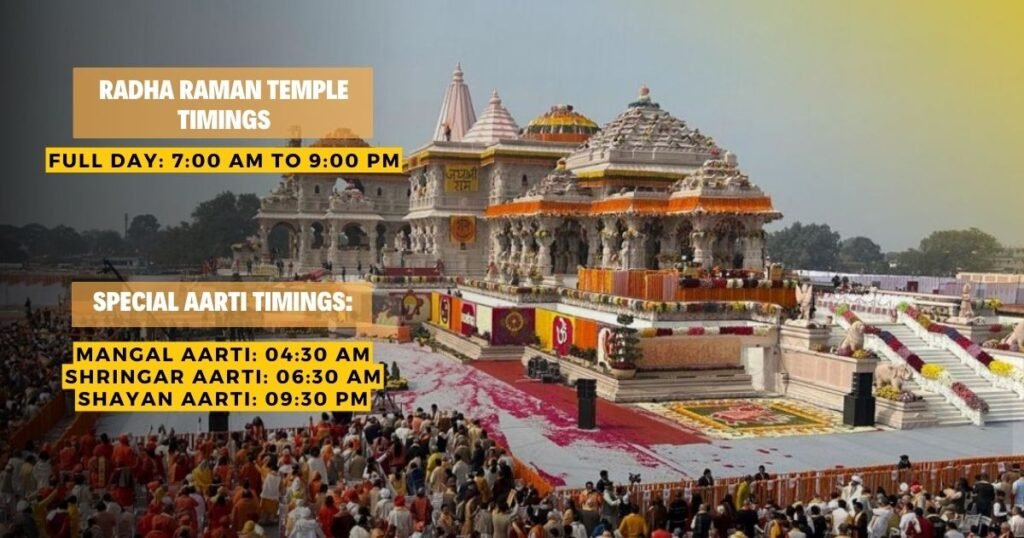
Shri Ram Janmabhoomi Mandir
- Crowd level: High throughout the day
- Best time: Early morning
- Suitable for: All pilgrims, first-time visitors
This place is the centre of Ayodhya. The security checks are very rigorous and there are long queues that are both steady and slow moving. The mood inside is very formal and structured. People do not stay inside for long periods of time, but the feeling of being there remains with many visitors for quite a while afterwards.
Guide Tip:
Carry minimal belongings. Security queues move faster when you’re prepared.
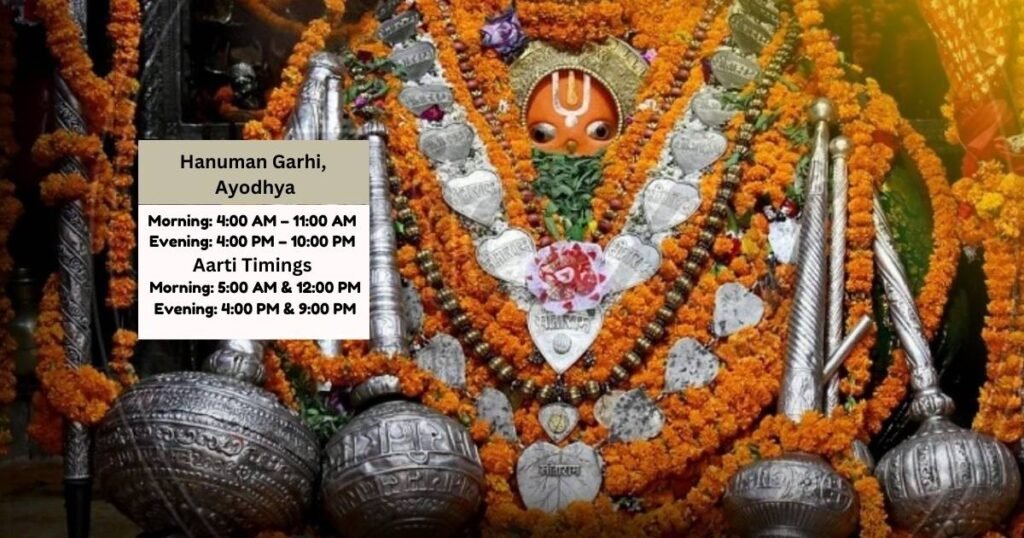
Hanuman Garhi
- Crowd level: Moderate to heavy
- Best time: Morning hours
- Suitable for: Devotees comfortable with stairs
The climb here is part of the experience. From the top, Ayodhya feels quieter. Many locals stop here before visiting other temples.
Kanak Bhawan
- Crowd level: Moderate
- Best time: Mid-morning
- Suitable for: Families and older travellers
This temple feels gentle. Compared to the intensity of Ram Mandir, Kanak Bhawan offers a softer devotional space. Many travellers find this visit unexpectedly calming.
Dashrath Mahal
- Crowd level: Low to moderate
- Best time: Late morning
- Suitable for: Reflective travellers
This space feels less ceremonial and more personal. People tend to spend time here without rushing.
Ghats – Where Ayodhya Slows You Down
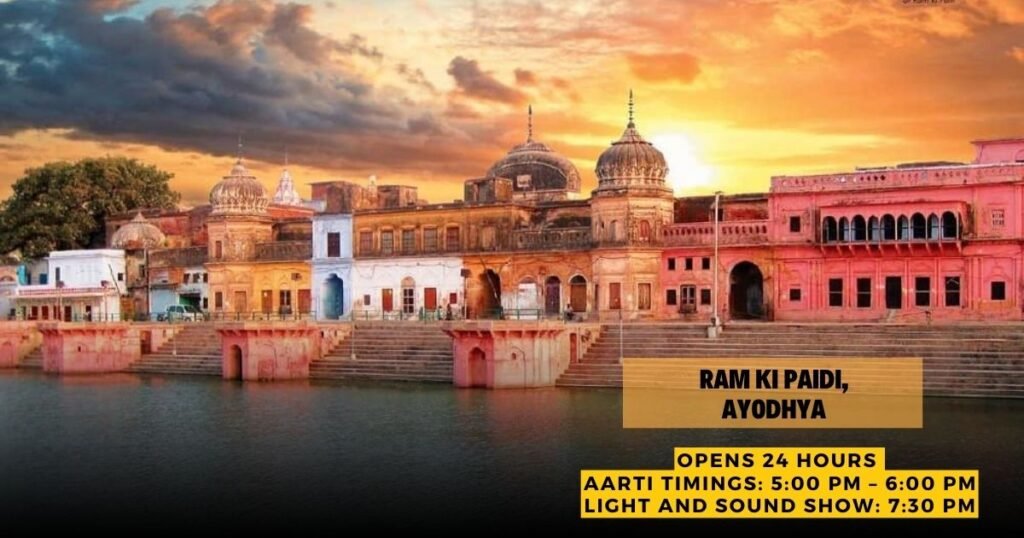
Sarayu Ghat
- Crowd level: Moderate in mornings, busy in evenings
- Best time: Early morning or sunset
- Suitable for: All travellers
The Sarayu doesn’t demand attention. It invites it. People sit quietly here. Some pray. Some just watch the water. Even during busy hours, the ghat carries a sense of order.
Local Guide Tip:
Sit for at least fifteen minutes before leaving. Ayodhya reveals itself slowly.
Best Time to Visit Ayodhya
Seasonal Reality
- October to March: Pleasant weather, higher crowds
- April to June: Hot, fewer visitors
- July to September: Humid, occasional rain
Daily Rhythm
- Mornings are calm and devotional
- Evenings feel emotional and crowded
Travellers who start early often experience more without exhaustion.
Nearest Places to See Around Ayodhya
Faizabad
- Historical significance
- Local markets and food
- Short travel distance
Guptar Ghat
- Quieter than Sarayu Ghat
- Reflective atmosphere
- Suitable for evening visits
Nandigram
- Strong spiritual association
- Less crowded
- Good half-day visit
Safety Tips for First-Time Visitors
- Keep documents and essentials secure
- Wear modest, comfortable clothing
- Stay hydrated, especially in summer
- Follow temple instructions patiently
- Avoid late-night wandering in unfamiliar lanes
Local Guide Tip:
If crowds feel overwhelming, step aside instead of pushing through. Most darshans feel clearer after waiting.
How to Reach Ayodhya
🚗 By Car
- Well-connected by road from Lucknow and Varanasi
- Flexible for multi-day travel
- Best for families
🚆 By Train
- Ayodhya Junction and Ayodhya Cantt stations
- Good connectivity from major cities
✈️ By Air
- Maharishi Valmiki International Airport, Ayodhya
- Local transport available from airport
Planning Support Partner
Managing darshan timings, temple queues, and local movement can feel tiring, especially for first-time visitors. Ayodhya Varanasi Tourism often helps travellers keep their itinerary realistic, balance temple visits with rest, and adjust plans quietly when conditions change. This kind of support doesn’t interfere with the experience. It protects it.
FAQs – Ayodhya Tour Package
Q1. How many days are enough for Ayodhya?
2 days allow a comfortable and unhurried visit.
Q2. Is Ayodhya suitable for older travellers?
Yes, with early starts and limited walking.
Q3. Are temples very crowded?
Yes, especially Ram Mandir during peak hours.
Q4. Can families with children manage easily?
Yes, with proper breaks and planning.
Q5. Is photography allowed inside temples?
Mostly restricted.
Q6. What should I wear?
Simple, modest clothing.
Q7. Are guides necessary?
Helpful, but not mandatory.
Q8. Is walking unavoidable?
Some areas require walking.
Q9. Can nearby places be added to the trip?
Yes, with planning.
Q10. What’s the biggest mistake visitors make?
Rushing through darshan without rest.
Conclusion
Ayodhya doesn’t try to impress you.
It waits for you to slow down.
Some moments will feel crowded. Some will feel unexpectedly quiet. Somewhere in between, you’ll notice your thoughts settling without effort.
That’s usually when Ayodhya stops being a destination and starts feeling like a pause you didn’t know you needed.